
Shrubs
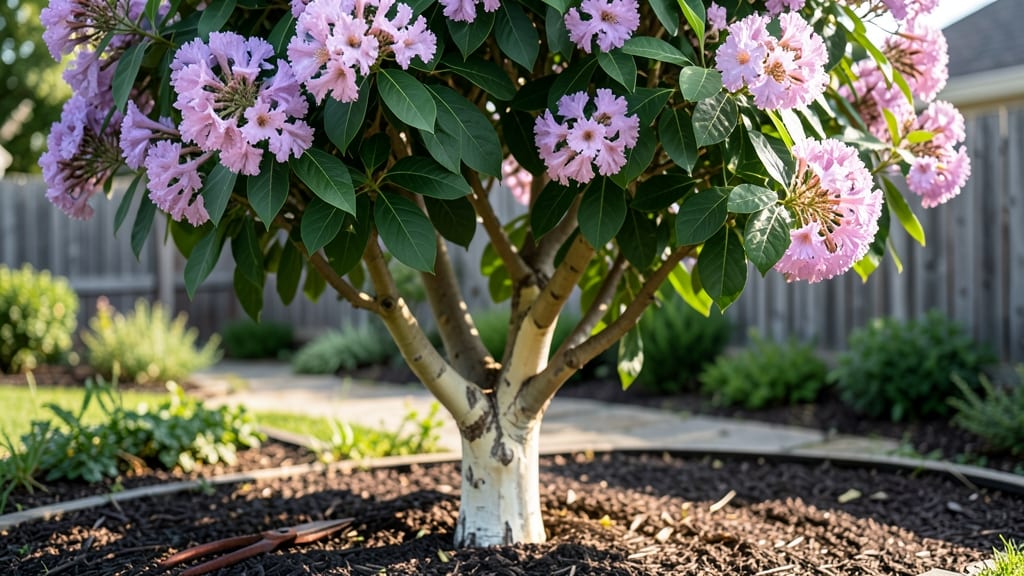
Florida’s blazing sun and relentless humidity don’t have to mean dull landscapes—sun-loving flowering shrubs can turn your yard into a vibrant escape. 🌿 I’ve watched crape myrtles and gardenias transform bare patches into lush, fragrant havens, and the secret isn’t just picking the right plants, but understanding their needs.
These shrubs don’t just survive Florida’s heat; they thrive in it, blooming longer and more spectacularly than many northern varieties ever could.
The key starts with soil that drains well—Florida’s clay can be a nightmare if you don’t amend it with compost or sand. Most of these shrubs love full sun, but a few varieties tolerate light shade, especially in the brutal afternoon heat.
Watering isn’t about daily soaking; deep, infrequent watering keeps roots strong without inviting fungal diseases. And pruning? Timing matters—cut back after blooming to encourage next year’s flowers, but never in late summer when new growth won’t harden off before winter.
Imagine your yard in peak season: jewel-toned jacarandas showering purple rain in spring, crape myrtles bursting with pink and white blooms from summer to fall, and gardenias filling the air with intoxicating fragrance at dusk.
These shrubs attract pollinators, repel pests naturally, and create shade that cools your home. With the right care, they’ll reward you for years—some even live for decades—becoming the backbone of your landscape.
Whether you’re starting from bare-root plants or established shrubs, Florida’s climate demands a few extra steps: mulching to retain moisture, choosing disease-resistant varieties, and watching for pests like scale or whitefly.
But the payoff—a yard that stays stunning through hurricanes, humidity, and heat—makes every effort worth it. Let’s get those roots in the ground and those blooms going!
📚 In This Guide
- What you need
- Instructions
- Tips and common mistakes
- Wrapping up and next steps
What you need
- ● Florida-native or heat-tolerant flowering shrubs: 1–3 plants per variety (e.g., Firebush (Hamelia patens), Coralberry (Symphoricarpos orbiculatus), or Texas Ranger (Leucophyllum frutescens)). Check local nurseries for Florida-Friendly Plants® certified options.
- ● Well-draining potting mix: 2–3 cubic feet (for containers) or 10+ cubic yards (for in-ground planting). Opt for a blend with sand or perlite (e.g., Miracle-Gro Potting Mix or Black Gold Natural & Organic).
- ● Organic mulch: 2–3 inches of pine bark fines, cypress mulch, or shredded leaves (cover soil after planting to retain moisture).
- ● Slow-release fertilizer: 1–2 pounds of balanced, organic fertilizer (e.g., Espoma Garden-Tone or Osmocote Smart-Release, 14-14-14 ratio).
- ● Drip irrigation system or soaker hose: 50–100 feet of tubing (adjust based on garden size) + emitters or connectors.
- ● Pruning shears: Bypass pruners (e.g., Fiskars Ergo) for clean cuts, plus loppers for thicker stems.
- ● Gloves & long sleeves: Heavy-duty gardening gloves and UV-protective clothing (Florida sun is no joke! ☀️).
- ● Hand trowel: For digging small holes or transplanting.
- ● Wheelbarrow: 2–3 cubic feet capacity to haul soil/mulch.
- ● pH testing kit: Digital or liquid test kit (e.g., Luster Leaf) to check soil pH (aim for 6.0–7.0 for most shrubs).
- ● Epsom salt: 1–2 pounds (for magnesium boost, especially for Firebush or Plumbago).
- ● Bird netting: 10x10-foot section (to protect blooms from hungry birds or pests).
- ● Solar-powered stake lights: 4–6 lights (for evening ambiance and safety).
Step-by-step guide for planting and maintaining Florida flowering shrubs
Here's how to establish sun-loving shrubs that bloom reliably through Florida's long, hot seasons.
🌱 Step 1: Prepare the Planting Site for Optimal Drainage
Choose a location with at least 6 hours of direct sun daily—Florida's intense light accelerates growth but also increases water needs. Test your soil's drainage by digging a 12-inch deep hole; if water pools after 30 minutes, amend the area with 2-3 inches of coarse sand mixed into the top 12 inches of native soil.
Most Florida flowering shrubs prefer slightly acidic to neutral soil (pH 6.0-7.5). If your soil is heavy clay, incorporate 3-4 inches of organic matter (like composted pine bark) into the planting area. This improves root establishment and prevents waterlogging during Florida's frequent summer rains. Real talk: Skipping this step leads to root rot in just weeks.
☀️ Step 2: Plant at the Right Time and Depth
Plant container-grown shrubs in late winter to early spring (February-March) to avoid transplant shock during summer heat. Dig a hole twice as wide as the root ball but no deeper—planting too deep suffocates roots. Gently remove the plant from its container and loosen any circling roots with your fingers.
Place the shrub so the top of the root ball sits 1 inch above soil level. This prevents water from pooling around the stem during Florida's heavy rains. Backfill with native soil mixed with 1 part compost, tamping lightly as you go. Water deeply until moisture reaches 6 inches down—you'll see it sink in quickly in sandy soils.
💧 Step 3: Establish a Watering Routine for Florida's Climate
Water newly planted shrubs 2-3 times weekly for the first 4-6 weeks, providing 1-2 gallons per plant each time. You'll know it's enough when water runs out the drainage holes if planted in containers, or when the top 2 inches of soil feel uniformly moist in ground plantings.
After establishment, shift to deep watering once weekly during dry spells. Florida's humidity means most shrubs need less frequent watering than northern varieties, but mulch heavily with 3-4 inches of pine straw or wood chips to retain moisture and regulate soil temperature. The mulch should extend 2-3 inches from the plant stem—never pile it against the trunk.
✂️ Step 4: Prune for Florida's Growing Season
Prune flowering shrubs immediately after blooming to encourage next year's flowers. For example, prune abelia and butterfly bush in late spring, while camellias and gardenias should be pruned in early spring before new growth begins. Never prune when buds are forming—this cuts off the next season's blooms.
Use clean, sharp pruners to make cuts at a 45-degree angle, just above a leaf node. Remove no more than 1/3 of the plant's foliage in any single pruning session. Florida's heat speeds up regrowth, so you'll see new shoots within 2-3 weeks if pruning was done correctly. Thin out crowded branches to improve airflow—this prevents fungal diseases that thrive in Florida's damp climate.
🌿 Step 5: Fertilize Strategically for Florida Conditions
Apply a slow-release, balanced fertilizer (10-10-10 or 12-12-12) in early spring at ½ the recommended rate. Florida's sandy soils leach nutrients quickly, so monthly applications of a liquid seaweed fertilizer during the growing season keeps shrubs thriving. Stop fertilizing by late summer to allow plants to harden off before winter.
Watch for signs of nutrient deficiencies: yellowing leaves often indicate nitrogen needs, while purple stems signal phosphorus deficiency. Most Florida flowering shrubs need less fertilizer than northern varieties—overdoing it leads to weak growth and fewer blooms. Here's the thing: Florida's heat means plants grow fast, but they also burn easily, so always water thoroughly after fertilizing.
Tips & tricks for thriving Florida flowering shrubs
Here's what I've learned after helping Florida gardeners transform their landscapes with vibrant, sun-loving shrubs.
Soil Test First: Before amending your soil, test its pH level with a simple kit available at garden centers. Florida's native soils often test acidic (below 6.0), which can stunt growth. If needed, add pelletized lime to raise pH gradually—just follow package instructions. I've seen shrubs double in size within a season after proper soil adjustment.
Root Ball Prep: When removing container-grown shrubs, gently tease apart the root ball's outer edges to encourage outward root growth. This prevents "pot-bound" shock where roots circle and strangle themselves. For larger plants, make 2-3 vertical slits down the sides of the root ball with a knife before planting—this jumpstarts root expansion into native soil.
Watering Wisdom: The 2-3 times weekly watering for the first 4-6 weeks is non-negotiable, but timing matters just as much. Water in the early morning to prevent fungal diseases from overnight moisture. Use a rain gauge to track rainfall—you can often skip watering days after 1 inch of rain. In sandy soils, water may disappear within 30 minutes, so check moisture levels before assuming it's absorbed.
Pruning Precision: That 45-degree angle cut isn't just aesthetic—it directs water to run off the cut rather than pool at the wound. For Florida's heat, I recommend sterilizing pruners between cuts with rubbing alcohol to prevent spreading bacterial leaf spot. And here's a game-changer: Prune on a cloudy day when temperatures are below 85°F to reduce stress on the plant.
Pro Tips for Florida Flowering Shrub
- Here's what I've learned after helping Florida gardeners transform their landscapes with vibrant, sun-loving shrubs.
- Soil Test First: Before amending your soil, test its pH level with a simple kit available at garden centers.
- Root Ball Prep: When removing container-grown shrubs, gently tease apart the root ball's outer edges to encourage outward root growth.
Frequently asked questions
When is the best time to plant flowering shrubs in Florida?
The ideal window is late winter to early spring (February–March), when the soil is warm but the peak summer heat hasn’t arrived yet. For tropical varieties (like hibiscus or bougainvillea), you can plant year-round, but avoid extreme summer heat or hurricane season (June–October). Pro tip: Morning shade helps young shrubs acclimate during their first few weeks!
Which flowering shrubs handle Florida’s humidity and pests best?
Opt for native or heat-tolerant varieties like firebush (Hamelia patens), abelia (Abelia x grandiflora), or coontie palm (Zamia integrifolia). These thrive in humidity and resist pests. Bonus: Firebush attracts hummingbirds and butterflies! For extra defense, apply neem oil or insecticidal soap if you spot aphids or scale.
How often should I water newly planted flowering shrubs?
Water deeply 2–3 times per week for the first month, then taper to once a week (or more in extreme heat). Florida’s sandy soil drains fast, so focus on slow, deep watering to encourage strong root growth. Test the soil: Stick your finger 2 inches down—if it’s dry, water again!
Why aren’t my flowering shrubs blooming as much as they used to?
Common culprits include over-fertilizing (especially with high nitrogen), poor pruning timing, or too much shade. Fix it: Prune right after flowering (never in late summer), use a balanced 6-6-6 fertilizer in spring, and ensure 6+ hours of sun daily. Stress check: Yellow leaves? Adjust watering or check for root rot.
Are there low-maintenance flowering shrubs for Florida’s busy gardeners?
Try dwarf butterfly bush (Buddleja davidii), Texas rangers (Leucophyllum frutescens), or dwarf yaupon holly (Ilex vomitoria ‘Nana’). These need minimal pruning, handle drought well, and burst with color with little fuss. Pro move: Group them with succulents to cut watering time in half!
Still stumped? Drop your shrub’s name in the comments—we’ll help diagnose!
Wrapping up and next steps
Transforming your Florida landscape into a vibrant, sun-driven paradise is easier than you think! 🌞 From the bold hues of Firebush to the delicate blooms of Coralberry, these heat-loving shrubs bring color, resilience, and low-maintenance beauty to your yard.
With the right soil prep, sunlight, and care, you’ll enjoy a flourishing garden that thrives year-round—even in Florida’s toughest heat.
Ready to take the next step? Pick your favorite variety, grab your gardening tools, and start planting! Whether you’re a seasoned green thumb or a beginner, these shrubs are your ticket to a stunning, worry-free outdoor space. Check out our planting tips to get started today!