
Pruning
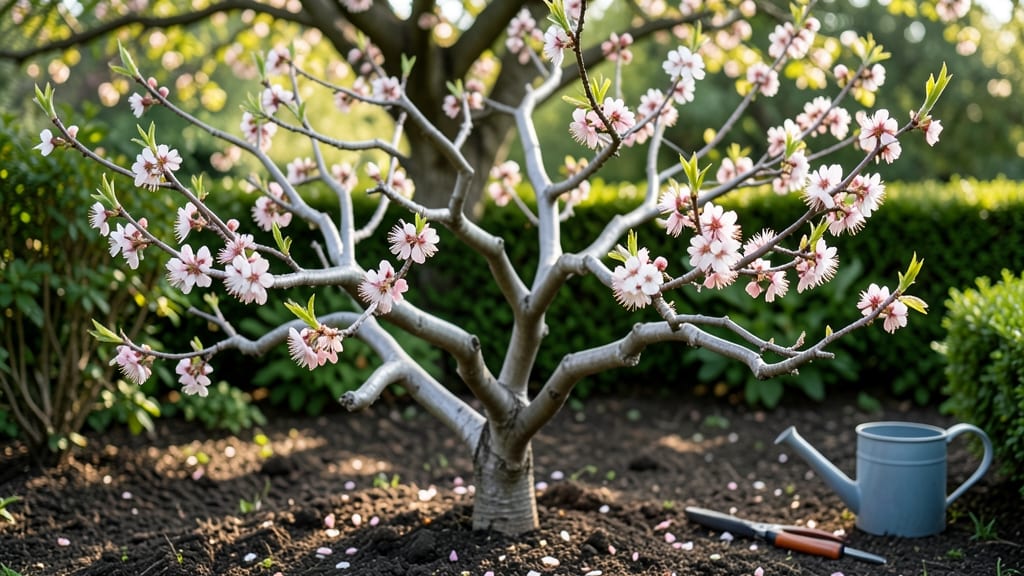
Your flowering almond tree won't just survive winter—it'll burst into rosy-pink clouds of blooms that steal the show every season. ✨ I learned the hard way that pruning isn't optional; it's the secret to turning a scraggly shrub into a showstopper that blooms from late winter through spring.
The right cuts at the right time transform its natural shape from "messy" to "masterpiece," while also preventing those pesky suckers that drain its energy.
You'll need sharp pruners, a ladder (for taller trees), and about 30 minutes in early spring—just after the last frost but before buds swell. The goal is simple: open the center to sunlight and air, remove deadwood, and shape those branches so light reaches every bloom cluster.
My tree went from "meh" to "wow" in one season after I started pruning like this, and the fragrance? Unbeatable.
What you end up with is a tree that looks like it belongs in a botanical garden, not your backyard. The blooms attract bees and butterflies by the dozens, the foliage turns golden in fall, and the winter bark adds texture when everything else is bare.
Plus, it's tougher than it looks—survives down to -25°F and thrives in zones 4-8 with minimal fuss.
Works whether you're shaping a small patio tree or a 15-foot specimen in the landscape. The same principles apply, just scaled to size. Ready to turn your flowering almond from "decent" to "dazzling"? Let's get those pruners sharpened.
📚 In This Guide
- What you need
- Instructions
- Tips and common mistakes
- Wrapping up and next steps
What you need
- ● Pruning shears: Bypass pruners (sharp, clean, and 2-3 inches long) for small branches.
- ● Loppers: For thicker branches (½–1½ inches in diameter).
- ● Pruning saw: For branches over 1½ inches thick (avoid bow saws—they damage wood).
- ● Disposable gloves: Heavy-duty to protect against thorns and sap.
- ● Rubbing alcohol (70%+) or bleach solution: 1 part bleach to 10 parts water for sterilizing tools.
- ○ Pruning sealant (optional): For large cuts to prevent disease (use only if needed).
- ● Bucket or bag: For collecting debris (or a tarp for easy cleanup).
- ● Best time to prune: Late winter or early spring (before buds swell) or right after flowering (avoid summer pruning).
- ● Weather check: Prune on a dry, cloudy day (prevents stress from sun exposure).
- ● Safety first: Wear long sleeves/pants—flowering almond trees have sharp thorns!
- ● Tree health: Only prune if the tree is healthy (no signs of disease like oozing sap or dead branches).
- ● 🔥 Sterilize tools between cuts to avoid spreading disease.
- ● 🌡️ Work in layers: Start with large branches, then move to smaller ones.
- ● ✨ Mark your cuts: Use chalk or tape to plan angles before pruning.
Step-by-step guide to pruning your flowering almond tree
Here's how to keep your tree blooming beautifully all year—no guesswork involved.
✂️ Step 1: Time Your Pruning for Maximum Blooms
Prune your flowering almond tree in late winter or early spring, just as buds begin to swell but before new growth starts. This is critical because the tree sets flower buds in late summer, and pruning at the wrong time removes next year's blooms. I always mark my calendar for February to early March in most climates—adjust for your last frost date.
Wait until daytime temperatures consistently stay above 40°F before pruning. Cold snaps can stress the tree, and pruning too early in winter invites disease. You'll know it's time when you see tiny green buds forming along the branches—these are your future flowers.
🌿 Step 2: Remove Dead, Diseased, or Crossing Branches
Start by cutting out any branches that are dead, diseased, or rubbing against others. Use clean, sharp pruners to make 45-degree cuts just outside the branch collar—the swollen area where the branch meets the trunk. I always sterilize my tools with rubbing alcohol between cuts to prevent spreading any infections.
Look for branches growing inward toward the center of the tree. These compete for sunlight and weaken the structure. Remove them first since they won't produce flowers anyway. You'll notice the tree's natural shape emerges as you work—follow that shape rather than forcing symmetry.
✂️ Step 3: Thin Out Overcrowded Areas
Selectively remove branches to improve airflow and light penetration. Aim to keep the tree's open, vase-like shape, which encourages more blooms. I target branches that are growing too close together—these often produce fewer flowers because they compete for resources. Cut back to the nearest outward-facing bud or branch.
Never remove more than 25% of the tree's foliage in one season. Flowering almonds are sensitive to heavy pruning, and overdoing it stresses the tree. After thinning, step back and visualize sunlight reaching all branches—you'll see where more cuts are needed or where you've done enough.
☀️ Step 4: Shape for Light and Airflow
Focus on maintaining an open center with a slightly rounded top. This shape ensures sunlight reaches the inner branches where most flowers form. I start pruning from the bottom and work upward, removing any branches growing straight up or down—they rarely flower well and create weak structure.
Shorten overly long branches by one-third to encourage bushier growth. Make cuts just above a leaf bud or side branch. Avoid cutting back to bare wood—always leave a bud or branch stub. After shaping, water deeply to help the tree recover from the stress.
⏰ Step 5: Post-Pruning Care for Healthy Growth
Apply a balanced fertilizer (like 10-10-10) in early spring to support new growth. Flowering almonds need nutrients to produce blooms, and pruning depletes some reserves. Water the tree deeply once a week during dry spells, keeping the soil moist but not soggy.
Monitor the tree for new growth in 4-6 weeks. Healthy shoots will emerge from the buds you left behind. If you see weak, pale growth, the tree needs more sunlight or fertilizer. Avoid pruning again until next winter—let the tree focus on flowering and strengthening its structure.
Tips & tricks for pruning your flowering almond tree
Real talk: Pruning this tree right means the difference between a few sad flowers and a breathtaking spring display. Here's what nobody tells you—
Timing is Everything: The February to early March window is non-negotiable because that's when your tree's setting next year's flower buds. I learned this the hard way after pruning too early and getting almost no blooms the following spring. Look for those tiny green buds forming—those are your future flowers waiting to happen. If you're in a colder climate, wait until your last frost date has passed and temperatures stay consistently above 40°F for at least a week.
Tool Prep Makes All the Difference: Your pruners should be sharper than your focus on getting this right. Dull blades tear wood, inviting disease. Sterilize them between every cut with rubbing alcohol—this prevents spreading any infections from dead branches to healthy ones. I keep a small bottle of alcohol right next to my pruning tools and wipe them down after every 3-4 cuts, especially when dealing with diseased wood. This small habit saves trees every season.
Visualize the Tree's Natural Shape: When thinning branches in Step 3, step back every 10 minutes to visualize how sunlight will reach the center. The open vase-like shape isn't just aesthetic—it's how you maximize blooms. I imagine sunlight streaming through the center like a spotlight. If you can't see light reaching the inner branches, you're not done yet. Remember, you're aiming for that 25% foliage removal limit, so work gradually and check your progress often.
Post-Pruning Recovery is Critical: That deep watering after shaping isn't just a nice gesture—it's essential. Flowering almonds are sensitive to stress, and pruning creates wounds that need moisture to heal. I water immediately after finishing, then again 3 days later to ensure the roots are hydrated. The 4-6 week monitoring period is your chance to catch any issues early. If you see weak growth, it's a sign to adjust your fertilizer or sunlight exposure immediately.
Pro Tips for Flowering Almond Tree
- Real talk: Pruning this tree right means the difference between a few sad flowers and a breathtaking spring display.
- Timing is Everything: The February to early March window is non-negotiable because that's when your tree's setting next year's flower buds.
- Tool Prep Makes All the Difference: Your pruners should be sharper than your focus on getting this right.
Frequently asked questions
Got questions about keeping your flowering almond tree in top shape? We’ve got answers! Here are some of the most common concerns—plus quick tips to keep those stunning blooms coming year after year.
When is the best time to prune a flowering almond tree?
The ideal time to prune is late winter or early spring (before buds swell but after the worst frost). This encourages vibrant blooms while avoiding winter damage. Avoid pruning in fall—it can stimulate late growth that’s vulnerable to cold. Pro tip: If you must prune in summer, do it after flowering to avoid cutting off next year’s blossoms!
How much can I trim without harming the tree?
Remove no more than 25-30% of the tree’s foliage in one session to avoid stress. Focus on dead, crossing, or overcrowded branches first. For young trees, light pruning (10-15%) is enough—mature trees can handle slightly more. Warning: Over-pruning can reduce blooms, so err on the side of caution!
What if my flowering almond tree isn’t blooming?
Lack of blooms often stems from over-pruning, poor nutrition, or winter damage. Check for:
- Sunlight: Ensure it gets 6+ hours of sun daily.
- Soil: Test for pH (6.5–7.5) and add compost if needed.
- Age: Young trees (under 3 years) may need patience.
Can I grow a flowering almond tree in cold climates?
Most varieties (like Prunus triloba) tolerate USDA Zones 4–8, but extreme cold (<10°F) can damage buds. Protect it with:
- A thick mulch layer (3–4 inches) around the base.
- Burlap wraps for young trees in winter.
- South-facing placement to maximize sunlight.
What’s a good alternative if I want similar blooms but less maintenance?
If pruning feels overwhelming, consider these low-maintenance bloomers:
- Cherry Blossom (Prunus serrulata) – Stunning spring flowers, slightly more cold-hardy.
- Japanese Quince (Chaenomeles speciosa) – Thrives in partial shade, minimal pruning.
- Fringe Tree (Chionanthus virginicus) – Fragrant blooms, drought-tolerant.
Wrapping up and next steps
The flowering almond tree is a stunning addition to any garden, offering breathtaking blooms and year-round interest with the right care—especially when it comes to pruning. By following the steps outlined, you’ll encourage vibrant flowers, maintain its shape, and keep it healthy for seasons to come.
Now that you’re armed with the know-how, roll up your sleeves and get pruning! 🌸✂️
Ready to transform your tree? Start by marking your calendar for late winter or early spring—the ideal time to prune—and watch your flowering almond tree reward you with a dazzling display of color. Happy gardening!