
Shrubs
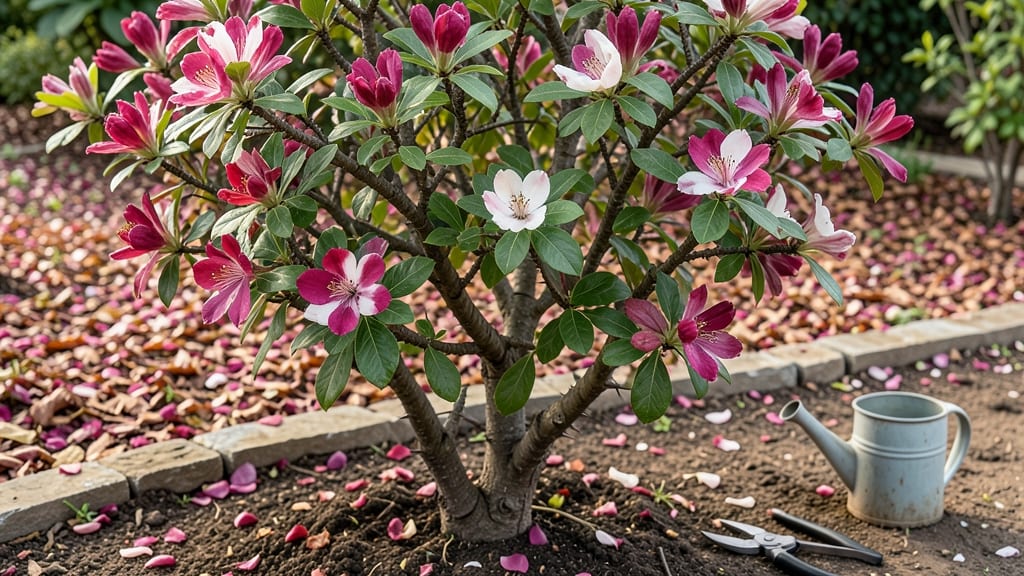
Flowering quince shrubs burst into vibrant blooms even in winter, proving that cold seasons don’t mean colorless gardens. 🌿 I’ve watched mine transform from bare branches to cascades of pink, red, and white flowers by late February—long before spring arrives.
The secret isn’t just their hardiness, but the way they respond to precise pruning that encourages continuous flowering.
These shrubs thrive in full sun to partial shade and adapt to almost any well-draining soil, though they reward you most when planted in slightly acidic conditions. Watering is simple: deep soaks once a week during dry spells, then let nature take over.
The real magic happens in late winter when you prune to shape the plant and stimulate new growth—this is what turns a winter skeleton into a spring spectacle.
You’ll end up with a shrub that blooms from late winter through spring, often with a second flush in fall. The flowers are followed by small, edible (though tart) fruits that birds adore, and the glossy foliage stays attractive even when not in bloom.
With just a few cuts a year, you’ll have a low-maintenance plant that steals the show in every season.
Perfect for foundation plantings, mixed borders, or even as a standalone specimen. Once established, flowering quince shrubs require minimal care beyond an annual pruning session—making them ideal for busy gardeners who still want year-round interest. Let’s get yours thriving!
📚 In This Guide
- What you need
- Instructions
- Tips and common mistakes
- Wrapping up and next steps
What you need
- ● Flowering quince shrubs (Chaenomeles spp.): 1–3 mature plants (depending on desired coverage)
- ● Choose varieties like ‘Coccinea’ (red blooms) or ‘Pink Lady’ (pink flowers)
- ● Well-draining soil mix: 50% native soil + 50% compost or organic matter
- ○ Optional: Add perlite or sand for rocky soils (1 part perlite to 4 parts soil)
- ● Organic mulch (e.g., shredded bark, pine needles, or straw): 2–3 inches
- ● Slow-release fertilizer (10-10-10 or balanced organic): 1 lb per shrub
- ● Hand pruners (bypass pruners for clean cuts)
- ● Loppers (for thicker branches, 1–2 pairs)
- ● Garden gloves (heavy-duty for thorny varieties)
- ● Trowel or spade (for planting/digging)
- ● Watering can or hose with adjustable nozzle
- ● Measuring tape (to mark pruning zones)
- ● Epsom salt (for magnesium-rich soil, 1 tbsp per gallon of water)
- ● Copper fungicide (to prevent fire blight, if needed)
- ● Stakes or trellis (for young shrubs in windy areas)
- ● Mulch rings (to keep mulch in place)
- ● Pruning sealant (for large cuts, though quince heals well without it)
How to prune flowering quince shrubs for season-long beauty
Here’s my foolproof method for keeping these fragrant shrubs flowering like clockwork.
✂️ Step 1: Prune Immediately After Spring Blooms Fade
Cut back one-third of last year’s growth right after the flowers drop. This encourages fresh, vigorous stems that will bloom again in fall. I always prune in late April or early May—waiting too long lets the plant put energy into seed production instead of next year’s flowers.
Look for dead or crossing branches first—remove those completely. Then, select 3-4 strongest stems per shrub and trim back to a healthy outward-facing bud. This opens up the center for better airflow and light penetration.
Use clean, sharp pruners to make cuts at a 45-degree angle just above a bud. Avoid leaving stubs—this prevents disease and promotes faster healing. If your shrub is young (under 3 years), skip heavy pruning and just remove any dead wood.
✂️ Step 2: Light Summer Pruning for Airflow and Shape
In mid-to-late summer, do a quick shape-up session. Remove any suckers (shoots growing at the base) and weak, spindly growth. These compete with the main stems for nutrients and rarely produce good flowers.
Thin out overcrowded branches by cutting back to the nearest strong bud. You’ll know you’re doing it right when you can see light filtering through the center of the shrub. Flowering quince handles pruning well, but don’t go overboard—never remove more than 25% of the foliage in one season.
Here’s the thing—don’t prune in fall. The plant needs time to harden off before winter. Any late cuts will stimulate new growth that won’t survive frost, leaving your shrub vulnerable to damage.
✂️ Step 3: Winter Pruning to Maintain Structure
After the first hard frost (when the plant is fully dormant), do a final light pruning. Remove any dead, diseased, or weak wood—these are easy to spot now that the leaves are gone. Also, trim back any branches that grew too long last season to keep the shrub compact and manageable.
This is also the time to shape the shrub for winter interest. Flowering quince has attractive bark, so I often leave some older stems for texture. Just avoid heavy cuts—stick to 10-15% of the total plant at most.
Clean up all pruned branches and dispose of them away from the garden to prevent disease. A quick 10% vinegar solution on your pruners between cuts keeps them sanitized and ready for next season.
⏰ Step 4: Year-Round Maintenance for Nonstop Blooms
Water deeply once a week during dry spells, but avoid soggy soil—flowering quince hates wet feet. Mulch with 2-3 inches of organic material (like shredded bark) to retain moisture and protect roots in winter.
Fertilize lightly in early spring with a balanced 10-10-10 formula—too much nitrogen makes the plant grow leaves instead of flowers. I also add a handful of bone meal for phosphorus, which boosts blooming.
Watch for aphids or scale on new growth. A strong spray of neem oil keeps pests at bay without harming the shrub. With this care, your flowering quince will reward you with spring, summer, and fall blooms—sometimes even a light dusting of flowers in winter!
Tips & tricks for perfect flowering quince shrubs
Between us, these shrubs are low-maintenance once you get the pruning rhythm right. Here's what nobody tells you about keeping them blooming all season.
Timing is Everything: Those late April to early May pruning windows are non-negotiable for spring blooms. I learned this the hard way after skipping a year—my quince put all its energy into seed pods instead of flowers. Mark your calendar right after the last bloom falls, and set a reminder for mid-summer too. The plant needs that 3-month recovery period before winter.
Visual Cues Matter: When selecting those 3-4 strongest stems in Step 1, look for branches with the most buds clustered near the tips. These are your future bloomers! I also check for bark texture—smoother, younger stems produce more flowers than rough, older wood. And trust me, the light test in Step 2 works: if you can't see sunlight filtering through the center, you haven't thinned enough.
Tool Prep Prevents Problems: Before you even touch the shrub, clean your pruners with that 10% vinegar solution—it's your first line of defense against bacterial spread. I keep a small spray bottle of it in my gardening shed. Also, sharpen your blades regularly; dull pruners crush stems instead of making clean cuts, which stresses the plant. A quick file test works: if you can't make a clean cut on a piece of paper, your blades need attention.
Winter Interest Secret: That 10-15% winter pruning rule is flexible if you're going for winter texture. I often leave some older stems with their attractive bark exposed—these become stunning winter features. Just avoid cutting back more than 25% total across all seasons, or you'll sacrifice next year's blooms.
Pro Tips for Flowering Quince Shrubs
- Between us, these shrubs are low-maintenance once you get the pruning rhythm right.
- Timing is Everything: Those late April to early May pruning windows are non-negotiable for spring blooms.
- Visual Cues Matter: When selecting those 3-4 strongest stems in Step 1, look for branches with the most buds clustered near the tips.
Frequently asked questions
Got questions about keeping your flowering quince shrubs thriving? You’re not alone! Here are answers to the most common queries—from pruning puzzles to pest concerns—to help you grow a stunning, year-round display with confidence.
When is the best time to prune flowering quince shrubs for maximum blooms?
Prune flowering quince right after flowering (late spring to early summer). This ensures you don’t cut off next year’s buds, which form on old wood. Avoid heavy pruning in fall or winter, as it can stimulate tender new growth that may frost damage. Light shaping in late winter (before buds swell) is fine for tidying up.
Are flowering quince shrubs cold-hardy? Can they survive harsh winters?
Most flowering quince varieties (like Chaenomeles speciosa) are USDA zones 4-9 hardy. They thrive in cold climates and can handle snow and ice once established. Young plants may need winter mulch in extreme zones, but mature shrubs are tough as nails. Just avoid wet, heavy soil, which can cause root rot.
What pests or diseases commonly affect flowering quince, and how do I prevent them?
Watch for aphids, spider mites, and fire blight (a bacterial infection). To prevent pests, spray with water to dislodge aphids or use neem oil. For fire blight, prune infected branches 6+ inches below the damage and sterilize tools with rubbing alcohol. Ensure good airflow by avoiding dense planting and pruning for openness.
Can I grow flowering quince in containers? What’s the best setup?
Yes! Choose a large container (at least 18-24 inches wide) with drainage holes and use well-draining potting mix (add perlite or sand). Variegated varieties like ‘Crimson and Gold’ thrive in pots. Place in full sun and water when the top inch of soil is dry. Fertilize lightly in spring with a balanced 10-10-10 formula.
Why aren’t my flowering quince shrubs blooming as much as they should?
Bloom scarcity often stems from over-pruning (cutting back too late or too aggressively), poor sunlight (they need 6+ hours of sun daily), or nutrient deficiencies. Check your pruning timing, ensure full sun exposure, and amend soil with compost. If blooms are sparse but leaves are healthy, try a low-nitrogen fertilizer in early spring.
What are some great alternatives to flowering quince for year-round interest?
If you’re looking for similar low-maintenance, cold-hardy shrubs with seasonal interest, consider:
- Dwarf ninebark (Physocarpus opulifolius): White spring blooms, vibrant fall foliage.
- Spirea (Spiraea japonica): Colorful foliage and summer flowers.
- Potentilla (Dasiphora fruticosa): Long-blooming summer flowers and fall color.
- Abelia (Abelia x grandiflora): Fragrant white blooms from summer to fall.
Wrapping up and next steps
Flowering quince shrubs are a gardener’s dream—offering stunning year-round blooms with minimal effort when pruned correctly. Whether you’re a seasoned green thumb or just starting, these hardy plants reward patience with vibrant flowers, fragrant foliage, and even edible fruit.
Now that you’re armed with the right techniques, roll up your sleeves and transform your garden into a blooming paradise!
🌱 Next step: Grab your pruners, mark your calendar for seasonal trims, and watch your quince thrive. Happy pruning! 🌸