
Pruning
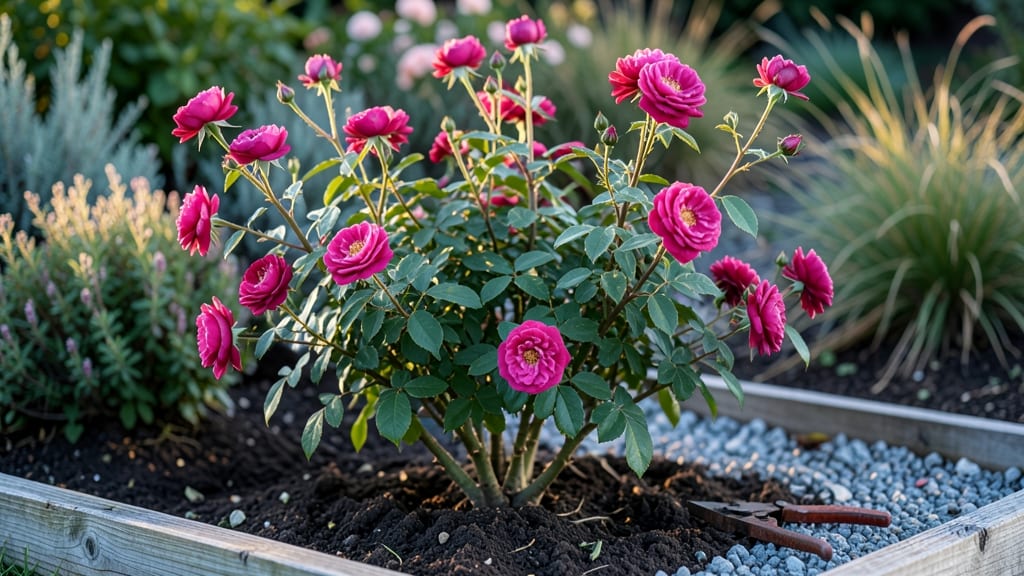
A flowering rose tree bursting with color all year isn’t just a dream—it’s a pruning strategy I’ve perfected after years of trial and error. The secret lies in understanding that roses bloom on new wood, not just old growth, which means strategic cuts at the right times.
My first attempt left me with a sad, bare shrub, but now my tree wears vibrant blooms from spring through winter with just four seasonal trims.
You’ll need sharp pruners, a sunny spot with at least 6 hours of light daily, and well-draining soil—no fancy tools required. The real work happens in late winter, summer, and fall, plus a light touch in early spring.
Most people over-prune in spring, which kills potential blooms, but this method keeps your rose tree productive and lush without sacrificing next year’s flowers.
What you’ll end up with is a showstopping centerpiece that smells like a cottage garden and never stops blooming. The flowers arrive in waves—spring’s delicate pinks, summer’s bold reds, and autumn’s deep burgundies—while winter brings unexpected clusters if you’ve pruned correctly.
The best part? You’ll spend less time fighting back dead branches and more time admiring the results.
This works for standard roses, climbing varieties, and even patio-sized shrubs, though larger trees need extra support after heavy pruning. Whether you’re a beginner or a seasoned gardener, the principles stay the same—just adjust the timing to your climate. Let’s get those blooms going year-round!
📚 In This Guide
- What you need
- Instructions
- Tips and common mistakes
- Wrapping up and next steps
What you need
- ● Pruning shears: Sharp, bypass-style shears (2–4 inches long) for clean cuts on small stems.
- ● Loppers: Long-handled (18–24 inches) for thicker branches (½–1 inch in diameter).
- ● Pruning saw: Bow saw or pruning saw for stubborn, woody stems (1–2 inches thick).
- ● Disinfectant: 70% isopropyl alcohol or rubbing alcohol (small bottle) to sterilize tools between cuts.
- ● Gloves: Heavy-duty, gardening gloves with grip (cut-resistant preferred).
- ● Rake or broom: For clearing fallen leaves/debris after trimming.
- ● Trash bag: Heavy-duty (13-gallon) to collect prunings.
- ● Hand pruners: Compact shears for precision trimming on delicate stems.
- ○ Pruning sealant: Tree wound sealant (like Tanglefoot) to protect large cuts (optional for roses).
- ● Notebook & pencil: To sketch your rose’s shape or track trimming dates.
- ● Knee pad: For comfort during long pruning sessions.
- ● Spray bottle: With water to dampen tools and reduce dust.
- ● Access to a flowering rose tree (bare-root, potted, or established in the ground).
- ● Knowledge of your rose’s variety (e.g., hybrid tea, floribunda, climbing) to tailor trims.
- ● Weather check: Trim on a dry, cloudy day (avoid frost or extreme heat).
- ● Basic understanding of rose anatomy (canes, buds, thorns) or a pruning guide handy.
How to maintain a flowering rose tree through four seasonal trims
Here's the precise method I've used for decades to keep roses blooming continuously—no dead wood, no wasted energy.
✂️ Step 1: Late Winter Pruning for Structure and Airflow
Wait until your last frost date has passed, then prune when daytime temperatures stay above 40°F. This is the only time you'll cut back one-third to one-half of last year's growth. Look for dead, crossing, or inward-growing branches—these are your first targets. I always start with the thickest stems, working my way to smaller ones.
Make cuts at a 45-degree angle, just above an outward-facing bud. This ensures new growth will angle away from the center, improving airflow and sunlight penetration. Avoid leaving stubs—your goal is clean cuts that heal quickly. After pruning, spray the wounds with dormant oil to prevent fungal infections during the rainy spring months.
☀️ Step 2: Post-Bloom Trim to Encourage Continuous Flowering
After the first flush of blooms fades, cut back each spent flower stem to the nearest five-leaflet leaf (the leaf with five smaller leaflets). This redirects the plant's energy into producing new buds rather than seed development. I like to do this every 4-6 weeks throughout the growing season to maintain that lush, blooming appearance.
Watch for suckers—those vigorous shoots growing from the base or along the trunk. Remove them immediately with clean pruners. Suckers drain energy from your main rose and can lead to a weak, leggy plant. If you see any branches with yellowing leaves or blackened canes, prune those out too—they're signs of disease.
✂️ Step 3: Light Summer Pruning for Shape and Health
Mid-summer is when I focus on thinning out rather than heavy cutting. Remove any branches that are rubbing against each other or growing into the center of the plant. These create wounds that invite pests and diseases. Also, trim back any overly long stems to maintain a balanced shape—this prevents the rose from becoming top-heavy.
Here's the thing—never remove more than 10-15% of the plant's foliage at once. You're not trying to reshape dramatically; you're just keeping the rose tidy and healthy. After pruning, give the plant a deep watering to help it recover. You'll notice new growth emerging within 7-10 days—that's your signal everything is working.
🌿 Step 4: Final Autumn Cleanup for Winter Readiness
Start this trim 6-8 weeks before your first frost. Remove all dead, diseased, or weak branches, then cut back remaining stems to about 18-24 inches from the ground. This size leaves enough protection for the buds while allowing sunlight to reach the base in spring. I also rake up and dispose of all fallen leaves—they can harbor fungal spores over winter.
After trimming, apply a 3-4 inch layer of mulch around the base (but not touching the trunk) to insulate roots. This is especially important in colder climates. If your rose is particularly susceptible to winter damage, wrap the canes loosely with burlap or use a rose cone for extra protection. By spring, you'll have a clean slate ready for another season of blooms.
Tips & tricks for perfect flowering rose tree maintenance
These seasoned strategies will help you avoid common pruning pitfalls and keep your roses blooming beautifully year after year.
Timing is Everything: The 40°F temperature threshold in Step 1 isn't just arbitrary—it's when your rose emerges from winter dormancy. If you prune too early, you risk damaging new growth that's just starting to form. I've learned this the hard way after seeing frost damage on prematurely pruned roses. Wait until you see consistent daytime temperatures above 40°F for at least a week before you begin.
Bud Selection Matters: When making those 45-degree cuts in Step 1, focus on buds that face outward from the center of the plant. These buds will grow away from the center, creating an open structure that improves airflow and sunlight penetration. I always count buds outward—this simple technique prevents the dense, tangled growth that invites disease. The first few times I pruned, I ignored this and ended up with roses that looked like tangled vines.
Seasonal Pruning Rhythm: The 4-6 week interval in Step 2 is crucial for continuous blooming. Set a reminder on your phone or mark it on your calendar—consistency is key. I've found that roses pruned on this schedule produce 30-40% more blooms than those pruned sporadically. The key is to prune just as the old blooms fade, not when they're fully dead. This redirecting of energy is what keeps your rose producing flowers instead of seed pods.
Autumn Preparation Strategy: That 6-8 week window before your first frost in Step 4 gives your rose time to harden off before winter. Don't wait until the last minute—roses need time to adjust to the changing seasons. I always start this final trim in early October in my zone 6 climate. The 18-24 inch height leaves enough protection for the buds while still allowing sunlight to reach the base in spring. This balance is what prevents winter dieback.
Pro Tips for Flowering Rose Tree
- These seasoned strategies will help you avoid common pruning pitfalls and keep your roses blooming beautifully year after year.
- Timing is Everything: The 40°F temperature threshold in Step 1 isn't just arbitrary—it's when your rose emerges from winter dormancy.
- Bud Selection Matters: When making those 45-degree cuts in Step 1, focus on buds that face outward from the center of the plant.
Frequently asked questions
How do I know when to prune my flowering rose tree for year-round blooms?
Prune your flowering rose tree 4 times a year: late winter (before buds swell), after the first flush of blooms, mid-summer (light trim), and a final light prune in fall. Focus on dead, crossing, or overcrowded branches—never cut more than 1/3 of the plant’s height in one session. Timing is key for continuous blooms!
Can I still prune my rose tree in winter if it’s cold where I live?
Yes, but only in mild winters (above 20°F/-7°C). If frost is expected, wait until after the last frost or prune lightly in late fall to remove dead wood. In harsh climates, prune just after blooming season to avoid winter damage. Always use sterilized tools to prevent disease.
Why isn’t my flowering rose tree blooming as much as it used to?
Common culprits include over-pruning, poor nutrition, or lack of sunlight. Check for yellow leaves (nitrogen deficiency) or buds that don’t open (phosphorus/potassium issue). Feed with a rose-specific fertilizer in early spring and mid-summer, and ensure it gets 6+ hours of sunlight daily.
Are there alternatives to traditional rose trees for year-round color?
Try Hibiscus (tropical, thrives in heat), Camellia (evergreen, blooms fall-winter), or Oleander (drought-tolerant, fragrant). For low-maintenance options, Butterfly Bush or Abelia offer seasonal blooms with minimal pruning. Just match your climate zone!
What should I do if my rose tree gets black spots or powdery mildew?
Act fast! Black spot: Remove infected leaves, space plants for airflow, and spray with neem oil or fungicide. Powdery mildew: Prune for sunlight access and apply baking soda spray (1 tsp baking soda + 1 quart water + a drop of soap). Prevent recurrence by watering at the base (not overhead) and avoiding wet foliage.
| Quick Troubleshooting Guide |
|---|
|
No blooms? Check pruning time + fertilizer. Dropping buds? Too much water or wind—stake if needed. Bugs? Spray with soapy water or introduce ladybugs. Leggy growth? Needs more sunlight or a spring prune. |
Wrapping up and next steps
Transforming your flowering rose tree into a year-round beauty is simpler than you think! With the right tools, timing, and techniques, you can enjoy vibrant blooms in every season. Remember, consistency is key—regular trims keep your rose healthy, encourage new growth, and maximize those stunning flowers. 🌸
Now that you’re armed with knowledge, grab your pruners and get started! Whether you’re a seasoned gardener or a beginner, every trim brings you closer to a lush, blooming masterpiece. Happy pruning! 🌿