
Companion Plants
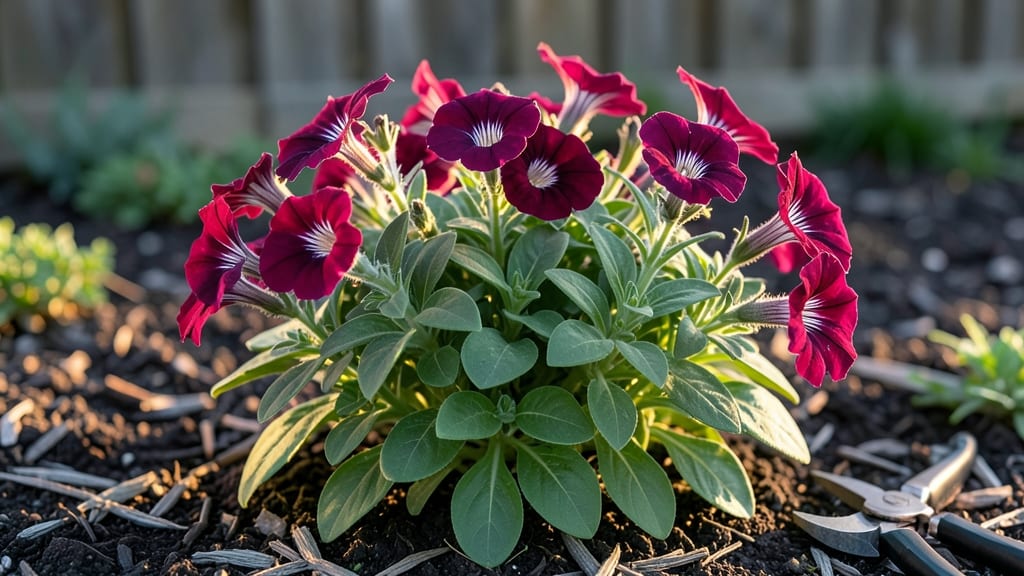
The secret to flowering stock plants that bloom nonstop? Pruning with surgical precision. 🌸 I’ve watched my stock plants go from scraggly stems to lush, fragrant bushes bursting with color—all because I learned when and how to cut.
The difference between a plant that fades after spring and one that thrives all year comes down to timing, technique, and a little patience.
Stock plants need full sun and well-draining soil, but the real magic happens in the pruning. Pinch back leggy stems in early spring to encourage bushier growth, then trim spent blooms regularly to keep flowers coming.
Most gardeners overlook the post-bloom trim—the one that signals the plant to focus on new flowers instead of seed production. I did too, until my plants started looking like overgrown weeds instead of fragrant shrubs.
By summer’s end, you’ll have a plant that’s denser, more vibrant, and covered in blooms. The fragrance alone—sweet, honeyed, and intoxicating—makes the effort worth it. And the best part?
These plants reward you with cut flowers that last for days in a vase. Let’s get those shears sharp and those stems trimmed.
Works for both garden beds and containers, and adapts to different climates with minor adjustments. The key is consistency—prune early, prune often, and watch your stock plants transform into the showstopper of your garden.
📚 In This Guide
- What you need
- Instructions
- Tips and common mistakes
- Wrapping up and next steps
What you need
- ● Flowering Stock Seeds or Plants: Choose from varieties like Matthiola longipetala (common stock) or Matthiola incana (sweet William stock). Opt for 10-20 plants for a vibrant display.
- ● Pro Tip: 🌡️ Start seeds indoors 8-10 weeks before the last frost for early blooms.
- ● Well-Draining Potting Mix: 5-10 gallons of a blend with 50% peat moss or coco coir, 30% perlite or vermiculite, and 20% compost.
- ● Containers or Garden Beds: For containers: 5-7 inch diameter pots with drainage holes (use 1 plant per pot). For garden beds: Ensure full sun exposure (6+ hours/day) and loamy, slightly alkaline soil (pH 6.5-7.5).
- ● Pruning Tools: Bypass pruners (sterilized with rubbing alcohol) for clean cuts.
- ● Hand pruners or sharp scissors for deadheading spent blooms.
- ● Fertilizer: Balanced, water-soluble fertilizer (10-10-10 or 20-20-20) for seedlings. Switch to low-nitrogen, high-phosphorus (5-10-10) once flowering begins.
- ● Watering Can or Hose with Nozzle: Ensure even moisture—bottom-watering is ideal to avoid fungal issues.
- ● Garden Gloves – Protect your hands from thorns or rough stems.
- ● Mulch (Straw or Pine Needles) – Retains moisture and suppresses weeds.
- ● Grow Lights – Extend the growing season indoors (12-16 hours/day).
- ● Slow-Release Granular Fertilizer – Reduces frequent feeding.
- ● Support Stakes or Trellis – Tall varieties (like Matthiola bicornis) may need support.
- ● Plant Labels – Track varieties and pruning schedules.
How to maintain flowering stock plants for continuous blooms
Mastering the art of year-round flowers starts with smart pruning and care.
🌿 Step 1: Identify and Prune Dead or Faded Blooms
Start by examining your stock plants for any flowers that have fully opened and are now wilting. These spent blooms sap energy from new growth. Use clean, sharp pruning shears to snip the stem just above a set of healthy leaves or a leaf node—this is where new buds form. I always make my cuts at a 45-degree angle to prevent water from pooling on the wound, which could rot the stem.
Here's the thing—don't cut too far down. You want to leave at least 2-3 inches of stem below the faded bloom. This ensures the plant retains enough foliage to photosynthesize and support new flower growth. If you're unsure where to cut, look for the small bump where a leaf or side bud emerges—this is your target spot.
✂️ Step 2: Encourage Bushier Growth with Strategic Trimming
After removing dead blooms, it's time to shape your stock plants for fuller, more abundant flowering. Focus on trimming the longest stems first, cutting them back by about one-third of their length. This might seem drastic, but it triggers the plant to produce more side shoots, which will eventually bloom. I like to work my way around the plant, making even cuts to maintain a balanced shape.
Watch for leggy growth—those long, bare stems that stretch toward the light. These are a sign your plant needs more light or has outgrown its current space. If you notice this, trim the leggy stems back to just above a leaf node. You'll see new growth sprout from these nodes within 2-3 weeks, and those will develop into bushier, more productive plants.
☀️ Step 3: Adjust Light and Fertilizer for Nonstop Blooms
Flowering stock plants thrive in full sun to partial shade, ideally 6-8 hours of direct sunlight daily. If your plants start producing fewer blooms, they might need more light. Move them closer to a south-facing window or supplement with a grow light for 12-14 hours a day. You'll know they're getting enough light when the leaves are a vibrant green and the stems are sturdy, not stretching toward the light.
Feed your stock plants every 4-6 weeks with a balanced, water-soluble fertilizer (like 10-10-10) diluted to half strength. This keeps them blooming without encouraging too much leafy growth at the expense of flowers. I always fertilize in the morning so the plants have time to absorb nutrients before the heat of the day. Stop fertilizing once the plant starts going dormant in late fall, and resume in early spring as new growth appears.
💧 Step 4: Water and Monitor for Pests or Disease
Water your stock plants when the top inch of soil feels dry to the touch. Overwatering is a common mistake—it leads to root rot and weak stems that can't support blooms. I like to water deeply but infrequently, ensuring the water reaches the roots without pooling in the saucer. If the soil stays soggy for more than a day, reduce watering and let the top layer dry out more between sessions.
Keep an eye out for pests like aphids or spider mites, which love to feast on new growth and flowers. If you spot them, spray the plants with a neem oil solution (1 tablespoon neem oil per quart of water) or introduce beneficial insects like ladybugs. Early detection is key—once pests take hold, they can weaken your plants and reduce blooming. A quick inspection every time you water helps catch problems before they spread.
Tips & tricks for perfect flowering stock plants
Here's what nobody tells you—that keeps your stock plants blooming like clockwork.
Pruning Precision: When you're cutting back those leggy stems in Step 2, focus on the top third of the plant first. This creates an instant bushier shape while maintaining the plant's natural growth pattern. I've found that making even cuts around the plant—rather than just hacking at one side—helps maintain symmetry. And here's the thing: if you're unsure where to cut, look for the smallest leaf node that's at least 1/4 inch wide—this is where new growth will emerge most reliably.
Lighting Hacks: The 6-8 hours of sunlight mentioned in Step 3 is your baseline, but don't stop there. In winter months when daylight is shorter, supplement with a grow light for those extra 12-14 hours. I place mine about 12 inches above the plants and use a timer to avoid burning the leaves. Pro tip: Rotate your plants quarter-turn daily so they grow evenly toward the light source, not just stretch in one direction.
Fertilizer Timing: That 4-6 week feeding schedule in Step 3 works wonders, but here's the secret: fertilize in the morning after watering. This gives the roots time to absorb nutrients before the heat of the day. I also like to alternate between a balanced fertilizer and one slightly higher in phosphorus (like 5-10-5) during blooming season—it gives that extra push for more flowers. And remember, less is more: if you see yellowing leaves, you're overdoing it.
Pest Prevention: The 1 tablespoon neem oil per quart of water solution in Step 4 is fantastic, but I've found it works even better as a preventive spray. Mix it up and lightly mist your plants every 2 weeks, even when you don't see pests. The oil creates a protective barrier that pests avoid. For stubborn infestations, add a drop of dish soap to the mix—it helps break down the pests' protective coatings. Just be sure to rinse the plants after 24 hours to avoid any residue buildup.
Pro Tips for Flowering Stock Plants
- Here's what nobody tells you—that keeps your stock plants blooming like clockwork.
- Pruning Precision: When you're cutting back those leggy stems in Step 2, focus on the top third of the plant first.
- Lighting Hacks: The 6-8 hours of sunlight mentioned in Step 3 is your baseline, but don't stop there.
Frequently asked questions
Got questions about keeping your flowering stock plants in peak bloom? You’re not alone!
Here are answers to the most common queries—from timing tricks to troubleshooting woes—so you can enjoy vibrant blooms all season long.
When is the best time to prune flowering stock plants for continuous blooms?
Prune your stock plants right after the first flush of flowers fades—usually in early spring or late winter. This encourages new growth and nonstop blooms. Avoid heavy pruning in fall, as it can stunt winter hardiness. For tropical varieties, light trims every 6–8 weeks keep them lush! Pro tip: Use clean, sharp shears to avoid disease.
How often should I fertilize stock plants to maximize flowers?
Feed flowering stock plants every 4–6 weeks during the growing season (spring through fall) with a balanced, water-soluble fertilizer (10-10-10 or 20-20-20). Cut back in winter unless growing indoors. Over-fertilizing can lead to leafy growth over flowers—so follow the label! Bonus: Add compost to soil for slow-release nutrients.
Why aren’t my stock plants blooming, even with full sun and water?
Common culprits: overcrowding (thin plants for airflow), nutrient imbalance (too much nitrogen = leaves, not flowers), or stress (sudden temp drops or drought). Check for pests like aphids, too! Deadhead spent blooms regularly to redirect energy. Try this: A pinch of low-phosphorus fertilizer (like 5-10-5) can boost flowering. →
Can I grow flowering stock plants in containers, and what’s the best setup?
Use well-draining pots (at least 12 inches deep) with a mix of potting soil and perlite. Place containers in full sun (6+ hours daily) and water when the top inch of soil is dry. Dwarf varieties like Matthiola incana thrive in pots, while taller types need staking. Pro move: Add a time-release fertilizer pellet for hassle-free feeding.
Do flowering stock plants need winter care, or can I let them die back?
Hardy annuals (like Matthiola longipetala) often self-seed, but tender varieties need protection. Mulch lightly in mild climates or bring pots indoors (50–60°F). Prune back dead foliage in early spring. If growing perennials, cut stems to 6 inches and cover with straw for insulation. Remember: Some stock plants rebloom from seed—let a few go wild!
Wrapping up and next steps
Growing flowering stock plants year-round is totally within reach—with the right tools, techniques, and a little patience! 🌸 Whether you’re pruning for shape, encouraging new blooms, or troubleshooting common issues, your garden will soon be bursting with vibrant color. Remember, every expert gardener started with a single snip.
Ready to take the next step? Start small: pick one stock variety to master, then expand your collection as you gain confidence. Happy gardening—your blooming oasis awaits! 🌿