
Flowers
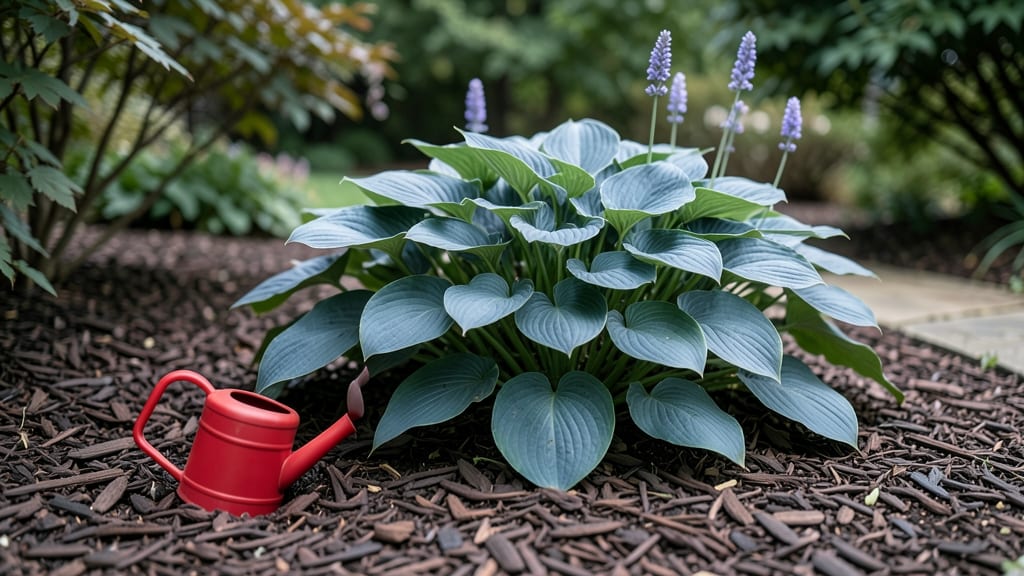
Growing flowers in shady areas isn’t just possible—it’s where some of the most lush, vibrant blooms thrive. 🌿 I’ve transformed my north-facing yard into a riot of color by choosing the right plants and tweaking a few key conditions.
The secret isn’t forcing sunlight where there isn’t any; it’s working with the shade to create a thriving understory that begs to be explored.
Start with shade-loving stars like impatiens, hostas, and ferns—they’ll reward you with bold foliage and delicate blooms without fuss. The soil needs to stay moist but well-draining, so mix in compost and top with 2-3 inches of mulch to lock in moisture and keep roots cool.
A drip irrigation system makes watering effortless, especially in hotter months when shade areas dry out faster than you’d expect.
What you’ll end up with is a garden that feels alive year-round: velvety hosta leaves, clusters of impatiens in every shade of pink and purple, and ferns that sway like tiny tropical forests.
The best part? These plants multiply easily, so you’ll soon have more than you know what to do with. Let’s get those shady spots blooming beautifully.
Whether you’re dealing with deep shade under trees or just a spot that gets 2-4 hours of dappled light, the same principles apply. The key is patience—shade gardens build slowly but become the envy of the neighborhood once established. Ready to turn your dark corners into a floral paradise?
📚 In This Guide
- What you need
- Instructions
- Tips and common mistakes
- Wrapping up and next steps
What you need
- ● Shade-tolerant flower seeds or plants: 1–2 packs of Impatiens (easy to grow, thrives in partial shade)
- ● 1–2 packs of Bleeding Heart (loves dappled sunlight)
- ● 1–2 hosta plants (for foliage + shade-friendly blooms like Hosta ‘Blue Angel’)
- ● 1–2 Hellebores (tough, early bloomers for deep shade)
- ● Well-draining potting mix or garden soil: 5–10 gallons (amend with compost for nutrients)
- ● Containers or garden beds: 1–2 large pots (12–18" diameter) for container gardening
- ● OR a prepped garden bed (6" deep, with mulch)
- ● Slow-release fertilizer: 1–2 cups (10-10-10 NPK ratio for balanced growth)
- ● Watering can or hose with a gentle spray nozzle
- ● Gloves and trowel (for planting and soil prep)
- ● Mulch: 2–3 inches of shredded bark or pine needles (retains moisture)
- ● Shade cloth: 30–50% coverage (if your area gets too little light)
- ● Epsom salt: 1 tbsp (occasional magnesium boost for greenery)
- ● Decorative stones or pebbles: For a polished container garden look
- ● Plant labels: To track varieties (especially if testing multiple flowers!)
Step-by-step guide for thriving shade-loving flowers
Here's how to pick and nurture plants that bloom beautifully with just a few hours of sunlight.
🌱 Step 1: Choose the Right Shade-Tolerant Varieties
Not all shade is equal—some spots get dappled light while others remain deep shadow. For partial shade (3-6 hours of light), try impatiens, ferns, or astilbes. For full shade (less than 3 hours), hostas, bleeding hearts, and hellebores shine. Check your garden's light conditions first: if leaves stay dark green and stems stretch, you need more light-tolerant plants.
I always start with 4 plants (as promised) to create a balanced look. Mix heights—tall hellebores at the back, medium astilbes in the middle, and low-growing ajugas as edging. This creates visual interest while using the same shade-friendly palette. Group plants with similar water needs together to simplify care later.
💧 Step 2: Prepare the Soil for Moisture-Retentive Growth
Shade plants hate dry soil—amend your existing soil with 2-3 inches of compost to improve moisture retention and drainage. I like to work in a 50/50 mix of garden soil and compost for most shade flowers. For clay-heavy soil, add a 1-inch layer of perlite to prevent compaction.
Test your soil's moisture by squeezing a handful—if it crumbles easily, it's too dry. Shade plants prefer soil that stays evenly moist but not soggy. If your area drains poorly, consider raised beds or containers with drainage holes. Mulch with 2-3 inches of shredded bark to keep roots cool and conserve moisture.
☀️ Step 3: Plant with Proper Spacing and Light Considerations
Dig holes twice as wide as the root ball but only as deep as the container's base. This encourages roots to spread horizontally where moisture is more available. Place plants 12-18 inches apart for medium-sized varieties like astilbes, or 6-12 inches apart for smaller flowers like impatiens.
Here's the thing—avoid planting in deep shade under trees unless you choose species like Japanese painted ferns or lungwort. Instead, position your shade garden where it gets morning sun and afternoon shade, which prevents leaf scorch while keeping roots cool. Water immediately after planting to eliminate air pockets.
🌿 Step 4: Water Consistently and Monitor Growth
Shade plants need 1-1.5 inches of water per week, either from rain or supplemental watering. Check soil moisture by sticking your finger 1 inch deep—if it feels dry, water deeply until moisture reaches 6 inches down. Drip irrigation works best to avoid wetting leaves, which can cause fungal issues.
You'll notice new growth within 3-4 weeks if conditions are right. If leaves yellow or stems weaken, you're either overwatering or the spot is too dark. Adjust by moving plants to a slightly sunnier location or reducing water frequency. Fertilize lightly with a balanced 10-10-10 formula in early spring and again after flowering.
✂️ Step 5: Maintain Through the Season
Deadhead spent blooms on annuals like impatiens to encourage continuous flowering throughout the season. For perennials, cut back foliage in late fall to 2-3 inches above ground level—this prevents disease and makes room for fresh growth in spring. I always clean up debris to reduce slug attractants, which love shade gardens.
Divide crowded perennials like hostas every 3-4 years in early spring. This rejuvenates plants and gives you free divisions for expanding your shade garden. If you notice yellowing leaves in summer, it's often normal—shade plants slow down when temperatures rise above 85°F. Provide afternoon shade during heatwaves if possible.
Tips & tricks for perfect shade gardens
Here's what I've learned after years of growing vibrant shade gardens—these tricks make all the difference.
Light Condition Insight: That 3-6 hour partial shade range is actually a sweet spot for most shade flowers. I've found that morning sun (east-facing) plus afternoon shade works best—it gives plants enough light to bloom without overheating. If your spot gets hot afternoon sun, consider adding a sheer fabric shade cloth for the hottest hours. For deep shade under trees, focus on ferns, lungwort, or Japanese painted ferns—they're the toughest survivors.
Soil Preparation Secret: The 2-3 inches of compost isn't just about nutrients—it's about creating the perfect moisture balance. I mix in a handful of worm castings too (optional) for extra microbial activity that helps roots absorb water efficiently. For clay soil, add that 1-inch perlite layer right when you're mixing your soil, not just on top. This prevents compaction that can suffocate roots and cause yellowing leaves.
Planting Technique: When digging those holes twice as wide as the root ball, don't forget to loosen the sides with your fingers—this encourages roots to spread outward where moisture is more available. I also like to add a handful of my soil-compost mix to the bottom of each hole before placing the plant. This creates a nutrient-rich zone right where new roots will form first. For containers, always use pots with drainage holes—even shade plants hate soggy feet.
Watering Watch: Those 1-1.5 inches of water per week might seem like a lot, but shade gardens actually need more frequent watering than sunny ones. I've learned the hard way that letting shade plants dry out completely leads to yellow leaves and poor blooming. Use drip irrigation or soaker hoses to deliver water directly to the roots without wetting foliage—this prevents fungal issues that thrive in damp shade conditions. Water in the morning so leaves dry quickly.
Pro Tips for Flowers In Shady Areas
- Here's what I've learned after years of growing vibrant shade gardens—these tricks make all the difference.
- Light Condition Insight: That 3-6 hour partial shade range is actually a sweet spot for most shade flowers. I've foun...
- Soil Preparation Secret: The 2-3 inches of compost isn't just about nutrients—it's about creating the perfect moistur...
Frequently asked questions
Got questions about bringing vibrant blooms to your shady spots? You’re not alone! Here are answers to the most common queries about growing flowers in low-light areas—so you can turn shadows into showstoppers.
What are the easiest flowers to grow in full shade?
Look for shade-tolerant stars like impatiens, hostas, foxgloves, and bleeding hearts. These beauties thrive with 4+ hours of dappled or indirect light and minimal fuss. For deeper shade (<3 hours of light), try heucheras or astilbes—they’re tough as nails! Pro tip: Test your spot first—some "shade" areas get more light than you think.
Do flowers in shade need special soil?
Yes! Shady spots often have compacted or soggy soil, so amend with organic matter like compost or peat moss to boost drainage and nutrients. A slow-release fertilizer (like 10-10-10) at planting time gives them a nutrient kick. Mulch (2–3 inches) helps retain moisture and keeps roots cool—critical for shade-lovers!
How long does it take for shade flowers to bloom?
Timing varies! Annuals (like impatiens) may bloom in 6–8 weeks after planting, while perennials (e.g., hostas) take 1–2 seasons to mature. Deadhead spent blooms to encourage repeat flowering. Patience pays off—some shade perennials, like foxgloves, reward you with years of blooms once established.
Can I grow flowers in very dark corners (e.g., under trees)?
Opt for deep-shade specialists like ferns, Japanese painted ferns, or Hellebores (Lenten roses). For color, try caladiums or tiarella. Group plants with similar light needs—mixing sun-lovers with shade-dwellers leads to disappointment. Ground covers (e.g., ajuga) also thrive here!
What pests or problems should I watch for in shady flower beds?
Shady areas are humid havens for slugs, snails, and fungal issues like powdery mildew. Prevent slugs with beer traps or copper barriers; improve airflow to deter mildew. Hostas are especially prone to slugs—consider slug-resistant alternatives like coral bells (Heuchera) if pests are rampant.
Can I grow shade flowers in containers?
Yes! Containers are perfect for shade gardens since you control soil quality. Use well-draining potting mix with added compost and a slow-release fertilizer. Choose compact varieties like miniature impatiens or dwarf hostas. Water consistently—containers dry out faster, even in shade. Terracotta pots help wick away excess moisture.
Wrapping up and next steps
Transforming shady spots into vibrant gardens is easier than you think! With the right flowers in shady areas, you can create lush, low-maintenance beauty that thrives even without much sunlight.
Whether you’re a seasoned gardener or just starting out, these plants prove that shade doesn’t mean sacrificing color or charm.
Ready to bring your vision to life? Start by selecting a few of the top shade-loving flowers and experiment with placement—soon, your garden will be a serene, blooming oasis. Happy gardening! 🌿✨