
Flowers
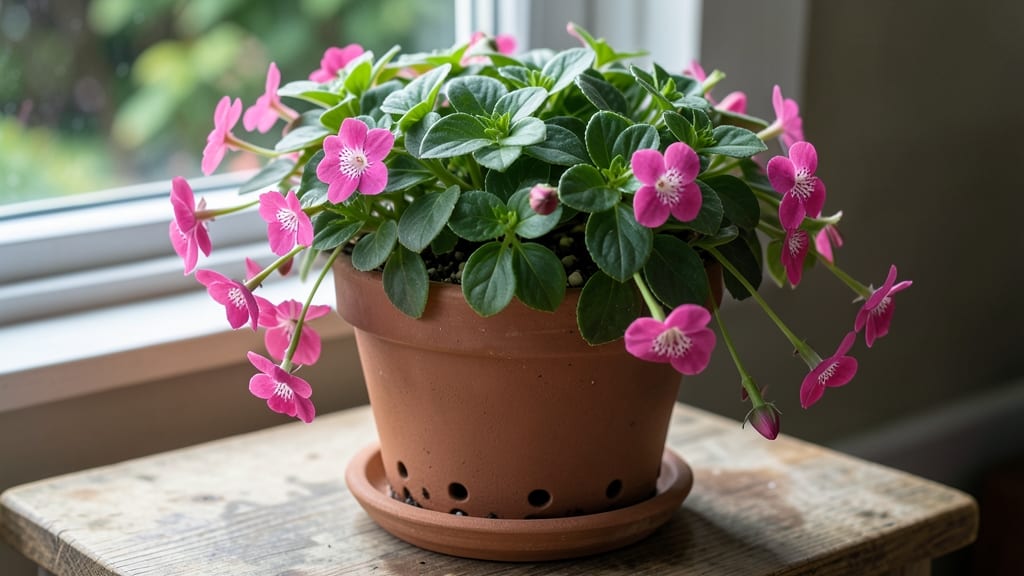
Brighten your shaded patio with flowers that like shade in pots, turning gloomy spots into bursts of color that thrive in low light. I’ve filled my north-facing porch with begonias and impatiens that thrive where others wilt, and the secret lies in choosing the right plants and containers.
The payoff? A garden that blooms when others fail, with minimal fuss and maximum impact.
Start with the right varieties: impatiens for bold color, ferns for delicate texture, and begonias for year-round interest. Pair them with pots that have drainage holes and soil formulated for moisture retention—no soggy roots here.
A 10- to 12-inch pot works for most shade plants, but larger containers help roots stay cool in summer heat. The key is keeping soil consistently moist but never waterlogged.
You’ll end up with a thriving mini-garden that blooms reliably, even under trees or on covered patios. The foliage stays rich and healthy, and the flowers—whether pink impatiens or velvety begonias—pop against the green backdrop.
Plus, container gardening means you can move plants to catch more light if needed, giving you flexibility most in-ground gardens can’t match.
Common pitfalls? Overwatering (let the top inch dry between waterings) and root-bound plants (repot every 2-3 years). But with the right setup, these shade stars will reward you with months of effortless beauty. Ready to bring life to your darkest spots?
📚 In This Guide
- What you need
- Instructions
- Tips and common mistakes
- Wrapping up and next steps
What you need
- ● Containers: 1–3 pots per plant (6–12 inches deep, with drainage holes). Tip: Terracotta or ceramic pots help regulate moisture.
- ● Shade-tolerant flowers: 3–5 plants (e.g., Impatiens, Fuchsia, Hosta, or Caladium). Check spacing needs—most need 6–12 inches apart.
- ● Potting mix: 1–2 bags of well-draining, peat-based mix (or add perlite/vermiculite for aeration). Avoid heavy garden soil!
- ● Drainage: Small pebbles or broken pottery shards (1–2 inches at the pot’s base).
- ● Gloves & trowel (for planting and soil handling).
- ● Watering can (with a rose nozzle for gentle watering).
- ● Fertilizer: Slow-release balanced fertilizer (10-10-10) or organic options like worm castings.
- ● Mulch: 1–2 inches of organic mulch (e.g., shredded bark) to retain moisture.
- ● Self-watering pot (for forgetful gardeners!).
- ● Grow lights (if natural shade is very minimal).
- ● Decorative stones or moss for a polished look.
Step-by-Step guide for growing shade-loving flowers in containers
Shade gardens thrive with the right plants and proper care—here’s how to cultivate vibrant blooms in low-light pots.
Select the Right Containers and Drainage
Choose pots with drainage holes to prevent root rot, which is especially critical for shade plants that rely on consistent moisture. I prefer 10-12 inch containers for single plants or 14-16 inch pots for combinations, as they provide ample root space while maintaining stability. Terra cotta or fiberglass pots work well—they wick away excess moisture, which is crucial for shade-dwellers like impatiens or ferns.
If your pots lack drainage, drill holes yourself or use cache pots (decorative outer pots with a removable inner liner). The liner holds soil while allowing excess water to escape through the outer pot’s base. Place a 1-inch layer of perlite or gravel at the bottom before adding soil to further improve drainage and aeration.
Use Well-Draining, Moisture-Retentive Soil
Shade plants need soil that stays moist but doesn’t stay soggy. Mix 2 parts potting mix with 1 part peat moss or coconut coir and 1 part perlite or vermiculite to create a light, airy blend. I avoid garden soil—it compacts easily and can harbor pathogens. For extra nutrients, add a slow-release fertilizer at planting time, following the package rate for shade-loving plants.
Fill the pot to 1 inch below the rim, leaving room for watering. Press the soil down gently but firmly to eliminate air pockets, which can hinder root growth. A well-prepared soil mix ensures your plants establish strong roots before flowering begins.
Choose and Plant Shade-Tolerant Varieties
Select plants known for thriving in low light, such as impatiens, fuchsias, astilbes, or heucheras. These varieties handle 4-6 hours of indirect light daily without stress. Dig a hole in the soil twice as wide as the root ball but no deeper than the pot’s original depth. Gently remove the plant from its nursery container and loosen any circling roots with your fingers.
Place the plant in the hole, ensuring the top of the root ball sits flush with the soil surface. Fill the remaining space with soil, pressing lightly around the base to eliminate gaps. Water deeply until moisture seeps from the drainage holes—this helps settle the soil and removes air pockets.
Provide Consistent Moisture and Humidity
Shade plants require consistent moisture, so water when the top 1 inch of soil feels dry. I check this by inserting my finger into the soil—if it comes out clean, it’s time to water. Use a gentle spray or watering can to avoid displacing soil or damaging delicate stems. Mulch the soil surface with 1 inch of shredded bark or pine needles to retain moisture and regulate temperature.
In dry indoor environments, mist the foliage occasionally or place a humidity tray (a shallow tray filled with pebbles and water) beneath the pot. This mimics the damp conditions many shade plants prefer. Avoid letting pots sit in standing water, as this can lead to root rot.
Monitor Light and Adjust as Needed
Even shade plants need bright, indirect light to thrive. If leaves appear pale or stems stretch excessively, your plants need more light. Move pots to a sunnier spot or supplement with a grow light for 12-14 hours daily. I use a full-spectrum LED bulb positioned 12-18 inches above the plants to prevent legginess.
Rotate pots quarter-turn weekly to ensure even growth. Watch for signs of stress—yellowing leaves may indicate overwatering, while crispy edges suggest underwatering or low humidity. Adjust care accordingly to keep your shade garden lush and blooming.
Tips & tricks for perfect shade-loving container gardens
Creating a thriving shade garden in pots requires attention to detail—here are the key strategies that make all the difference.
Container Selection Insight: When choosing between terra cotta and fiberglass pots, remember that terra cotta's porous nature works beautifully for shade plants, but it requires more frequent watering. For indoor spaces with low humidity, fiberglass pots help maintain moisture longer. In Step 1, if your decorative pots lack drainage, consider using cache pots—they're a game-changer for maintaining aesthetics while ensuring proper water drainage through the liner system.
Soil Mix Precision: The 2:1:1 soil ratio mentioned in Step 2 is perfect, but here's the secret: pre-moisten your potting mix before combining it with peat moss and perlite. This prevents clumping when you add water later. For extra insurance, I like to sprinkle a handful of worm castings into the mix—they provide gentle, long-lasting nutrients without risking over-fertilization that can burn tender shade plant roots.
Planting Technique: In Step 3, when loosening circling roots, don't be too aggressive—you're not trying to damage them, just encourage outward growth. For container plants, I find that adding a handful of mycorrhizal fungi to the planting hole can significantly boost root development, especially for shade plants that often struggle with compacted soil. This is particularly helpful for ferns and astilbes that benefit from symbiotic relationships.
Light Monitoring: The 4-6 hours of indirect light mentioned is ideal, but here's how to troubleshoot if your plants still look pale: check the light source quality. North-facing windows provide cooler, less intense light than south-facing ones. If your plants are stretching toward the light, they're telling you they need more brightness. The 12-14 hour grow light recommendation in Step 5 works wonders—just position the bulb closer (10-12 inches) for more delicate varieties like impatiens.
Pro Tips for Flowers That Like Shade In Pots
- Creating a thriving shade garden in pots requires attention to detail—here are the key strategies that make all the difference.
- Container Selection Insight: When choosing between terra cotta and fiberglass pots, remember that terra cotta's porous nature works beautifully for shade plants, but it requires more frequent watering.
- Soil Mix Precision: The 2:1:1 soil ratio mentioned in Step 2 is perfect, but here's the secret: pre-moisten your potting mix before combining it with peat moss and perlite.
Frequently asked questions
Got questions about growing shade-loving flowers in pots? You’re not alone! Here are some of the most common concerns—and their easy solutions.
What are the easiest flowers to grow in pots with little sunlight?
Start with impatiens, fuchsias, or begonias—they’re low-maintenance, thrive in partial shade, and bloom beautifully in containers. Lobelia and coleus are also great for beginners, offering vibrant colors with minimal fuss.
How often should I water shade-loving potted flowers?
Check soil moisture weekly—shady pots dry out slower, but overwatering is a risk. Water when the top inch feels dry, and ensure pots have drainage holes. Pro tip: Use a moisture meter or stick your finger in the soil to test!
Can I keep these flowers in pots year-round, or do they need winter care?
Most shade-loving annuals (like impatiens) die in frost, but perennials like heuchera or hostas can overwinter in pots if moved to a sheltered spot. For annuals, replace them in spring. Pro tip: Mulch pots in fall to protect roots!
What if my shade flowers aren’t blooming? How can I fix it?
Check light first—some "shade" plants need bright indirect light (not deep darkness). Deadhead spent blooms, fertilize lightly with a balanced formula, and ensure pots aren’t root-bound. Troubleshoot: Move the pot to a sunnier spot for a few hours daily if possible.
Are there any shade-tolerant flowers that also repel pests naturally?
Yes! Lantana (in partial shade) deters mosquitoes, while marigolds (even in dappled light) repel aphids and nematodes. Sweet alyssum also attracts beneficial insects. Pair these with your shade stars for a pest-free pot!
Wrapping up and next steps
Transforming your shady spots into a vibrant oasis is easier than you think! With the right flowers that thrive in pots and low light, you can add life and color to even the darkest corners of your garden.
Whether you’re drawn to heucheras, impatiens, or hostas, these plants prove that shade doesn’t mean sacrificing beauty.
Now that you’re armed with the perfect varieties, potting tips, and answers to common questions, it’s time to roll up your sleeves and plant! Start small—pick one or two favorites, grab your pots, and let your green thumb shine. Happy gardening! 🌿✨