
Flowers
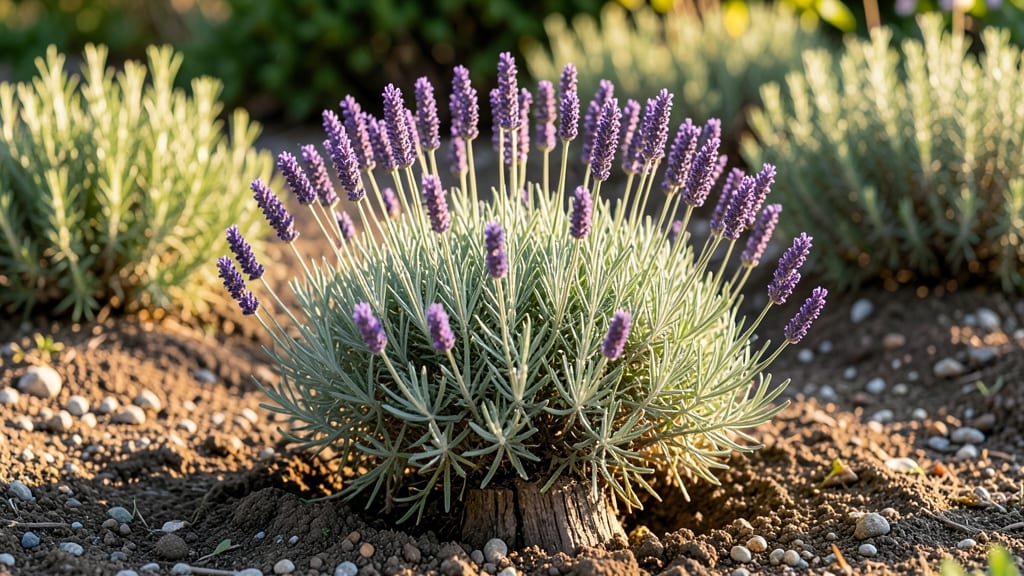
Growing fresh lavender flowers from seed to harvest in just three months feels like unlocking a secret garden treasure. 🌿 The key starts with the right soil—lavender thrives in well-draining, slightly alkaline mixes, and I’ve found that adding coarse sand or perlite prevents the roots from sitting in soggy soil.
My first attempt failed when I ignored this, and the plants wilted within weeks, but once I adjusted, the difference was night and day.
The real magic happens when you mimic lavender’s Mediterranean home: full sun, minimal water, and a dry spell after planting. Most gardeners overwater, thinking lavender needs constant moisture, but it’s the opposite—too much water causes root rot and stunted growth.
I now use a drip system on a timer for just 10 minutes every other day, and my plants reward me with those signature purple spikes by early summer.
By harvest time, you’ll have fragrant stems perfect for sachets, cooking, or fresh bouquets. The flowers stay vibrant when cut in the morning, and the scent lingers for weeks if dried properly.
Pruning after blooming keeps your plants bushy and encourages next year’s growth—just snip back about a third of the stems, and you’ll see new shoots within a month.
This method works for both in-ground plantings and containers, making it perfect for small spaces or urban balconies. The only real challenge is patience—lavender grows slowly at first, but once established, it’s a low-maintenance superstar. Ready to turn your garden into a fragrant retreat?
📚 In This Guide
- What you need
- Instructions
- Tips and common mistakes
- Wrapping up and next steps
What you need
- ● Lavender plants: 3–5 healthy Lavandula starts (choose varieties like English (Munstead), French (Grosso), or Spanish (Papillon) for best results).
- ● Well-draining soil: 5–10 lbs of cactus/succulent mix or a blend of 60% potting soil + 40% perlite/pumice (critical for preventing root rot!).
- ○ Containers (optional but recommended): 1–2 gallon pots per plant with drainage holes (terracotta or fabric grow bags work best).
- ● Sunlight: A full-sun spot (6+ hours/day)—lavender thrives in bright, direct light!
- ● Watering can or hose: With a fine rose attachment to avoid disturbing soil.
- ● Pruning shears: Sharp, clean pair for trimming (sterilize with rubbing alcohol).
- ○ Garden gloves: Optional but helpful for handling prickly stems.
- ● Slow-release fertilizer: 1 tbsp of low-nitrogen (5-10-10) fertilizer per plant (apply sparingly—lavender hates rich soil!).
- ○ Mulch (optional): 1–2 inches of gravel or coarse sand around the base to improve drainage.
- ○ pH test kit (optional): To confirm soil pH is between 6.5–7.5 (lavender prefers slightly alkaline soil).
Step-by-Step instructions for cultivating fragrant lavender plants
Here's how I grow vibrant lavender with minimal fuss—just follow these simple steps.
🌱 Step 1: Choose the Right Location and Prepare Soil
Lavender thrives in full sun—at least 6-8 hours daily. A south-facing spot with well-draining soil is ideal. If your soil feels heavy or clay-like, mix in 2-3 inches of coarse sand or perlite to improve drainage. Lavender hates soggy roots, so avoid low-lying areas where water pools.
I like to test drainage by digging a 6-inch hole, filling it with water, and waiting to see how quickly it drains. If it takes more than 30 minutes, amend the soil further. The perfect spot feels dry and airy, almost like a sandy beach.
🪴 Step 2: Plant Lavender at the Correct Depth and Spacing
Dig a hole twice as wide as the root ball but only as deep as the container it came in. Lavender roots are shallow, so planting too deep suffocates them. Space plants 18-24 inches apart—this gives them room to grow without competing for nutrients.
Gently remove the plant from its container and tease the roots if they’re circling. Place it in the hole so the top of the root ball sits just below soil level. Backfill with soil, pressing lightly to eliminate air pockets. Water deeply right after planting to settle the soil.
☀️ Step 3: Water Sparingly and Maintain Dry Conditions
Water lavender only when the top 2 inches of soil feel completely dry. Overwatering is the fastest way to kill it—think of lavender as a drought-loving Mediterranean plant. A good rule is to water once every 7-10 days in summer, less in winter.
I use a soaker hose or drip irrigation to deliver water slowly at the base, avoiding wet foliage. If leaves turn yellow or stems soften, you’re overwatering. Lavender should look slightly wilted in the afternoon—that’s normal and healthy.
✂️ Step 4: Prune to Encourage Bushy Growth and Blooms
Prune lavender right after flowering (late spring or early summer) to shape the plant and promote next year’s blooms. Use clean, sharp shears to cut back one-third of the current year’s growth. Avoid cutting into old wood—the woody stems won’t regrow.
For a fuller look, trim the outer stems to encourage branching. Deadhead spent flowers regularly during the blooming season to redirect energy into new growth. Never prune in fall or winter—lavender needs its foliage to protect it from cold.
⏰ Step 5: Protect and Enjoy Your Fragrant Lavender
Lavender is hardy but benefits from a light mulch (like 1 inch of gravel) around the base to keep roots cool in summer. In winter, a thin layer of straw helps insulate the crown if temperatures drop below 10°F. Avoid heavy mulch—it traps moisture and invites rot.
Harvest flowers in the morning on a dry day by cutting stems just above a set of leaves. Bundle and hang them upside down in a dry, dark place for 2-3 weeks to dry. You’ll know they’re ready when stems snap easily. Enjoy your purple perfume spires!
Tips & tricks for perfect lavender cultivation
Here's what nobody tells you about growing lavender that'll make all the difference in your garden.
Sunlight Secret: Those 6-8 hours of daily sun aren't just a suggestion—they're non-negotiable for vibrant lavender. I've learned the hard way that even partial shade can turn your purple spires into sad, spindly stems. If your yard doesn't get full sun, consider containers that you can move to sunnier spots during the day. South-facing windowsills work surprisingly well for patio pots!
Drainage Test: That 30-minute drainage test is your best friend. I've seen lavender plants die from soggy roots even when they seemed healthy. If water pools after 30 minutes, mix in more sand or perlite—think of lavender roots as desert plants that can't handle moisture. A good rule of thumb is to mimic the dry, rocky soil of the Mediterranean where lavender originates.
Pruning Precision: When you're cutting back that one-third of growth in Step 4, focus on the new wood—not the old, woody stems. I used to trim too aggressively and ended up with bare branches. The key is to shape while preserving the plant's structure. For a fuller look, trim the outer stems first, then work your way inward. This encourages branching that'll give you that lush, bushy appearance.
Harvesting Hack: Morning is the absolute best time to harvest lavender flowers—before the heat of the day causes them to wilt. I bundle them with rubber bands and hang upside down in a dark, dry place (like a closet) for those 2-3 weeks. The stems should snap easily when ready—if they bend instead, they need more drying time. This method preserves their fragrance and color beautifully.
Pro Tips for Fresh Lavender Flowers
- Here's what nobody tells you about growing lavender that'll make all the difference in your garden.
- Sunlight Secret: Those 6-8 hours of daily sun aren't just a suggestion—they're non-negotiable for vibrant lavender.
- Drainage Test: That 30-minute drainage test is your best friend.
Frequently asked questions
Got questions about growing fresh lavender flowers?
You’re not alone! Here are answers to the most common queries—from planting to harvest—so you can cultivate those fragrant purple spires with confidence.
When is the best time to plant lavender?
Plant lavender in early spring or late fall for ideal results. This timing lets roots establish before extreme heat or cold. Avoid summer planting—lavender hates soggy soil and struggles in high humidity. If you’re in a mild climate, late winter (before buds form) is also a great window!
How long does it take for lavender to grow from seeds?
Patience is key! Lavender grown from seeds takes 2–3 years to mature and bloom, while cuttings or nursery plants may flower in just 1–2 years. For faster results, opt for young plants (1–2 feet tall) from a reputable grower. Pro tip: Start seeds indoors 8–10 weeks before your last frost date to jumpstart growth.
Why is my lavender turning brown or dying?
Brown, crispy lavender is usually a sign of overwatering, poor drainage, or fungal issues. Lavender thrives on drought-like conditions—water deeply but infrequently (every 2–3 weeks once established). Ensure your soil is well-draining (mix in sand or gravel) and avoid wet foliage. If spots appear, prune affected areas and treat with neem oil.
Can I grow lavender in pots or containers?
Lavender loves containers—just use pots with drainage holes (at least 12 inches deep) and fill with a fast-draining mix (cactus/succulent soil + perlite). Choose compact varieties like Lavandula angustifolia ‘Hidcote’ for smaller spaces. Place pots in full sun and water sparingly. Rotate pots occasionally for even growth.
How do I harvest lavender for the best scent and longevity?
Harvest lavender when 1/3 of the buds are open (usually mid-to-late summer). Cut stems in the morning, trim just above a leaf node, and bundle them upside-down to dry in a dark, airy space for 2–3 weeks. For fresh bouquets, pick stems early and change water daily. Never harvest more than 1/3 of the plant at once to encourage regrowth.
Is lavender deer- or rabbit-resistant?
While lavender is deterrent to many pests, deer and rabbits may still nibble—especially in drought conditions. Plant lavender near rosemary, thyme, or boxwood to create a protective barrier. For extra defense, wrap young plants in chicken wire or use repellent sprays (like garlic-based options).
Wrapping up and next steps
Growing fresh lavender flowers is a rewarding journey that brings beauty, fragrance, and even practical uses into your life! With the right location, soil, and care, you’ll enjoy vibrant purple spires in just three months—perfect for gardens, sachets, or culinary touches.
Whether you’re a beginner or seasoned gardener, lavender thrives with patience and a little love.
Ready to dive in? Start by gathering your supplies and choosing the perfect spot in your garden. Then, follow the steps to nurture your lavender plants into flourishing, fragrant masterpieces. Happy growing! 🌿✨