
Landscaping
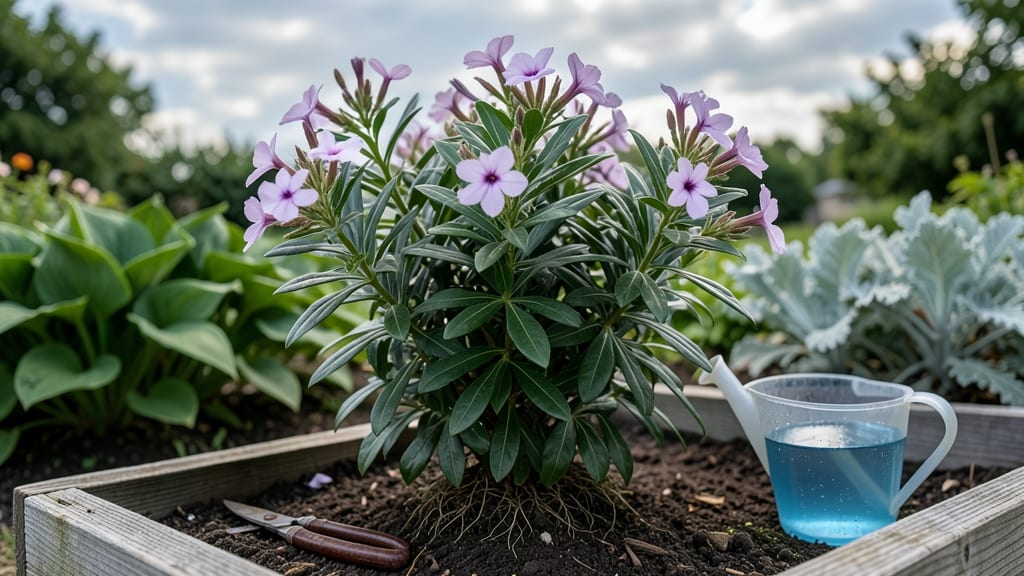
A front yard vinca flower bed turns your curb appeal into a lush, heat-beating green carpet that needs almost no water once established. 🌿 I used to dread summer gardening—until vinca changed everything with its thick, glossy leaves that stay vibrant even when temperatures hit 95°F. The secret lies in its drought tolerance and adaptability, making it perfect for low-maintenance yet stunning landscapes.
Start with Vinca minor for ground cover or Vinca major for taller borders—both thrive in full sun to partial shade. Pair them with lavender, sedum, or ornamental grasses for texture, or keep it simple with a monochromatic green scheme.
Spacing plants 12-18 inches apart ensures they fill in quickly, creating that coveted "lawn alternative" look without the mowing.
By late spring, you’ll have a dense, weed-blocking mat that stays green all summer. The best part? Vinca spreads naturally, reducing gaps over time. It handles foot traffic too, making it ideal for high-visibility front yard spots. Just trim back leggy stems in early spring to keep it tidy.
Works in formal gardens, cottage-style beds, or modern minimalist designs—just adjust companion plants to match your style. Whether you want a neat, clipped look or a wild, natural spread, vinca delivers effortless beauty with almost zero fuss.
📚 In This Guide
- What you need
- Instructions
- Tips and common mistakes
- Wrapping up and next steps
What you need
- ● Vinca (Catharanthus roseus) plants: 12–24 plants (depending on bed size; spacing ~12–18 inches apart). Choose varieties like 'Pacifica Series' for vibrant colors.
- ● Well-draining soil: 1–2 cubic yards (for a 4’x4’ bed). Amend with compost (1 part compost to 3 parts native soil) for fertility.
- ● Mulch: 2–3 bags of pine bark or gravel (1–2 inches deep) to retain moisture and suppress weeds.
- ● Organic fertilizer: 10–10–10 or slow-release granules (follow package rates for application).
- ● Garden shovel or spade
- ● Garden trowel (for transplanting)
- ● Wheelbarrow (for soil/mulch transport)
- ● Rake (for leveling soil)
- ● Garden hose with spray nozzle (for watering)
- ○ Optional: Edging tool (to define bed borders), knee pads (for comfort), and gloves (for protection).
- ● Full sun exposure (6+ hours/day) for optimal growth.
- ● Well-draining soil (test for clay-heavy areas; amend if needed).
- ● Access to water (vinca thrives on deep but infrequent watering—aim for 1 inch per week).
- ● Pro tip: 💡 Plant in spring or early fall to avoid heat stress during transplanting!
How to create a low-maintenance vinca flower bed that stays lush in summer heat
This is the method I’ve used for years to create a vibrant, drought-resistant vinca bed that stays green all season long.
🪴 Step 1: Choose the Perfect Location and Clear the Space
Vinca thrives in full sun—at least 6-8 hours daily—so pick a spot where it gets morning light and afternoon warmth. Avoid areas where lawnmowers or foot traffic will disturb the plants once established. Clear away grass, weeds, and debris down to about 4 inches deep. A sharp spade works best for this—it keeps the soil clean and prevents buried grass from competing with your vinca.
Here’s the thing—vinca roots spread aggressively, so mark your bed’s edges with landscape paint or a string line. This prevents the plants from creeping into lawn areas where they’ll be mowed down. I like to sketch a rough outline first to visualize how the finished bed will look.
🌱 Step 2: Amend the Soil for Drought Resistance
Vinca tolerates poor soil, but it grows best in well-draining, slightly sandy loam. Work in 2-3 inches of compost (not manure—it can burn tender roots) and a 5-10-5 fertilizer at a rate of 1 pound per 100 square feet. This ensures the plants have enough nutrients to establish quickly but won’t get overwhelmed by excess moisture.
Don’t skip the soil test if your yard is heavy clay or sandy. Vinca in clay stays soggy and rots; in pure sand, it dries out too fast. A simple at-home test kit tells you exactly what to adjust. I’ve seen vinca beds fail because the soil was too compacted—take your time breaking up clumps with a garden fork.
☀️ Step 3: Plant Vinca in a Staggered Pattern
Space vinca plants 12-18 inches apart—closer for a denser look, wider if you want gaps for other ground covers later. Dig holes just deep enough to cover the roots but no deeper; burying too much can cause rot. I like to plant in a staggered grid (like bricks) so the foliage fills in evenly without gaps.
Water each plant deeply after planting—about 1 gallon per plant—to settle the soil around the roots. The first few weeks are critical; keep the soil evenly moist (not soggy) until you see new growth. Real talk: Overwatering now is worse than underwatering. Vinca’s native to the Mediterranean, so it’s used to dry spells.
✂️ Step 4: Mulch and Protect for the First Season
Spread 2-3 inches of shredded bark or pine straw mulch over the bed, leaving a 1-inch gap around stems to prevent rot. Mulch keeps roots cool in summer and retains moisture without smothering the plants. I use dark brown mulch—it absorbs heat, which actually helps vinca in cooler climates.
Watch for weeds in the first month—they’ll compete with young vinca. A quick hand-pulling session every 7-10 days keeps things under control. Once the vinca fills in, weeds won’t be an issue. Here’s where it gets fun: By late summer, the vinca will spread enough to crowd out most weeds on its own.
💧 Step 5: Maintain with Minimal Effort
After the first season, vinca needs almost no care. Water deeply once a week in summer (or when the top 2 inches of soil feel dry), and fertilize lightly in spring with a slow-release 10-10-10 at half the recommended rate. Too much nitrogen makes vinca leggy and weak.
Deadhead spent blooms in early summer to encourage more flowers, but don’t worry if you skip this—vinca is forgiving. By winter, the foliage may yellow, but it’ll bounce back in spring with minimal trimming. I’ve seen vinca beds last 10+ years with zero replanting—just occasional division if they spread too far.
Tips & tricks for perfect vinca flower beds
Common pitfalls—and how to sidestep every one when creating your front yard vinca bed.
Sunlight Strategy: The 6-8 hours of daily sunlight requirement is non-negotiable for vibrant vinca. If your yard only gets partial sun, consider planting vinca in containers where you can move them to sunnier spots during peak afternoon hours. I've seen vinca in shady spots turn pale and leggy—it's not worth the risk. For maximum impact, position your bed where it gets morning sun and afternoon warmth, which helps prevent heat stress during summer's peak.
Soil Preparation Secret: That 2-3 inches of compost isn't just about nutrients—it's about creating the perfect air-to-water ratio in the soil. I recommend mixing in perlite or coarse sand if your native soil is particularly dense. This creates tiny air pockets that prevent waterlogging while still holding enough moisture for those first critical weeks. Think of it as giving your vinca roots a breathable foundation rather than planting them in concrete.
Planting Pattern Payoff: The staggered grid planting method might seem fussy, but it's what transforms a scattered look into a polished green carpet. Start by placing your first plant in one corner, then measure 12-18 inches diagonally for the next plant. This creates a natural, flowing pattern that's both aesthetically pleasing and functional. Pro tip: Use a garden hose to mark your spacing lines before planting—it's a game-changer for visualizing the layout.
Mulch Selection Matters: While any mulch works, dark brown options like shredded bark actually help vinca in cooler climates by absorbing and retaining heat near the roots. If you're in a particularly hot climate, consider using a lighter mulch to reflect some sunlight. And remember that 1-inch gap around stems? It's crucial—too much mulch touching the plant can cause rot, especially in humid summers.
Pro Tips for Front Yard Vinca Flower Bed
- Common pitfalls—and how to sidestep every one when creating your front yard vinca bed.
- Sunlight Strategy: The 6-8 hours of daily sunlight requirement is non-negotiable for vibrant vinca.
- Soil Preparation Secret: That 2-3 inches of compost isn't just about nutrients—it's about creating the perfect air-to-water ratio in the soil.
Frequently asked questions
Got questions about creating or maintaining a stunning front yard vinca flower bed? You’re not alone! Here are answers to the most common queries—from planting tips to troubleshooting—so your drought-proof green carpet stays vibrant all season.
How soon after planting vinca will I see flowers?
Vinca (like Vinca minor or Catharanthus roseus) typically blooms within 6–10 weeks after planting, depending on conditions. For faster results, opt for established plants (not seeds) and ensure they get full sun (6+ hours/day) and well-draining soil. Pro tip: Deadhead spent blooms to encourage nonstop color!
Can vinca survive winter in cold climates?
Most vinca varieties are tender perennials and die back in frost (below 20°F/-7°C). In colder zones (USDA 7 and below), treat them as annuals or dig up and replant yearly. For year-round greenery, pair vinca with hardy ground covers like creeping thyme or sedum. Bonus: Mulch in fall to protect roots!
Why is my vinca turning yellow or crispy?
Yellowing leaves often signal overwatering or poor drainage, while crispy edges = underwatering or heat stress. Vinca thrives on drought tolerance—water deeply 1–2x/week (less in winter) and ensure soil drains well. Check for pests (like aphids) too! Fix it: Trim damaged foliage and adjust watering.
What are the best vinca alternatives for full sun?
If vinca isn’t your style, try these drought-tolerant, sun-loving alternatives:
- Sedum (Stonecrop): Succulent-like, with bold colors and zero fuss.
- Lantana: Bright clusters that attract butterflies (great for pollinators!).
- Ice Plant (Delosperma): Vibrant blooms and a trailing habit.
- Russian Sage: Silvery foliage with lavender spikes (deer-resistant!).
How long does it take for vinca to fill in a flower bed?
Vinca spreads slowly but steadily. Expect 60–90% coverage in 2–3 years from seeds, but plug plants fill gaps faster (80% coverage in 1 year). For instant impact, space vinca 12–18 inches apart and fill gaps with annuals (like petunias) until established. Patience pays off!
Wrapping up and next steps
Transforming your front yard with a vinca flower bed isn’t just about curb appeal—it’s about creating a low-maintenance, drought-resistant oasis that thrives even in the hottest summers. 🌿 From choosing the right soil to mastering pruning techniques, every step you take brings you closer to a lush, green carpet that’s as resilient as it is beautiful.
Now that you’re armed with the how-to and answers to common questions, it’s time to roll up your sleeves and get planting! Start small—whether it’s a single border or a full yard transformation—and watch your vinca bed become the envy of the neighborhood. Happy gardening! 🌸