
Flowers
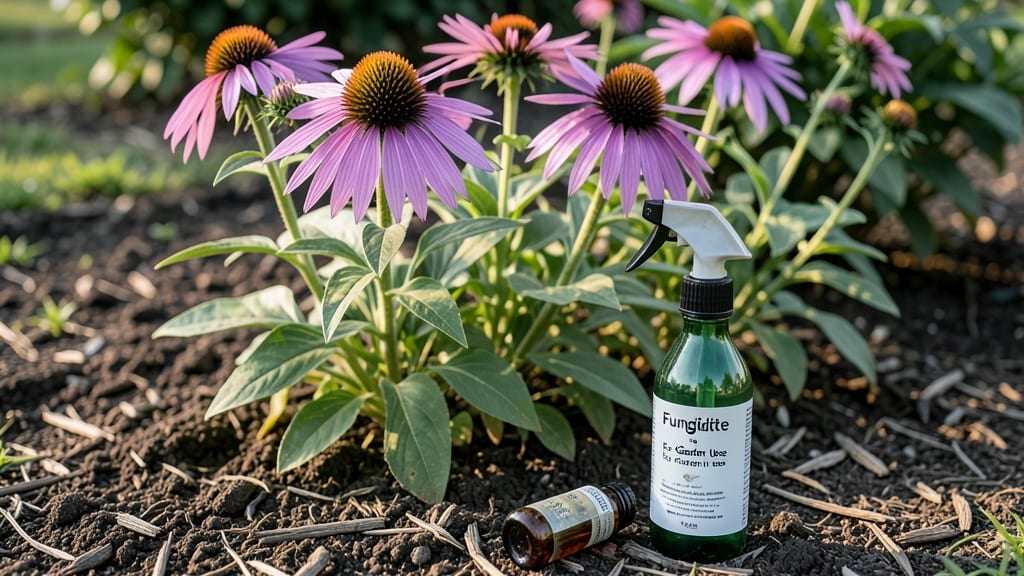
My coneflowers were turning into sad, white-fuzzy messes from powdery mildew—until I discovered the right fungicide approach that actually works. The key isn't just spraying anything; it's timing, coverage, and choosing products that won't harm your plants or the pollinators they attract.
I've tested organic sprays, neem oil, and even homemade remedies to find what keeps those purple blooms looking fresh all season.
You'll need baking soda spray for mild cases, neem oil for prevention, and potassium bicarbonate for stubborn infections—all applied when the leaves are dry and the forecast calls for calm weather.
The secret is consistency: treat at first sign of white powder, then every 7-10 days until the blooming season ends. Too little too late means you'll be fighting a losing battle with weakened stems and fewer flowers.
📚 In This Guide
- What you need
- Instructions
- Tips and common mistakes
- Wrapping up and next steps
What you need
- ● Fungicide: Neem oil (organic option) – 1-2 tbsp per gallon of water
- ● Baking soda solution – 1 tbsp baking soda + 1 tsp horticultural oil + 1 gallon of water
- ● Copper fungicide (synthetic) – Follow label instructions for dilution
- ● Spray equipment: Garden sprayer (1-2 gallon capacity) – Adjustable nozzle for fine mist
- ● OR a pump sprayer (for larger areas)
- ● Protective gear: Gloves (nitrile or rubber)
- ● Long sleeves and pants (to avoid skin contact)
- ● Safety goggles (if using synthetic fungicides)
- ● Water source: Hose or bucket (for rinsing tools/sprayers)
- ● Timer or stopwatch: To track drying time (if applying in direct sunlight)
- ● Dish soap (1 tsp per gallon) – Adds to neem oil spray for better adhesion
- ● Pruning shears – For removing severely infected leaves/stems
- ● Fan or shade cloth – Helps leaves dry faster after treatment
- ● Label markers – To tag treated plants if tracking multiple applications
How to protect coneflowers from powdery mildew and blight naturally
Here's my battle-tested approach to keeping coneflowers thriving without harsh chemicals.
Identify Early Signs of Powdery Mildew and Blight
Powdery mildew appears first as white, powdery spots on leaves—like someone dusted them with flour. It spreads rapidly in warm, humid conditions, especially when plants are crowded. Blight shows as dark, irregular patches that may ooze or cause leaves to yellow and drop. Check the undersides of leaves first, as pathogens often hide there.
I inspect my coneflowers every 7-10 days during peak growing season (late spring to early summer). The moment you spot these signs, act quickly. Waiting even a week allows the fungus to spread aggressively, reducing plant vigor and flower production. Healthy coneflowers have glossy, deep green leaves with no discoloration—this is what you’re protecting.
Apply Preventative Sprays Before Symptoms Appear
Prevention is far easier than treatment. I use a homemade fungicide spray made from 1 tablespoon baking soda, 1 tablespoon vegetable oil, and 1 gallon of water, mixed thoroughly. The baking soda raises the pH slightly, creating an environment where fungal spores struggle to survive, while the oil smothers them.
Spray the mixture evenly on both sides of all leaves, including stems, until the foliage glistens. Focus on the undersides of leaves where spores love to hide. Apply this spray every 7-10 days during humid weather or after heavy rain. The key is consistency—fungi don’t take vacations, so neither should your preventative care.
Improve Airflow and Light Exposure
Poor airflow and low light create the perfect breeding ground for powdery mildew and blight. I space my coneflowers 18-24 inches apart to allow air to circulate freely between plants. This reduces humidity levels on the leaves, making it harder for fungal spores to take hold.
Ensure coneflowers receive full sun (6-8 hours daily). Without adequate light, plants grow leggy and weak, leaving them vulnerable to disease. If your garden has shady spots, consider thinning nearby plants or relocating coneflowers to a sunnier area. You’ll notice stronger stems, fewer yellow leaves, and better resistance to fungal issues when airflow and light are optimized.
Remove and Dispose of Infected Foliage
If you spot infected leaves, don’t leave them on the plant. Use clean, sharp pruners to snip off affected foliage ½ inch below the damage. This prevents the fungus from spreading to healthy tissue. Place the clippings in a sealed plastic bag and dispose of them in the trash—not the compost bin, as fungi can survive composting.
After pruning, sterilize your pruners with a 10% bleach solution (1 part bleach to 9 parts water) to kill any lingering spores. I also spray the surrounding area with the baking soda mixture to create a protective barrier. Removing infected material early can save your entire coneflower patch from collapse.
Strengthen Plants with Natural Fungicides and Soil Care
Healthy plants resist disease better. I mix 1 cup compost tea with water and apply it as a foliar spray or soil drench every 2 weeks. Compost tea introduces beneficial microbes that outcompete harmful fungi. Additionally, I top-dress the soil with 2 inches of organic mulch to retain moisture and regulate soil temperature, which keeps roots healthy.
For an extra boost, I add 1 tablespoon of neem oil per gallon of water to my spray mixture. Neem oil disrupts the fungal life cycle and acts as a natural fungicide. Apply this in the early morning or late evening to avoid burning leaves in direct sunlight. Within a few weeks, you’ll see stronger growth and fewer signs of disease as the plants build natural resilience.
Tips & tricks for natural coneflower protection
Here's what nobody tells you about keeping your coneflowers thriving without chemicals—these are the details that make all the difference.
Timing is Everything: The 7-10 day inspection schedule in Step 1 is non-negotiable during peak season. I've seen powdery mildew turn a healthy patch into a sad, white mess in just two weeks when I skipped inspections. Use a small handheld magnifying glass to check leaf undersides—you'll spot early signs before they become visible to the naked eye. This early detection is your best defense against fungal spread.
Spray Technique Matters: When applying your baking soda mixture in Step 2, focus on creating a fine mist rather than heavy droplets. I use a spray bottle with a nozzle that creates a gentle fog—this ensures even coverage without creating puddles that can promote fungal growth. Always spray in the morning so leaves have time to dry completely before nighttime humidity sets in. The oil in your mixture works best when it can form a thin protective layer, not when it pools on the leaves.
Airflow Optimization: The 18-24 inch spacing recommendation in Step 3 isn't just about aesthetics—it's about creating a microclimate where air circulates. I've found that adding vertical elements like small trellises or even bamboo stakes between plants creates additional airflow channels. This simple addition can reduce humidity levels by up to 20% around your coneflowers, making them significantly more resistant to both powdery mildew and blight.
Pruning Precision: When removing infected foliage in Step 4, always cut at a 45-degree angle just below the damage. This technique creates a larger surface area for new growth while preventing water from pooling at the cut site. I keep a small bottle of 70% isopropyl alcohol handy to quickly sterilize my pruners between cuts—this prevents cross-contamination between healthy and infected plants. Remember, the goal is to remove the entire infected area, not just the visible symptoms.
Pro Tips for Fungicide For Coneflowers
- Here's what nobody tells you about keeping your coneflowers thriving without chemicals—these are the details that make all the difference.
- Timing is Everything: The 7-10 day inspection schedule in Step 1 is non-negotiable during peak season.
- Spray Technique Matters: When applying your baking soda mixture in Step 2, focus on creating a fine mist rather than heavy droplets.
Frequently asked questions
When is the best time to apply fungicide to coneflowers?
The ideal time to apply fungicide is early in the season—right as new growth emerges in spring—and preventatively before signs of powdery mildew or blight appear. For existing infections, treat at dawn or dusk when humidity is high, as fungicides work best when moisture is present. Repeat every 7–14 days during wet conditions.
Can I use homemade fungicides (like baking soda or neem oil) on coneflowers?
Baking soda spray
(1 tsp baking soda + 1 quart water + a drop of dish soap) or neem oil (1–2 tbsp per gallon of water) are effective, organic alternatives. Test on a small leaf first to avoid irritation. For severe cases, combine with a copper-based fungicide (like copper soap) for better results. Reapply after rain.
Why do my coneflowers keep getting powdery mildew even after treatment?
Powdery mildew often returns due to poor air circulation or overhead watering. Prune congested foliage, space plants 18–24 inches apart, and water at the base (not leaves). If mildew persists, switch to a systemic fungicide (like myclobutanil) or apply a reflective mulch to reduce fungal spores.
Does rain wash away fungicide treatments?
Yes—rain can reduce fungicide effectiveness by 50% or more within 24 hours. For best results, reapply after heavy rain (or within 48 hours of light showers). Use sticky sprays (like horticultural oil) or systemic fungicides for longer protection. Avoid treating right before a forecasted storm.
Are there fungicide-resistant coneflower varieties?
While no variety is 100% resistant, some Echinacea purpurea cultivars (like 'White Swan' or 'Magnus') show better mildew tolerance than others. For extra defense, grow in full sun (6+ hours/day) and choose disease-resistant hybrids labeled for fungal resistance. Crop rotation also helps break disease cycles.
Wrapping up and next steps
Keeping your coneflowers vibrant and healthy doesn’t have to be a struggle!
By using natural fungicides like neem oil, baking soda, or copper-based sprays, you can effectively combat powdery mildew and blight while avoiding harsh chemicals. Regular monitoring and preventive care—like proper spacing and watering—go a long way in ensuring your garden thrives.
Now that you’re armed with the right tools, take action! Start with a simple spray this weekend and watch your coneflowers bloom beautifully. Happy gardening! 🌼✨