
Flowers
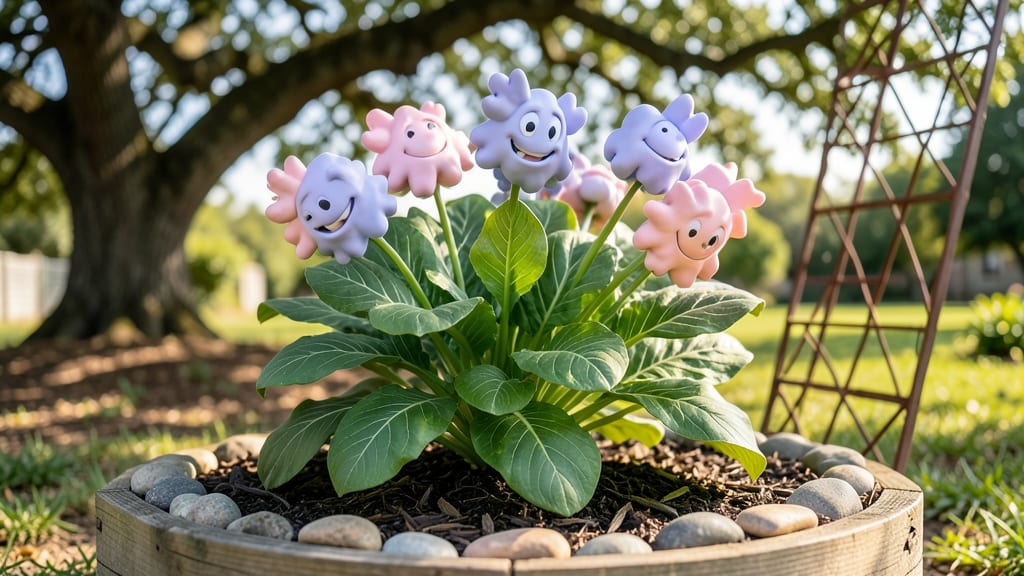
These funny looking flowers in my garden aren’t just plants—they’re conversation starters. 🌿 The Dinosaur Plant with its frilled, prehistoric leaves or the Ugly Cactus that looks like it belongs in a Dr. Seuss book prove that gardens don’t have to be prim. and proper.
These quirky blooms turn ordinary spaces into whimsical wonderlands, where every visitor pauses to laugh (then take a photo).
What makes them work isn’t just their looks—it’s how they play together. Pair the Elephant’s Ear with delicate impatiens for a jungle-meets-cottage vibe, or let the Black Bat Flower’s dramatic silhouette anchor a dark corner.
Their humor comes from unexpected textures: velvety, spiky, or downright alien. Even pollinators can’t resist the oddball charm, turning your garden into a playful pollinator paradise.
You’ll end up with a space that feels alive with personality—no more boring green hedges. Imagine kids giggling at the Bunny Tail Cactus or guests snapping pics of the Moth Orchid’s furry blooms.
These plants thrive in full sun to partial shade, so they fit almost anywhere. The real magic? Your garden becomes a storybook, one where every plant has a joke to tell.
Start small with one standout, then let your creativity run wild. A quirky cottage garden or a pollinator’s whimsical buffet—these flowers make it easy. Here’s how to mix, match, and make your garden unforgettable.
📚 In This Guide
- What you need
- Instructions
- Tips and common mistakes
- Wrapping up and next steps
What you need
- ● 1-3 plants of whimsical flowers (e.g., Mimulus guttatus "Monkey Face," Trollius europaeus "Globemallow," or Darlingtonia californica "Cobra Lily"). Start with 1-2 for small gardens or 3+ for a bold display!
- ● Well-draining potting mix (5-10 gallons, depending on pot size). Look for blends labeled "cactus/succulent" or "organic flower mix" for best results.
- ● Containers or garden beds: For potted plants: 6-12 inch pots (1-2 per plant, with drainage holes!).
- ● For in-ground planting: Partial to full sun spots (6+ hours of light daily for most varieties).
- ● Slow-release fertilizer (e.g., Osmocote or Miracle-Gro Shake 'n Feed). Use 1 tbsp per plant at planting time.
- ● Watering can or hose with a gentle spray nozzle (avoid overwatering—these plants are drama queens!).
- ● Decorative stakes or labels (funny-shaped ones, like mushrooms or cartoon faces, to match the vibe!).
- ● Peat moss or mulch (1-2 inches) to retain moisture and add a playful texture.
- ● Garden gloves (to protect your hands from prickly or sticky leaves, like Darlingtonia’s "pitcher" traps!).
- ● Camera or phone (because these flowers are too weird not to document!).
How to design a whimsical garden of unconventional blooms
Here’s how to curate a garden that turns heads—and not just because it’s pretty.
🌱 Step 1: Choose Plants That Defy Expectations
Skip the standard roses and opt for flowers that look like they belong in a storybook. Think celosia with its flame-like plumes, cleome with its spidery, balloon-like blooms, or dahlia varieties with dinner-plate petals that resemble alien saucers. I always include snake plant (Sansevieria) for its architectural, tongue-like leaves—it’s more foliage than flower, but that’s the point.
Look for plants with exaggerated shapes: bells of Ireland (Moluccella laevis) for their lantern-like seed pods, toad lily (Tricyrtis) for its alien-like blooms, or cockscomb (Celosia argentea) for its velvety, brain-shaped flowers. These plants don’t just stand out—they command attention. Mix textures too: fuzzy lamb’s ear (Stachys byzantina) next to spiky century plant (Agave americana) creates instant visual drama.
🌿 Step 2: Play with Height and Contrast
Whimsical gardens thrive on height variation—tall, skinny candy tuft (Iberis sempervirens) paired with low, sprawling hen and chicks (Sempervivum) creates natural layers. I like to anchor the center with a monstera or bird of paradise (Strelitzia) for a tropical, otherworldly vibe, then fill in with bizarre-shaped annuals like four o’clocks (Mirabilis jalapa) or moonflower (Ipomoea alba).
Contrast is key: pair something soft and rounded (like baby’s breath Gypsophila) with something sharp and angular (like yucca or agave). Add unexpected colors—deep purples next to neon pinks, or chartreuse foliage (like golden rod) next to black stems (like Ophiopogon planiscapus ‘Nigrescens’). The goal? Make your garden look like it was designed by a mad scientist with a love for color.
☀️ Step 3: Group by Theme, Not Just Color
Instead of planting by hue, group plants by shape, texture, or cultural quirk. Create a "whimsy zone" with:
- Balloon flowers (Platycodon) for their puffy, inflated blooms
- Drumstick allium (Allium sphaerocephalon) for their round, pom-pom heads
- Coral bells (Heuchera) for their otherworldly foliage (some look like they’ve been painted by a surrealist)
- Globe thistle (Echinops) for its spiky, alien-like centers
Add movement with wind-sensitive plants like feather reed grass (Calamagrostis acutiflora ‘Karl Foerster’) or miscanthus, which sway dramatically in the breeze. Place a sculptural element—like a whimsical garden gnome, a repurposed teapot, or a stack of vintage books—to tie the look together. The more unexpected the better; think "garden as art installation."
✂️ Step 4: Prune and Train for Maximum Oddity
Encourage unusual growth habits by pruning strategically. Pinch back cleome to make it bushier (and more spider-like), or braid the stems of sweet pea (Lathyrus odoratus) for a living sculpture. Let morning glories (Ipomoea purpurea*) climb a trellis in a spiral pattern—it’ll look like a giant, floral snail shell.
Deadhead celosia to keep its flame-like plumes vibrant, but leave the seed heads of dahlia or rudbeckia for a grunge, post-apocalyptic vibe. If a plant starts looking too neat, let it go wild—messy is the new elegant in whimsical gardens. The more it defies perfection, the better.
🪴 Step 5: Add Interactive Surprises
Whimsy isn’t just visual—it’s tactile and playful. Install a tiny door in a planter box (painted like a mushroom or a castle gate), or plant scented flowers like snapdragons or lavender so visitors can touch and smell. Hide tiny garden art—like miniature mushrooms, tiny wind chimes, or painted rocks—throughout the space.
For extra fun, include edible oddities like black salsify (a chocolate-colored root vegetable) or purple sweet potatoes growing in a whimsical container. The more unexpected and delightful, the more your garden will feel like a secret, magical world.
Tips & tricks for whimsical garden design
Here's what nobody tells you about creating a garden that feels like it stepped out of a fairy tale.
Plant Pairing Secrets: In Step 2, when pairing contrasting textures, I always group plants by their visual storytelling potential. For example, place cockscomb next to lamb's ear—the brain-like shape against fuzzy foliage creates instant intrigue. The key is to think in themes, not just colors. A "mad scientist" theme might combine globe thistle (alien-like centers), toad lily (alien blooms), and black stems like Ophiopogon for a futuristic vibe. This approach transforms ordinary pairings into conversation starters.
Growth Habit Training: Step 4 reveals how to push plants beyond their natural forms, but here's the trick: train them early. When you first plant morning glories or sweet peas, gently weave their vines through trellis supports in a spiral pattern. This creates that "giant floral snail shell" effect naturally. For cleome, pinch back the main stems when they're about 6 inches tall—this forces bushier growth with more spider-like branches. The earlier you intervene, the more dramatic the final result.
Unexpected Color Psychology: The instructions mention contrasting colors, but here's what I've learned: unexpected color combinations create the most whimsical impact. Try pairing chartreuse foliage (like golden rod) with deep purple flowers—it creates a vibrant, almost neon effect that feels otherworldly. For a moody, mysterious vibe, combine black stems with neon pink blooms. These combinations make your garden look like it belongs in a steampunk novel rather than a typical backyard.
Seasonal Whimsy Rotation: The real magic happens when you plan for seasonal surprises. In spring, feature balloon flowers and toad lilies; in summer, add cockscomb and celosia; and in fall, incorporate drumstick allium and globe thistle. Each season should feel like a completely different character in your garden's story. I keep a plant journal to track which combinations work best in each season—this way, you can create a garden that's always evolving and never predictable.
Pro Tips for Funny Looking Flowers
- Here's what nobody tells you about creating a garden that feels like it stepped out of a fairy tale.
- Plant Pairing Secrets: In Step 2, when pairing contrasting textures, I always group plants by their visual storytelling potential.
- Growth Habit Training: Step 4 reveals how to push plants beyond their natural forms, but here's the trick: train them early.
Frequently asked questions
Got questions about these quirky botanical stars? You’re not alone—funny-looking flowers spark curiosity! Here are answers to the most common queries, from care tips to creative uses.
What are the easiest funny-looking flowers to grow for beginners?
Start with elephant ears (Colocasia) or black bat flower (Tacca chantrieri)—both are hardy and dramatic. Coral bells (Heuchera) and fuzzy lamb’s ear (Stachys byzantina) are also forgiving. Just ensure they get the right light (most prefer partial shade) and well-draining soil!
Do funny-looking flowers bloom all year, or is there a best time to plant them?
Most bloom seasonally—spring/summer for okapi lilies (Tricyrtis) or fall for spider mums (Senecio). Plant perennials in early spring (after frost) or fall (6 weeks before first freeze). Annuals like black bat flower thrive when planted in warm soil (60°F+).
How do I keep my funny-looking flowers from looking… well, too weird?
Pair them with classic blooms for balance! Try elephant ears with hibiscus or black bat flower beside hostas. Use odd-shaped foliage (like monstera leaves) as a "neutral" backdrop. Pro tip: Prune leggy stems to encourage bushier growth!
Where’s the best place to buy funny-looking flowers?
Check local nurseries (they often carry unique varieties) or online shops like Etsy or Planters.com. Warning: Avoid big-box stores—they rarely stock these showstoppers! Join gardening forums (like Reddit’s r/PlantClinic) for rare finds.
Why do my funny-looking flowers keep getting eaten by pests?
Soft, unusual foliage (like fuzzy lamb’s ear) is a snack for slugs, snails, and deer. Fix it: Use neem oil or diatomaceous earth for slugs. For deer, try repellent sprays with garlic/pepper. Bonus: Plant marigolds nearby—they deter pests naturally!
Wrapping up and next steps
From bizarre blooms like the cannibal plant to the adorably weird corpse flower, funny-looking flowers prove that nature’s humor is as wild as it gets! 🌸✨ Whether you’re a gardener or just a plant enthusiast, these quirky botanicals remind us to embrace the unexpected—and maybe even add a few to your collection.
Ready to dive deeper? Start exploring local nurseries or seed catalogs—you never know what strange (and stunning) surprises you’ll uncover! 🌱🔍