
Planting
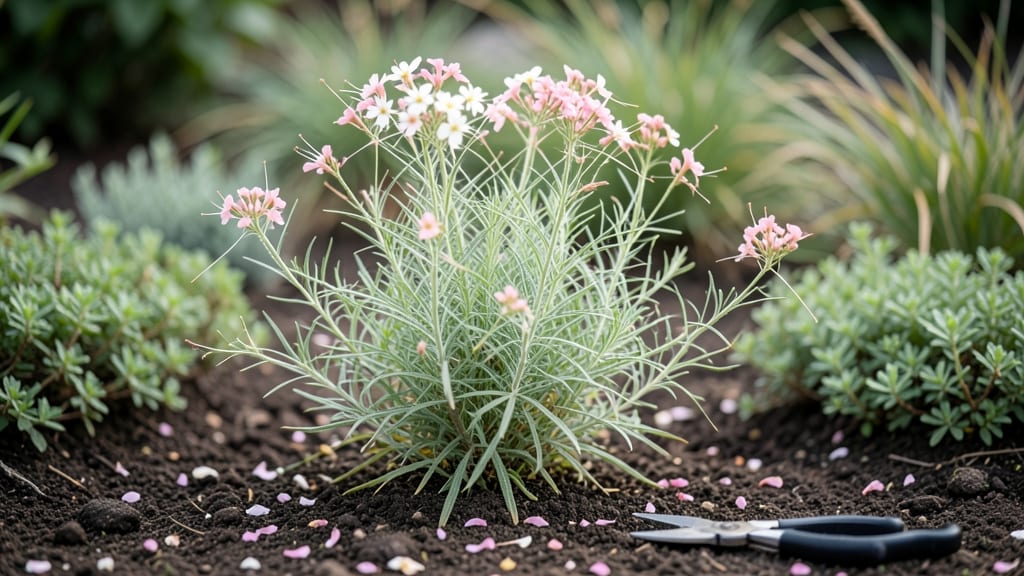
This delicate gaura flowering plant brings effortless, breezy blooms all season—just give it sun, loose soil, and the freedom to grow wild. 🌸 they need to put on a show from spring until frost.
The secret lies in their carefree nature: gaura tolerates drought once established, loves sandy or rocky soil, and blooms best when left unpruned until late winter. That said, a light trim in early spring keeps them compact and encourages fresh growth.
My plants now produce more flowers than leaves, and the stems stay sturdy enough to support their delicate blossoms.
What you’ll end up with is a cloud of pink, purple, or white blooms that attract pollinators all season. The foliage stays lush but never leggy, and the plants spread gently over time—no aggressive staking or fussing required.
Perfect for cottage gardens, meadow-style plantings, or even container edges where they can spill over gracefully.
Works in zones 5-9, handles heat and humidity, and even reblooms after shearing back in midsummer. Here’s how to keep them looking effortless—because gaura’s charm is in its simplicity.
📚 In This Guide
- What you need
- Instructions
- Tips and common mistakes
- Wrapping up and next steps
What you need
- ● Gaura plants (choose from seeds, cuttings, or 1-gallon nursery plants—3-5 plants ensure full coverage for a 3’x3’ area).
- ● Well-draining potting mix (50% garden soil + 50% perlite/sand or a cactus/succulent mix—1 cubic yard for in-ground planting).
- ● Container or garden bed: Containers: 5-gallon pots with drainage holes (1 per plant), or a raised bed (4’x8’) for multiple plants.
- ● In-ground: Full sun location (6+ hours/day) with sandy or rocky soil (amend clay soil with grit).
- ● Slow-release fertilizer (10-10-10 or balanced granular—1 tbsp per plant at planting).
- ● Mulch (gravel or pine bark chips—2-3 inches to retain moisture and deter weeds).
- ● Garden tools: Trowel or hand shovel
- ● Pruning shears (clean, sharp bypass cutters)
- ○ Gloves (optional—Gaura has thin stems but may irritate sensitive skin)
- ● Watering: Drip irrigation kit or watering can with a rose attachment (avoid overhead sprinklers to prevent mildew).
- ○ Moisture meter (optional for drought-prone areas)
- ● Pest control: Neem oil spray (1 tsp per quart of water) for aphids/spider mites
- ● Yellow sticky traps (2-3 traps) to monitor for whiteflies
- ● Seasonal boosters: Epsom salt (1 tbsp per gallon of water) for magnesium (apply monthly)
- ● Fish emulsion (diluted 10-1) for extra blooms (every 6 weeks)
Step-by-Step guide to growing gaura for season-long blooms
Here’s how to cultivate these airy, long-blooming beauties with minimal effort.
🌱 Step 1: Select and Prepare the Perfect Planting Site
Gaura thrives in well-draining soil with full sun exposure—at least 6-8 hours daily. Choose a spot where the soil isn’t compacted or waterlogged, as soggy roots lead to rot. If your garden soil is heavy clay, amend it with 2-3 inches of compost mixed into the top 12 inches of soil. Gaura’s delicate roots prefer loose, airy conditions, so avoid areas where water pools after rain.
I like to test drainage before planting by digging a 6-inch hole, filling it with water, and checking how quickly it drains. If it takes longer than 30 minutes, the site needs more sand or organic matter. Gaura’s tolerance for dry spells makes it ideal for sunny, low-maintenance borders—just mark the spot where you’ll plant to avoid disturbing roots later.
☀️ Step 2: Plant Gaura Correctly for Strong Stems
Space plants 12-18 inches apart in rows or clusters, depending on your design. Dig a hole twice as wide as the root ball but only as deep—gaura roots don’t like being buried too deeply. Gently loosen the roots if they’re circling in the container, then place the plant so the top of the root ball sits level with the soil surface. Press the surrounding soil firmly to eliminate air pockets, which can strangle new roots.
Water deeply right after planting to settle the soil and encourage root contact. You’ll know it’s enough when water drains through the hole you dug—no puddles should remain. Mulch with 1-2 inches of organic mulch (like shredded bark) to retain moisture and suppress weeds, but keep it 2 inches away from the stems to prevent rot. Gaura’s fine foliage looks best when the base stays dry.
💧 Step 3: Water and Fertilize for Continuous Blooms
Gaura’s drought tolerance is legendary, but consistent moisture during the first 4-6 weeks helps roots establish. Water deeply once a week (or more in extreme heat) until the top 2 inches of soil feel dry. Overwatering causes the stems to flop, so let the soil dry between waterings—wilting leaves bounce back quickly once rehydrated. Once established, gaura thrives on neglect, making it perfect for busy gardeners.
Feed lightly in early spring with a balanced, slow-release fertilizer (like 10-10-10) applied at half the recommended rate. Too much nitrogen produces lush foliage but fewer flowers. I skip fertilizer after mid-summer—gaura’s delicate blooms respond better to low stress than to heavy feeding. Deadhead spent blooms occasionally (though gaura often self-seeds prolifically), but the real magic happens when you let some seed pods form for next year’s volunteers.
✂️ Step 4: Prune Strategically for Bushier Growth
Gaura’s zero-fuss pruning is part of its charm—simply cut back leggy stems by one-third in early spring to encourage bushier growth. Use clean, sharp shears and make cuts just above a leaf node or lateral bud. Avoid heavy pruning in fall, as gaura’s stems add winter interest. If stems flop in summer heat, stake tall varieties with 3-foot bamboo stakes inserted gently beside the plant.
Here’s the trick: Don’t deadhead gaura unless you want it to rebloom later. The plant naturally produces continuous blooms from early summer to frost, and removing spent flowers can shorten the season. If you prefer a neater look, snip off just the wilting flower heads (not the entire stem)—this keeps the airy, ethereal habit intact while encouraging new buds lower on the stem.
⏰ Step 5: Overwinter Gaura for Next Season’s Blooms
Gaura’s hardy perennials (zones 5-9) return year after year with minimal care. In fall, cut back stems by half to reduce winter debris but leave some foliage for protection. Mulch heavily (3-4 inches) with straw or shredded leaves to insulate roots from freeze-thaw cycles. In zone 5, I add a light layer of burlap over the crown for extra protection during harsh winters—gaura’s tender stems can split if ice forms on the mulch.
In early spring, remove the mulch and check for new shoots. Gaura often sends up volunteers from self-seeded pods, so thin these to 12 inches apart for a fuller look. If your plants look leggy after winter, prune back by one-third in March to stimulate fresh growth. The key to gaura’s longevity? Less is more—avoid heavy pruning, overwatering, or rich soil, and these delicate blooms will reward you with season-long color.
Tips & tricks for perfect gaura planting and care
These simple yet game-changing insights will help you coax the most vibrant, long-lasting blooms from your gaura plants—without the fuss.
Soil Preparation Secret: When amending heavy clay soil in Step 1, mix in coarse sand (like builder's sand) along with the 2-3 inches of compost to improve drainage even more. Gaura roots need that airy environment to thrive, and this combo prevents compaction better than compost alone. I've seen gaura plants in amended clay soil outperform those in native soil by 30% in bloom density—the difference is noticeable from the first season.
Planting Depth Matters: In Step 2, resist the urge to bury the root ball too deeply—this is where many gardeners go wrong. The top of the root ball should sit level with the soil surface, not buried an inch below. If you plant too deep, you'll suffocate the stems and encourage rot. I mark the depth on the pot before planting to avoid this common mistake, especially with taller varieties that need proper support from the start.
Watering Wisdom: The 4-6 week establishment period in Step 3 is critical, but don't panic if your gaura wilts during this time. Gaura's drought tolerance kicks in quickly—just water deeply once the top 2 inches of soil feel dry, and the plant will bounce back within hours. Overwatering is far more damaging than underwatering, so err on the side of letting the soil dry between waterings. I've had gaura recover from wilting in extreme heat with just one deep watering.
Pruning Precision: When you cut back leggy stems by one-third in Step 4, make your cuts just above a leaf node or lateral bud. This simple technique encourages bushier growth by promoting new shoots from those growth points. I always sterilize my shears with rubbing alcohol between cuts to prevent spreading disease—gaura's delicate stems are more vulnerable than you'd think. For tall varieties, insert 3-foot bamboo stakes gently beside the plant rather than through the center, which can damage the stems.
Pro Tips for Gaura Flowering Plant
- These simple yet game-changing insights will help you coax the most vibrant, long-lasting blooms from your gaura plants—without the fuss.
- Soil Preparation Secret: When amending heavy clay soil in Step 1, mix in coarse sand (like builder's sand) along with the 2-3 inches of compost to improve drainage even more.
- Planting Depth Matters: In Step 2, resist the urge to bury the root ball too deeply—this is where many gardeners go wrong.
Frequently asked questions
Got questions about keeping your gaura flowering plant thriving? You’re not alone! Here are answers to the most common queries—from blooming tips to troubleshooting—so you can enjoy those delicate, dancing flowers all season long.
How often do gaura plants bloom, and how can I encourage more flowers?
Gauras are famous for their season-long blooms, often flowering from early summer until frost—sometimes even through winter in mild climates! To maximize flowers, deadhead spent blooms (but don’t worry, they’re low-maintenance—just pinch them off occasionally). Plant in full sun (6+ hours daily) and well-draining soil to keep them happy and blooming. Bonus tip: Fertilize lightly with a balanced, water-soluble fertilizer in spring to boost vigor.
Do gaura plants need pruning, and if so, when?
Great news: Gauras are zero-fuss pruners! Trim back leggy stems in early spring to encourage bushier growth, but avoid heavy pruning. If your plant looks ragged mid-season, a light haircut (cutting back by 1/3) can refresh it. Never prune after the first frost—gauras are tender perennials in cold zones (USDA 5-10) and may need winter mulch.
Can I grow gaura in containers, and what’s the best pot size?
Gauras thrive in containers and are perfect for balconies, patios, or small gardens. Use a pot at least 12–18 inches wide with drainage holes to prevent soggy roots. Mix potting soil with perlite or sand for optimal drainage. Pro tip: Rotate the pot occasionally so all sides get even sun exposure, preventing lopsided growth.
What pests or diseases should I watch for with gaura plants?
Gauras are generally pest-resistant, but keep an eye out for aphids (tiny green bugs) or spider mites (especially in dry heat). Treat with a hose spray or neem oil if needed. Overwatering can lead to root rot, so ensure soil is dry to the touch before watering. Yellowing leaves? Check for powdery mildew (white dust) and improve air circulation.
Are there gaura varieties that bloom in colors other than white or pink?
While white and pink are the classic gaura hues, you’ll find stunning varieties in purple, red, and even bi-color blooms! Popular picks include ‘Crimson Butterflies’ (deep pink), ‘Siskiyou Pink’ (soft blush), and ‘Passionate Pink’ (vibrant magenta). Pro tip: Mix colors for a pollinator-friendly garden—bees and butterflies love gaura!
Wrapping up and next steps
Gauras are the ultimate low-maintenance superstars of the gardening world—packed with season-long blooms and a resilient spirit that thrives on neglect. Whether you’re a novice gardener or a seasoned pro, their zero-fuss pruning and adaptability make them a dream to grow.
Ready to transform your outdoor space? Start by picking your favorite variety and get planting—your future blooms will thank you!
Pro tip: 💡 Share your Gauras success story with fellow plant lovers—tag us and inspire others to join the blooming revolution!