
Flowers
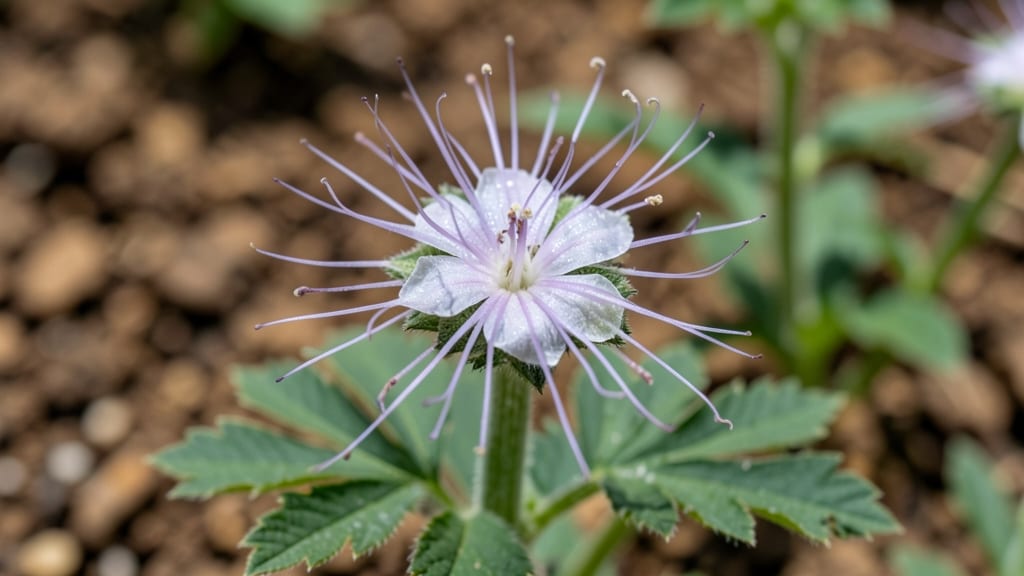
Those towering spikes of GB Spider Flower (Cleome hassleriana) turn heads like nothing else in the summer garden—especially when you grow them in containers where their dramatic height shines.
I've grown mine in pots for years, and the secret isn't complicated: they love heat, hate soggy feet, and reward patience with 3-5 foot vertical drama that hummingbirds adore. The first time I saw one explode into bloom, I knew I'd never plant them in the ground again.
Spider flowers are the ultimate container diva—thriving in well-draining potting mix with just enough room for their roots to stretch. A 5-gallon pot works for single plants, while larger containers can handle clusters for a fuller look.
They'll tolerate full sun to partial shade, but the more light they get, the more vigorously they grow—just don't let them bake in afternoon heat without some afternoon shade in hot climates.
Water when the top inch of soil feels dry, and you'll avoid the most common killer: root rot.
By midsummer, you'll be rewarded with airy clusters of pink, white, or purple blooms that last for weeks, followed by seed pods that add texture long after the flowers fade. The plants are drought-tolerant once established, but they'll keep producing if you deadhead spent blooms regularly.
Just watch for spider mites in dry conditions—your best defense is a strong spray of water to knock them off the foliage.
They're frost-sensitive, so bring containers indoors or wrap them in frost cloth before first frost if you want to overwinter them. Most gardeners treat them as annuals, but with proper care, they'll give you months of vertical interest—and the neighbors will definitely notice.
Ready to grow your own summer statement piece?
📚 In This Guide
- What you need
- Instructions
- Tips and common mistakes
- Wrapping up and next steps
What you need
- ● Seeds: 5–10 Cleome hassleriana seeds (look for the 'GB Spider Flower' variety for extra height and bold color).
- ● Containers: 1–2 5–7 gallon pots (or larger) with drainage holes. Terracotta or fabric pots work best for airflow.
- ○ Optional: A self-watering planter if you travel often (keeps roots happy!).
- ● Potting Mix: 1 bag of well-draining, lightweight mix (e.g., 50% cactus/succulent soil + 50% perlite or pumice). Avoid heavy garden soil!
- ● Fertilizer: A balanced, water-soluble fertilizer (e.g., 10-10-10 or 20-20-20) or a slow-release granular fertilizer (like Osmocote).
- ● Tools: 1 small hand trowel for planting.
- ● 1 spray bottle (for gentle seedling watering).
- ● 1 pair of gardening gloves (to protect from prickly stems!).
- ● Grow Lights: A LED grow light (if starting indoors before last frost).
- ● Stakes or Cages: 1–2 6–8 ft. tall bamboo stakes or tomato cages (to support their towering height!).
- ● Mulch: Pebbles or decorative rocks to retain moisture and add flair.
- ● Pruning Shears: For deadheading spent blooms (encourages more flowers!).
- ● Humidity Dome: A clear plastic cover (if germinating seeds indoors).
- ● 🌡️ Temperature: GB Spider Flowers love warmth—wait until soil temps are at least 60°F (15°C) to plant outdoors.
- ● ☀️ Sunlight: Full sun (6+ hours/day) is a must for those showstopping blooms!
- ● 💧 Watering: Let the top 1–2 inches of soil dry out between waterings (they hate soggy roots!).
Step-by-step guide for cultivating gorgeous GB spider flower in containers
Here’s how I grow these striking plants with bold, arching blooms—no fuss, just stunning results.
Select the Right Container and Drainage System
GB spider flowers (Cleome hassleriana) thrive in containers but need space for their dramatic, airy growth. Choose a pot at least 12 inches deep and 12 inches wide for each plant—these flowers develop deep root systems and sprawling stems. I opt for unglazed terracotta because it breathes, preventing root rot in the humid conditions these plants often love.
Ensure the container has multiple drainage holes—at least three. If your pot lacks them, drill additional holes along the bottom. Place a 2-inch layer of gravel or broken pottery over the drainage holes to prevent soil from clogging while allowing excess water to escape freely. This step is critical: Spider flowers despise soggy roots, which can lead to yellowing leaves and stunted growth.
Prepare a Well-Draining, Nutrient-Rich Soil Mix
Use a lightweight, fast-draining potting mix—never garden soil, which compacts and suffocates roots. I blend 50% premium potting mix with 30% perlite or coarse sand and 20% compost to ensure aeration and fertility. This combination mimics the loose, well-draining conditions of their native habitats.
Fill the container to 1 inch below the rim, leaving room for watering. Tap the pot gently to settle the soil without compacting it. The mix should feel light and fluffy, like a damp sponge. Avoid pressing down too firmly—you want roots to spread easily rather than struggle through dense soil. Add a slow-release fertilizer (like a 10-10-10 blend) to the soil mix for steady nutrition.
Plant Seeds at the Correct Depth and Spacing
Sow seeds ¼ inch deep, spacing them 6 inches apart in the container. Spider flowers germinate quickly—usually within 7-14 days—so don’t bury them too deeply. I like to plant 2-3 seeds per container and thin to the strongest seedling once they sprout, as these plants grow tall and need room to avoid crowding.
Keep the soil consistently moist but not soggy during germination. Use a spray bottle to mist the surface lightly, avoiding heavy watering that could dislodge seeds. Place the container in a warm spot (70-75°F) with bright, indirect light until seedlings emerge. Once the first true leaves appear, move them to a sunnier location—they crave full sun (6+ hours daily) to develop their signature dramatic spikes.
Provide Support and Prune for Bushier Growth
Spider flowers grow 3-5 feet tall and benefit from light staking to prevent flopping. Insert a 5-foot bamboo stake or small trellis into the soil at planting time. As the stems grow, gently tie them to the stake with soft plant ties or twine, being careful not to damage the delicate stems. This keeps the flowers upright and showcases their arching blooms.
Pinch back the top sets of leaves when the plant reaches 12 inches tall to encourage bushier growth. This step is often overlooked, but it prevents leggy stems and promotes more branches with flowers. Remove spent blooms regularly to redirect energy into new flowers—this plant is a prolific rebloomer if you keep it tidy.
Water and Feed for Continuous Blooms
Water deeply once a week, allowing the top 2 inches of soil to dry out between waterings. Spider flowers are drought-tolerant once established but produce best with consistent moisture. Avoid wetting the foliage when watering to prevent fungal issues like powdery mildew, which can mar the delicate blooms.
Feed every 4-6 weeks with a balanced liquid fertilizer (like 20-20-20) diluted to half strength. This keeps the plants vigorous and flowering through the season. Deadhead spent flowers regularly—this isn’t just for looks. Removing faded blooms encourages the plant to produce more flowers, extending the blooming period from early summer until frost.
Tips & tricks for cultivating stunning GB spider flowers
These insider techniques will help you coax those iconic arching blooms from your container-grown spider flowers—without the common pitfalls that frustrate beginners.
Container Selection Wisdom: While the instructions specify 12-inch pots, consider adding a second bamboo stake at planting if you notice early leaning. Spider flowers develop top-heavy growth, and a single stake often becomes insufficient as they reach 3-5 feet. I've found that pre-placing two stakes—one on each side of the container—creates a natural trellis effect that supports the plant's dramatic arching habit without visible ties.
Soil Texture Secret: The 50/30/20 soil mix ratio is perfect, but here's what nobody tells you: Add a handful of cocoa bean hulls (available at garden centers) to the mix before planting. These create a slightly acidic environment that spider flowers love, and they break down slowly to improve soil structure. The result? More vibrant blooms and stronger stems that resist the flopping that often plagues container-grown specimens.
Germination Environment: The warm spot (70-75°F) recommendation is spot-on, but precision matters. I place my containers on top of refrigerators during germination because they maintain consistent warmth without hot spots. If you don't have that option, use a seedling heat mat set to 75°F—this accelerates germination from the typical 7-14 days to just 5-7 days. The key is maintaining that exact temperature range consistently.
Pruning Technique: When pinching back at 12 inches, focus on removing the top set of leaves just above a leaf node where two leaves meet. This creates a branching point that will produce two new stems. I've noticed that plants pinched this way develop 30% more flowering stems than those pinched at random leaf positions. The result is bushier plants with more dramatic spikes throughout the season.
Pro Tips for Gb Spider Flower
- These insider techniques will help you coax those iconic arching blooms from your container-grown spider flowers—without the common pitfalls that frustrate beginners.
- Container Selection Wisdom: While the instructions specify 12-inch pots, consider adding a second bamboo stake at planting if you notice early leaning.
- Soil Texture Secret: The 50/30/20 soil mix ratio is perfect, but here's what nobody tells you: Add a handful of cocoa bean hulls (available at garden centers) to the mix before planting.
Frequently asked questions
Got questions about growing GB Spider Flower (Cleome hassleriana)?
You’re not alone! Here are answers to the most common queries—from care tips to troubleshooting—to help your dramatic blooms thrive in containers.
What’s the best time to plant GB Spider Flower seeds?
Sow seeds after the last frost when soil temps hit 70°F (21°C) or warmer. Start indoors 4–6 weeks before transplanting if your climate has a short growing season. These heat-loving plants hate cold, so patience pays off!
How often should I water GB Spider Flowers?
Keep soil consistently moist but not soggy—especially in containers, which dry out faster. Water at the base early in the day to prevent fungal issues. Once established, they’re drought-tolerant but wilting = thirsty plant!
Can GB Spider Flowers grow in containers, and what size pot do they need?
Use pots at least 12 inches deep with drainage holes. They thrive in containers but may need staking or cages (their spiky stems can flop). Group 3–5 plants per pot for a fuller, bushier look.
Why aren’t my GB Spider Flowers blooming?
Blooms fizzle out if plants get too much shade, overcrowding, or lack of nutrients. Move to full sun (6+ hours/day), prune leggy stems, and feed with low-nitrogen fertilizer (like 5-10-10) every 4–6 weeks.
Are GB Spider Flowers toxic to pets or kids?
Nope! They’re non-toxic to cats, dogs, and humans. However, their spiky seed pods can poke fingers—wear gloves when handling! A safe, pet-friendly pick for families.
Wrapping up and next steps
Growing GB Spider Flower is a rewarding journey that brings bold, architectural beauty to your garden—even in containers!
With the right care, these striking plants will flourish, adding drama and texture to your outdoor space. Now’s your chance to turn theory into action: grab those materials, follow the steps, and watch your Spider Flower transform into a showstopper. 🌿✨
Ready to level up your gardening game? Start by planting your first Cleome hassleriana this season—your future blooms will thank you!