
Flowers
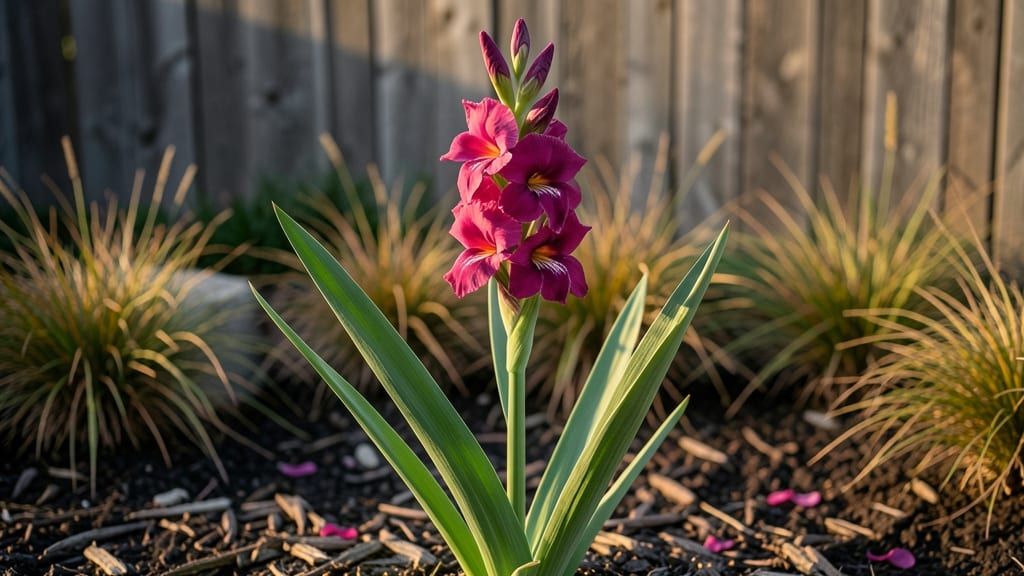
The gladiolus flower—whether a perennial or annual—isn’t what it seems, but with the right care, it can thrive year after year. I've dug up the truth after years of gardening with these dramatic spikes of blooms, and the secret lies in their underground corms, not their hardiness.
These aren't like daylilies that come back reliably; they're more like biennials that might survive winter in mild zones if you protect them properly.
The confusion starts with how gardeners treat them. In USDA zones 8-10, gladiolus corms often overwinter naturally, giving the illusion of perennial behavior. But in colder zones (5-7), they're annuals unless you dig them up each fall, store them dry, and replant next spring.
The key is understanding your climate—where I live in zone 6, I treat them like annuals, but a friend in California lets hers come back every year without lifting a finger.
What you'll discover is that even in colder zones, gladiolus can be reliable performers if you follow a few simple rules: plant corms deep (6 inches), choose late-season varieties for better overwintering chances, and protect them with mulch or a cold frame.
The payoff? Stunning vertical blooms that last from mid-summer to fall, with colors so vibrant they make your garden feel like a splash of paint.
Here's where it gets interesting—you can actually extend their life by dividing corms every few years. Each mature corm produces 2-3 offsets, so you're not just getting annual blooms; you're building a collection that multiplies over time.
The trick is patience and proper storage during winter months. Ready to turn these "annuals" into long-term stars of your garden?
📚 In This Guide
- What you need
- Instructions
- Tips and common mistakes
- Wrapping up and next steps
What you need
- ● Gladiolus bulbs (corms): Choose healthy, firm corms (size 1-2 inches in diameter) from a trusted nursery. Quantity: 10-20 per garden bed (adjust based on space).
- ● Well-draining soil: A mix of garden soil, compost, and perlite or sand (ratio: 60% soil, 30% compost, 10% perlite). pH: 6.0–7.0 (slightly acidic to neutral).
- ● Sunlight: Full sun (6+ hours daily). A south-facing spot is ideal!
- ● Watering can or hose: With a gentle spray nozzle for even moisture.
- ● Fertilizer: Balanced fertilizer (10-10-10): 1 tablespoon per corm at planting.
- ● Slow-release granular fertilizer (e.g., 14-14-14): 2–3 tablespoons per square foot during the growing season.
- ● Mulch: Organic mulch (straw or shredded leaves) to retain moisture and regulate soil temperature.
- ● Garden gloves & trowel: For planting and soil prep.
- ○ Stakes or supports (optional): Tall gladiolus varieties (4+ feet) may need bamboo stakes or pea vines for stability.
- ● Hardiness zones: Gladiolus thrive in zones 7–10. In colder climates (annuals or dig up corms before frost.
- ● Planting time: Spring: 2–4 weeks after the last frost (when soil is 60°F+).
- ● Fall (for perennials in warm zones): 6–8 weeks before the first frost.
- ● Watering schedule: Keep soil consistently moist (1–2 inches of water per week). Reduce watering as blooms appear to prolong vase life.
- ● 🔥 Rotate corms: Plant in a new spot each year to prevent disease buildup.
- ● ✨ Deadhead spent blooms: Snip faded flowers to redirect energy to corm growth.
- ● 🌡️ Overwintering (perennials): In zones 7–10, mulch heavily with straw (4–6 inches) to protect corms.
Understanding gladiolus lifespan: how to maximize blooms year after year
Gladiolus plants often surprise gardeners with their resilience—here’s how to determine whether they’ll return annually or need replanting each season.
Identify Your Gladiolus Type and Climate
Most gladiolus are treated as annuals in cooler climates because they struggle to survive freezing temperatures. However, in USDA Zones 8-10, where winters stay above 25°F, they can overwinter as perennials. Check your local frost dates—they dictate whether you’ll replant corms each fall or let them naturalize.
If you’re in a colder zone, focus on late-summer planting (after the last frost) to give corms time to establish roots before winter. In warmer zones, plant in early fall to avoid summer heat stress. The key is timing: gladiolus need 6-8 weeks of warm soil to bloom, so adjust planting dates accordingly.
Assess Corm Health After the First Season
After your first bloom cycle, dig up the corms to check for survival. Healthy corms will have firm, plump bulbs with no soft spots or mold. If they’re shriveled or rotted, they won’t return—treat them as annuals. But if they’re solid, you can replant them the following year.
Here’s the trick: Divide large clumps in early spring before new shoots appear. Separate corms that are at least 2 inches in diameter—smaller ones may not bloom well. Store them in a cool, dry place (50-60°F) until replanting. This ensures stronger, more reliable blooms each season.
Extend Blooms Through Strategic Planting
To enjoy gladiolus flowers for months, stagger planting dates. Start with early-season varieties (like ‘Picasso’) in late spring, then follow with mid-season (e.g., ‘Green Gold’) in early summer, and finish with late bloomers (such as ‘Black Star’) in mid-summer. This creates a continuous display from early summer to fall.
For perennial treatment, plant corms 6 inches deep and 6 inches apart in well-drained soil. Mulch lightly with 2-3 inches of organic matter (like straw) to protect roots in winter. In colder zones, lift corms before the first frost and store them until spring—this prevents rot and ensures next year’s blooms.
Winter Care for Perennial Gladiolus
If you’re pushing gladiolus to overwinter, cut back foliage to 2 inches after the first frost but leave it in place—it helps protect the corms. In Zones 7 and below, mound 4-6 inches of mulch (straw or leaves) over the planting area to insulate the soil.
Monitor for heaving (when soil freezes and pushes corms up). If you see corms exposed, gently replant them and add more mulch. Come spring, remove mulch gradually to avoid shocking the emerging shoots. Perennial gladiolus often reward patience with larger, more abundant blooms over time.
Troubleshoot for Long-Term Success
Leggy stems or sparse blooms usually mean too much nitrogen or poor drainage. Switch to a balanced fertilizer (10-10-10) after planting and avoid overwatering—gladiolus hate soggy roots. If flowers flop, stake them early with 4-5 foot bamboo stakes to prevent breakage.
Watch for thrips or aphids, which can stunt growth. Spray with neem oil at the first sign of pests. In perennial beds, rotate planting spots every 2-3 years to prevent disease buildup. With these adjustments, you’ll turn gladiolus from fleeting annuals into reliable seasonal stars in your garden.
Tips & tricks for perfect gladiolus seasonal blooms
These simple strategies will help you extend your gladiolus blooms and maximize their lifespan—whether you're treating them as annuals or perennials.
Zone-Specific Timing: In colder climates, plant gladiolus corms after the last frost date to ensure they have enough time to establish roots before winter. For warmer zones (USDA 8-10), aim for early fall planting to avoid summer heat stress. I always check my local frost dates online to plan accordingly—this timing difference makes all the difference for overwintering success.
Healthy Corm Selection: When dividing corms in Step 2, focus on those that are at least 2 inches in diameter. Smaller corms often produce weaker blooms or may not survive. I learned this the hard way after planting undersized corms that barely produced flowers. Store them in a cool, dry place (50-60°F) until replanting—this mimics their natural dormancy period.
Strategic Planting Schedule: To enjoy continuous blooms, stagger your planting by variety. Start with early-season types like 'Picasso' in late spring, then follow with mid-season varieties in early summer, and finish with late bloomers in mid-summer. This creates a 3-4 month bloom period instead of a single burst. For perennial treatment, plant corms 6 inches deep with 6 inches between plants—this spacing prevents overcrowding and improves air circulation.
Winter Protection: If you're pushing gladiolus to overwinter in colder zones, cut back foliage to 2 inches after the first frost but leave it in place. Then mound 4-6 inches of mulch (straw or leaves) over the planting area. I've found that removing mulch gradually in spring prevents shocking the emerging shoots—this small detail often determines whether your plants return with vibrant blooms or struggle to recover.
Pro Tips for Gladiolus Flower Perennial Or Annual
- These simple strategies will help you extend your gladiolus blooms and maximize their lifespan—whether you're treating them as annuals or perennials.
- Zone-Specific Timing: In colder climates, plant gladiolus corms after the last frost date to ensure they have enough time to establish roots before winter.
- Healthy Corm Selection: When dividing corms in Step 2, focus on those that are at least 2 inches in diameter.
Frequently asked questions
Got questions about gladiolus care and whether they’re perennial or annual?
You’re not alone! Here are answers to the most common queries gardeners have about these stunning blooms.
Are gladiolus flowers truly perennial, or are they annual?
Gladiolus are technically perennial in warm climates (USDA zones 8-10), but they’re often treated as annuals in colder regions. In cooler areas, their corms (bulb-like roots) may not survive winter frost. For year-round blooms, dig up and store corms in fall or replant fresh ones each spring!
How do I overwinter gladiolus in cold climates?
In zones below 8, lift corms before the first frost, brush off soil, and store them in a dry, cool place (like a garage) at 40–50°F (4–10°C). Replant in spring when soil warms to 60°F (15°C). Pro tip: Label corms to track varieties and avoid confusion!
Can I grow gladiolus from seed instead of corms?
Yes, but expect slower results! Seeds take 1–2 years to bloom, while corms deliver vibrant flowers in 8–10 weeks. For impatient gardeners, corms are the way to go. If you love experimentation, try hybridizing seeds for unique colors—but patience is key!
Why aren’t my gladiolus blooming this year?
Common culprits include overcrowded corms, poor sunlight (they need 6+ hours of sun daily), or nutrient deficiencies. Dig up corms every 2–3 years to divide clumps. Also, check for pests like thrips or aphids, which can stress plants. A balanced fertilizer boosts blooms too!
What’s the best way to extend the gladiolus blooming season?
Stagger plantings every 2–3 weeks in spring/summer for continuous color. Choose varieties with different bloom times (e.g., early ‘Picasso’ or late ‘Green Gold’). Deadheading spent blooms encourages more flowers, and mulching retains moisture for longer vase life!
Still stumped? Drop your gladiolus questions in the comments—we’re happy to help your garden thrive!
Wrapping up and next steps
So, are gladiolus flowers perennial or annual? The answer isn’t one-size-fits-all! While they act as annuals in colder climates (dying back in winter), they can become short-lived perennials in warmer zones with proper care—like mulching, dividing, and protecting their corms.
Whether you’re a first-time gardener or a seasoned blooms enthusiast, understanding their needs unlocks year after year of stunning spikes in your garden. 🌸
Ready to put this knowledge into action? Start by choosing the right variety for your climate, then explore our step-by-step planting guide to get those corms in the ground—and watch your garden transform! 🌱