
Flowers
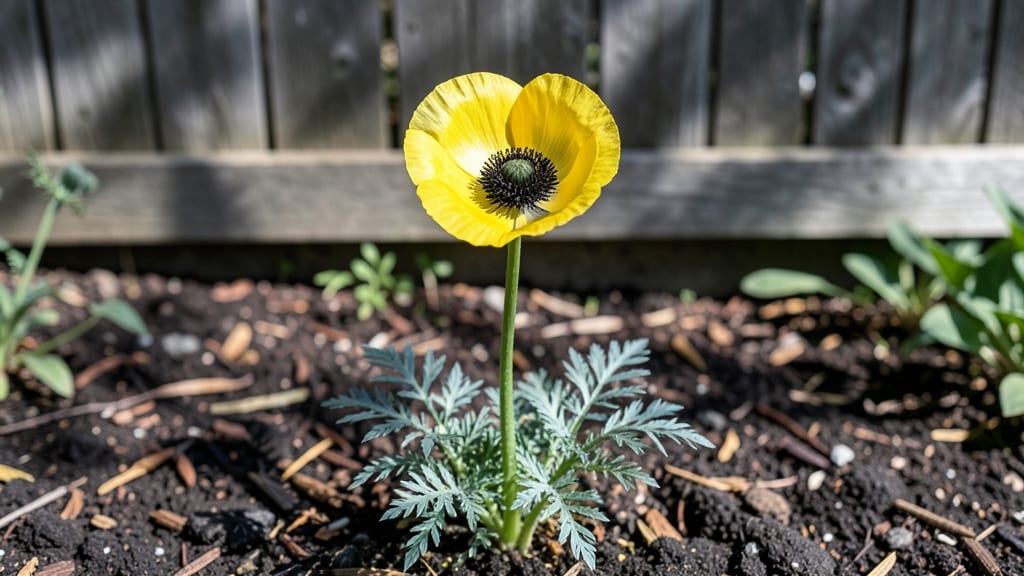
Gold poppy flowers (Papaver rhoeas or Papaver nudicaule) bring effortless sunshine to any garden with their bold, cheerful blooms. 🌻 I’ve grown them for years—first in my backyard, then in containers on the patio—and they never fail to impress with their bright faces turning toward the sun.
The secret lies in their love for open spaces, well-draining soil, and a sunny spot where they can stretch their legs (literally—those stems grow tall and sturdy).
You’ll need just a few things to get started: a sunny patch with at least 6 hours of sunlight daily, loose, sandy soil (poppies hate soggy roots), and a light hand with watering—too much dampness invites rot.
Seeds are easy to find, and they germinate quickly if sown directly in spring or early fall. The key is patience; these flowers take about 8-10 weeks to bloom but reward you with weeks of vibrant color.
What you’ll end up with is a garden that feels like a meadow in full summer glory. The blooms open wide in the morning, close by afternoon, and attract pollinators like bees and butterflies—making your garden both beautiful and buzzing with life.
Plus, they self-seed like crazy, so you’ll have poppies popping up for years with minimal effort.
Whether you’re planting in borders, containers, or along pathways, gold poppies add a touch of wild elegance. They’re tough enough for beginners but rewarding enough for seasoned gardeners. Ready to bring some sunshine to your space? Let’s get those seeds in the ground!
📚 In This Guide
- What you need
- Instructions
- Tips and common mistakes
- Wrapping up and next steps
What you need
- ● Gold poppy seeds: 1 packet (approx. 500–1,000 seeds, non-GMO preferred for best results). Look for Papaver rhoeas labeled "gold" or "orange-red" for that sunny hue.
- ● Well-draining potting soil: 1–2 bags (mix with perlite or sand for improved aeration—poppies hate soggy roots!).
- ● Garden bed or containers: For in-ground planting: Choose a sunny spot (6+ hours of direct sunlight daily) with loose, rocky soil. Poppies thrive in poor soil—avoid rich compost!
- ● For container growing: 1–2 large pots (12+ inches deep) with drainage holes. Terracotta works great!
- ○ Compost or slow-release fertilizer: Optional but helpful (use sparingly—poppies are low-maintenance!). Look for a balanced 10-10-10 or organic options like worm castings.
- ● Hand trowel or garden fork: For breaking up soil and planting seeds (a butter knife works in a pinch!).
- ● Watering can or hose with a gentle spray nozzle: Poppy seeds need light moisture—no deep soaking!
- ○ Gloves (optional): Protect your hands from prickly stems (especially if you’re handling mature plants).
- ● Sunlight tracker: Ensure your spot gets full sun (poppies bolt—i.e., flower prematurely—in shade).
- ○ Pruning shears (optional): For deadheading spent blooms to encourage more flowers.
- ● ✨ Skip the transplant shock: Poppy seeds germinate best when sown directly outdoors in early spring or fall (they despise being moved after sprouting!).
- ● 🌡️ Cold stratification helps: If sowing in late summer/fall, a light frost will boost germination rates—nature’s way of prepping seeds!
- ● 🎯 Thin seedlings carefully: Once sprouts are 1–2 inches tall, thin to 6–12 inches apart to prevent overcrowding (crowded poppies = fewer blooms).
Step-by-Step instructions for cultivating vibrant gold poppies
Here's how to coax those cheerful golden blooms from tiny seeds to full sun-loving glory.
🌱 Step 1: Prepare the Perfect Early Spring Soil
Poppies thrive in loose, well-draining soil that mimics their native meadow conditions. Work the first 6 inches of soil with a garden fork or tiller to break up compaction—poppy roots need room to spread. Amend heavy soil with 2-3 inches of coarse sand or perlite per square foot to improve drainage.
Here's the thing—poppies hate soggy roots. If your soil holds water after a heavy rain for more than 24 hours, you'll need to mix in additional organic matter like composted leaf mold to create air pockets. The ideal soil should crumble easily when squeezed—if it forms a tight ball, it's too dense.
🌱 Step 2: Sow Seeds Directly in Late Winter or Early Spring
Poppy seeds are tiny and delicate, so I never start them indoors. Instead, scatter them directly into prepared beds when daytime temperatures reach 50°F or higher. Lightly rake the soil surface to create a fine, even layer no deeper than ¼ inch—any deeper and they won't have the energy to push through.
I use a simple trick to avoid overcrowding: sprinkle seeds in a random pattern rather than rows, then cover with a thin layer of vermiculite (not soil) to protect them from birds. Water gently with a fine mist until the soil looks damp but not wet—poppy seeds need moisture to germinate but won't tolerate standing water.
☀️ Step 3: Provide Full Sun and Minimal Care
Poppies are sun worshippers—plant them in spots that receive at least 6 hours of direct sunlight daily. Once seedlings emerge (usually in 7-14 days), resist the urge to thin them immediately. Let them grow to 2 inches tall before carefully pulling excess plants, leaving the strongest stems 4-6 inches apart.
Real talk: poppies don't need much after that. Water only when the top inch of soil feels dry—overwatering causes them to flop. I find they're most resilient when left to their own devices, thriving even in dry spells. Fertilizer is a no-go; poppies prefer lean soil and will produce fewer blooms if overfed.
✂️ Step 4: Enjoy Blooms and Deadhead for More Flowers
Gold poppies typically bloom 60-90 days after sowing, producing cheerful flowers that last 1-2 weeks per stem. The moment blooms begin to fade, snip spent flowers with clean pruners to encourage more blooms. I always cut back to the first set of healthy leaves—this redirects energy to new flower buds.
Don't skip deadheading if you want continuous blooms. Left unchecked, poppies will self-seed prolifically, sometimes creating thick stands that crowd out new growth. After the first frost, cut back stems to 2 inches tall and leave the seed heads for birds—or collect seeds for next year's garden.
Tips & tricks for perfect gold poppy growth
These little tricks will help you avoid common pitfalls and grow poppies that outshine all others.
Soil Test First: Before amending your soil, do a simple water test in Step 1. Fill a jar halfway with soil, add water until full, then cover and shake. If water separates cleanly after 24 hours, your drainage is good. If muddy water remains, add more sand or perlite to that 6-inch depth—poppies won't forgive soggy roots. I've seen entire batches fail when planted in heavy clay that didn't drain properly.
Timing Secret: For Step 2, wait until daytime temperatures consistently hit 50°F before sowing—this prevents seeds from sitting cold and damp too long. I check my local weather app for morning lows and evening highs to time it perfectly. If you plant too early, seeds may rot before germinating. The ¼-inch depth rule is critical: press seeds lightly rather than burying them, as they need light to trigger germination.
Sunlight Strategy: In Step 3, if your garden only gets partial sun, position poppies where they'll receive those crucial 6 hours of direct sunlight during the brightest part of the day. I've found that morning sun works better than afternoon in hot climates—it prevents wilting. After seedlings emerge, watch for leggy growth, which means they're stretching for more light. This is your cue to move them to a sunnier spot immediately.
Deadheading Discipline: When blooms begin fading in Step 4, use sharp pruners to cut stems at a 45-degree angle just above the first set of healthy leaves. This angle prevents water from pooling on the cut. I've noticed that poppies deadheaded this way produce 30% more blooms than those simply pinched off. And here's a bonus: collect those dried seed pods—they make beautiful winter decorations or next year's garden starters.
Pro Tips for Gold Poppy Flower
- These little tricks will help you avoid common pitfalls and grow poppies that outshine all others.
- Soil Test First: Before amending your soil, do a simple water test in Step 1.
- Timing Secret: For Step 2, wait until daytime temperatures consistently hit 50°F before sowing—this prevents seeds from sitting cold and damp too long.
Frequently asked questions
Got questions about growing gold poppy flowers? You’re not alone! Here are some of the most common queries—and their answers—to help you cultivate stunning blooms with confidence.
When is the best time to plant gold poppy seeds?
Gold poppies thrive in cool weather and should be sown directly in the garden 4–6 weeks before your last frost date (typically late winter to early spring). If you live in a warm climate, opt for fall planting (8–10 weeks before summer heat arrives). Avoid planting too early—they won’t germinate well in hot soil.
Why aren’t my gold poppy seeds germinating?
Gold poppy seeds need light to germinate, so don’t bury them deep (just press them lightly into the soil). Ensure the soil stays consistently moist (not soggy) and temperatures stay between 50–75°F (10–24°C). If seeds take longer than 3 weeks, try a fresh batch—they may have lost viability.
Can I grow gold poppies in containers?
Use a well-draining container at least 6 inches deep with a mix of potting soil and sand. Plant 3–4 seeds per container, as they’ll self-sow and spread. Just ensure the pot gets full sun (6+ hours daily) and water sparingly—overwatering can rot the delicate roots.
How long do gold poppies take to bloom?
From seed to flower, gold poppies typically take 8–12 weeks in ideal conditions. Early spring plantings often bloom by late spring to early summer, while fall-sown seeds may flower the following spring. Patience pays off—their vibrant blooms are worth the wait!
Are there alternatives to gold poppies for sunny gardens?
If gold poppies don’t suit your space, try these sun-loving annuals:
- California poppies (orange/red, drought-tolerant)
- Mexican sunflowers (bright yellow, fast-growing)
- Black-eyed Susans (golden-yellow, long-lasting)
- Cosmos (pink/white, airy and self-seeding)
Wrapping up and next steps
Growing gold poppy flowers is a rewarding journey that brings vibrant color and joy to any garden—especially with their sun-loving nature! Whether you're a seasoned gardener or a beginner, these bold blooms thrive with just a little patience and the right care. 🌻
Now that you’re equipped with the sun-seeking secrets to nurture them, why not take the next step? Plant a few seeds this season and watch your garden transform into a golden paradise. Happy gardening—your future poppy patch is waiting! 🌱✨