
Flowers
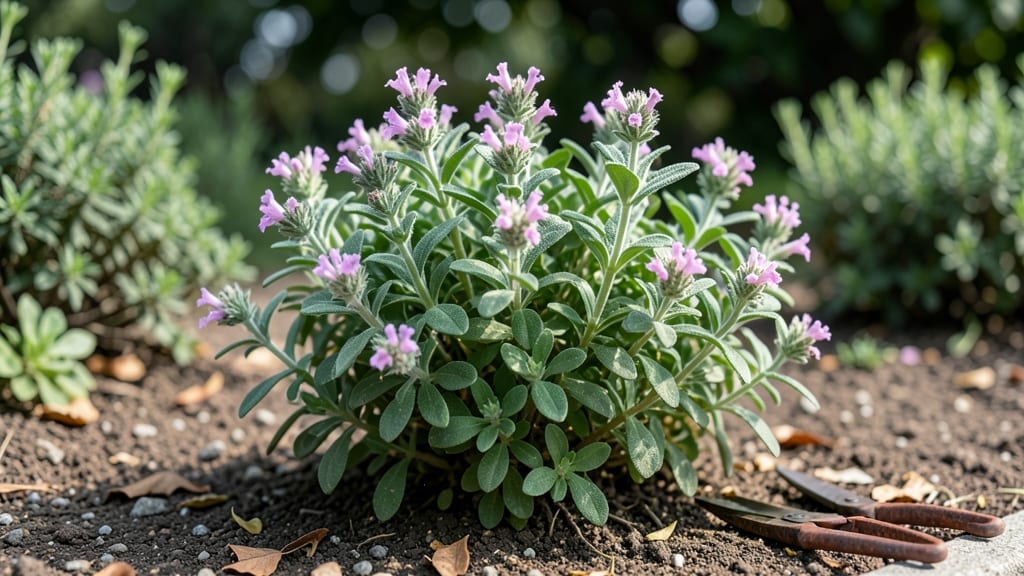
Greek oregano flowers turn your garden into a pollinator paradise with their lacy lavender blooms that dance in summer breezes. 🌿 I’ll never forget the first time I saw a swarm of bees hovering over my patch—it wasn’t just the fragrance that stunned me, but how effortlessly this herb transformed from kitchen staple to showstopper.
The tiny flowers cluster in dense spikes, creating a fragrant canopy that rivals any ornamental plant.
These flowers aren’t just pretty—they’re season-long performers, blooming from early summer until frost if you deadhead spent blooms. Pair them with salvia, lavender, or catmint for a Mediterranean-inspired border that hums with activity.
The contrast of their silvery-green leaves against deep purple blooms adds texture, while their citrusy-sweet scent draws butterflies and bees like a magnet.
Imagine a herb spiral where Greek oregano takes center stage, its flowers spilling over stone edges or cascading from containers. The blooms dry beautifully too, perfect for potpourri or winter arrangements. With minimal effort, you’ll have a garden that’s both useful and stunning—no fancy flowers required.
Whether you’re designing a pollinator-friendly border or a low-maintenance herb garden, these flowers deliver color, fragrance, and function without the fuss. Let’s make your space buzz with life—literally.
📚 In This Guide
- What you need
- Instructions
- Tips and common mistakes
- Wrapping up and next steps
What you need
- ● Greek oregano plants/seeds: Choose Origanum vulgare hirtum (true Greek oregano) from a reputable nursery or seed supplier. Start with 3–5 plants for a small garden or 10+ plants for a pollinator-friendly border.
- ● Well-draining soil: A mix of 60% garden soil, 30% compost, and 10% coarse sand or perlite (pH 6.0–8.0). Greek oregano hates soggy roots!
- ● Sunlight access: A full-sun location (6+ hours/day). Partial shade may reduce flowering.
- ● Watering can or hose: With a gentle spray nozzle to avoid disturbing soil.
- ○ Organic fertilizer (optional but helpful): A balanced 10-10-10 or low-nitrogen formula (e.g., fish emulsion or compost tea) applied every 4–6 weeks during growing season.
- ● Garden trowel or transplanting spade (for planting/seeding).
- ● Pruning shears (sharp, bypass-style for clean cuts).
- ○ Gloves (optional but recommended—oregano leaves can be sticky!).
- ○ Mulch (optional): Straw or wood chips (2–3 inches thick) to retain moisture and suppress weeds.
- ○ Pollinator-friendly companions (optional): Plant lavender, thyme, or marjoram nearby to attract bees and butterflies!
- ● Climate: Greek oregano thrives in USDA Zones 5–10. If you’re in a colder zone, grow it in containers for winter.
- ● Patience: Seeds may take 6–8 weeks to germinate. Cuttings root faster (2–4 weeks).
- ● Space: Mature plants spread 12–18 inches wide. Space them 18–24 inches apart.
How to cultivate a fragrant Greek oregano flower display
Here’s how to transform your garden into a buzzing, aromatic haven for pollinators—starting with this hardy Mediterranean staple.
🌱 Step 1: Select and Prepare the Perfect Planting Site
Greek oregano thrives in full sun—at least 6-8 hours daily—so choose a spot where it will bask in direct rays. I always test the soil first by squeezing a handful: if it crumbles easily, it’s well-draining enough. Oregano despises soggy roots, so amend heavy clay with 2-3 inches of coarse sand or perlite per square foot to improve aeration.
This herb loves lean soil, so skip the fertilizer unless your soil tests extremely poor. A light sprinkle of compost (about 1/2 cup per plant) at planting time provides just enough nutrients without encouraging lush, floppy growth that weakens the fragrant oils. Here’s the thing—Greek oregano’s resilience comes from its ability to thrive in poor conditions, so resist the urge to over-fertilize.
☀️ Step 2: Plant and Space for Optimal Airflow
Dig holes twice as wide as the root ball but only as deep—planting too deep buries the crown and risks rot. Space plants 18-24 inches apart in rows 24 inches apart to allow airflow, which prevents fungal diseases like powdery mildew. I like to stagger plants in a grid pattern for a natural, layered look that mimics its Mediterranean habitat.
Gently tease the roots if they’re pot-bound, then place the plant so the top of the root ball sits just below soil level. Backfill with native soil, pressing lightly to eliminate air pockets. Water deeply right after planting—about 1 gallon per plant—to settle the soil and encourage root contact. You’ll know it’s right when water drains freely from the bottom of the hole.
💧 Step 3: Water Strategically for Drought-Tolerant Growth
Greek oregano’s deep roots make it remarkably drought-resistant once established, but young plants need consistent moisture. Water deeply every 5-7 days during the first 30 days, letting the soil dry 2-3 inches down between waterings. Overhead watering encourages fungal issues, so use a soaker hose or drip irrigation placed at the base to deliver moisture directly to the roots.
After the initial month, reduce watering to once every 10-14 days unless your area experiences extreme heat. The plant’s silver-green foliage will tell you when it’s thirsty—leaves curl and lose their vibrant color when stressed. Here’s a pro tip: mulch with 2 inches of gravel or coarse wood chips around the base to conserve moisture and suppress weeds without smothering the plant.
✂️ Step 4: Prune to Encourage Bushy, Flowering Growth
Pruning isn’t just about shaping—it’s how you coax those fragrant purple blooms. Cut back one-third of the plant’s height in early spring before new growth begins. Use clean, sharp shears to make cuts just above a leaf node, where new shoots will emerge. This encourages a bushier, more compact plant that produces more flowers—and more of that signature oregano fragrance.
Deadhead spent flowers regularly throughout the season to redirect the plant’s energy into new blooms instead of seed production. I like to do this on a weekly basis during peak flowering, pinching off clusters with my fingers rather than cutting. Watch for new flower buds forming at the stem tips—that’s your signal the plant is happy and ready for another round of blooms.
🪴 Step 5: Overwinter for Year-Round Fragrance
Greek oregano is a perennial in USDA zones 5-10, but it needs protection in colder climates. In fall, trim back the plant by half to reduce winter dieback, then mulch heavily with 4-6 inches of straw or shredded leaves. This insulating layer keeps roots from freezing while allowing airflow to prevent rot.
In early spring, remove the mulch and prune again to shape the plant before new growth begins. You’ll often see fresh green shoots emerging from the base by mid-March in most climates—this is your cue to start watering lightly again. The key to long-term success is minimal intervention: Greek oregano’s hardiness means it rewards patience with years of fragrant blooms and pollinator visits.
Tips & tricks for perfect Greek oregano flower displays
Transforming your garden into a pollinator paradise starts with these expert strategies for thriving Greek oregano blooms.
Sunlight Optimization: While the instructions call for 6-8 hours of full sun daily, I’ve found that morning sunlight paired with afternoon shade in hot climates actually preserves the vibrant purple blooms longer. Position plants where they receive direct rays before 11 AM, then provide filtered light during peak heat. This prevents the flowers from scorching while maintaining their aromatic intensity—critical for attracting bees and butterflies.
Soil Testing Shortcut: The soil squeeze test is foolproof, but I’ve added a quick follow-up: if your soil feels sticky or leaves a film on your fingers, it’s too dense. For heavy clay, mix in 2-3 inches of coarse sand or perlite per square foot—this creates the perfect Mediterranean-like drainage without over-amending. Remember, Greek oregano’s fragrance comes from its struggle, so don’t over-fertilize; the ½ cup compost per plant is all you need.
Pruning Precision: When cutting back one-third of the plant’s height in Step 4, focus on removing leggy stems that have lost their lower leaves. These stems won’t produce new growth at the nodes and can become woody. For maximum fragrance, always cut just above a leaf node where new shoots will emerge—this is where the plant’s essential oils are most concentrated. The weekly deadheading in peak flowering? Do it in the morning when bees are least active to avoid disrupting pollinators.
Winter Protection Hack: For zones 5-10, the 4-6 inches of straw or shredded leaves works wonders, but I add a final layer: place a small handful of dry oregano leaves at the base before mulching. The natural oils in these leaves create a subtle barrier against fungal diseases while adding to the winter fragrance. In spring, remove the mulch gradually over 2-3 weeks to avoid shocking the emerging shoots—this mimics natural spring warming patterns.
Pro Tips for Greek Oregano Flowers
- Transforming your garden into a pollinator paradise starts with these expert strategies for thriving Greek oregano blooms.
- Sunlight Optimization: While the instructions call for 6-8 hours of full sun daily, I’ve found that morning sunlight paired with afternoon shade in hot climates actually preserves the vibrant purple blooms longer.
- Soil Testing Shortcut: The soil squeeze test is foolproof, but I’ve added a quick follow-up: if your soil feels sticky or leaves a film on your fingers, it’s too dense.
Frequently asked questions
Got questions about growing and enjoying Greek oregano flowers? You’re not alone!
Here are answers to the most common queries—from planting tips to troubleshooting—so you can keep your fragrant, pollinator-friendly blooms thriving all season.
When is the best time to plant Greek oregano flowers?
Plant Greek oregano in early spring (after the last frost) or late summer for a fall harvest. This perennial thrives in warm climates but may need winter protection in colder zones. Start seeds indoors 6–8 weeks before the last frost for an earlier bloom!
Do Greek oregano flowers attract bees and butterflies?
Greek oregano flowers are a magnet for pollinators, including bees, butterflies, and hoverflies. Their tiny, purple-white blooms provide nectar and pollen, making them a must-have for eco-friendly gardens. Just avoid pesticides to keep these visitors happy!
Can I use Greek oregano flowers in cooking like the leaves?
While the leaves are the star of Greek cuisine, the flowers are edible but milder. They add a delicate oregano flavor to salads, garnishes, or infused oils. Harvest them fresh for the best taste—just avoid overharvesting to keep your plant blooming.
Why aren’t my Greek oregano flowers blooming?
Lack of blooms often means your plant needs more sun (6+ hours/day), well-draining soil, or a light pruning to encourage flowering. Over-fertilizing (especially with nitrogen) can also stunt blooms. Try deadheading spent flowers to prompt new growth!
What’s a good alternative if I can’t grow Greek oregano?
If Greek oregano struggles in your climate, try Italian oregano (hardier, similar flavor) or marjoram (milder taste). For pollinators, lavender or bee balm are great substitutes—just ensure they thrive in your USDA zone!
Wrapping up and next steps
Greek oregano flowers aren’t just a feast for the senses—they’re a powerhouse for pollinators and a stunning addition to any garden. 🌸 Their hardy nature, fragrant blooms, and year-round appeal make them a dream for both novice and seasoned gardeners.
Whether you're growing them for beauty, biodiversity, or culinary zest, their versatility is unmatched!
Ready to transform your outdoor space? Start by planting a few seeds or cuttings this season—your garden (and the bees!) will thank you. Happy gardening! 🌿