
Planting
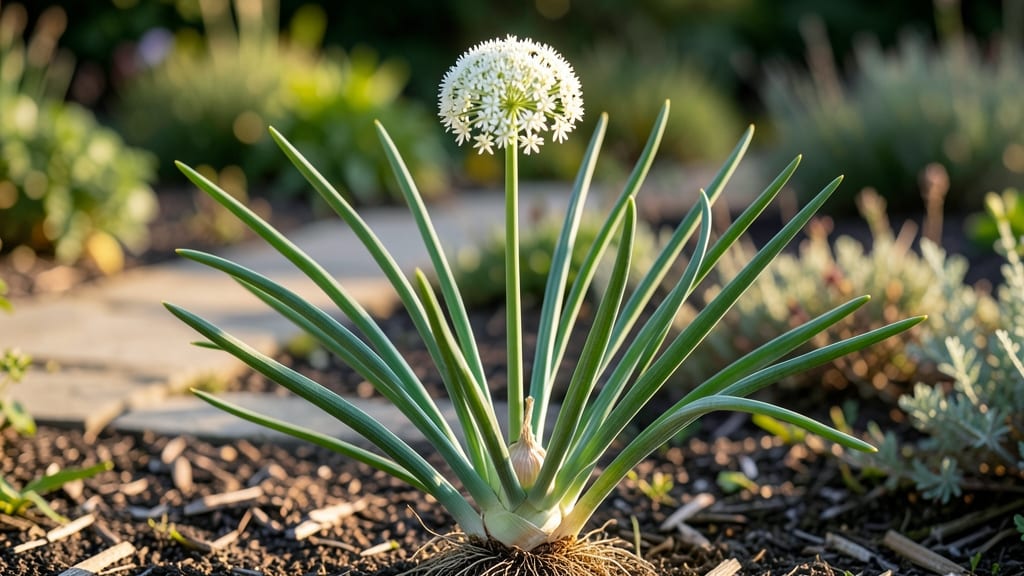
Green onions flower faster than you think—and that's actually a good thing. 🌱 Those delicate white blooms mean your plants are thriving, not failing, but they do signal it's time to act if you want more greens.
The key lies in understanding when flowering happens, why it matters, and how a few simple cuts keep your scallions producing for months.
Flowering occurs when days get longer in spring or after plants mature, usually within 6-8 weeks of planting. The flowers themselves are edible (mild onion flavor), but letting them go to seed means the leaves turn bitter and stop growing.
That's why gardeners who want continuous harvests trim the flower stalks back—it resets the plant's energy toward leaf production.
With just three quick trims—once when flowers appear, again after new growth starts, and a final harvest cut—you'll get 4-6 weeks of regrowth before flowering again. The secret? Snip the stalks at the base when they're 2-3 inches tall, then fertilize lightly to encourage leafy regrowth.
No special tools needed, just sharp scissors and a little patience.
Works for both garden beds and containers, and the same method applies whether you're growing from seed or transplants. The only real mistake is waiting too long to trim—once those flowers open, seed pods form, and your harvest window closes. Let's keep those greens coming!
📚 In This Guide
- What you need
- Instructions
- Tips and common mistakes
- Wrapping up and next steps
What you need
- ● Green onion plants: 3–5 healthy, mature plants (choose varieties like Allium fistulosum or Allium cepa for best flowering results).
- ● Pruning shears: Sharp, clean pair (sterilize with rubbing alcohol before use).
- ● Well-draining potting mix: 2–3 gallons (look for a blend labeled for vegetables/herbs or amend regular soil with perlite/compost).
- ○ Containers (optional but helpful): 1–2 shallow pots (6–8 inches deep) with drainage holes.
- ● Fertilizer: Balanced liquid fertilizer (10-10-10 or 5-5-5) or organic options like fish emulsion.
- ● Watering can or spray bottle: For gentle hydration (avoid soggy soil!).
- ● Sunlight access: 6+ hours of direct sunlight daily (a sunny windowsill or grow light works indoors).
- ● Grow lights: LED full-spectrum bulbs (12–14 hours/day if natural light is limited).
- ● Humidity tray: A shallow tray with pebbles and water to boost moisture (great for indoor setups).
- ● Plant labels: To track trimming schedules and varieties.
- ● Compost tea or seaweed extract: For a natural nutrient boost (mix 1 tbsp per gallon of water).
- ● Camera or sketchbook: To document your green onion plant flowers as they bloom! 📸
How to encourage green onion flowers year-round
Here's the simple method I use to keep green onions blooming indoors or in containers.
🌱 Step 1: Select Mature Green Onion Plants
Choose healthy green onion plants that have already produced 3-4 inches of regrowth after previous harvests. The best candidates are those with thick, white bulbs and lush green tops—these indicate plants with stored energy for flowering. Avoid plants that look leggy or yellowing, as they won't have the strength to bloom.
I like to pick plants that have already been harvested 2-3 times. These have proven they can regrow and store enough energy in their bulbs to support flower stalks. If you're starting fresh, wait until your green onions have 4-6 inches of leaf growth before attempting to encourage blooms.
☀️ Step 2: Provide Bright Light and Warm Conditions
Move your green onion plants to the brightest location possible, preferably a south-facing window or under grow lights. Green onions need at least 6 hours of direct sunlight daily to trigger flowering. If your plants are indoors, supplement with a full-spectrum LED grow light kept 6-12 inches above the plants for 12-14 hours per day.
Keep the temperature between 65-75°F—warmer conditions speed up the flowering process. You'll notice the leaves will start to grow more upright and develop a slightly purple tint at the base, which is your first sign that the plant is preparing to flower. This change usually happens within 7-10 days of optimal light conditions.
✂️ Step 3: Trim Leaves to Encourage Flowering
When you see the first signs of flowering—tall, thin stalks emerging from the center—trim the green onion leaves back by half their length. Use clean, sharp scissors to make the cut just above a leaf node. This redirects the plant's energy from leaf production to flower development. I always do this in the morning so the plant has the entire day to recover and redirect its resources.
After trimming, reduce watering slightly—keep the soil evenly moist but not soggy. Overwatering can cause the plant to focus on root growth instead of flowering. You'll see new flower stalks emerge within 1-2 weeks. If no new growth appears after two weeks, give the plant a balanced liquid fertilizer to boost its energy reserves.
💧 Step 4: Maintain Flowers and Prepare for Regrowth
Once flowers appear, keep them healthy by watering at the base every 2-3 days—enough to moisten the soil 1-2 inches deep. Avoid getting water on the flowers themselves, as this can cause them to wilt prematurely. You'll notice the flower stalks will grow 4-8 inches tall over 2-3 weeks, depending on light and temperature conditions.
After the flowers fade, you can harvest the green onions again by cutting the leaves back to 1-2 inches above the bulb. With proper care, your green onion plant will often produce 2-3 flower cycles per year. This is the moment that matters: a well-maintained plant will reward you with continuous blooms and fresh green onions throughout the growing season.
Tips & tricks for perfect green onion flowers
Real talk: these simple tweaks make all the difference between occasional blooms and year-round green onion flowers.
Light is Everything: That 6 hours of sunlight is non-negotiable—green onions need intense light to trigger flowering. If your windows aren't sunny enough, invest in a basic LED grow light. I've seen plants go from zero to flower in just 7-10 days when they get that 12-14 hours of light daily. Place your light 6-12 inches above the plants for even coverage, and rotate the plants daily so they grow straight rather than leaning toward the light.
Timing Your Trims: The morning trim in Step 3 is crucial—it gives your plants the full day to recover and redirect energy. I've found that trimming when the leaves are slightly damp (from morning dew) actually helps prevent stress. Use clean scissors and make cuts just above a leaf node—this is where new growth will emerge. If you notice the leaves turning yellow after trimming, you've cut too close to the bulb.
Temperature Matters: That 65-75°F range isn't just ideal—it's essential. Warmer temps speed up flowering, but don't exceed 75°F or you'll stress the plants. I keep mine near a sunny window during winter months, and use a small space heater (set to low) in cooler rooms. The purple tint at the base is your first visual cue that the plants are preparing to flower—don't ignore it!
Watering Wisdom: The "evenly moist but not soggy" rule is harder than it sounds. Use your finger to check soil moisture—it should feel like a wrung-out sponge. I've seen plants drown in pots that seem dry on top. Water at the base only, avoiding the leaves and flowers to prevent fungal issues. After trimming, reduce watering by about 20% to encourage flowering instead of leaf growth.
Pro Tips for Green Onion Plant Flower
- Real talk: these simple tweaks make all the difference between occasional blooms and year-round green onion flowers.
- Light is Everything: That 6 hours of sunlight is non-negotiable—green onions need intense light to trigger flowering.
- Timing Your Trims: The morning trim in Step 3 is crucial—it gives your plants the full day to recover and redirect energy.
Frequently asked questions
Got questions about those pretty green onion plant flowers? You’re not alone! Here are answers to the most common queries—from curious gardeners to home cooks looking to maximize their harvest.
Why does my green onion plant flower?
Green onions flower as part of their natural life cycle, signaling they’re ready to produce seeds. If you’re growing them for greens, flowering means the plant is maturing—either harvest the leaves before it bolts or let it go to seed for next year’s crop. Pro tip: Snip the flower stalk early to redirect energy back into leaf growth!
How long until green onions flower after planting?
Timing varies, but most green onions flower 60–90 days after planting, especially in warm weather. If you’re growing from seed, expect flowers sooner (4–6 weeks). For scallions planted from sets or store-bought roots, flowering may take 8–12 weeks. Cool seasons slow bolting—plant in early spring or fall for delayed blooms.
Can I still use green onions after they flower?
While the leaves may toughen slightly post-flowering, they’re still edible. Focus on harvesting the younger, inner leaves first. If the plant bolts aggressively, cut it back to the base—new growth will sprout from the roots. Bonus: The flower stalks (scape) are edible too (like garlic scapes) and add a mild onion flavor to stir-fries!
What can I do to prevent green onions from flowering?
Slow bolting with these tricks:
- Harvest regularly: Cut leaves 2–3 inches from the base to delay flowering.
- Choose slow-bolting varieties: Try ‘Evergreen Hardy White’ or ‘Tokyo Long White’ for extended harvests.
- Plant in partial shade: Too much sun (especially heat) triggers early flowering.
- Use containers: Smaller pots restrict root growth, stalling bolting.
For indoor growers, LED grow lights with 12–14 hours of light/day can help too!
Are green onion flowers edible, and how do I use them?
Yes! The flower buds (scape) and even the tiny blooms are edible. Use them like chives:
- Garnish soups, salads, or eggs.
- Add to omelets or scrambled eggs for a mild onion kick.
- Pickle the flowers in vinegar for a tangy, decorative condiment.
- Blend into pestos or chimichurri.
Warning: Overcooking can make them bitter—use them raw or lightly sautéed.
Can I regrow green onions after they flower?
Sometimes! If the base is still firm and the roots are healthy, trim the flower stalk and leaves down to 1–2 inches above the soil. Keep the soil moist and place it in bright, indirect light. You might get 1–2 more harvests before the plant declines. For a fresh start, replant from seed or sets in the next growing season.
Wrapping up and next steps
Growing a green onion plant flower isn’t just about harvesting fresh greens—it’s a rewarding journey of nurturing vibrant blooms year-round! With just three simple trims, you can enjoy both edible shoots and stunning flowers while keeping your plant thriving.
Whether you’re a beginner or a seasoned gardener, this method makes it easy to extend your harvest and enhance your garden’s beauty.
Now that you’re armed with the know-how, roll up your sleeves and give it a try! Start with a single pot or expand to a full garden bed—every trim brings you closer to a lush, flowering green onion plant. Ready to plant? Grab your seeds and get growing today! 🌱✨