
Container Gardens
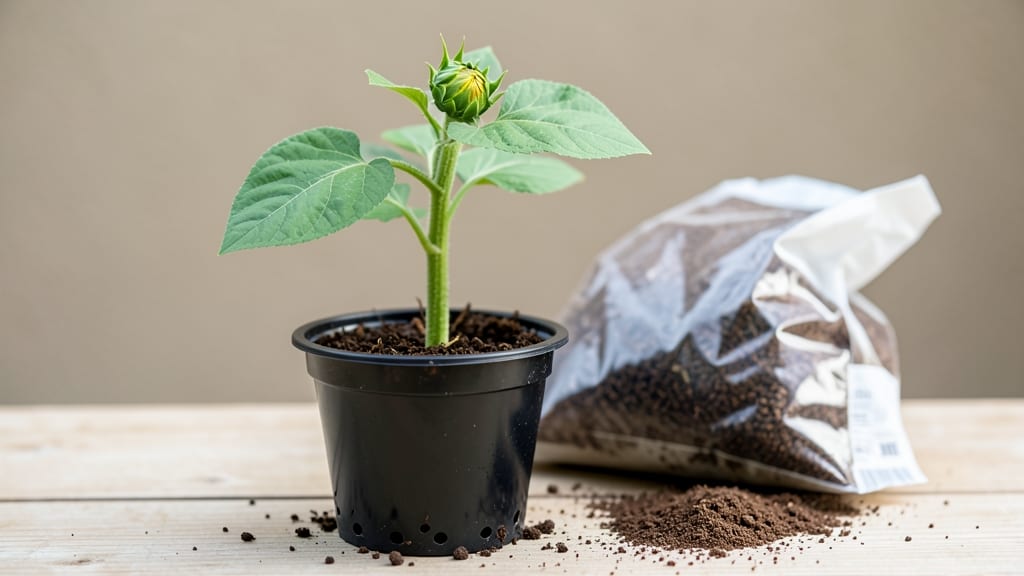
Growing sunflowers in pots indoors lets you enjoy those iconic blooms even in apartments or small spaces. 🌻 I’ve watched sunflowers reach 6 feet tall in my living room using just a sunny windowsill and the right dwarf variety—no yard required.
The key is choosing compact types like ‘Moulin Rouge’ or ‘Teddy Bear,’ which stay manageable indoors while still delivering jaw-dropping color.
You’ll need a 5-gallon pot (or larger for taller varieties), well-draining potting mix, and a spot with 6+ hours of direct sunlight daily. Sunflowers are heavy drinkers, so a saucer or self-watering pot helps prevent root rot, and a sturdy stake keeps stems from toppling over as they grow.
The real magic happens when you mimic outdoor conditions—just add warmth, consistent moisture, and a little patience.
By mid-summer, you’ll be snapping photos of sunflowers towering over your couch, their petals catching every beam of light. The scent alone—sweet and earthy—makes it feel like summer, even in winter. And because they’re annuals, you can replant a fresh batch each year without the long-term commitment of perennials.
This method works for any sunflower lover, from city dwellers to gardeners with limited outdoor space. The only challenge? Keeping them upright as they grow—so grab a sturdy stake now and save yourself a toppled plant later. Ready to bring the sun indoors?
📚 In This Guide
- What you need
- Instructions
- Tips and common mistakes
- Wrapping up and next steps
What you need
- ● Sunflower seeds: Choose dwarf varieties (e.g., 'Teddy Bear,' 'Moulin Rouge,' or 'Sunspot')—they thrive in pots! Aim for 3–5 seeds per pot (they germinate fast, so extra helps!).
- ● Containers: Minimum 12-inch diameter and 12-inch deep pots (bigger = happier sunflowers!).
- ● Drainage holes are a must—no soggy roots allowed!
- ○ Optional: Self-watering pots or fabric grow bags for consistency.
- ● Potting mix: Use a well-draining, nutrient-rich mix (e.g., 60% potting soil + 30% perlite + 10% compost). Avoid garden soil—it compacts and suffocates roots!
- ● Grow lights or sunny window: South-facing window (6+ hours of sunlight daily).
- ● LED grow lights (12–16 hours/day if natural light is limited).
- ● Watering can or spray bottle: Keep soil consistently moist but not waterlogged.
- ● Fertilizer: Balanced 10-10-10 or 20-20-20 liquid fertilizer (diluted to half-strength). Apply every 2–3 weeks once sprouts appear.
- ● Support stakes or cages: Tall varieties (even dwarf ones!) need bamboo stakes or tomato cages for stability as they grow.
- ● Pruning shears: For trimming dead leaves or harvesting (if you’re feeling fancy!).
- ● Mulch (e.g., straw or coconut coir) to retain moisture.
- ● pH test kit (ideal range: 6.0–7.0 for sunflowers).
- ● Humidity tray (pebbles + water) if your home is dry.
- ● Plant labels to track varieties and watering schedules.
- ● Decorative pots or saucers to match your indoor aesthetic!
Step-by-step instructions for growing sunflowers in pots indoors
Here’s how to coax those sunflower stalks to 10 feet tall—even on a city balcony or windowsill.
🌱 Step 1: Select the Right Containers and Soil Mix
Start with 5-gallon pots (minimum) for each plant—sunflowers need deep roots to support their height. I use lightweight fabric grow bags because they prevent root circling and allow excess water to evaporate. Fill each pot with a well-draining mix: blend 50% potting soil, 30% perlite, and 20% compost. This ensures aeration while retaining moisture without suffocating roots.
Sunflowers hate soggy soil, so add a 2-inch layer of gravel at the bottom for drainage. Tap the pot gently after filling to settle the mix—you want it fluffy but not airy. Press down just enough so the surface is firm, but don’t compact it like garden soil. The goal is a texture that holds moisture but lets roots spread freely.
🌱 Step 2: Plant Seeds at the Correct Depth and Spacing
Drop one seed per pot—crowding leads to weak, leggy stems that’ll flop over. Plant the seed 1 inch deep, pressing lightly but not burying it too deeply. Sunflower seeds germinate best in warm soil (70–80°F), so place pots on a seedling heat mat if your home runs cooler. Water gently until the soil feels evenly moist to the touch—not dripping, just damp.
Here’s the thing—sunflower seeds are huge, and they need space to push through the soil. If you’re planting multiple pots, space them 12 inches apart to avoid competition. Cover the pots with a clear plastic dome (or wrap them in plastic wrap) to trap warmth and humidity. Check daily for condensation—if it’s gone, mist lightly to keep the soil moist but not waterlogged.
☀️ Step 3: Provide Maximum Light and Support Early
Sunflowers are sun-worshippers, and indoors, that means 14+ hours of bright light daily. A south-facing window won’t cut it—you’ll need a full-spectrum LED grow light positioned 6 inches above the seedlings. Raise it as they grow to maintain that distance. Without enough light, stems stretch painfully thin (called "legginess"), and the plant never recovers.
Once the first true leaves appear (about 7–10 days), install a sturdy bamboo stake or metal rod in each pot. Push it 3–4 inches into the soil so it stays upright as the stem grows. Sunflowers can reach 10 feet tall, and without support, they’ll topple over. I tie the stem loosely to the stake with soft garden twine every 2–3 feet as it grows—never too tight, or you’ll restrict expansion.
💧 Step 4: Water Deeply and Fertilize Strategically
Water only when the top 2 inches of soil feel dry—sunflowers in pots dry out fast. I use a watering can with a narrow spout to soak the soil deeply without splashing leaves. Overwatering causes root rot, which kills plants in days. Let excess water drain completely—never let pots sit in saucers of standing water.
Start fertilizing 3 weeks after germination with a balanced liquid fertilizer (10-10-10) diluted to half strength. Feed every 2 weeks during active growth. Sunflowers are heavy feeders, but too much nitrogen makes them grow leaves instead of flowers. Switch to a low-nitrogen, high-phosphorus fertilizer (5-10-10) once the bud forms to encourage blooming.
✂️ Step 5: Prune for Health and Encourage Blooms
Remove any side buds that form below the main flower head—this directs energy into one massive bloom instead of multiple small ones. Pinch off buds with your fingers or clean pruners, cutting just above the leaf node. Real talk: This step is brutal if you love flowers, but it’s worth it for that single, show-stopping bloom.
Watch for yellowing leaves—this usually means overwatering or nutrient deficiency. If the lower leaves yellow first, it’s normal aging. But if new leaves yellow too, flush the soil with water to remove excess salts from fertilizer buildup. Deadhead the spent bloom only after it fully wilts—this prevents the plant from wasting energy on seed production and encourages a second (smaller) bloom in some varieties.
Tips & tricks for growing towering sunflowers indoors
Here's what I've learned after growing sunflowers indoors for years—these tricks make all the difference between a sad, stunted plant and a towering 10-foot beauty.
Container Depth Matters: While the instructions call for 5-gallon pots, I've found that deeper containers (like 7-gallon grow bags) give roots the extra space they need to anchor that massive stem. The key is ensuring the pot is at least 12 inches deep—sunflower roots can grow surprisingly long. If you're limited to smaller pots, consider using a fabric grow bag that can expand as the roots develop. The drainage benefits alone make them worth the investment.
Soil Temperature Secret: The instructions mention warm soil (70-80°F) for germination, but here's what nobody tells you—consistent warmth matters even after sprouting. I place my pots on a seedling heat mat for the first 2 weeks, then switch to a self-regulating heat cable wrapped around the pot. This mimics outdoor conditions where soil stays warm at the root zone. The difference in stem strength and growth rate is night and day.
Light Intensity Hack: That 14+ hours of light requirement is non-negotiable, but not all grow lights are created equal. I've tested several and found that a 10,000-lumen LED grow light with a full spectrum (including red and blue wavelengths) produces the best results. Position it just 6 inches above the seedlings, but be prepared to raise it as they grow—sunflowers will stretch toward any light source if they're not getting enough intensity. I run mine on a timer for exactly 16 hours daily to give them that extra boost.
Support System Upgrade: The instructions recommend bamboo stakes, but for sunflowers reaching 10 feet, I've switched to heavy-duty metal rebar stakes that I pound 18 inches into the soil. These stay put even when the plant sways in drafts. For extra stability, I add a second stake on the opposite side of the pot, creating an "X" support system. The secret is to tie the stem loosely with soft twine every 2 feet—tight ties restrict growth and can damage the stem as it thickens.
Pro Tips for Growing Sunflowers In Pots Indoors
- Here's what I've learned after growing sunflowers indoors for years—these tricks make all the difference between a sad, stunted plant and a towering 10-foot beauty.
- Container Depth Matters: While the instructions call for 5-gallon pots, I've found that deeper containers (like 7-gallon grow bags) give roots the extra space they need to anchor that massive stem.
- Soil Temperature Secret: The instructions mention warm soil (70-80°F) for germination, but here's what nobody tells you—consistent warmth matters even after sprouting.
Frequently asked questions
Got questions about growing sunflowers indoors? You’re not alone! Here are some common concerns—and their solutions—to help you cultivate happy, healthy sunflowers in pots.
Can sunflowers grow tall enough indoors without sunlight?
Sunflowers need bright light to reach their full height, but with a grow light (12–16 hours/day), you can still grow them indoors—just expect dwarf varieties (3–5 ft) instead of giants. Place pots near a south-facing window or supplement with LED grow bulbs for best results!
How long does it take for sunflowers to bloom indoors?
Indoor sunflowers typically bloom in 8–12 weeks from seed, depending on the variety and light conditions. Dwarf types like ‘Teddy Bear’ may flower faster (6–8 weeks), while taller varieties take longer. Patience is key—consistent light and care speed up the process!
Why are my sunflower leaves turning yellow?
Yellow leaves usually mean overwatering, nutrient deficiency, or poor drainage. Check soil moisture (top inch should dry out between waterings) and ensure pots have drainage holes. Yellowing lower leaves are normal as the plant matures, but crispy edges or wilting signal underwatering.
What’s the best pot size for indoor sunflowers?
For dwarf varieties, a 5–7 gallon pot (12–14 inches deep) is ideal. Taller sunflowers need 10+ gallons to support their roots. Use lightweight containers (fabric or plastic) to avoid tipping, and add potting mix with perlite for aeration.
Can I grow sunflowers indoors year-round?
Yes! With grow lights and controlled conditions (60–75°F), sunflowers thrive indoors all year. However, they’re photoperiod-sensitive—longer daylight hours (spring/summer) encourage faster growth. In winter, extend light exposure to 14–16 hours/day for best results.
Will indoor sunflowers produce seeds?
Most indoor-grown sunflowers won’t produce viable seeds due to limited pollination. If you spot blooms, hand-pollinate with a paintbrush (transfer pollen between flowers). For seeds, opt for open-pollinated varieties like ‘Russian Giant’—but expect smaller yields than outdoor plants.
Wrapping up and next steps
Growing sunflowers in pots indoors is a rewarding way to bring nature’s joy—even without outdoor space! 🌻 With the right containers, sunlight, and care, you’ll watch those cheerful blooms reach for the sky. Start small, stay patient, and soon you’ll have a sunflower spectacle right in your home.
Ready to dive in? Pick your pots, grab those seeds, and let your indoor garden begin! Your future sunflowers are waiting for you.