
Flowers
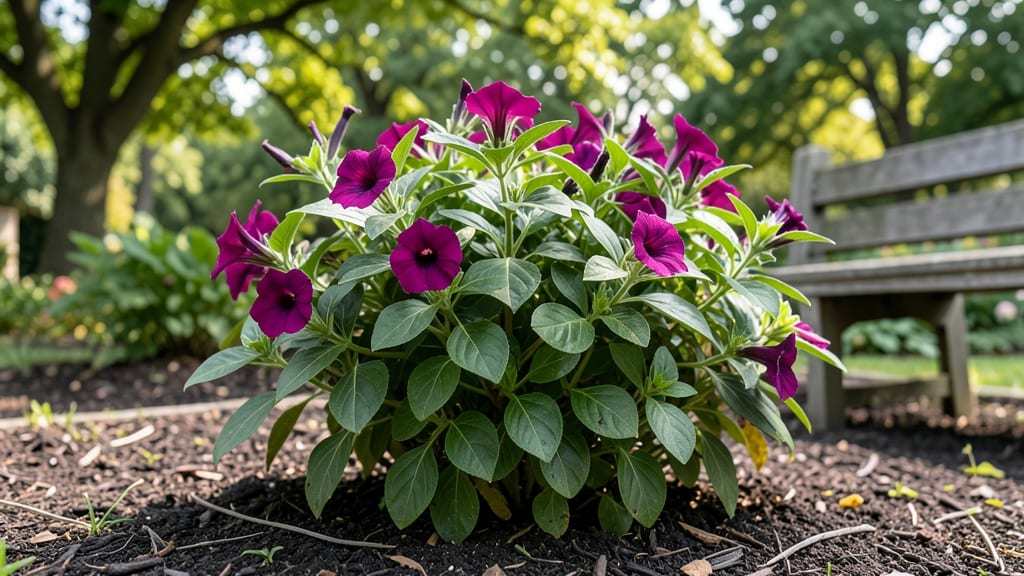
Guinea impatiens flowers bring vibrant, jewel-toned blooms year-round, but mastering their care means understanding their tropical roots. I’ve grown them in partial shade for five summers, and the secret to their nonstop flowering lies in precise pruning—cutting back just enough to trigger fresh growth without overdoing it.
The first time I saw them rebound after a hard trim, I knew this was the key to keeping them lush and productive.
These plants thrive in humid, filtered light—think dappled shade under trees or a bright indoor spot away from harsh sun. They despise soggy soil, so well-draining potting mix and regular watering (but never soggy roots) are non-negotiable.
A light fertilizer every 4-6 weeks keeps the blooms coming, and pinching back leggy stems encourages bushier growth. The payoff? A plant that flowers continuously from spring through fall—and sometimes even winter in warm climates.
Pruning isn’t just about shaping; it’s about triggering new blooms. Shear back stems by a third when they get too long, and you’ll see fresh flowers within weeks. Guinea impatiens also love a little humidity, so misting or placing them near a pebble tray helps in dry indoor spaces.
The result? A plant that stays compact, colorful, and full of life with minimal effort.
Whether you’re growing them in containers on a patio or as a houseplant by the window, the same rules apply: light, humidity, and regular pruning.
Skip the harsh afternoon sun, avoid letting them dry out, and you’ll have a plant that rewards you with nonstop blooms—exactly what makes them worth the fuss.
📚 In This Guide
- What you need
- Instructions
- Tips and common mistakes
- Wrapping up and next steps
What you need
- ● Guinea impatiens seeds or young plants: Seeds: 50–100 (for a small patch) or 200+ (for a full garden bed). Choose heirloom or hybrid varieties for best results.
- ● OR Transplants: 12–24 plants per 10 sq. ft. (spaced 6–12 inches apart).
- ● Well-draining potting mix or garden soil: 1–2 bags (18–24 qt. each) of peat-based or coconut coir mix (for containers).
- ● Improve garden soil with compost (1–2 inches mixed into the top 6 inches of bed).
- ● Containers or garden bed: Containers: 5–10 inch pots (1 plant per pot) or hanging baskets (3–4 plants per basket).
- ● Garden bed: Full sun to partial shade (4+ hours of light daily).
- ● Watering can or hose with a gentle spray nozzle.
- ● Fertilizer: Balanced 10-10-10 or 20-20-20 liquid fertilizer (diluted to half-strength).
- ● Slow-release granules (e.g., Osmocote) for long-term feeding.
- ● Pruning shears or clean scissors.
- ○ Mulch (optional but recommended): Shredded bark or straw (1–2 inches thick) to retain moisture.
- ● Grow lights: For indoor seedlings (12–16 hours of light daily).
- ● Soil moisture meter: To avoid over/under-watering.
- ● Epsom salt: 1 tbsp per gallon of water (monthly for magnesium boost).
- ● Insecticidal soap or neem oil: For pest control (aphids, spider mites).
- ● Stakes or cages: For tall varieties (e.g., 'Super Elfin' hybrids).
How to grow guinea impatiens flowers for vibrant, long-lasting color
Here's the straightforward approach I've used to keep these tropical beauties thriving indoors and out.
Choose the Perfect Planting Location
Guinea impatiens love bright, indirect light—think east-facing windows or filtered sunlight. Direct sun will scorch their delicate leaves, while too little light causes leggy growth and sparse blooms. I place mine 3-4 feet from a south-facing window where they get gentle morning sun and afternoon shade.
For outdoor growing, select a spot with dappled shade—under a tree canopy or on a covered patio works best. These plants can't handle harsh afternoon rays, especially in hot climates. Watch for leaves that turn yellow or crisp at the edges—this is your signal to move them to a shadier spot immediately.
Prepare Well-Draining Soil and Containers
Use a light, airy potting mix with added perlite or orchid bark to prevent root rot. I mix 2 parts potting soil with 1 part perlite to ensure excellent drainage—Guinea impatiens hate soggy roots. Choose containers with drainage holes and at least 6 inches of depth for each plant.
If growing in the ground, amend the soil with compost and a handful of perlite to improve aeration. These plants prefer slightly acidic soil (pH 6.0-6.5), so test your garden soil before planting. If your soil is heavy clay, raise the plants in containers to avoid waterlogging during heavy rains.
Plant and Water for Immediate Establishment
Gently remove the plant from its nursery pot and loosen the roots if they're circling. Place it in the prepared container or garden bed, ensuring the top of the root ball sits just below the soil line. Press the soil lightly around the base to secure the plant without compacting it too tightly.
Water thoroughly right after planting until water runs freely from the drainage holes. Guinea impatiens like consistently moist but not soggy soil—think of a damp sponge, not a dripping one. I water mine every 2-3 days in warm weather, adjusting for humidity levels. Let the top ½ inch of soil dry out between waterings to prevent fungal issues.
Feed and Prune for Continuous Blooms
Start fertilizing 2 weeks after planting with a balanced liquid fertilizer (10-10-10) diluted to half strength. Feed every 2-3 weeks during the growing season to encourage lush foliage and abundant flowers. I switch to a low-nitrogen, high-phosphorus fertilizer (5-10-5) when I notice blooms slowing down—this gives them the phosphorus boost they need for more flowers.
Prune regularly to maintain shape and encourage bushiness. Pinch back the tips of new growth when stems reach 4-6 inches to promote branching. Deadhead spent blooms weekly—this prevents seed pods from forming and redirects energy into new flowers. Use clean, sharp scissors to make cuts just above a leaf node.
Protect and Maintain Year-Round Health
Guinea impatiens are tender perennials that can't handle frost. If you live in a cold climate, treat them as annuals or bring them indoors before temperatures drop below 50°F. I move mine to a bright, cool room (around 60-65°F) in fall and reduce watering slightly during winter dormancy.
Watch for pests like spider mites or aphids, which love the tender new growth. I spray plants with neem oil solution weekly as a preventive measure—this keeps pests at bay without harming the delicate foliage. If you notice sticky residue on leaves, wipe it off with a damp cloth and increase airflow around the plant to dry it out faster.
Tips & tricks for perfect guinea impatiens flowers
These simple strategies will help you keep your tropical blooms vibrant and thriving all year long.
Lighting Insight: If your east-facing window doesn't provide enough light, supplement with a grow light for 12-14 hours daily. I noticed my plants stretching toward the window until I added a simple LED grow bulb—this stopped the leggy growth and kept those bright flowers coming. Position the light 6-12 inches above the foliage for best results.
Soil Secret: The 2:1 potting soil to perlite ratio is crucial for preventing root rot, but don't forget to fluff the mix before planting. I've found that gently aerating the soil with a fork helps create even better drainage. For container plants, add a layer of small pebbles at the bottom of the pot to create a drainage reservoir that prevents waterlogging.
Watering Wisdom: The "damp sponge" test is key—stick your finger about ½ inch into the soil. If it feels dry, it's time to water. I've learned that watering in the morning gives the plants time to dry out during the day, which helps prevent fungal issues. Avoid getting water on the leaves to minimize disease risk, especially in humid conditions.
Fertilizer Timing: The switch to low-nitrogen, high-phosphorus fertilizer (5-10-5) at the first sign of slowing blooms makes a noticeable difference. I've found that applying this fertilizer right after deadheading spent blooms gives the plants an extra boost to produce more flowers. Always water thoroughly before and after fertilizing to prevent root burn.
Pro Tips for Guinea Impatiens Flowers
- These simple strategies will help you keep your tropical blooms vibrant and thriving all year long.
- Lighting Insight: If your east-facing window doesn't provide enough light, supplement with a grow light for 12-14 hours daily.
- Soil Secret: The 2:1 potting soil to perlite ratio is crucial for preventing root rot, but don't forget to fluff the mix before planting.
Frequently asked questions
How often should I water Guinea Impatiens?
These beauties love moisture! Water them daily during hot, dry spells to keep soil consistently damp (but not soggy). In cooler weather, reduce to every 2–3 days. Pro tip: Mulch around the base to retain humidity and reduce evaporation.
When is the best time to prune Guinea Impatiens for fuller growth?
Prune in early spring or after flowering to encourage bushier plants. Snip back leggy stems by ⅓ to promote branching. For year-round blooms, lightly trim spent flowers weekly. Avoid heavy pruning in fall—let them rest!
Can Guinea Impatiens grow in shade? What’s the ideal light?
Yes! They thrive in partial shade (2–6 hours of sunlight daily). Too much sun scorches leaves, while deep shade may reduce blooms. A bright, indirect spot (like under trees) is perfect. Troubleshooting: Yellowing leaves? Move to a shadier spot!
What pests commonly attack Guinea Impatiens, and how do I treat them?
Watch for aphids, spider mites, or whiteflies. Blast pests off with water or use neem oil for organic control. Preventative tip: Encourage beneficial insects (like ladybugs) by planting nearby marigolds.
Are Guinea Impatiens annuals or perennials?
They’re tender perennials—hardy in USDA zones 10–11. In colder climates, treat them as annuals or overwinter indoors. Save seeds or cuttings to propagate next year!
Wrapping up and next steps
Guinea impatiens flowers are a gardener’s dream—vibrant, low-maintenance, and perfect for year-round color with the right pruning techniques! 🌸 Whether you’re a seasoned pro or a beginner, these cheerful blooms reward patience and care with lush, continuous flowers.
Ready to transform your space? Start small—try a few plants in pots or garden beds—and watch your garden burst into life!
Next up: Experiment with companion plants to extend their beauty or share tips with fellow plant lovers. Happy gardening!