
Flowers
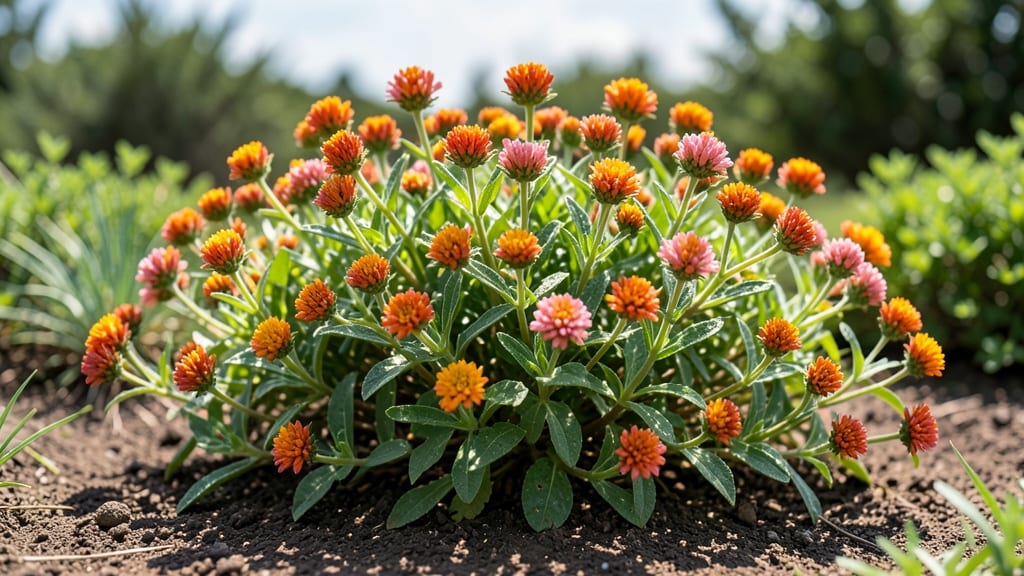
Heat-resistant flowers are the unsung heroes of summer gardens—blooming boldly when others wilt. 🌞 I learned this the hard way after my first heatwave fried my prized petunias, but these tough varieties never let me down again.
They handle 90-degree days with ease, so you can enjoy vibrant blooms even when the mercury climbs.
The secret lies in their natural adaptations: thick leaves that retain moisture, deep roots that seek water, and waxy coatings that reflect sunlight.
You’ll need well-draining soil (mix in sand or gravel if yours is heavy), minimal watering—think deep soaks once a week instead of daily sprinkles—and a spot with full sun exposure (at least 6 hours daily). Mulch with straw or pebbles to lock in moisture and keep roots cool.
Picture your garden in August: lantana’s fiery clusters, portulaca’s sunburst blooms, and gaillardia’s fiery wheels all thriving while your neighbors’ plants droop. These flowers don’t just survive—they outperform in the heat, often blooming longer and more prolifically than their heat-sensitive cousins.
With the right care, you’ll have a summer display that turns heads and keeps your garden looking its best.
Whether you’re in the desert Southwest or a humid Southeast, these varieties adapt—just adjust watering slightly (more in humidity, less in dry heat). Prune spent blooms to encourage new growth, and watch as your heat-resistant garden becomes the envy of the neighborhood.
Ready to make this summer your garden’s best yet?
📚 In This Guide
- What you need
- Instructions
- Tips and common mistakes
- Wrapping up and next steps
What you need
- ● Heat-resistant flower seeds or plants: Choose from varieties like Lantana, Portulaca (Moss Rose), Zinnia, or Blanket Flower. Buy 3–5 plants or seed packets (depending on desired coverage).
- ● Well-draining potting mix or garden soil: Opt for a cactus/succulent blend (if potted) or amend garden soil with compost and perlite (ratio: 2 parts soil, 1 part compost, 1 part perlite). 5–10 gallons per plant or 1 cubic yard for in-ground planting.
- ● Containers (if potted): Use terracotta, ceramic, or fabric grow bags (minimum 5–7 gallons per plant). Ensure they have drainage holes!
- ● Organic mulch: 1–2 inches of straw, wood chips, or gravel to retain moisture and regulate soil temperature.
- ● Slow-release fertilizer: A balanced, heat-tolerant formula (10-10-10 or 20-20-20). Use 1–2 tablespoons per plant at planting time.
- ● Garden trowel or hand shovel (for planting).
- ● Watering can or hose with a gentle spray nozzle (drip irrigation is ideal for heat-resistant gardens!).
- ● Pruning shears (to trim dead blooms and encourage new growth).
- ○ Gloves (optional but helpful for handling prickly plants like Lantana).
- ○ pH testing kit (optional; ensures soil pH is 6.0–7.0, ideal for most heat-lovers).
- ● Sunny location: Choose a spot with 6+ hours of direct sunlight daily. Partial shade in peak afternoon heat (1–3 PM) can help in extreme climates.
- ● Water source nearby: Heat-resistant flowers need consistent moisture but hate soggy roots. Water deeply 2–3 times per week (adjust for rainfall).
- ● Heatwave prep: If temps exceed 95°F (35°C), provide light shade cloth or mulch heavily to protect roots.
- ● Patience: Some varieties (like Portulaca) germinate in 7–10 days, while others may take 2–3 weeks. Keep soil moist until sprouts appear!
How to select and plant heat-resistant flowers for year-round color
Here’s my go-to approach for choosing and establishing sun-loving blooms that won’t wilt when temperatures climb.
🌱 Step 1: Choose the Right Heat-Tolerant Varieties
Focus on species bred for high temperatures and drought conditions—look for Lantana, Zinnias, Portulaca (Moss Rose), and Salvia as top performers. These thrive in full sun (6+ hours daily) and 90°F+ temperatures, while others like Black-Eyed Susans and Blanket Flowers handle heat with ease once established.
Check your USDA Hardiness Zone to confirm suitability—most heat-resistant annuals (like Gomphrena or Celosia) self-seed prolifically in Zones 7-11. If your summers are extreme (100°F+), opt for succulent-like flowers like Portulaca or Aptenia, which store water in their leaves and bloom continuously.
☀️ Step 2: Prepare the Soil for Heat Retention and Drainage
Amend your soil with 1-2 inches of compost and 1 part perlite or coarse sand to improve drainage—heat-resistant flowers hate soggy roots. I mix in slow-release fertilizer (like 10-10-10) at planting to support early growth without overfeeding, which stresses plants in high heat.
For containers, use lightweight potting mix with 20% added perlite—this prevents compaction and lets excess water drain quickly. If planting in full sun, mulch with 1-2 inches of gravel or landscape fabric to reflect heat away from the soil surface and reduce evaporation.
🪴 Step 3: Plant at the Right Time and Depth
Wait until after the last frost date in spring, but before mid-summer—planting in late spring (May-June) gives roots time to establish before peak heat. Dig holes twice as wide as the root ball but only as deep as the container’s base—burying too deep suffocates roots.
Space plants according to mature size: Zinnias need 12-18 inches apart, while Lantana can handle 18-24 inches. Water deeply once planted, then let the soil dry slightly before watering again—this encourages deep root growth, which is critical for heat survival.
💧 Step 4: Water Strategically to Avoid Stress
Water early in the morning (5-8 AM) to let foliage dry before evening—this prevents fungal diseases like powdery mildew, which thrives in humid, hot conditions. Aim for 1-1.5 inches of water per week, delivered deeply at the base rather than overhead.
Mulch with 2-3 inches of straw or pine needles to retain moisture and regulate soil temperature. Avoid wetting leaves, especially in afternoon heat—this can scorch petals and attract pests. If your area experiences drought conditions, group plants in clusters to create microclimates that retain humidity.
✂️ Step 5: Prune and Maintain for Continuous Blooms
Deadhead spent blooms weekly to encourage new flowers—this is especially critical for Zinnias and Salvia, which reward regular pruning with prolonged flowering. Use clean, sharp shears and cut just above a set of leaves to promote bushier growth.
Fertilize lightly every 4-6 weeks with a balanced liquid fertilizer (like 5-5-5) diluted to half-strength. Overfeeding in heat can lead to leafy growth at the expense of flowers, so prioritize low-nitrogen formulas once plants are established. Watch for yellowing leaves—this often signals overwatering or nutrient burn in extreme heat.
Tips & tricks for perfect heat-resistant flower gardens
Here's what I've learned after years of growing vibrant blooms that refuse to wilt in summer's fiercest heat.
Variety Selection: When choosing from Step 1's recommended varieties, prioritize Portulaca and Lantana for extreme heat zones (100°F+). These thrive where others struggle, and their succulent-like leaves store moisture efficiently. For slightly cooler areas (90°F-99°F), Zinnias and Salvia offer stunning color while maintaining resilience. I've found that Gomphrena and Celosia self-seed prolifically in Zones 7-11, creating natural succession planting that extends your blooming season effortlessly.
Soil Preparation Strategy: In Step 2, don't just amend your soil—transform it. For containers, I blend 60% lightweight potting mix, 20% perlite, and 20% coconut coir to create an airy, moisture-wicking medium. The coconut coir holds water while allowing excess to drain quickly, preventing the root rot that plagues heat-sensitive plants. For in-ground planting, consider adding 1 part vermiculite to your compost mix—it retains moisture better than perlite while still improving drainage.
Planting Timing: The late spring (May-June) window in Step 3 is crucial for establishing strong root systems before summer's peak. However, if you're in a region with early heat waves, consider starting with container-grown plants rather than seedlings. Mature plants already have established root systems that can handle the transition to full sun more gracefully. I've had success transplanting Lantana and Portulaca from containers to garden beds in July, and they bounced back with minimal stress.
Watering Wisdom: The morning watering schedule in Step 4 is non-negotiable, but here's the secret: use a soaker hose placed at the base of plants rather than overhead watering. This delivers water directly to roots where it's needed most, while keeping foliage dry to prevent fungal issues. For established plants, I've found that deep watering every 3-4 days (rather than daily shallow watering) encourages deeper root growth, making plants more drought-resistant over time.
Pro Tips for Heat Resistant Flowers
- Here's what I've learned after years of growing vibrant blooms that refuse to wilt in summer's fiercest heat.
- Variety Selection: When choosing from Step 1's recommended varieties, prioritize Portulaca and Lantana for extreme he...
- Soil Preparation Strategy: In Step 2, don't just amend your soil—transform it. For containers, I blend 60% lightweigh...
Frequently asked questions
Which heat-resistant flowers bloom the longest in summer?
Some of the most durable bloomers include Lantana (continuous blooms), Zinnias (3-4 months with care), and Portulaca (Moss Rose) (thrives in extreme heat). Gomphrena and Salvia are also top picks for their resilience and vibrant colors.
How often should I water heat-resistant flowers?
Watering needs vary, but most heat-tolerant flowers prefer deep but infrequent watering—about 1-2 inches per week. Check soil moisture 2 inches below the surface; if dry, water thoroughly. Mulching helps retain moisture. Morning watering is best to reduce evaporation.
Can I grow heat-resistant flowers in containers?
Many heat-resistant flowers thrive in containers, like Petunias, Geraniums, and Verbena. Use well-draining soil and pots with drainage holes. Ensure containers are placed in sunny spots with wind protection to prevent overheating. Smaller pots dry out faster, so monitor watering closely.
What if my heat-resistant flowers wilt despite proper care?
Wilting can happen even with heat-resistant varieties due to overwatering, pests, or extreme heatwaves. First, check for underlying root rot or aphids. Provide afternoon shade during heat spikes (90°F+). Trim damaged leaves and ensure airflow. If soil is soggy, reduce watering immediately.
Are there any heat-resistant flowers that attract pollinators?
Yes! Lantana, Zinnias, and Coneflowers are pollinator magnets and handle heat beautifully. Bee Balm and Black-Eyed Susans also thrive in warmth while drawing bees, butterflies, and hummingbirds. Planting these creates a low-maintenance, eco-friendly garden.
Wrapping up and next steps
Heat-resistant flowers aren’t just survivors—they’re stunners that turn scorching summers into a garden paradise! 🌞 From vibrant bougainvilleas to hardy lavender, these blooms prove that beauty and resilience go hand in hand.
Whether you’re a seasoned gardener or a curious beginner, adding these sun-loving plants to your space will reward you with low-maintenance, high-impact color all season long.
Ready to transform your outdoor oasis? Start small—pick one or two heat-resistant varieties, test your local climate, and watch your garden flourish under the sun! 🌸
- Next step: Sketch a simple layout or browse nurseries for your top picks!