
Flowers
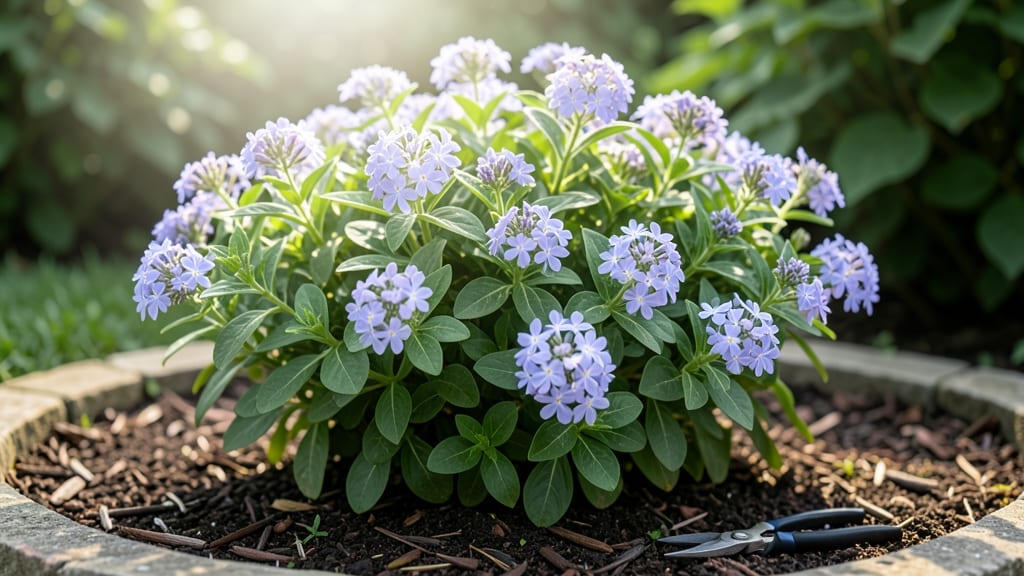
Caring for heliotrope flowers means unlocking that intoxicating vanilla-cinnamon scent year after year—without the fuss of constant pruning. 🌿 I’ve grown these velvety purple blooms for five summers, and the secret lies in understanding their simple needs: well-draining soil, morning sun, and just enough water to keep roots happy but never soggy.
Most gardeners overwater or prune too aggressively, but heliotropes thrive on neglect once established.
The real magic happens with minimal pruning—just trim back leggy stems after blooming to encourage bushier growth. In cooler months, they’ll slow down but never die back completely, making them perfect for containers or borders that need low-maintenance color.
You’ll get those signature clusters of tiny, fragrant flowers from early summer straight through fall with almost no effort.
What you’ll love most is how forgiving they are—even if you forget to water for a week, they bounce back. The scent alone makes them worth growing, but the way they attract pollinators all season?
That’s the cherry on top. Let’s get your heliotropes looking their best with just a few key adjustments.
Whether you’re growing them in pots on a patio or tucked into garden beds, the same care rules apply. They handle heat and humidity beautifully, so they’re ideal for zones 9-11, but with a little winter protection, you can even coax them through milder winters.
Here’s how to keep them thriving all year.
📚 In This Guide
- What you need
- Instructions
- Tips and common mistakes
- Wrapping up and next steps
What you need
- ● Heliotrope plants: Start with healthy nursery-grown plants (6–12 inches tall) or seeds (if sowing indoors 8–10 weeks before the last frost).
- ● Well-draining potting mix: 5–10 gallons (for containers) or enriched garden soil (amend with compost for in-ground planting).
- ○ Containers (optional but recommended): 12–18 inch pots with drainage holes (1–2 plants per container).
- ● Slow-release fertilizer: 10–10–10 or 5–10–5 blend (follow label for application rates).
- ● Watering can or hose with a gentle spray nozzle: Avoid soggy soil—heliotropes hate wet feet!
- ● Pruning shears: Sharp, clean shears (sterilize with rubbing alcohol between cuts).
- ○ Mulch (optional): 1–2 inches of organic mulch (e.g., shredded bark) to retain moisture and suppress weeds.
- ● Sunlight: 6+ hours of full sun daily (partial shade in hot climates).
- ● Temperature: Thrives in USDA zones 9–11; protect from frost (below 30°F/–1°C).
- ● pH level: Slightly acidic to neutral soil (6.0–7.0). Test your soil if unsure!
- ● Drainage: Heliotropes will not tolerate soggy roots—ensure containers or beds drain within 30 minutes.
- ● 🌡️ Hardening off seedlings: If starting from seeds, acclimate young plants to outdoor temps over 7–10 days before transplanting.
- ● ✨ Container hack: Add perlite or vermiculite (20% of mix) to improve drainage in pots.
- ● 🎯 Frost protection: Move potted heliotropes indoors or cover with frost cloth if temps dip below 40°F (4°C).
Step-by-step instructions for cultivating heliotrope flowers
Here's how to keep your heliotrope thriving with simple, effective care.
🌱 Step 1: Choose the Right Location and Soil
Heliotropes love full sun—at least 6-8 hours daily—but they tolerate light shade in hotter climates. I always plant mine where they get morning sun and afternoon shade if temperatures hit 90°F or higher. The soil should drain well but retain moisture; amending with compost improves both texture and fertility.
Work in a 2-3 inch layer of compost before planting to give roots a nutrient boost. Heliotropes hate soggy feet, so if your soil drains poorly, mix in sand or perlite to loosen it. You'll know you've got the right balance when water runs through the soil in 10-15 minutes after watering.
☀️ Step 2: Plant and Water for Establishment
Space plants 18-24 inches apart to allow airflow and prevent fungal issues. Dig a hole twice as wide as the root ball but only as deep as the container it came in. Gently remove the plant, loosen any circling roots, and place it in the hole so the top of the root ball sits level with the soil surface—burying too deep causes rot.
Water deeply right after planting to settle the soil and eliminate air pockets. Use 1-2 gallons of water per plant, letting it soak in completely. Avoid getting leaves wet to prevent mildew. You'll see new growth within 2-3 weeks if conditions are right—watch for dark green leaves and fresh buds forming.
💧 Step 3: Maintain Consistent Moisture and Fertility
Heliotropes need regular watering but hate soggy soil. Water when the top 1-2 inches of soil feel dry to the touch, typically every 2-3 days in summer. I water in the morning so foliage dries quickly, reducing disease risk. Mulch around plants with 2-3 inches of organic mulch to retain moisture and suppress weeds.
Feed plants every 4-6 weeks with a balanced liquid fertilizer (10-10-10) during the growing season. You'll notice stronger stems and more abundant blooms when you fertilize consistently. Reduce feeding in fall as growth slows naturally.
✂️ Step 4: Prune Strategically for Year-Round Blooms
Deadhead spent blooms regularly to encourage continuous flowering. Pinch off faded flowers at the base with clean pruners, making cuts just above a set of healthy leaves. This minimal pruning keeps plants tidy and redirects energy to new growth. I do this weekly during peak bloom—you'll see fresh buds forming within 7-10 days.
In late fall, cut back stems by one-third to shape the plant and remove any leggy growth. This prepares heliotropes for winter dormancy while maintaining a compact form. Avoid heavy pruning in spring; new growth emerges quickly, and you'll have blooms by early summer if you've pruned correctly.
Tips & tricks for perfect heliotrope flower care
Your heliotropes can thrive with just a few key adjustments—here's what I've learned after keeping mine blooming for years.
Sunlight Strategy: That 6-8 hour daily sun requirement is non-negotiable for peak blooms, but I've found morning sun with afternoon shade works best in hot climates. If your area hits 90°F regularly, position plants where they get morning sun and afternoon shade—this prevents leaf scorch while still giving them enough light to flower. Watch for leaves turning yellow at the edges; this is your first sign they're getting too much direct afternoon heat.
Soil Test Tip: Before planting, do this quick test: Dig a small hole, fill it with water, and time how long it takes to drain. If it takes longer than 15 minutes, your soil drains too slowly. Mix in sand or perlite until water drains in exactly 10-15 minutes—that's the sweet spot for heliotropes. I've seen plants in heavy clay soil struggle until we amended it this way.
Watering Wisdom: The 2-3 day watering schedule works perfectly when you water deeply each time. I use the "finger test"—stick your finger 1-2 inches into the soil. If it feels dry, it's time to water. Early morning is best because it gives foliage all day to dry, preventing fungal issues. Never water in the evening, even if the instructions don't say it—this is where most plant diseases start.
Pruning Payoff: That weekly deadheading during peak bloom really works! I've seen plants go from sparse blooms to covered in flowers within just 7-10 days after starting this routine. Use clean pruners and make cuts just above a set of healthy leaves—this encourages bushier growth. In fall, when you cut back by one-third, you're actually preparing the plant for winter while keeping it compact for next year's growth.
Pro Tips for Heliotrope Flower Care
- Your heliotropes can thrive with just a few key adjustments—here's what I've learned after keeping mine blooming for years.
- Sunlight Strategy: That 6-8 hour daily sun requirement is non-negotiable for peak blooms, but I've found morning sun with afternoon shade works best in hot climates.
- Soil Test Tip: Before planting, do this quick test: Dig a small hole, fill it with water, and time how long it takes to drain.
Frequently asked questions
How often should I water my heliotrope plants?
Water heliotropes moderately—about once a week during warm weather (more in containers) and reduce to every 2-3 weeks in winter. Always check soil moisture first: stick your finger 1-2 inches deep; if dry, water thoroughly. Overwatering can cause root rot, so ensure pots have drainage holes!
Can heliotropes survive winter outdoors?
Heliotropes are tender perennials and won’t tolerate frost. In cold climates (<30°F), dig up potted plants or mulch heavily and cover with burlap. For in-ground plants, relocate to a protected container or greenhouse. With proper care, they’ll bounce back in spring!
Why aren’t my heliotrope flowers opening?
Blooms may stay closed due to low light, overcrowding, or nutrient deficiency. Move plants to 6+ hours of sunlight daily, prune leggy stems, and fertilize with a balanced bloom booster (like 10-10-10) every 4-6 weeks. Deadhead spent blooms to encourage new flowers!
What pests commonly attack heliotropes, and how do I treat them?
Watch for aphids, spider mites, or whiteflies. For mild infestations, spray plants with neem oil or insecticidal soap. Severe cases may need horticultural oil. Encourage beneficial insects (like ladybugs) by planting companion flowers like marigolds or basil nearby.
Can I grow heliotropes in containers, and what’s the best pot size?
Yes! Heliotropes thrive in containers. Choose pots at least 12 inches wide/deep for mature plants (they spread 1-2 feet). Use a well-draining potting mix with perlite or sand. Add a slow-release fertilizer at planting time for steady nutrition.
Wrapping up and next steps
Caring for heliotrope flowers is a rewarding journey that brings fragrant beauty to your garden with minimal effort!
With the right balance of sunlight, soil, and occasional pruning, these charming blooms will thrive year after year. 🌸 Whether you're a seasoned gardener or just starting, heliotropes offer a low-maintenance yet stunning addition to any space.
Ready to watch your heliotropes flourish? Start by planting them in well-draining soil and give them a cozy spot with morning sun and afternoon shade. Then, simply enjoy the process—your garden will thank you with waves of sweet, vanilla-scented blooms! 🌿