
Propagation
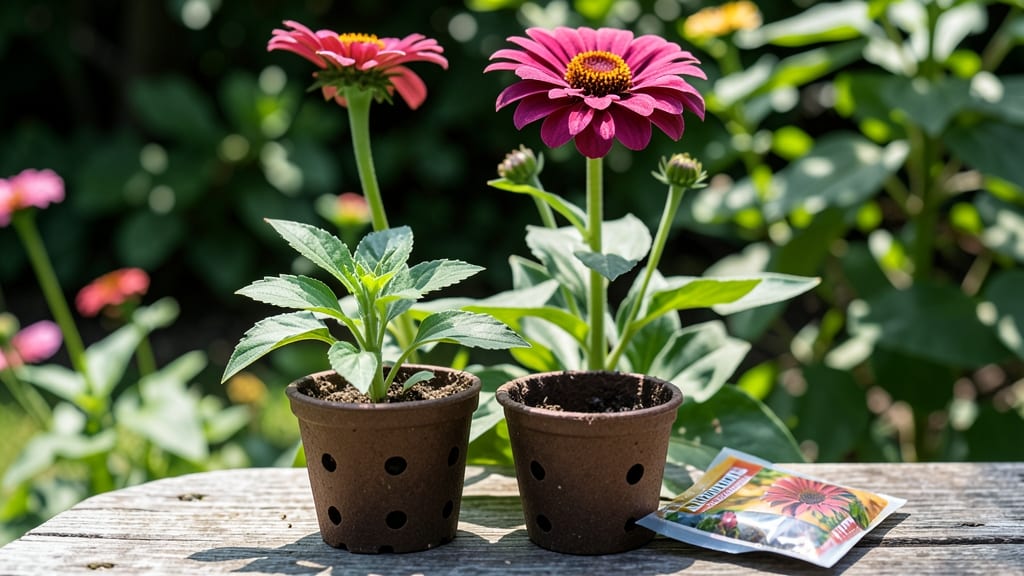
Growing flowers from seeds isn’t just rewarding—it’s the fastest way to fill your garden with vibrant blooms you picked yourself. 🌱 I’ve watched tiny seeds sprout into sunflowers taller than me in just six weeks, and the secret isn’t magic—it’s timing, moisture, and a little patience.
The right technique turns a $2 seed packet into plants that outshine anything from a nursery.
You’ll need seeds (obviously), containers or soil, water, and sunlight—basically, what you already have lying around. The trick is keeping seeds moist without drowning them, since too much water washes away the nutrients they need to break through the soil.
Most flowers pop up in 7-14 days when you get the conditions right, and once they do, they grow faster than you’d expect.
Imagine reaching out to snip a handful of fresh-cut zinnias or snapdragons straight from your garden by midsummer.
The scent of sweet alyssum or the bold pop of marigolds will make neighbors ask where you got your “secret garden”—and you’ll just smile, knowing you grew them from a pinch of seeds. This method works for annuals like cosmos and petunias, plus perennials like coneflowers and black-eyed Susans.
Even if your first batch takes a little longer to germinate, don’t give up—every seedling you nurture builds confidence for the next round. By late summer, you’ll be swapping cuttings with friends or pressing blooms into books, all from those tiny packets you started with.
Ready to turn your yard into a floral masterpiece?
📚 In This Guide
- What you need
- Instructions
- Tips and common mistakes
- Wrapping up and next steps
What you need
- ● Flower seeds: Choose fast-germinating varieties like marigolds, zinnias, or sunflowers (1–2 packets, ~50–100 seeds).
- ● Containers: For water germination: Small glass jars, cups, or test tubes (2–4, 6–8 oz each).
- ● For soil germination: Seed trays, pots (3–4 inches deep), or biodegradable peat pellets (1–2 per seed).
- ● Growing medium: For water: Distilled or tap water (room temperature).
- ● For soil: Seed-starting mix (sterile, well-draining) or coco coir (1–2 bags).
- ● Light source: Grow lights (LED or fluorescent, 12–16 hours/day) or a sunny windowsill (south-facing preferred).
- ● Spray bottle: For gentle watering (8 oz, with fine mist nozzle).
- ○ Tweezers: For handling tiny seeds (optional but handy!).
- ○ Heat mat: Speeds up germination (optional, for slow-germinating seeds).
- ○ Humidity dome: Keeps soil moist (optional for soil starts).
- ● Labels & markers: To track seed varieties (waterproof pens + tags).
- ● 🌡️ Temperature: Most seeds thrive at 65–75°F (18–24°C)—use a thermometer if needed!
- ● ✨ Sterilization: Wash containers and tools with rubbing alcohol to prevent mold.
- ● 🎯 Seed depth: Tiny seeds (like pansies) need just a sprinkle; larger seeds (like sunflowers) can go ½ inch deep.
Step-by-Step instructions for sprouting flower seeds quickly
Here's my go-to method for getting vibrant blooms from seed in record time.
🌱 Step 1: Prep Seeds for Faster Germination
Start by soaking your flower seeds in lukewarm water for 12-24 hours—this softens the outer coating and speeds up sprouting. Place them in a small container with enough water to cover them completely. You'll see the seeds swell slightly, which means they're ready to break through their shells faster.
After soaking, drain the water and lay the seeds on a paper towel. Fold the towel to keep them lightly moist but not soggy. This method works especially well for delicate seeds like snapdragons or petunias. Keep them in a warm spot—around 70-75°F—and check daily for tiny cracks or white sprouts peeking through.
💧 Step 2: Choose Your Starting Medium
For quick results, you can either plant directly in soil or use the water-sprouting method. If starting in water, place the soaked seeds in a clear jar with 1-2 inches of water and cover the top with a paper towel to keep them in place. Position the jar near a bright window or under a grow light—you should see roots emerge in 3-7 days.
For soil starters, fill small pots with seed-starting mix and plant the pre-soaked seeds at the depth indicated on the packet (usually ¼ to ½ inch deep). Gently press the soil around them to ensure good contact. Water lightly from the bottom to avoid displacing seeds—just until the surface feels damp but not wet.
☀️ Step 3: Provide Ideal Growing Conditions
Once your seeds sprout, move them to a location with bright, indirect light for the first week. Too much direct sun can scorch tender seedlings. If using the water method, transfer sprouted seeds to soil once roots reach ½ inch long—this prevents overcrowding and gives roots room to strengthen.
Keep the soil consistently moist but never waterlogged. You'll know it's right when the top inch feels slightly dry to the touch. Maintain a temperature between 65-75°F—a heat mat helps if your home runs cooler. Watch for the first set of true leaves (not the initial seed leaves) to appear in 7-14 days—this signals strong, healthy growth.
✂️ Step 4: Thin and Transplant for Stronger Blooms
When seedlings have 2-3 sets of true leaves, thin them so each plant has 3-4 inches of space between neighbors. Use scissors to snip unwanted seedlings at soil level—this prevents disturbing roots of remaining plants. If you started in water, transplant carefully, keeping the root ball intact to avoid shock.
After transplanting, give the seedlings a week to adjust before introducing them to outdoor conditions. Harden them off gradually by placing them outside for 1-2 hours daily, increasing time by 30 minutes each day. Once they tolerate full sun without wilting, they're ready for their permanent home in the garden.
Tips & tricks for fast flower seed germination
Here's what I've learned to help those tiny seeds pop to life faster than you'd expect.
Soaking Secret: For the 12-24 hour soak in Step 1, use a tiny bit of hydrogen peroxide (just a few drops in the water) to prevent mold growth. This is especially helpful in humid conditions. I've found that seeds like marigolds and zinnias respond particularly well to this trick while still maintaining their germination speed.
Temperature Matters: The 70-75°F range in Step 1 is your sweet spot, but if your home runs cooler, consider using a seedling heat mat underneath your container. I've seen germination speed up by nearly 24 hours when using one—just don't let the temperature exceed 80°F or you'll risk overheating the delicate seeds.
Lighting Hack: When moving sprouted seeds to bright indirect light in Step 3, position them about 1-2 inches away from a standard fluorescent bulb. This gives them just enough light to prevent leggy growth while you wait for natural sunlight conditions. I've had great success with this setup in apartments without south-facing windows.
Transplant Timing: In Step 4, when hardening off seedlings, start with just 1 hour outside on day one rather than the full 1-2 hours. This gradual approach prevents shock—especially for water-sprouted seeds. I've seen seedlings wilt dramatically when moved too quickly, so this extra gentleness pays off in stronger plants.
Pro Tips for Grow Flowers From Seeds
- Here's what I've learned to help those tiny seeds pop to life faster than you'd expect.
- Soaking Secret: For the 12-24 hour soak in Step 1, use a tiny bit of hydrogen peroxide (just a few drops in the water) to prevent mold growth.
- Temperature Matters: The 70-75°F range in Step 1 is your sweet spot, but if your home runs cooler, consider using a seedling heat mat underneath your container.
Frequently asked questions
Got questions about growing flowers from seeds? You’re not alone—here are some of the most common ones to help you get started with confidence!
How long does it take for flower seeds to germinate?
Germination time varies by plant! Fast growers like marigolds or zinnia sprout in 5–14 days, while slower seeds (like snapdragons) may take 2–3 weeks. Check your seed packet for specifics—patience is key!
Can I grow flowers from seeds without soil?
Try the water germination method for speedy starts: place seeds in a jar of water (some need light, others prefer darkness) until sprouts appear (usually 3–10 days). Once roots are 1–2 inches long, transplant to soil. Great for begonias or coleus!
Why aren’t my seeds sprouting?
Common culprits: too cold (use a heat mat if needed), dry soil (keep moist but not soggy), or old seeds (test viability with a damp paper towel). Some seeds need light to germinate—read your packet or research your plant’s needs!
Do I need to soak flower seeds before planting?
Only if the packet says so! Hard-coated seeds (like lupines or delphiniums) benefit from a 24-hour soak to soften the shell. Most seeds, though, don’t need it—just plant them at the right depth (usually 2x their width) and water gently.
What’s the best time of year to start flower seeds indoors?
Timing depends on your climate and plant type. Start 6–8 weeks before your last frost for cool-season flowers (like pansies) or 4–6 weeks before for heat-lovers (like petunias). Use a grow light if natural light is weak—seeds need 12–16 hours of light daily!
Wrapping up and next steps
Growing flowers from seeds is a rewarding journey that blends patience with pure joy—watch tiny sprouts burst into vibrant blooms right before your eyes! 🌱 Whether you choose the speed of water germination or the traditional soil method, the key lies in consistency, the right conditions, and a dash of love.
You’ve got this!
Ready to take the next step? Start with easy-to-grow seeds like marigolds or sunflowers, then expand your garden with bold colors and textures. Happy planting—your future garden awaits! 🌸