
Propagation
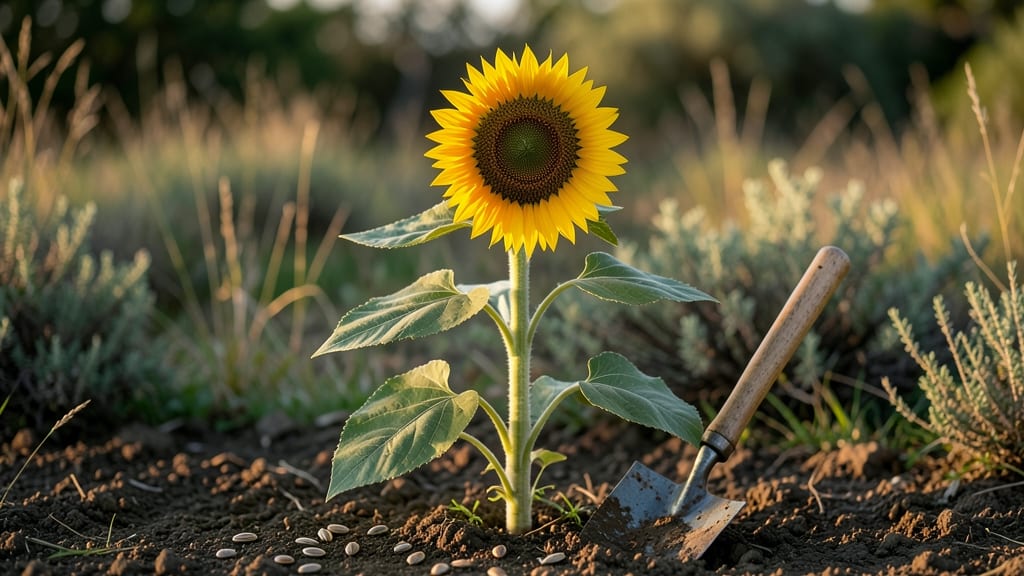
Growing sunflowers from seeds is the fastest way to turn your garden into a sun-drenched dream—those towering blooms appear in just 60 days if you get the timing right. 🌻 I still remember the first year I planted seeds and watched them shoot up taller than me in a matter of weeks, their velvety petals catching the afternoon light like beacons.
The secret isn’t just patience; it’s knowing when to plant, how deep to bury those seeds, and exactly how much water they crave without drowning.
You’ll need sunflower seeds (the bigger, the better—save those giant mammoth varieties for a statement piece), a spot with full sun (at least 6-8 hours daily), and soil that drains like a dream.
Most gardeners overthink soil prep, but sunflowers are forgiving: a simple mix of garden soil and compost works wonders. The real magic happens in the first two weeks—that’s when you’ll see those tiny green spikes break through the dirt, signaling you’re on the right track.
By midsummer, you’ll be harvesting sunflower bouquets that make neighbors stop and stare—those 6-foot stems with 4-inch-wide blooms are impossible to ignore. The best part? Sunflowers attract pollinators like crazy, turning your garden into a buzzing ecosystem.
Just don’t let them dry out; deep watering once a week keeps them thriving until frost.
Whether you’re growing them for cut flowers, birdseed, or just pure joy, sunflowers deliver results that feel like a victory lap. Here’s how to make sure yours don’t flop before they bloom—no green thumbs required.
📚 In This Guide
- What you need
- Instructions
- Tips and common mistakes
- Wrapping up and next steps
What you need
- ● Sunflower seeds: 10–20 seeds (choose a variety like Mammoth or Autumn Beauty for best results).
- ● Seed trays or biodegradable pots: 2–4 small pots (2–3 inches deep) for starting seeds indoors or 6–pack cell trays.
- ● Potting mix: 1–2 bags of high-quality, well-draining seed-starting mix (sterile and peat-free if possible).
- ● Garden soil or compost: 1–2 bags of nutrient-rich, loamy soil (pH 6.0–7.5).
- ● Watering can or spray bottle: With a fine mist nozzle for gentle watering.
- ● Garden gloves: 1 pair (to protect your hands from thorns and dirt).
- ○ Stakes or trellis (optional but helpful): 4–6 wooden stakes (5–6 feet tall) or a lightweight trellis for tall varieties.
- ● Fertilizer: A balanced, slow-release granular fertilizer (10-10-10 ratio) or compost tea for organic growth.
- ● Grow lights: LED or fluorescent lights for indoor seed starting (if growing before last frost).
- ● Mulch: Straw or wood chips to retain moisture and suppress weeds.
- ● Sunflower seedling heat mat: (For cooler climates to speed up germination).
- ● Pruning shears: For trimming dead leaves or harvesting seeds later.
- ● Bird netting: To protect blooms from hungry birds (if you’re growing for seed harvest).
Step-by-step guide to growing sunflowers from seeds
Here's how to coax those iconic blooms from tiny seeds—no fancy tools required.
🌱 Step 1: Choose the Right Seeds and Prepare the Soil
Select large, plump sunflower seeds—the bigger the seed, the stronger the sprout. Plant 4 seeds per hole (they germinate unevenly, so you’ll thin later). Work in loose, well-draining soil with a pH of 6.0-7.0. Amend heavy clay with 2-3 inches of compost to improve aeration. Sunflowers thrive in full sun, so pick a spot with at least 6-8 hours of direct sunlight daily. If your soil is rocky or compacted, loosen it to a depth of 12 inches—deep roots need room to stretch.
I always test soil moisture before planting: press your finger 1 inch deep—if it feels dry, water lightly the day before sowing. Overwatering at this stage can cause seeds to rot before they sprout. A soil thermometer helps too; seeds germinate best when soil stays above 60°F. If your spring is chilly, wait until nighttime temperatures consistently stay above 50°F before planting.
☀️ Step 2: Plant at the Correct Depth and Spacing
Drop 4 seeds per planting hole, spacing them 1 inch apart. Bury them 1 inch deep—deeper than the seed’s diameter, but not so deep they struggle to reach light. Plant 18-24 inches apart in rows 2-3 feet apart to give mature plants room to sway in the breeze. If you’re growing giant varieties (like 'Mammoth' or 'Russian Giant'), space them 3 feet apart—they’ll need extra elbow room.
Here’s the thing—sunflowers don’t transplant well, so direct-sow in the garden if possible. If you must start indoors (for early blooms), use biodegradable pots and transplant seedlings after the last frost, burying the pot 1 inch deep to protect roots. Water gently after planting to settle soil around seeds, but avoid creating a muddy mess that can smother them.
💧 Step 3: Water Deeply and Maintain Moisture
Keep soil evenly moist but not soggy for the first 2-3 weeks—this is critical for germination. Water deeply 1-2 times per week, aiming for 1 inch of water per week. Use a soaker hose or drip irrigation to avoid wetting leaves, which can spread fungal diseases. You’ll know you’re doing it right when the top 2 inches of soil feel damp but not waterlogged.
Once seedlings emerge, reduce watering slightly—sunflowers are drought-tolerant once established. Let the top 3-4 inches of soil dry out between waterings to encourage deep root growth. Overwatering now leads to weak stems that can’t support those heavy blooms. If your area gets heavy rain, check for standing water—sunflowers hate "wet feet" and may rot.
✂️ Step 4: Thin and Support for Maximum Growth
When seedlings reach 4-6 inches tall, thin to one strong plant per hole by snipping weaker stems at the base with clean scissors. Leave the most vigorous seedling—look for thick stems, deep green leaves, and upright growth. If you planted 4 seeds per hole, you’ll likely end up with 2-3 healthy plants per spot after thinning.
Tall varieties need staking or support to prevent toppling. Install 6-foot stakes or tomato cages when plants hit 18 inches—drive them 4 inches into the ground beside each plant. Tie stems loosely with soft plant ties (not wire) every 12 inches up the stalk. This ensures they sway in the wind without snapping. I also remove lower leaves up to 12 inches from the base to improve airflow and reduce disease risk.
🌻 Step 5: Fertilize and Harvest for Long-Lasting Blooms
Feed plants once they reach 2 feet tall with a balanced fertilizer (10-10-10) or compost tea. Apply ½ cup per plant and water deeply to distribute nutrients. Sunflowers are heavy feeders, but too much nitrogen leads to lush foliage and few blooms—stick to light applications every 4-6 weeks. Stop fertilizing 6 weeks before harvest to let flowers mature fully.
Harvest when back of the bloom is fully brown and petals start wilting. Cut the entire stem (not just the flower) with clean shears, leaving 6 inches of stem for vase life. Dry cut flowers upside down in a warm, dark place for 1-2 weeks before storing seeds. For edible sunflower seeds, let the flower head dry completely on the plant, then rub it in a paper bag to collect seeds. Store in a cool, dry place for up to 6 months.
Tips & tricks for growing sunflowers from seeds
Here’s what I’ve learned after watching sunflowers go from tiny seeds to towering giants—tricks that’ll help you avoid common pitfalls and get the best results.
Soil Preparation Secret: Before planting, mix in 2-3 inches of compost and rake the soil until it’s loose to a depth of 12 inches. Compacted soil strangles roots, and sunflowers need room to stretch deep. I’ve seen plants with roots over 6 feet long—that’s how they stay upright in storms. If your soil is heavy clay, add sand or perlite to improve drainage, but avoid amending with too much nitrogen-heavy fertilizer at planting time.
Germination Timing: Sunflower seeds need soil temperatures above 60°F to germinate, but they’ll rot if planted in soggy soil. Wait until nighttime temps stay above 50°F consistently—this usually means late spring in most climates. I’ve planted too early and watched seeds mold before sprouting. A soil thermometer is worth its weight in gold here.
Thinning Strategy: When seedlings reach 4-6 inches tall, thin to the strongest plant per hole by snipping at the base with clean scissors. Don’t pull—this disturbs roots. Look for plants with thick stems, vibrant green leaves, and upright growth. I’ve left too many plants and ended up with stunted blooms because they competed for sunlight and nutrients.
Support System: Install 6-foot stakes or tomato cages when plants hit 18 inches tall—before they get top-heavy. Drive stakes 4 inches deep beside each plant and tie stems loosely with soft plant ties every 12 inches. I learned this the hard way when a windstorm flattened my first batch of giants. Remove lower leaves up to 12 inches from the base to prevent disease and improve airflow.
Pro Tips for Grow Sunflowers From Sunflower Seeds
- Here’s what I’ve learned after watching sunflowers go from tiny seeds to towering giants—tricks that’ll help you avoid common pitfalls and get the best results.
- Soil Preparation Secret: Before planting, mix in 2-3 inches of compost and rake the soil until it’s loose to a depth of 12 inches.
- Germination Timing: Sunflower seeds need soil temperatures above 60°F to germinate, but they’ll rot if planted in soggy soil.
Frequently asked questions
How long does it take for sunflower seeds to sprout?
Sunflower seeds typically sprout within 7–14 days after planting, depending on soil temperature and moisture. Keep the soil consistently moist (but not soggy) and warm—ideal germination occurs at 70–85°F (21–29°C). If you’ve planted seeds and nothing appears after 2 weeks, gently check for signs of life or replant!
Can I grow sunflowers in containers? If so, what size pot do I need?
Yes! Sunflowers thrive in containers if given enough space. For dwarf varieties (3–5 ft tall), a 5-gallon pot (12–14 inches deep) works. For standard varieties (6–10 ft), opt for a whirlpool planter (20+ gallons) or a large fabric grow bag. Ensure the pot has drainage holes and use a balanced fertilizer every 2–3 weeks.
What if my sunflower leaves turn yellow?
Yellowing leaves are often a sign of overwatering, nutrient deficiency, or fungal issues. Check the soil—it should be moist but not waterlogged. If the yellowing starts at the bottom of older leaves, your plant may need more nitrogen (use a balanced fertilizer). For spotted or brown leaves, reduce watering and improve airflow to prevent mildew.
Do sunflowers attract pests? How can I protect them?
Sunflowers are a magnet for birds, squirrels, and insects like aphids and beetles. To deter pests:
- Use row covers early in the season to block birds.
- Spray neem oil for aphids or handpick larger pests.
- Avoid over-fertilizing with nitrogen, which attracts beetles.
- Plant companion flowers like marigolds to repel pests naturally.
Can I save seeds from my sunflowers to replant next year?
Let a few sunflowers fully mature (heads dry out and turn brown) before harvesting seeds. Rub the dried head to release seeds, then clean and store them in a cool, dry place (like a paper envelope) for up to 3–5 years. For best results, save seeds from open-pollinated varieties—hybrids may not grow true.
Wrapping up and next steps
Growing sunflowers from seeds is a rewarding journey that brings bright, cheerful blooms to your garden in just 60 days! With the right soil, sunlight, and care, you’ll enjoy towering stems and vibrant faces that attract pollinators and lift spirits.
Whether you’re a beginner or a seasoned gardener, these golden giants are a joy to cultivate—and even more fun to watch thrive.
Now that you’re armed with the know-how, plant those seeds and let nature work its magic! Ready for the next step? Try experimenting with different varieties or even preserving your sunflower seeds for future gardens. Happy growing! 🌻✨