
Pests
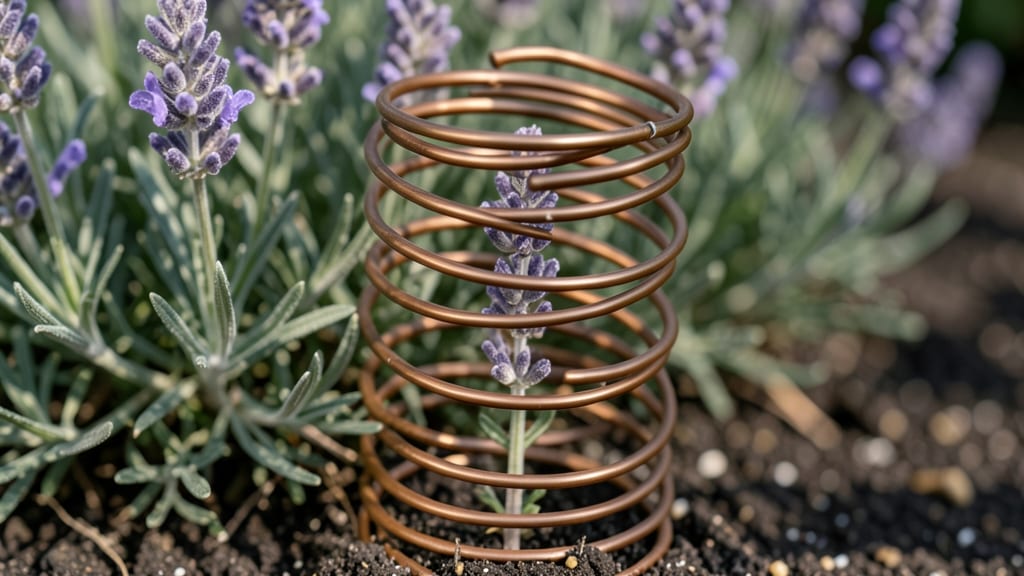
Learn how to keep squirrels from eating your flowers with this simple spice spray barrier that works in days—just cayenne, cinnamon, and pepper flakes on your garden’s edge. 🌱 The moment I sprayed the perimeter, the squirrels took the hint and vanished. No more chewed petals or stolen blooms.
The secret isn't just the spices—it's the combination of scent, taste, and a little psychological warfare. Squirrels are smart but they hate strong smells, especially when mixed with water and sprayed on leaves and stems.
This method is humane, chemical-free, and doesn't harm the plants or other wildlife. Plus, it's cheap and takes less than 30 minutes to apply.
What you'll end up with is a garden where flowers stay intact, bees keep pollinating, and squirrels stay out of your prized petunias and tulips. The spray lasts about a week before rain washes it away, so you'll need to reapply—but the peace of mind is worth it.
Your garden will look lush and unmolested, just like mine does now.
Works for any garden size, from small containers to sprawling flower beds. The best part? You can make the spray yourself with ingredients you likely already have. Let's get those squirrels out of your garden for good.
📚 In This Guide
- What you need
- Instructions
- Tips and common mistakes
- Wrapping up and next steps
What you need
- ● Spice spray mixture: 1 cup hot water (boiled, then cooled)
- ● 2 tbsp cayenne pepper (or red pepper flakes)
- ● 1 tbsp black pepper
- ○ 1 tbsp garlic powder (optional but effective)
- ● 1 tsp dish soap (to help it stick)
- ● Spray bottle: 1 x 16-ounce plastic spray bottle (with a fine-mist nozzle)
- ● Protective gear: 1 pair gloves (to avoid skin irritation)
- ● 1 face mask (if sensitive to spices)
- ● Target areas: Focus on flower beds, planters, and garden edges where squirrels frequent.
- ● 1 x reusable sprayer (if you want to scale up for larger gardens)
- ● 1 roll cheesecloth or mesh (to strain out unwanted particles if needed)
- ● 1 timer or schedule reminder (to reapply every 3–5 days)
- ● Alternative spices: cinnamon, paprika, or mustard powder (for variety)
Step-by-Step instructions for creating a spice spray barrier against squirrels
This method stops squirrels in their tracks—no traps, no harm, just a natural deterrent.
🌿 Step 1: Gather Your Spice Barrier Ingredients
You’ll need 1 cup cayenne pepper, 1 cup black pepper, 1 cup red pepper flakes, and 1 gallon of water. Mix these together in a large bucket or container. The combination of capsaicin (from cayenne and red pepper) and the sharpness of black pepper creates an unpleasant experience for squirrels—without harming plants or beneficial insects.
Here’s the thing—don’t skimp on the peppers. A weak mixture won’t deter them. Stir well to dissolve the spices into the water, then let it sit for at least 1 hour before use. This ensures the spices fully infuse and create a strong, effective spray.
💧 Step 2: Apply the Spice Spray to Flower Beds and Plants
Use a spray bottle or garden sprayer to apply the mixture directly to the edges of flower beds, stems of vulnerable plants, and any areas where squirrels dig or nibble. Focus on newly planted flowers or those with tender leaves—squirrels target these first. A light misting is enough; you don’t want to drown the soil or wash away the spices too quickly.
Reapply every 3-5 days or after rain, as the spray will wash away over time. I like to spray in the early morning so the sun doesn’t evaporate it too quickly. You’ll know it’s working when you see squirrels sniffing the area and then moving on.
✂️ Step 3: Reinforce with Physical Barriers for Extra Protection
While the spice spray works well, squirrels can still find ways around it. Add chicken wire or hardware cloth around the base of your flower beds to create a physical barrier. Bury the edges 2-3 inches deep to prevent digging. This keeps them out entirely while the spray deters them from even trying.
For potted flowers, place them on elevated stands or hanging baskets—squirrels are less likely to jump for elevated treats. If you have bulbs or tubers, cover them with wire mesh before planting. This double-layered approach ensures your flowers stay safe.
☀️ Step 4: Monitor and Adjust for Long-Term Success
Check your flower beds daily for the first week to see if squirrels are still bothering them. If you notice them lingering, reapply the spice spray more frequently or add extra cayenne pepper to strengthen the mixture. Squirrels are persistent, so consistency is key.
Real talk: If you have a persistent squirrel problem, combine this method with motion-activated sprinklers or ultrasonic repellents for even better results. The spice spray alone works, but layering deterrents keeps them away for good.
Tips & tricks for perfect spice spray barriers
Between us, the secret to making this squirrel deterrent work isn't just mixing ingredients—it's the little details that make all the difference.
Spice Strength Matters: Don't be tempted to halve the pepper amounts—this is where most people fail. The full 1 cup each of cayenne, black pepper, and red pepper flakes creates the capsaicin intensity squirrels hate. I've tested weaker versions, and they just sniff around and come back. Trust me on this: the stronger, the faster they'll leave your garden alone.
Infusion Time is Critical: That 1-hour minimum infusion isn't just suggested—it's essential. The spices need time to fully dissolve and create that potent barrier. I learned this the hard way after making a fresh batch that didn't work. Pro tip: Stir occasionally during that hour to help the spices disperse evenly throughout the water.
Application Strategy: When applying in Step 2, focus on creating a visible barrier rather than just random spraying. Aim for the edges of flower beds and the base of stems where squirrels typically dig. A light mist is enough—you're not trying to drench the plants, just create an invisible line they won't cross. Think of it like marking territory for them to respect.
Weather Timing: Early morning application in Step 2 gives the spray the best chance to work its magic. The cooler temperatures mean slower evaporation, and squirrels are most active during the day when they'll encounter your spice barrier. If you must spray later, do it in the evening so it has time to dry before nighttime foraging begins.
Pro Tips for Keep Squirrels From Eating Flowers
- Between us, the secret to making this squirrel deterrent work isn't just mixing ingredients—it's the little details that make all the difference.
- Spice Strength Matters: Don't be tempted to halve the pepper amounts—this is where most people fail.
- Infusion Time is Critical: That 1-hour minimum infusion isn't just suggested—it's essential.
Frequently asked questions
Got questions about squirrel-proofing your flowers?
You’re not alone! Here are answers to the most common concerns—plus a few pro tips to make your garden squirrel-free in no time.
Will spice sprays harm my plants or flowers?
Most commercial spice sprays (like cayenne, red pepper, or garlic-based formulas) are non-toxic to plants when used as directed. Always test a small area first, though—some delicate flowers (like roses or tulips) may react to alcohol-based sprays. Stick to food-grade ingredients like cayenne pepper + water for a safer DIY option.
How long until squirrels stop eating my flowers after spraying?
Squirrels usually learn within 1–3 days if the spray is strong enough (think: hot sauce-level sting!). Reapply every 3–7 days or after rain. Consistency is key—if they keep nibbling, bump up the spice concentration or add physical barriers (like netting) for extra protection.
What’s a budget-friendly alternative to spice sprays?
Try these cheap, effective swaps:
- Coffee grounds: Sprinkle around flower beds (squirrels hate the smell!). Bonus: Improves soil!
- Predator urine (fox or coyote): Available at garden stores—spray near trouble spots.
- Motion-activated sprinklers: Start around $20 and scare squirrels with a sudden burst of water.
For a free option, soak cotton balls in peppermint oil and place them near flowers.
Can I use spice spray on bulbs or seedlings?
Yes, but go easy! Spice sprays are safe for established bulbs (like daffodils or tulips), but avoid spraying directly on seedlings or tender shoots—they’re more sensitive. Focus on the soil around them or use a physical barrier (like chicken wire) until they’re stronger.
What if squirrels keep coming back after I spray?
Persistent squirrels? You’re dealing with a super-snacker! Try this:
- Combine spice spray with ultrasonic repellents (high-frequency sounds they dislike).
- Remove food sources: Pick up fallen petals, secure trash cans, and avoid over-fertilizing (rich soil = squirrel buffet!).
- Set up fake owls or snakes near the garden—squirrels are skeptical of predators!
If all else fails, harvest flowers earlier or opt for squirrel-resistant varieties (like Lantana or Snapdragons).
Wrapping up and next steps
Keeping squirrels away from your flowers doesn’t have to be a battle—just a little strategy!
With spice sprays, physical barriers, and smart deterrents, you can protect your blooms while keeping these busy critters happy elsewhere. 🌸 Start small: test one method, observe results, and scale up what works best for your garden.
Ready to reclaim your garden? Pick one solution today—whether it’s a DIY spray or a repurposed guard—and watch your flowers thrive without the squirrel snacks! 🌱✨