
Flowers
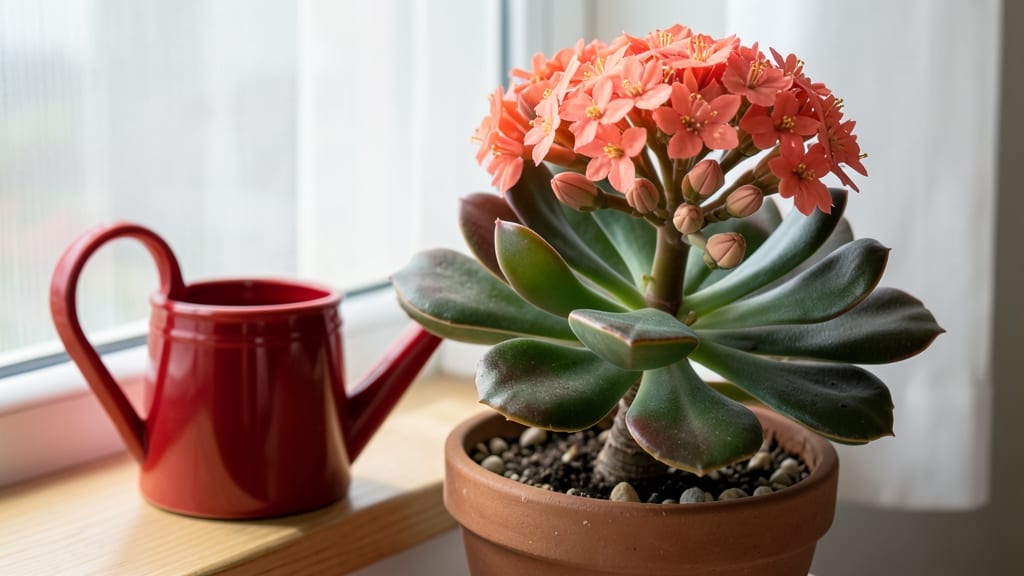
Learn how to make kalanchoe flower like clockwork with just three simple tricks—no fancy fertilizers or rare soil blends needed. them a proper rest. Most people overlook the darkness requirement, and that’s why their plants refuse to flower.
Here’s the game-changer: 12+ hours of uninterrupted darkness triggers blooming, and timing matters—start this in late summer for winter flowers or early spring for summer blooms.
You’ll also need well-draining soil, a bright windowsill or grow light, and a watering routine that mimics their desert roots. No soggy soil, no guesswork.
Within 6-8 weeks, you’ll see buds form and flowers open in vibrant reds, pinks, or yellows that last for weeks. The plants stay compact, thrive in small spaces, and even rebloom with the right care. Once you master this, your kalanchoe will become the showstopper of your collection.
Works for all kalanchoe varieties—whether you’ve got a single plant or a whole shelf of them. Let’s get those blooms going!
📚 In This Guide
- What you need
- Instructions
- Tips and common mistakes
- Wrapping up and next steps
What you need
- ● Kalanchoe plant (preferably a mature, non-flowering variety like Kalanchoe blossfeldiana or Kalanchoe thyrsiflora)
- ● Well-draining potting mix (cactus/succulent blend or a mix of 60% potting soil, 30% perlite, and 10% coarse sand)
- ● 6–8 inch pot (with drainage holes—terracotta or ceramic works best)
- ● Balanced liquid fertilizer (e.g., 10-10-10 or 20-20-20, diluted to ½ strength)
- ● Watering can with a narrow spout (to avoid overwatering)
- ● Pruning shears or clean scissors (sterilized with rubbing alcohol)
- ● Grow lights or a sunny windowsill (south- or west-facing for 6+ hours of indirect light daily)
- ● Hydrogen peroxide (3%) (1 tsp per gallon of water for sterilizing soil or pruning cuts)
- ● Slow-release fertilizer granules (mixed into soil for steady nutrition)
- ● Humidity tray or pebble tray (if your home is very dry)
- ● Plant labels (to track watering/fertilizing schedules)
- ● Garden gloves (to protect your hands from sharp leaves)
How to trigger kalanchoe blooms: the light and rest cycle method
Three simple adjustments—light, rest, and timing—will transform your leafy kalanchoe into a nonstop floral display.
🌿 Step 1: Provide 12+ Hours of Darkness Daily for 6 Weeks
Kalanchoe blooms only when it receives 12-14 hours of uninterrupted darkness each night. This mimics winter conditions, triggering flower buds. Place your plant in a closet, under a dark box, or move it to a room with no nightlights for 6 weeks straight. Even a single hour of light exposure will abort bud formation.
I use a blackout box with a timer for consistency—set it to cover the plant at 7 PM and uncover at 7 AM. Watch for tiny buds forming in leaf axils after 3-4 weeks of this treatment. If your home has long winter nights, you can skip the box and simply move the plant to a dark corner of the house during evening hours.
Here's the thing—most people fail here by keeping kalanchoe under artificial light at night. Fluorescent or LED lights won't break the cycle, but streetlights or security lights will. If buds appear but then drop off, your plant received too much light during the dark period.
☀️ Step 2: Maintain Bright, Indirect Light During Daylight Hours
While forcing blooms, kalanchoe needs bright, indirect light for 10-12 hours daily. A south- or east-facing window is ideal, but avoid harsh midday sun that scorches leaves. If natural light is insufficient, supplement with a grow light placed 12-18 inches above the plant for 6-8 hours.
You'll notice leaves turning darker green and stems thickening slightly during this period—this indicates the plant is storing energy for flower production. If leaves pale or stretch toward the light, your plant needs more intensity. Rotate the pot quarter-turn weekly so growth remains even rather than lopsided.
Real talk: Many growers overlook the daylight requirements after forcing darkness. Kalanchoe needs this bright period to sustain the energy demands of blooming. Without it, buds form but then fall off prematurely.
💧 Step 3: Reduce Watering and Fertilize Lightly During the 6-Week Cycle
Water only when the top 1-2 inches of soil feel completely dry—about every 7-10 days. Overwatering during the bloom cycle causes buds to drop. I use the "finger test" method: stick your finger 1 inch deep into the soil. If it comes out clean, water lightly until moisture reaches 3-4 inches deep.
Hold off on fertilizer entirely during the first 3 weeks of darkness treatment. Once buds appear, switch to a balanced 10-10-10 fertilizer diluted to half-strength every 4 weeks. Too much nitrogen encourages leafy growth at the expense of flowers. You'll see the first color hints in buds after 4 weeks—this is your cue to start light feeding.
This is the moment that matters: When buds form but remain green, they need more phosphorus. A single application of bone meal (¼ teaspoon per pot) boosts bloom development without risking leaf burn. Stop fertilizing completely once flowers open to prolong their lifespan.
⏰ Step 4: Extend Blooms with Strategic Light Management
Once flowers open, maintain the 12-hour darkness cycle to prolong blooming. Remove spent flowers by pinching them off at the base—this prevents seed formation and encourages new buds. You'll notice secondary flower stalks emerging within 2-3 weeks if the plant remains healthy.
After the initial 6-week cycle, you can either let the plant rest for 4-6 weeks (reducing water and light) or immediately restart the darkness treatment to force another round. Many growers find that kalanchoe responds best to two bloom cycles per year—once in early spring and again in early fall—when natural daylight shortens.
Don't skip this: If your kalanchoe stops blooming after one cycle, it's likely due to insufficient rest between cycles. Let the plant recover with moderate light and water for 8-12 weeks before attempting to force another bloom.
Tips & tricks for perfect kalanchoe blooms
Here's what nobody tells you about coaxing those stunning kalanchoe flowers—these details make all the difference between buds that form and buds that thrive.
Timing Secret: The 6-week darkness cycle in Step 1 requires absolute consistency. I've seen growers give up after 3 weeks when buds finally appear—don't! Those first tiny buds in leaf axils after 3-4 weeks are your reward for patience. Mark your calendar for the exact 6-week mark, and resist the urge to peek during the dark period. Even a 10-minute flashlight check can abort bud formation.
Light Strategy: For Step 2's bright indirect light, position your plant within 2 feet of an east-facing window for morning sun, then move it back 3 feet by midday to avoid scorching. If using grow lights, opt for full-spectrum LEDs that mimic natural daylight—avoid cool white bulbs that can stress the plant. I've found that rotating the pot weekly prevents lopsided growth, which happens when plants stretch toward one light source.
Watering Wisdom: The finger test in Step 3 is crucial, but there's more: water only in the morning so excess moisture evaporates during daylight hours. I've ruined multiple bloom cycles by watering at night, which creates ideal conditions for fungal growth. Also, use room-temperature water—cold water shocks the roots and can cause buds to drop prematurely.
Fertilizer Fine-Tuning: When buds appear after 4 weeks, that's your cue to apply the bone meal as mentioned in Step 3. The ¼ teaspoon per pot is precise—too much phosphorus can cause leaf burn. I've had success using a liquid seaweed fertilizer instead of bone meal for a gentler phosphorus boost, but always dilute it to half-strength to avoid overloading the plant during this critical phase.
Pro Tips for Make Kalanchoe Flower
- Here's what nobody tells you about coaxing those stunning kalanchoe flowers—these details make all the difference between buds that form and buds that thrive.
- Timing Secret: The 6-week darkness cycle in Step 1 requires absolute consistency.
- Light Strategy: For Step 2's bright indirect light, position your plant within 2 feet of an east-facing window for morning sun, then move it back 3 feet by midday to avoid scorching.
Frequently asked questions
Got questions about coaxing vibrant blooms from your Kalanchoe? You’re not alone! Here are answers to the most common queries—plus pro tips to keep your plant thriving.
Why won’t my Kalanchoe flower, even after following the steps?
Patience is key! Kalanchoe needs 12–14 hours of darkness daily for 6–8 weeks to trigger blooming. Check for drafts, bright indirect light (no direct sun), and overwatering—all can delay flowers. If it’s been 3 months, try resetting the light cycle or repotting in fresh soil.
How long does it take for Kalanchoe to flower after the dark treatment?
Bud formation starts in 4–6 weeks of darkness, but full blooms may take 8–12 weeks. Varieties like Kalanchoe blossfeldiana bloom faster (6–8 weeks), while others like Kalanchoe daigremontiana focus on foliage. Consistency is critical—skip the dark period, and you’ll reset progress!
Can I make Kalanchoe flower without buying special grow lights?
Use a closet, dark cabinet, or even a box with a small light for meals. Place your plant inside for 12–14 hours daily, then move it to bright, indirect light (e.g., near a north-facing window). Just avoid heat sources—Kalanchoe hates stress!
Is it normal for my Kalanchoe leaves to turn red or purple after flowering?
Yes! This is a sign of stress or sunlight exposure—not a problem. Red/purple hues mean your plant is adapting to light. To prevent it, reduce direct sun or fertilize lightly. If leaves also drop, check for overwatering (let soil dry completely between waterings).
How often should I fertilize Kalanchoe to keep it blooming?
Feed every 4–6 weeks during spring/summer with a balanced, water-soluble fertilizer (diluted to half-strength). Skip fertilizing in fall/winter—it’s dormancy time! Over-fertilizing causes salt buildup, which burns roots. Flush soil with water monthly to stay safe.
Wrapping up and next steps
Growing Kalanchoe flowers year-round is totally doable with the right care—just follow the three simple tricks we’ve shared! 🌸 Whether you’re adjusting light exposure, managing watering, or giving it a little rest, your plant will reward you with vibrant blooms time and time again. Don’t let a few setbacks discourage you—every gardener starts somewhere!
Now that you’re armed with the know-how, why not share your progress? Snap a photo of your flourishing Kalanchoe and tag us—we’d love to see your success! Or, if you’re feeling inspired, try experimenting with other easy-care succulents next. Happy blooming! 🌱✨