
Pruning
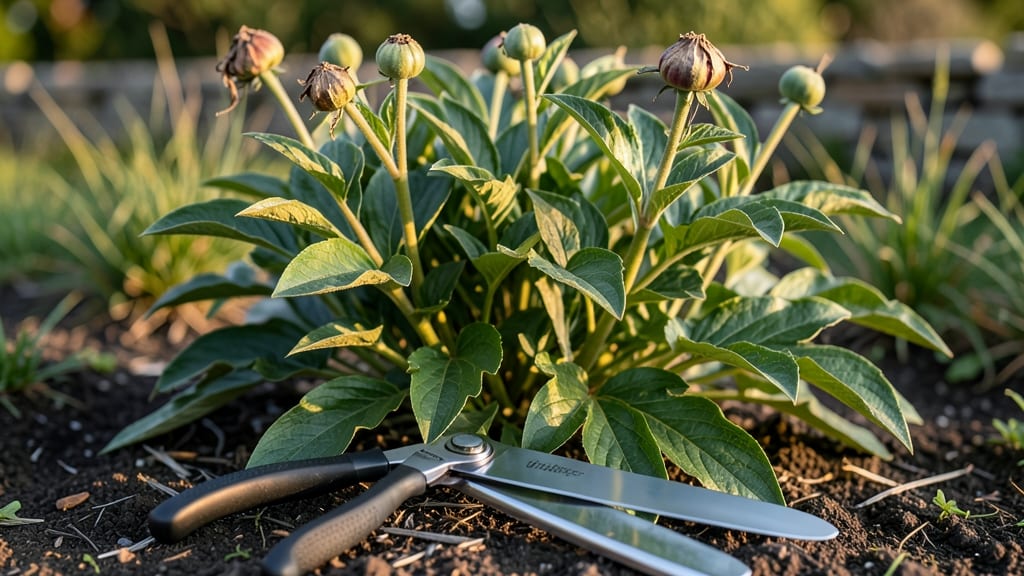
Pruning peonies after flowering isn’t just about tidying up—it’s the secret to next year’s showstopping blooms. 🌸 I’ve learned the hard way that cutting too soon or too much can leave your plants struggling, but the right timing and technique turns your peonies into reliable, dramatic performers.
The key is patience: wait until the foliage turns yellow before you touch those stems.
You’ll only need sharp pruners and a clear day to work. Snip each stem back to just above a bud eye (the little bump where new growth starts), leaving about 2 inches of stem.
This might seem drastic, but it’s what encourages those thick, sturdy stems that’ll support next year’s blooms. The goal? Keep the plant healthy without weakening it.
What you’ll end up with is a peony bush that looks neat but not overworked, with energy stored in the roots for bigger, bolder flowers next season.
The foliage might look sparse for a while, but that’s normal—it’s recharging. By early fall, you’ll see fresh green shoots pushing through, proof that your pruning paid off.
This method works for herbaceous peonies (the ones that die back in winter) in any climate. If you’ve ever wondered why your peonies bloom smaller each year, this is likely the fix. Let’s get those stems trimmed—and those future blooms booked!
📚 In This Guide
- What you need
- Instructions
- Tips and common mistakes
- Wrapping up and next steps
What you need
- ● Clean, sharp pruners or shears – Bypass pruners (8-10 inches) are ideal for clean cuts without crushing stems.
- ● Garden gloves – Heavy-duty, cut-resistant gloves to protect your hands from thorns and dirt.
- ● Disinfectant (rubbing alcohol or bleach solution) – 1 part bleach to 9 parts water to sterilize tools between cuts and prevent disease.
- ○ Garden twine or plant ties (optional) – Useful if you need to support heavy foliage post-pruning.
- ● Pruning saw (for thick stems) – If your peony stems are unusually thick or woody.
- ● Compost bin or bag – For collecting pruned material (avoid composting if peonies show signs of disease).
- ● Mulch (straw or shredded leaves) – To protect the base of the plant after pruning.
- ● Knee pads or stool – For comfort if your peonies are ground-level or hard to reach.
- ● Wait until foliage turns yellow/brown – Prune only after flowers fade and leaves wilt (typically late summer to early fall).
- ● Check for pests/disease – Inspect plants before pruning; remove and dispose of infected foliage separately.
- ● Choose a dry, mild day – Avoid pruning in wet or windy conditions to reduce stress on the plant.
Step-by-step guide for pruning peonies after flowering
Here's the simple method I use to keep my peonies thriving—and blooming bigger each year.
✂️ Step 1: Wait Until Flowers Fully Fade
Don't rush—wait until the blooms turn completely brown and the foliage starts yellowing. This ensures the plant has absorbed all the nutrients from this year's flowers for next season's buds. I know it's tempting to cut them back early, but you'll weaken the plant if you do.
Peonies store energy in their roots, and letting the foliage stay until late summer or early fall gives them time to recharge. You'll see the stems turn woody and the leaves crisp at the edges—that's your cue they're ready.
✂️ Step 2: Cut Back Dead Flowers and Foliage
Use clean, sharp pruners to snip the stems back to about 2 inches above the ground. This prevents disease by removing spent blooms and foliage that could harbor pests. I always sterilize my pruners with rubbing alcohol between cuts—this keeps infections from spreading.
Don't cut too close to the ground. Leaving a small stem stub helps protect the crown from rot and gives the plant a clean starting point for new growth next spring. You'll notice the stems look dry and brittle when they're ready to be cut.
✂️ Step 3: Remove Any Diseased or Damaged Stems
Inspect each stem carefully and cut out any that look mushy, discolored, or covered in spots. Healthy stems should be firm and greenish-brown inside when you cut them. If you find blackened or slimy areas, that's a sign of fungal infection—remove those immediately.
I like to work on a dry day when the stems are fully dry. This makes it easier to spot problems and prevents spreading spores to healthy parts of the plant. After removing diseased stems, I always discard them in the trash—not the compost pile—to avoid reinfecting the garden.
💧 Step 4: Water and Mulch for Winter Protection
Give the area a deep watering after pruning to help the plant recover. Peonies need about 1 inch of water per week during their dormant period. I water in the morning so the foliage has time to dry before evening, which reduces fungal risks.
Spread a 2-3 inch layer of mulch around the base, keeping it about 6 inches away from the crown. This protects the roots from freezing temperatures and keeps moisture in the soil. I use shredded bark mulch because it breaks down slowly and improves soil structure over time.
⏰ Step 5: Mark the Location and Plan for Spring
Place a small stake or plant marker near each peony mound so you remember where they are. Peonies can take 2-3 years to establish after planting, so marking them now saves you from accidentally digging them up later.
In early spring, you'll see new shoots emerge from the crown. These are your next year's blooms, so avoid disturbing the area until you see at least 3-4 inches of new growth. That's when you can start fertilizing lightly to encourage strong flower development.
Tips & tricks for pruning peonies after flowering
Pruning peonies might seem simple, but these little details make all the difference between healthy plants and wasted effort.
Timing is Everything: Wait until the blooms are completely brown and the foliage shows crisp edges before cutting—this ensures the plant has absorbed all the nutrients from this year's flowers. I've seen gardeners rush this step, and their peonies never reach their full potential the following year. The stems should feel woody and dry to the touch, not just slightly wilted.
Pruner Care Matters: Sterilize your pruners with rubbing alcohol between cuts to prevent spreading disease. I keep a small bottle of alcohol in my gardening toolkit and wipe down the blades after every 3-4 cuts. This simple habit has kept my peony patches free of fungal infections for years. Also, make sure your pruners are sharp—dull blades crush stems instead of cleanly cutting them.
Mulch Placement Tip: When applying that 2-3 inch layer of mulch, keep it 6 inches away from the crown to prevent rot. I've made this mistake before and ended up with soggy crowns that attracted slugs. Use shredded bark mulch—it breaks down slowly and improves soil structure over time while protecting roots from freezing temperatures.
Pro Tips for Prune Peonies After Flowering
- Pruning peonies might seem simple, but these little details make all the difference between healthy plants and wasted...
- Timing is Everything: Wait until the blooms are completely brown and the foliage shows crisp edges before cutting—thi...
- Pruner Care Matters: Sterilize your pruners with rubbing alcohol between cuts to prevent spreading disease. I keep a ...
Frequently asked questions
Got questions about peony pruning? You’re not alone! Here are answers to the most common concerns—so you can confidently shape your peonies for next season’s showstopping blooms.
When is the exact best time to prune peonies after flowering?
Prune peonies 6–8 weeks after flowering (late summer to early fall). This timing lets the plant store energy for next year’s buds while avoiding late-season regrowth that could freeze. For most zones, aim for September—just before the first frost.
What if I missed the window and pruned too late?
Don’t panic! If you prune in winter (after leaf drop), cut back to 1–2 inches above the ground. Avoid spring pruning—it removes next year’s flower buds. Late pruning may reduce bloom size but won’t kill the plant.
Should I cut peony leaves after flowering?
Yes! Leave the foliage until late fall (after browning) to feed the roots. Only remove dead or diseased leaves earlier. Cutting healthy leaves too soon starves the plant of nutrients it needs for dormancy.
Can I prune peonies before they flower?
No—never prune in spring! Peony buds form on last year’s stems, so cutting too early removes next year’s blooms. Deadhead only after flowers fade (but before seeds form).
What if my peonies bloom poorly after pruning?
Poor blooms often mean over-pruning or cutting into the "eyes" (buds). Leave 2–3 healthy stems per plant and avoid shearing into the crown. If blooms are sparse, check for crowding (dig up and divide clumps every 5–6 years).
Pro Tip:
Mark pruning spots with twist ties or flags if you’re unsure where to cut. Peony stems are woody—never prune more than 1/3 of the plant in one season!
Wrapping up and next steps
Pruning peonies after flowering is your secret to vibrant, healthy blooms year after year—it’s all about timing, technique, and a little patience! 🌸 By deadheading spent flowers and trimming back foliage, you’re not just tidying up; you’re inviting your peonies to grow stronger and showier in the seasons ahead.
So grab those pruners, take a deep breath, and enjoy the process—your future floral masterpiece starts with this simple step.
Ready to level up your garden game? Next, explore how to fertilize peonies or dive into seasonal care tips to keep your plants thriving all year round!