
Flowers
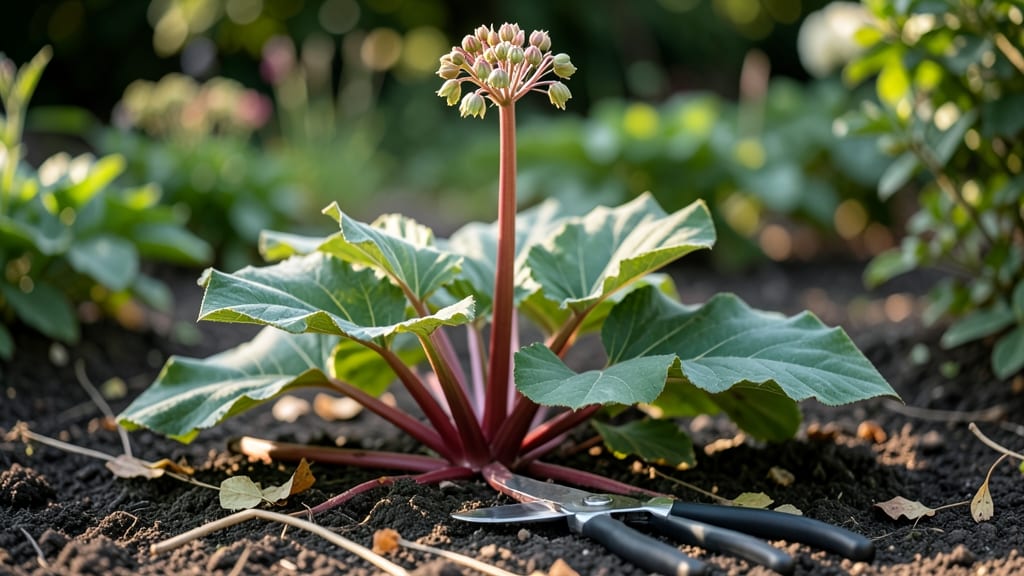
Removing rhubarb flower stalks is the secret to juicier stems and stronger plants—something I learned after my first harvest tasted disappointingly mild. Those towering flower stalks might look pretty, but they steal energy from the leaves, which is where the sweetness lives.
The good news? This simple trim takes just minutes and keeps your rhubarb thriving for years.
You’ll need sharp pruners (or clean scissors) and a sunny morning when the stalks are still firm. Timing matters—remove them early in the season, before they grow too tall, and always cut them at the base where they meet the crown.
Never pull them, or you risk damaging the plant’s heart. I’ve made this mistake twice, and the regrowth was a nightmare.
After trimming, watch your rhubarb transform—thicker, sweeter stems appear within weeks. The plant redirects its energy underground, building stronger roots for next year’s harvest. Just be patient: it takes about 4-6 weeks for the full benefits to show, but the payoff is worth it.
For stubborn regrowth, repeat the trim as needed, but avoid over-pruning. A well-maintained rhubarb plant can live for decades, producing harvests well into late fall. The key is consistency—once you see the difference, you’ll never let those flower stalks stay put again.
📚 In This Guide
- What you need
- Instructions
- Tips and common mistakes
- Wrapping up and next steps
What you need
- ● Pruning shears or sharp garden scissors – Choose a pair with clean, sterilized blades (bypass pruners work best to avoid crushing stems).
- ○ Gloves (optional but recommended) – Wear gardening gloves to protect your hands from thorns and sap.
- ● Disinfectant (rubbing alcohol or bleach solution) – A 10% bleach solution (1 part bleach to 9 parts water) or rubbing alcohol to sterilize tools before and after use.
- ● Trash bag or compost bin – For disposing of flower stalks (compost if pest-free, trash if diseased).
- ○ Water spray bottle (optional) – Helps rinse sap off tools and hands if needed.
- ● Hand lens or magnifying glass – Useful for spotting early signs of pests or disease on stalks.
- ● Knee pad or small stool – Makes trimming more comfortable if your rhubarb bed is sprawling.
- ● Labeling tags – If you’re pruning multiple plants, mark them to track growth stages.
Step-by-step guide for removing rhubarb flower stalks
Here's the simple method I use every spring to keep my rhubarb plants strong and productive.
Identify and Locate Flower Stalks
Rhubarb flower stalks emerge in early spring, often before the leaves unfurl. They look like thick, upright stalks with a slightly fuzzy texture and a reddish or greenish hue. These stalks can appear anywhere along the plant's crown, so scan the entire plant from the center outward.
Real talk: If you wait until the flower stalk grows taller than your hand, you've missed the best time to remove it. The ideal moment is when it's about 4-6 inches tall—still pliable but clearly visible. This ensures you don't accidentally damage the plant's energy reserves.
Use the Right Tools for Clean Removal
Grab a pair of clean, sharp pruning shears or garden scissors—never your hands or dull tools. The goal is to cut the stalk cleanly at the base, just where it meets the crown. If you tug or tear, you risk damaging the plant's growing point.
Here's the thing—rhubarb plants are resilient, but a jagged cut invites disease. Make a 45-degree angle cut about ¼ inch above the crown to prevent water from pooling on the wound. Wipe your tools with rubbing alcohol before and after to keep them sterile.
Remove the Flower Stalk Completely
Grasp the stalk firmly at the base and twist it gently while pulling upward. If it resists, use your pruners to make a clean cut at the crown level. Never leave any part of the stalk attached—even a tiny piece can regrow and sap the plant's energy.
You'll notice the stalk comes out easily once you've got the hang of it. If you feel resistance, don't force it—check your angle and try again. The stalk should pull out cleanly, leaving a small, smooth wound on the crown.
Monitor the Plant for New Growth
After removal, step back and observe the plant. Healthy rhubarb will redirect its energy into producing juicier, more tender stems instead of flowering. Within 7-10 days, you should see new leaf growth emerging from the center of the plant.
If you see any signs of stress—like wilting leaves or yellowing—it’s likely from overhandling. But don’t panic: rhubarb is tough. Just keep the soil moist (but not soggy) and give it time to recover. The first harvest-ready stems will appear in 4-6 weeks, and they’ll be sweeter than ever.
Tips & tricks for perfect rhubarb flower stalk removal
Here's what nobody tells you about keeping your rhubarb plants thriving after flower stalk removal.
Timing is Everything: The 4-6 inch height guideline is your best friend. This is when the stalk is firm enough to remove cleanly but hasn't yet drained energy from your plant. I've learned this the hard way—waiting too long means you're competing with the plant's natural energy flow. Check your stalks weekly starting in early spring, and you'll catch them at the perfect moment.
Tool Selection Matters: Don't underestimate the importance of sharp, clean tools. I've used everything from dull kitchen scissors to brand-new pruning shears, and the difference is night and day. A clean 45-degree cut prevents disease entry points and promotes faster healing. Keep a small bottle of rubbing alcohol handy to sterilize your tools between cuts—it takes just seconds and makes all the difference in plant health.
The Complete Removal Technique: When you grasp the stalk, apply gentle but firm pressure while twisting. This motion helps separate the stalk cleanly without tearing. If you feel resistance, it's better to make a clean cut than to force it—remember, rhubarb plants are resilient, but we want to work with them, not against them. A clean removal means less stress on the plant and faster recovery.
Post-Removal Care: After removal, give your plant a good drink of water to help it recover. The 7-10 day window for new growth is your chance to monitor progress. If you see wilting, it's likely from the shock of removal—just keep the soil consistently moist and give it time. The first harvest-ready stems in 4-6 weeks will be your reward for proper care.
Pro Tips for Remove Rhubarb Flower Stalk
- Here's what nobody tells you about keeping your rhubarb plants thriving after flower stalk removal.
- Timing is Everything: The 4-6 inch height guideline is your best friend.
- Tool Selection Matters: Don't underestimate the importance of sharp, clean tools.
Frequently asked questions
Why should I remove rhubarb flower stalks?
Removing flower stalks (called sci) redirects the plant’s energy toward producing juicier, more tender stems—not seed production. Without removal, your rhubarb may bolt (flower prematurely), weakening growth and reducing harvest quality. Think of it as giving your plant a "growth boost"!
When is the best time to trim rhubarb flower stalks?
Act fast! Remove flower stalks as soon as they appear (spring to early summer). If left unchecked, they’ll grow taller and harder to cut, and the plant may bolt entirely. Pro tip: Check weekly during peak growing season for early detection.
Can I cut the flower stalk too short? Will it regrow?
No need to stress—cutting too close won’t harm the plant. The sci won’t regrow, but the rhubarb’s main crown (base) stays intact. Always leave 1–2 inches above the leaf junction to avoid damaging the plant. If you accidentally cut a leaf, don’t worry; rhubarb is resilient!
What if I miss removing the flower stalk? Can I still save my rhubarb?
Even if you miss it, your rhubarb isn’t doomed! If the stalk is small (under 6 inches), pinch it off at the base. For larger stalks, cut them below the leaf to prevent bolting. Note: The plant may produce fewer stems that season, but it’ll bounce back stronger next year.
Are there alternatives to cutting flower stalks?
Yes! If you prefer not to trim, you can pull the entire flower stalk (including the leaf) at the base—this mimics pruning. Another method: Use pruning shears to snip the stalk just above a leaf node. Just avoid letting it flower, or the plant will prioritize seeds over stems.
Wrapping up and next steps
Removing rhubarb flower stalks is a simple yet essential task to keep your plants healthy and productive! By following these steps—using clean tools, timing your trim right, and composting the blooms—you’ll ensure juicier, sweeter stems for seasons to come. 🌱✨
Now that you’re armed with the know-how, grab your shears and give your rhubarb a little TLC. Your future harvests (and your plant’s longevity) will thank you! Ready to dive in? Review your tools or check out common questions before you start.