
Aphids
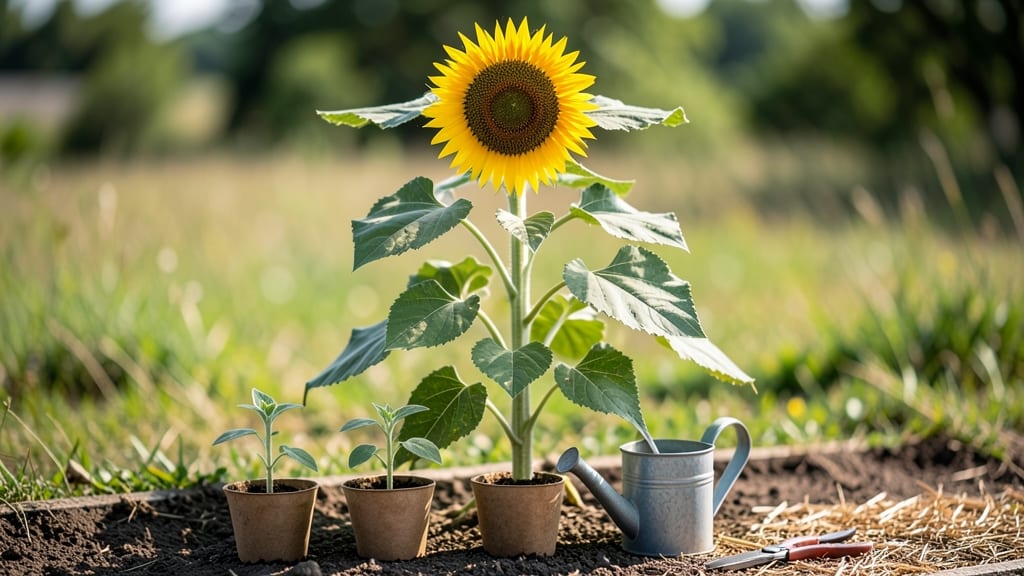
Replanting sunflowers from cuttings gives you a second chance at those towering blooms—even after the first flowers fade. 🌻 I’ve revived sunflowers this way three summers in a row, and the secret lies in timing, sharp cuts, and a little patience.
The right technique turns what looks like dead stems into sturdy new plants ready to bloom again.
You’ll need clean pruners, rooting hormone (optional but helpful), and a sunny spot with well-draining soil. Cut stems at a 45-degree angle just below a leaf node, strip the lower leaves, and dip the cut end in hormone if you have it.
Transplant into moist soil, keeping stems upright with a small stake until they root—usually within 2-3 weeks.
What you’ll end up with is a second flush of sunflowers, often just as tall and vibrant as the first. The key is consistency: water deeply once a week, protect from strong winds, and watch for pests like aphids.
By late summer, you’ll have a fresh batch of blooms to enjoy—or save for birdseed.
This method works best for sunflowers cut back after their first bloom, but it’s not foolproof. If your stems are woody or dried out, they won’t root. Start with fresh, green stems for the best results, and you’ll be harvesting second blooms by early fall.
📚 In This Guide
- What you need
- Instructions
- Tips and common mistakes
- Wrapping up and next steps
What you need
- ● Sunflower stem cuttings: 4–6-inch-long, healthy stems (harvested from mature sunflowers with at least one leaf node).
- ● Rooting hormone: 1 small bottle (e.g., Rootone or Clonex—look for 1% IBA concentration).
- ● Small pots or containers: 4–6 (4–6 inches in diameter) with drainage holes. Tip: Use sterilized pots to avoid fungal issues!
- ● Well-draining potting mix: 1 bag (look for a 50/50 blend of perlite and peat moss or cactus/succulent mix).
- ● Clear plastic bags or domes: 4–6 (to create a humidity tent—cut to size or use Ziploc bags with holes).
- ● Spray bottle: 1 (for gentle misting—avoid soaking the cuttings!).
- ● Scissors or pruning shears: 1 pair (sterilized with rubbing alcohol to prevent disease).
- ● Watering can or spray nozzle: 1 (for light hydration of established cuttings).
- ○ Heating mat: 1 (optional for faster rooting—set to 70–75°F).
- ● Grow lights: 1–2 (if replanting indoors—12–14 hours of light/day).
- ● Fertilizer (low-nitrogen): 1 bottle (e.g., fish emulsion 2-3-1—dilute to ½ strength after roots form).
- ● Label markers: 4–6 (to track sunflower varieties or replanting dates!).
- ● Compost or worm castings: 1 small bag (for boosting soil nutrients after transplanting).
Step-by-Step instructions for reviving sunflowers through stem cuttings
Here’s how to breathe new life into sunflowers and coax a second round of blooms.
🌱 Step 1: Select Healthy Mature Stems for Cuttings
Choose stems from the original sunflowers that are thick, firm, and disease-free. Look for stems that have already produced blooms—they’ve stored enough energy for regrowth. Use clean, sharp pruning shears to cut 4-6 inch sections just below a leaf node. The thicker the stem, the better chance it has to root successfully.
Here’s the thing—if the stem feels mushy or has blackened spots, skip it. Those are signs of rot or fungal issues that will spread to your new cuttings. You want stems that snap cleanly when bent, not squish like overripe fruit. Work in the morning when stems are hydrated and firmest.
💧 Step 2: Prepare Cuttings for Root Development
Strip the lower 2 inches of leaves from each cutting to expose the stem nodes where roots will form. Dip the cut end in rooting hormone powder to encourage faster root growth—this is optional but gives you a 20-30% better success rate. Place the cuttings in a jar of room-temperature water, ensuring only the stripped portion is submerged.
Change the water every 2-3 days to prevent bacterial growth. You’ll see tiny white root hairs appear in 7-10 days, and roots will be ½ inch long in about 2 weeks. Don’t rush this stage—patience here means stronger plants later. Keep the jar in bright, indirect light (no harsh sun) to avoid stressing the cuttings.
☀️ Step 3: Plant Cuttings in Well-Draining Soil
Fill a 6-inch pot with a mix of 50% potting soil and 50% perlite for excellent drainage. Make a hole deep enough to bury half the cutting’s length, then gently insert the rooted stem. Firm the soil lightly around it to eliminate air pockets. Water until moisture seeps from the bottom drainage hole.
Place the pot in a spot with full sun (at least 6-8 hours daily). Sunflowers love warmth, so aim for soil temperatures above 60°F for best regrowth. You’ll notice new leaves emerging in 10-14 days—that’s your signal the cutting has taken root. Keep soil moist but not soggy; sunflowers hate wet feet.
✂️ Step 4: Encourage Second Blooms with Pruning and Care
Once your revived cuttings grow 12-18 inches tall, pinch off the top set of leaves to redirect energy toward side branches. This encourages bushier growth and more blooms. Fertilize lightly with a balanced 10-10-10 formula every 4 weeks to support flowering. Avoid over-fertilizing—sunflowers are heavy feeders but prefer steady, modest nutrition.
Watch for buds forming along the stems. These will develop into your second round of blooms in 6-8 weeks. Deadhead spent flowers regularly to prolong the blooming season. If stems weaken or yellow, they’re thirsty—water deeply at the base, not overhead, to prevent fungal issues.
Tips & tricks for reviving sunflowers through stem cuttings
Real talk: Reviving sunflowers takes patience, but these tricks will help you avoid the most common pitfalls and maximize your success rate.
Timing Tip for Step 1: The morning is your best time to harvest stems because they're fully hydrated and firmest. If you must work later in the day, choose stems from the shadiest part of the plant—they'll stay cooler and more resilient. I learned this the hard way after cutting limp afternoon stems that never rooted properly.
Root Development Secret: When changing water every 2-3 days in Step 2, use a small jar just big enough to hold your cuttings snugly. Loose cuttings bob around and develop air pockets that slow root growth. I use 8-ounce mason jars—they're perfect for 3-4 cuttings and keep everything stable. Add a drop of hydrogen peroxide to the water (1 part peroxide to 10 parts water) to prevent bacterial growth without harming your cuttings.
Soil Mix Strategy: For Step 3, if you don't have perlite, substitute with coarse sand or even small gravel. The key is creating airflow around the roots to prevent rot. I've had great success using a 50-50 mix of potting soil and horticultural sand. Just make sure whatever you use is sterile—sunflowers are sensitive to soil-borne diseases that can kill your cuttings before they even sprout.
Sunlight Watch: While sunflowers need full sun (6-8 hours daily), be careful during the first week after planting. Direct midday sun can stress newly transplanted cuttings. I place my pots in a spot that gets morning sun and afternoon shade, then gradually move them to full sun as new leaves appear. This acclimation period helps prevent sunburn on tender new growth.
Pro Tips for Replant Sunflowers
- Real talk: Reviving sunflowers takes patience, but these tricks will help you avoid the most common pitfalls and maximize your success rate.
- Timing Tip for Step 1: The morning is your best time to harvest stems because they're fully hydrated and firmest.
- Root Development Secret: When changing water every 2-3 days in Step 2, use a small jar just big enough to hold your cuttings snugly.
Frequently asked questions
about replanting sunflowers—because even the sunniest gardeners have questions! Here’s what you need to know before diving in.Can I replant sunflowers from store-bought seeds?
Unfortunately, no! Store-bought sunflower seeds are often hybridized for commercial use and won’t regrow true to form. Save seeds from open-pollinated varieties (like ‘Mammoth’ or ‘Russian Giant’) for replanting success. If you’re unsure, ask your seed supplier for heirloom options!
How long does it take for replanted sunflower cuttings to bloom again?
With proper care, replanted sunflower cuttings typically take 6–10 weeks to sprout and 4–8 weeks more to produce new blooms, depending on sunlight, soil, and temperature. Patience is key—think of it as a mini sunflower marathon!
What’s the best temperature for replanting sunflower cuttings?
Sunflowers thrive in warm soil (60–70°F) and air temperatures above 50°F. If replanting in cooler climates, use a heat mat or wait until after the last frost. Avoid replanting in extreme heat (above 90°F), as it can stress young cuttings.
Why did my replanted sunflower cuttings wilt or die?
Common culprits include overwatering (root rot risk!), poor drainage, or lack of sunlight. Ensure cuttings get bright, indirect light initially and keep soil moist but not soggy. If leaves turn yellow, it’s often a sign of overwatering—adjust your care routine!
Can I replant sunflowers indoors for a longer growing season?
Start cuttings indoors under grow lights (12–14 hours/day) in well-draining pots. Transplant outdoors once soil warms up and the risk of frost passes. Just remember: sunflowers are sun-worshippers—they’ll stretch toward light if indoors, so rotate pots regularly!
Wrapping up and next steps
Replanting sunflowers through stem cuttings is a rewarding way to extend their beauty and enjoy a second round of vibrant blooms! 🌻 By following the steps—like selecting healthy stems, preparing the right tools, and nurturing your cuttings with care—you’ll turn what seems like a waste into a thriving new plant.
Whether you’re a gardening pro or a curious beginner, this method proves that even "failed" sunflowers can find new life with a little patience and know-how.
Ready to give it a try? Grab your pruners, pick a sunny spot, and watch your garden transform. Happy replanting—and may your sunflowers shine brighter than ever! 🌟