
Flowers
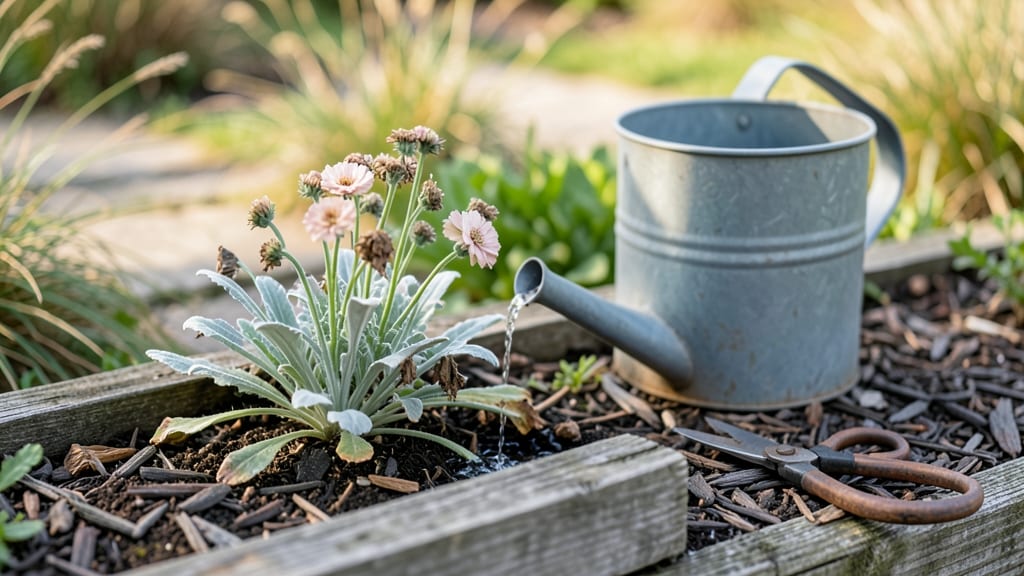
Reviving dead flowers isn't magic—it's science, and I’ve saved more bouquets than I’d like to admit with these 5-minute fixes. The moment I see those limp petals, I grab a glass of water and a pair of scissors, because most "dead" flowers just need a little TLC.
Overwatering, heat stress, or even just sitting in a vase too long can turn vibrant blooms into sad, droopy messes—but don’t toss them yet.
Start by giving them a fresh cut at a 45-degree angle—this exposes more surface area for water absorption. Then, strip off any wilted leaves or stems below the waterline (they’ll rot and block hydration).
For extra oomph, add a drop of bleach or a household flower food packet to the water to fight bacteria. Some flowers, like roses or hydrangeas, respond best to cold water, while others need a warm soak to perk up.
Within 30 minutes to 2 hours, you’ll see those petals plumping back up like they’re fresh from the garden. The secret? Act fast—flowers can only hold so much moisture before their cells collapse.
Once revived, keep them in cool water and change it daily to prevent bacterial buildup. This trick works for cut flowers, houseplants with wilted blooms, and even grocery-store bouquets that looked past their prime.
For long-term prevention, trim stems every 2-3 days, use clean vases, and avoid direct sunlight on water. And if all else fails? Some flowers—like peonies or dahlias—are just too delicate to revive, but knowing when to let go is part of the game.
Now go save those blooms before they hit the trash!
📚 In This Guide
- What you need
- Instructions
- Tips and common mistakes
- Wrapping up and next steps
What you need
- ● Fresh, room-temperature water – 1–2 cups (enough to submerge stems)
- ● Sharp scissors or pruning shears – Clean and sterilized to avoid bacteria
- ● A clean vase or container – Wide-mouthed for better water absorption (glass, ceramic, or even a repurposed jar)
- ○ Flower food or preservative (optional but helpful) – 1 packet or 1–2 teaspoons of commercial flower food
- ● Fresh-cut flowers – Any wilted blooms (cut stems at a 45° angle for maximum water uptake)
- ● Ice cubes (1–2) – Helps keep water cool and slows bacterial growth
- ● Sugar (½ teaspoon) – Natural preservative (if you skip commercial flower food)
- ● Bleach (1 drop) – For sanitizing cloudy water (use sparingly!)
- ● Floral preservative spray (like Floralife) – Extends vase life further
Step-by-Step guide to reviving wilted cut flowers
Here's how to breathe new life into drooping stems—no matter how sad they look.
Trim the Stems at a Sharp Angle
Grab a pair of clean, sharp scissors or pruning shears. Cut the stems at a 45-degree angle, about ½ inch above a leaf node—this is where new side shoots can emerge. The angled cut increases surface area for water absorption, which is critical for revival. Avoid using dull tools; a jagged cut slows water uptake and invites bacterial entry.
Real talk: If the stems are mushy or hollow inside, they're past saving. But if they still have some structural integrity, this step alone can make a dramatic difference. Work quickly—every minute counts when stems are limp.
Hydrate with Room-Temperature Water and Flower Food
Fill a clean vase with room-temperature water (never cold—it shocks the stems). Add ½ teaspoon of commercial flower food per quart of water, or make your own by mixing 1 tablespoon sugar, 1 tablespoon white vinegar, and ½ teaspoon bleach (as a preservative). The sugar feeds the stems, vinegar lowers the pH to prevent bacterial growth, and bleach keeps the water fresh longer.
Strip any leaves that would sit below the waterline—they'll rot and turn the water murky. Submerge the stems at least 3 inches deep to ensure proper hydration. You'll see the stems perk up within 30-60 minutes if they're salvageable.
Provide Indirect Light and Cool Conditions
Place the revived flowers in a spot with bright, indirect light—direct sunlight causes overheating, while darkness slows recovery. A cool room (65-70°F) is ideal; avoid drafts, heaters, or sunny windowsills. If your home runs warmer, move the vase to a shaded area like a bathroom or kitchen counter.
Check the water daily and refill as needed—never let the vase go dry. You'll notice leaves regain turgidity (firmness) within 6-12 hours, and buds may even reopen if they were only partially spent. Patience here is key; some flowers take 24 hours to fully revive.
Monitor and Adjust Care as Needed
Watch for signs of improvement: straightening stems, brightening leaves, and firm petals. If buds aren’t opening after 48 hours, they may be too far gone. However, if stems are still pliable and leaves are green, keep them hydrated—they might surprise you with a second bloom.
For stubborn cases, try re-cutting the stems and changing the water every 2-3 days. Add a fresh ¼ teaspoon of flower food each time to keep bacteria at bay. You’ll know you’ve succeeded when the flowers stand tall again and the vase water stays clear.
Tips & tricks for perfectly revived wilted blooms
Here's what nobody tells you about saving those flowers you were sure were beyond help.
Angle Matters: When you trim those stems at a 45-degree angle in Step 1, make sure to cut just above a leaf node—this is where new growth can emerge. The angle creates more surface area for water absorption, which is absolutely critical for revival. I learned this the hard way after trying to revive roses with straight cuts—they just wouldn't drink up enough water. Also, avoid cutting too close to the base, as this can damage the stem's vascular system.
Water Temperature Secret: Room-temperature water is non-negotiable in Step 2. Cold water shocks the stems and can actually cause them to reject the hydration they desperately need. I've seen flowers perk up dramatically within 30-60 minutes when using properly tempered water. Pro tip: If you're using tap water, let it sit out for 20 minutes first to remove chlorine, which can inhibit water uptake.
Lighting Strategy: The bright, indirect light mentioned in Step 3 is your best friend. Direct sunlight acts like a sauna for your flowers, causing them to wilt again almost immediately. I've had amazing success placing revived bouquets in east-facing windows where they get morning light but avoid the harsh afternoon sun. This balance is key to maintaining that delicate revival.
DIY Flower Food Formula: While commercial flower food works, the homemade version in Step 2 is a game-changer. The sugar provides immediate energy, vinegar creates the perfect acidic environment to prevent bacterial growth, and that tiny amount of bleach (just ½ teaspoon!) acts as a preservative. I always make a fresh batch every 2-3 days when refreshing the water—it makes all the difference in keeping those stems happy and hydrated.
Pro Tips for Revive Dead Flowers
- Here's what nobody tells you about saving those flowers you were sure were beyond help.
- Angle Matters: When you trim those stems at a 45-degree angle in Step 1, make sure to cut just above a leaf node—this is where new growth can emerge.
- Water Temperature Secret: Room-temperature water is non-negotiable in Step 2.
Frequently asked questions
Got questions about breathing new life into your wilting flowers? You’re not alone! Here are answers to the most common queries—so you can tackle those droopy blooms with confidence.
Can I revive any type of flower?
Most cut flowers (like roses, peonies, or hydrangeas) respond well to revival tricks, but some are trickier—think delicate blooms like orchids or dried flowers (e.g., baby’s breath). Always check the flower type first! For tough cases, try the hydro revival method—it’s gentle but effective.
How long does it take to see results?
With the right care, you’ll often see improvement in 30 minutes to 2 hours—some flowers perk up instantly! For stubborn stems, give them 4–6 hours in fresh water or a sugar solution. Patience is key, especially if the blooms were wilted for days.
What if my flowers keep wilting after revival?
If they droop again, it’s likely a sign of bacterial buildup or clogged stems. Trim ½ inch from the base, recut at an angle, and soak in room-temperature water with a drop of bleach (1 tsp per gallon) for 10 minutes. Change the water daily to prevent repeat issues.
Are there non-water revival methods?
Try these quick fixes:
- Hydro trick: Place stems in a vase with just 1 inch of water—the vacuum effect helps them drink up.
- Sugar/soda boost: Add 1 tsp sugar + 2 tbsp bleach to warm water for a nutrient kick.
- Cold therapy: Wrap stems in a damp paper towel and refrigerate for 1–2 hours to slow wilting.
What’s the worst thing I can do to “revive” flowers?
Avoid these common mistakes:
- Using hot water—it shocks stems and blocks absorption.
- Leaving stems in dirty water (bacteria = faster decay).
- Over-trimming—cut too much, and the flower loses its ability to drink.
- Ignoring ethylene gas (from fruits like apples)—keep flowers away from ripening produce.
Wrapping up and next steps
Reviving dead flowers isn’t just possible—it’s a rewarding way to extend their beauty and reduce waste! 🌸 With just a few simple steps, you can breathe new life into wilted blooms and even learn to spot early signs of distress.
Whether you’re a plant parent or a flower enthusiast, these quick fixes will keep your arrangements fresh longer.
Ready to put your new skills to the test? Grab a vase, some fresh water, and a pair of scissors—then try reviving a bouquet today! 💧✨ Your flowers (and your wallet) will thank you!