
Tools
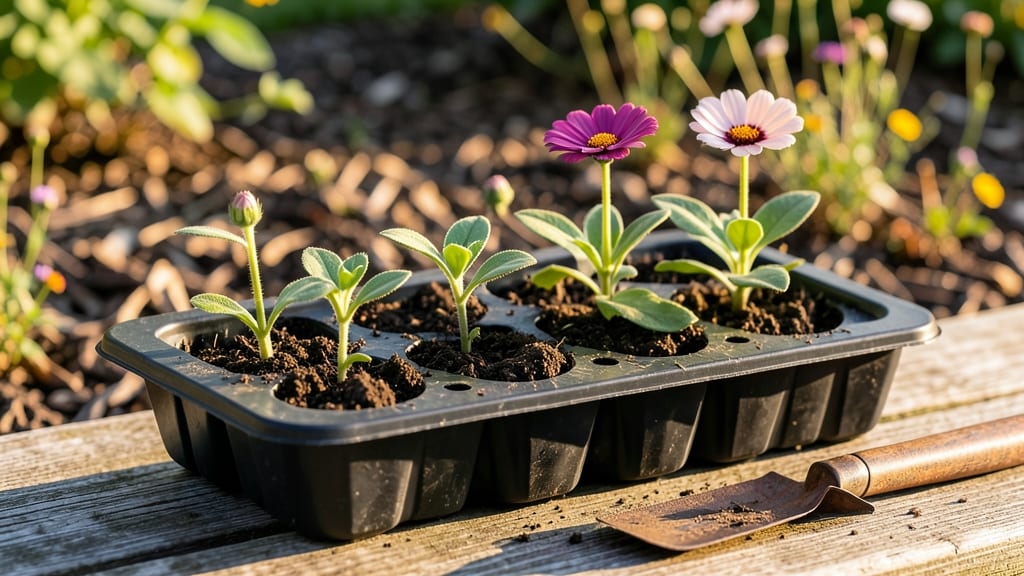
How to start a flower garden for beginners feels overwhelming until you realize it’s just three simple stages—location, soil, and plants. I’ve launched gardens in everything from full sun to shady corners, and the key is always beginning small.
The first step is picking a spot that gets at least 6 hours of sun (most flowers need it), even if it’s just a patch of grass or a container area. You don’t need a yard—just a place where you can dig or place pots.
Once you’ve got your spot, the real magic happens in the soil. Skip the fancy mixes at first—just work in a 2-inch layer of compost to feed your plants. I learned the hard way that skipping this step means struggling with weak stems and sparse blooms.
Annuals like marigolds and zinnias thrive in almost any soil, while perennials like coneflowers reward you for richer dirt. Start with a handful of easy-to-grow varieties, and you’ll see blooms in as little as 4-6 weeks.
Planting itself is simpler than it looks: dig a hole twice as wide as the root ball, place the plant so the top of the roots sits just below soil level, then water deeply. The first few weeks are about keeping soil moist—not soggy—while the roots establish.
You’ll know you’re on the right track when you see new leaves pushing out within 10-14 days. Even my first attempt, with just five sunflowers and a handful of petunias, brought me more joy than I expected.
Here’s the secret no one tells you: flower gardens don’t need perfection—they need patience. Weeds will pop up, some plants may flop, and you’ll probably overwater once or twice. But by midseason, you’ll have a patch of color that makes your neighbors ask, “How’d you do that?”
The best part? You’ll be hooked on the process, not just the result. Let’s get those first flowers in the ground.
📚 In This Guide
- What you need
- Instructions
- Tips and common mistakes
- Wrapping up and next steps
What you need
- ● Garden space: A sunny spot (6+ hours of sunlight daily) with well-draining soil. Size depends on your vision—start with at least 4’ x 4’ (1.2m x 1.2m) for beginners.
- ● Soil: Native topsoil (2–3 cubic yards for a small garden)
- ● Compost (1–2 bags or homemade) to enrich the soil
- ○ Perlite or sand (optional, for improving drainage in clay-heavy soil)
- ● Flowers: Choose beginner-friendly seeds or plants like marigolds, sunflowers, zinnias, or petunias (6–12 plants/seeds per square foot).
- ● Basic tools: Garden trowel (for planting)
- ● Pruners (sharp, bypass-style)
- ● Garden gloves (1 pair, breathable)
- ● Watering can or hose (with adjustable nozzle)
- ● Mulch: Shredded bark or straw (2–3 inches thick, covers 10 sq. ft. per bag).
- ● Raised garden bed kit (if soil quality is poor or mobility is a concern).
- ● Soil pH test kit (to check acidity/alkalinity before planting).
- ● Fertilizer (slow-release granular or organic options like fish emulsion).
- ● Stakes or trellis (for climbing flowers like morning glories).
- ● Drip irrigation system (for consistent watering, especially in hot climates).
- ● Decorative borders or rocks (to define garden edges and deter weeds).
Step-by-Step instructions for building a beginner-friendly flower garden
Here's how to create a thriving flower garden without the guesswork—perfect for first-timers.
🌱 Step 1: Choose and Prepare Your Garden Space
Start by selecting a spot that gets at least 6 hours of sunlight daily—most flowering plants need this minimum to bloom properly. I like to test locations by observing where sunlight naturally lingers in your yard. Avoid low-lying areas where water pools after rain, as soggy soil can stunt root growth.
Clear the area of weeds and debris, then mark your garden boundaries with stakes or string. For a 4-foot by 4-foot plot, you'll have plenty of room for 4-6 plants spaced properly. Loosen the top 6 inches of soil with a garden fork or tiller, breaking up any compacted layers. This helps roots penetrate easily later.
If your soil feels heavy or clay-like, mix in 2-3 inches of compost to improve drainage and fertility. You'll know it's ready when it crumbles easily between your fingers. Here's the thing—skipping this step can lead to poor growth, so don't rush it.
🪴 Step 2: Select and Plant Your Flowers
For beginners, I recommend choosing easy-to-grow annuals like marigolds, zinnias, or petunias, or low-maintenance perennials such as daylilies or coneflowers. Check the seed packets or plant tags for sunlight and water needs—this ensures you pick varieties that match your garden's conditions.
Dig holes twice as wide as the root ball but only as deep as the container the plant came in. Gently remove plants from their pots and place them in the holes, spacing them according to the instructions on the packet. Press the surrounding soil firmly around the roots to eliminate air pockets—this helps the plant establish quickly.
Water each plant deeply right after planting to settle the soil and remove any air gaps. You'll see water draining through the bottom of the hole, which confirms proper root placement. Avoid overwatering now—just enough to moisten the soil to a depth of 6 inches.
☀️ Step 3: Maintain Your Garden for Continuous Blooms
Water your new garden once a week during the first month, then adjust based on rainfall. The key is to keep the soil consistently moist but not soggy—stick your finger 1 inch deep into the soil. If it feels dry, it's time to water. Early morning is the best time to water, as it reduces evaporation and fungal risks.
After plants reach 6-8 inches tall, start applying a balanced, water-soluble fertilizer every 4-6 weeks during the growing season. This gives them the nutrients they need to produce strong stems and vibrant blooms. You'll notice healthier foliage and more flowers within a few weeks of consistent feeding.
Remove spent blooms regularly by pinching them off at the base. This practice, called deadheading, encourages more flowers to develop. You'll see a noticeable increase in blooms if you keep up with this simple task. Also, watch for pests like aphids—spraying plants with water can often dislodge them before they cause damage.
Tips & tricks for perfect beginner flower gardens
Starting a flower garden doesn't have to be overwhelming—these simple tricks will help you avoid common mistakes and create a thriving space with confidence.
Sunlight Strategy: That 6 hours of sunlight requirement in Step 1 is non-negotiable for most flowering plants. If your yard has partial shade, choose shade-tolerant varieties like impatiens or ferns instead of sun-loving annuals. I've seen beginners place sunflowers in shady spots and wonder why they didn't bloom—always verify your location first using a sunlight tracker app for a week before planting.
Soil Prep Secret: When mixing in 2-3 inches of compost in Step 1, work it into the top 6 inches of soil—not just on the surface. This creates a fertile layer where roots can spread easily. I like to think of it like making a cozy bed for your plants—they'll thank you with stronger growth. If your soil is particularly poor, consider adding a handful of bone meal for extra phosphorus to encourage root development.
Planting Technique: In Step 2, when pressing soil around roots, imagine giving your plants a gentle hug. This removes air pockets that could prevent proper water absorption. For container plants, gently squeeze the sides of the pot to loosen roots before removing them—this helps prevent root circling, which can stunt growth later. The deep watering after planting (to moisten 6 inches deep) is crucial—it tells your plants, "Welcome home!"
Maintenance Hack: That weekly watering schedule in Step 3 works best with a soaker hose or drip irrigation system. These deliver water directly to the soil without wetting leaves, reducing disease risk. I've found that watering in the early morning also helps prevent fungal issues—cooler temperatures mean less evaporation, so your plants get maximum hydration. And when deadheading, use clean, sharp scissors to avoid damaging stems.
Pro Tips for Start A Flower Garden For Beginners
- Starting a flower garden doesn't have to be overwhelming—these simple tricks will help you avoid common mistakes and create a thriving space with confidence.
- Sunlight Strategy: That 6 hours of sunlight requirement in Step 1 is non-negotiable for most flowering plants.
- Soil Prep Secret: When mixing in 2-3 inches of compost in Step 1, work it into the top 6 inches of soil—not just on the surface.
Frequently asked questions
Got questions? You’re not alone! Starting a flower garden can feel overwhelming at first, but these answers will help you grow with confidence.
When is the best time to start a flower garden?
The ideal time depends on your climate! In most regions, spring (after the last frost) or early fall are perfect for planting perennials and annuals. Cool-season flowers (like pansies) can even thrive in late summer. Check your local frost dates for a head start!
Do I need expensive tools to begin?
Not at all! Start with basics like a trowel, pruners, and gloves. A watering can or hose attachment works too. Skip fancy gadgets—focus on quality soil, sunlight, and patience. Budget-friendly tip: Borrow tools from neighbors or buy used ones!
What if my yard has poor soil or shade?
No problem! For shady spots, try hostas, impatiens, or ferns. For poor soil, amend it with compost or use raised beds. Container gardening is another great option—just pick shade-tolerant flowers or place pots where they get at least 4–6 hours of sunlight.
How do I keep pests away naturally?
Prevent pests with healthy soil (rich in compost) and diverse plantings. Spray neem oil or introduce beneficial insects like ladybugs. Avoid chemical pesticides—they harm pollinators! Pro tip: Remove weeds and diseased leaves promptly to stop infestations early.
How long until I see flowers?
Timing varies! Annuals (like marigolds) bloom in 6–8 weeks, while perennials (e.g., lavender) may take 1–2 seasons to mature. Slow and steady wins: Deadhead spent blooms to encourage regrowth and enjoy seasonal surprises!
Wrapping up and next steps
Starting a flower garden is an exciting and rewarding journey that brings beauty, joy, and a deeper connection to nature. By following these three simple stages—planning, planting, and nurturing—you’ve set yourself up for a thriving garden that will flourish with care.
Remember, every expert gardener began as a beginner, so don’t be afraid to experiment, learn, and grow alongside your plants! 🌸
Your next step? Pick a few flowers you love, grab your tools, and start small—whether it’s a sunny windowsill or a patch of backyard soil. Watch your garden bloom, and soon, you’ll be sharing your green thumb success with friends and family!