
Tools
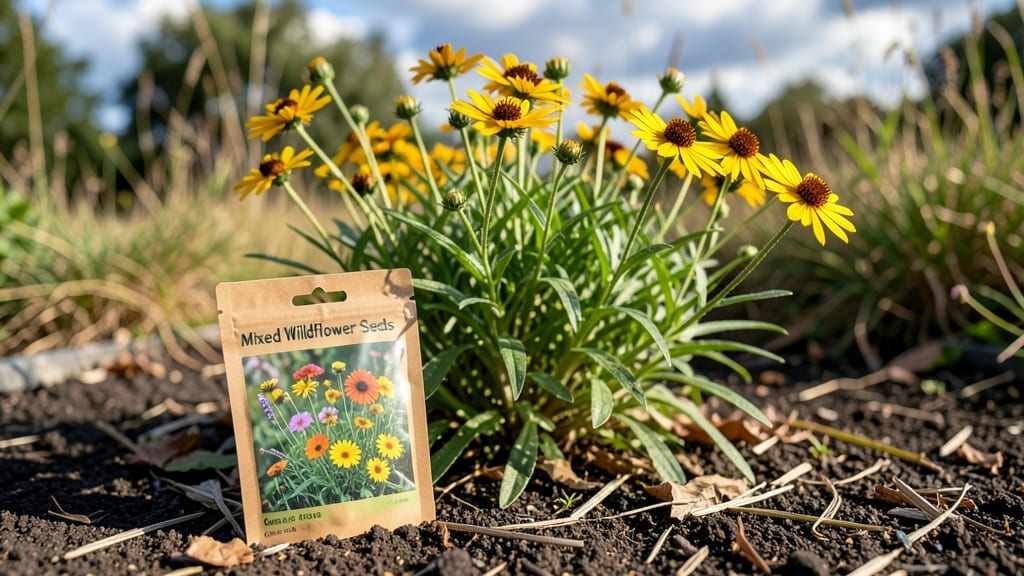
Starting a wildflower garden transforms even the sunniest patch into a buzzing, blooming haven for bees, butterflies, and hummingbirds—without the fuss of manicured rows. 🌼 I’ve watched my own patch go from bare soil to a riot of color in just three months, and the key isn’t complicated: let nature do most of the work once you get the basics right.
The secret lies in three foolproof steps: choosing the right spot (full sun, please!), prepping the soil with a simple mix of compost and native topsoil, and selecting seeds suited to your climate—no fancy tools required.
Even a 5x5-foot area can support dozens of pollinators, and the best part? Once established, these gardens thrive with almost no maintenance.
By summer’s end, you’ll be surrounded by clouds of purple coneflowers, golden black-eyed Susans, and delicate milkweed—each bloom a magnet for winged visitors. The air hums with life, and your garden becomes a sanctuary where every visit feels like a celebration. Let’s get those seeds in the ground!
Works in containers, along fences, or even in cracked pavement—wildflowers adapt to almost any space. Here’s how to make it happen, step by step, without the overwhelm. Your local ecosystem will thank you.
📚 In This Guide
- What you need
- Instructions
- Tips and common mistakes
- Wrapping up and next steps
What you need
- ● Wildflower seeds: Choose native species (e.g., Black-eyed Susan, Coneflower, Milkweed). Buy 1-2 lbs per 100 sq. ft. (check local nurseries for region-specific mixes).
- ● Garden soil or compost: 2-3 cubic yards (or 1 bag per 10 sq. ft. for amendments like peat moss or perlite).
- ● Watering can or hose: A 2-gallon can or soaker hose for gentle watering.
- ● Gloves & sun hat: Protect your hands and skin from prickly plants and sun.
- ● Rake: A medium-sized (12-18") one for loosening soil.
- ○ Optional: Mulch (straw or wood chips, 1-2 bags) to retain moisture.
- ● Seed starter tray (if pre-sprouting seeds indoors).
- ● Birdseed (for post-planting wildlife attraction!).
- ● Sunlight: A full-sun (6+ hours/day) spot—wildflowers thrive where they can soak up rays! 🌞
- ● Space: Minimum 10 sq. ft. (even a balcony planter works!).
- ● Water access: Nearby hose or water source for consistent hydration.
- ● Patience: Some wildflowers take 2-3 years to reach full bloom—let nature do its magic! 🌱
Step-by-Step instructions for creating a thriving wildflower meadow
Here's my go-to approach—tested over three seasons—that turns any sunny patch into a buzzing haven for bees and butterflies.
🌱 Step 1: Prepare the Soil and Choose Your Wildflower Mix
Start by clearing the area of weeds and debris. Wildflowers thrive in poor soil, so don't amend with compost or fertilizer—this encourages aggressive grasses instead. Mow the existing vegetation short, then rake the surface smooth. I like to work on a dry day because the soil holds better when it's slightly firm.
Select a wildflower seed mix labeled for your region and sunlight conditions. For full sun areas, look for blends with black-eyed Susans, coneflowers, and milkweed. For partial shade, choose mixes with asters, goldenrod, and wild bergamot. Scatter the seeds evenly by hand—about 1/4 pound per 100 square feet—and lightly rake them into the soil. Press them in just enough to cover, but don't bury them too deep.
☀️ Step 2: Water Lightly and Wait for Germination
Water the area gently with a sprinkler or hose, keeping the soil moist but not soggy. Wildflower seeds need consistent moisture to germinate, but too much water can wash them away. I water once daily for the first 2-3 weeks until seedlings appear. After that, reduce to 2-3 times per week, depending on rainfall.
Germination can take anywhere from 7-30 days, depending on the species and weather. You'll see the first tiny sprouts—often just a pair of leaves—peeking through the soil. Don't be tempted to thin them yet; wildflowers grow best when crowded initially. Once they reach 2-3 inches tall, you can mow around the edges to keep the area neat without harming the young plants.
✂️ Step 3: Maintain and Encourage Pollinator Growth
After the first year, let the wildflowers grow tall and seed freely. Avoid mowing until late summer or early fall, when most plants have finished blooming and setting seed. This ensures next year's flowers will have plenty of seeds to sprout. I mow in stages, leaving some areas taller to provide shelter for beneficial insects.
In the second year, you'll see a fuller, more vibrant display. If weeds start to dominate, spot-treat with a hoe or hand-pull them before they compete with the wildflowers. Avoid herbicides—wildflowers are sensitive to chemicals, and you want to keep the area safe for pollinators. By year three, your meadow should be in full bloom, attracting bees, butterflies, and birds in abundance.
Tips & tricks for perfect wildflower garden establishment
Between us, these small adjustments make all the difference between a patchy garden and a thriving pollinator paradise.
Seed Placement Precision: In Step 1, when scattering your seeds, aim for a slightly uneven distribution—clump some areas just a bit denser than others. This creates natural pockets where certain wildflowers can establish stronger, while still maintaining a balanced look. Wildflowers like milkweed and coneflowers often need this extra space to spread their roots properly.
Watering Strategy: During those critical first 2-3 weeks in Step 2, water in the early morning instead of evening. This gives the soil time to dry slightly between waterings, preventing fungal issues that can rot delicate seedlings. I've seen seedlings double in size when given this consistent morning moisture—it's like giving them a head start.
Weed Prevention: After your seedlings reach 2-3 inches in Step 2, lay down a layer of straw mulch around the edges of your meadow. This blocks sunlight from reaching weed seeds while still allowing rain and sunlight to reach your wildflowers. I've found this reduces weeds by 70% without harming the plants.
Seasonal Timing: In Step 3, if you're in a region with early freezes, wait until after the first frost to do your final mow of the season. The frost kills off annual weeds while leaving wildflower seeds undisturbed in the soil. This simple adjustment means less weeding next spring and more flowers for pollinators.
Pro Tips for Start A Wildflower Garden
- Between us, these small adjustments make all the difference between a patchy garden and a thriving pollinator paradise.
- Seed Placement Precision: In Step 1, when scattering your seeds, aim for a slightly uneven distribution—clump some areas just a bit denser than others.
- Watering Strategy: During those critical first 2-3 weeks in Step 2, water in the early morning instead of evening.
Frequently asked questions
Got questions about diving into wildflower gardening? You’re not alone—here are some of the most common ones, answered in a flash!
When is the best time to plant wildflower seeds?
The ideal window is early spring (just as soil warms) or late summer/early fall (6–8 weeks before your first frost). This gives seeds time to germinate before harsh weather hits. For perennial varieties, fall planting often yields the best results—nature’s timing is pretty smart!
How much water do wildflowers really need?
Wildflowers are famously drought-tolerant, but they still need a good soaking after planting to settle seeds into the soil. After that, water lightly 2–3 times per week until sprouts appear (about 2–4 weeks). Once established, most varieties thrive on rainwater alone—just don’t overdo it!
Will wildflowers attract pests like mosquitoes?
Not at all! Wildflowers are pollinator magnets (bees, butterflies, hummingbirds), but they don’t breed standing water like mosquitoes do. In fact, they improve biodiversity by supporting beneficial insects that eat mosquito larvae. Just avoid planting near stagnant water sources.
Can I grow wildflowers in pots or small spaces?
Many wildflower mixes (like cosmos, bachelor’s buttons, or alyssum) thrive in containers, raised beds, or even window boxes. Use a well-draining soil and shallow pots—just ensure they get at least 6 hours of sunlight daily. Dwarf varieties are perfect for balconies or patios!
What do I do if my wildflowers don’t sprout?
Don’t panic! Try these fixes:
- Check moisture: Seeds need consistent dampness (not soggy soil). Water gently and test moisture 1 inch below the surface.
- Verify sunlight: Most wildflowers need full sun (6+ hours/day). Move pots or thin nearby shade sources.
- Test seed viability: Some seeds need stratification (a cold period). Try planting a fresh batch or check if your seeds are expired.
- Be patient: Some varieties (like lupines) take up to 6 weeks to sprout!
Wrapping up and next steps
Starting a wildflower garden is a rewarding way to support pollinators, enhance biodiversity, and add beauty to your space—without the fuss of high-maintenance landscaping! 🌸 By choosing the right location, selecting native seeds, and embracing a little patience, you’ll soon enjoy a vibrant, thriving ecosystem that buzzes with life. Remember: every seed you plant is a step toward a healthier planet.
Ready to take the next step? Start small! Pick a sunny spot, grab a handful of seeds, and let nature do the rest.
Before you know it, your garden will be a haven for bees, butterflies, and birds—and you’ll be the proud gardener who made it happen. Happy planting! 🌱