
Pruning
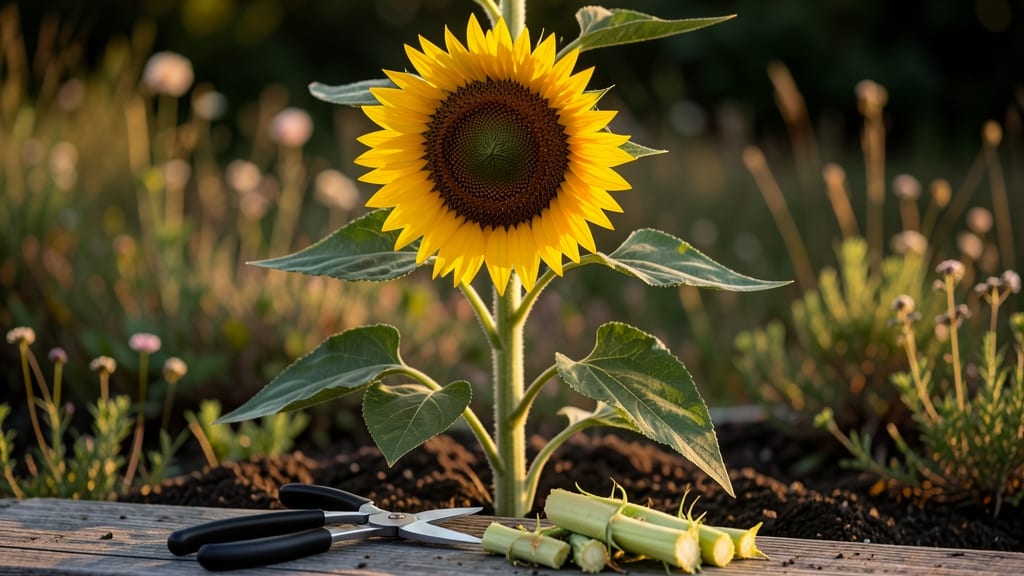
Trimming sunflowers isn’t just about keeping them tidy—it’s the secret to year-round blooms and plants that look like they belong in a floral arrangement. 🌻 I’ve learned that three simple cuts can transform a single-stemmed giant into a bushy, flower-producing powerhouse, and it only takes a few minutes every few weeks.
The right tools make all the difference: a sharp pair of pruning shears or even clean scissors will do the job without crushing stems. You’ll focus on three key cuts—removing spent blooms, shaping side shoots, and thinning crowded stems—to encourage more flowers and prevent disease.
It’s not rocket science, but it is game-changing for anyone who’s ever watched their sunflowers bolt before they even open.
What you’ll end up with is a sunflower that keeps producing blooms for months, not just a single showy stem. The flowers stay vibrant, the plants stay healthy, and you’ll have more cut stems for arrangements than you know what to do with.
Plus, the process is so simple that even my black thumb can’t mess it up.
Whether you’re growing sunflowers for their seeds, their beauty, or just the joy of watching them grow, these cuts work for all varieties—from towering mammoths to compact dwarfs. Here’s how to do it without overcomplicating things.
📚 In This Guide
- What you need
- Instructions
- Tips and common mistakes
- Wrapping up and next steps
What you need
- ● Sharp pruning shears or bypass pruners – Choose bypass type (not anvil) for clean cuts and minimal damage to stems. Look for 4-6 inch blades for sunflower stems (thicker than ½ inch may need heavier-duty shears).
- ● Clean, sharp garden knife or razor blade – For thin stems (under ¼ inch), especially when harvesting buds for arrangements.
- ○ Disposable gloves (optional but recommended) – Protects hands from prickly leaves and sap. Choose gardening gloves with reinforced palms for durability.
- ● Bucket or vase (for harvested blooms) – A 5-gallon bucket with water (for large batches) or a mason jar (for small arrangements) works best.
- ● Water (for post-cut hydration) – Fill your container with room-temperature water to extend bloom life.
- ● Rubbing alcohol (70% isopropyl) or bleach solution – 1 part bleach to 9 parts water to sterilize tools and prevent disease spread.
- ● Newspaper or cardboard – For a clean workspace to lay out trimmed stems and debris.
- ● Floral preservative powder – Extends vase life by 2-3 days (e.g., Floralife or homemade mix: 1 tsp sugar + 1 tsp bleach + 1 tsp vinegar per quart of water).
- ● Twine or floral tape – To bundle stems for transport or display.
- ● Handheld mirror (small, flexible) – Helps spot hidden buds on the underside of leaves for precise trimming.
- ● Pruning saw (for thick stems over 1 inch) – Only needed if dealing with giant sunflower varieties like 'Mammoth' or 'Russian Giant'.
- ● Spray bottle with water – Keeps stems hydrated during long trimming sessions.
- ● Work in bright, indirect sunlight to avoid squinting and see cuts clearly.
- ● Trim on a stable surface (e.g., table, stump, or ground covered with newspaper).
- ● Wear closed-toe shoes—sunflower fields can be uneven!
- ● Check for pests or disease (e.g., aphids, powdery mildew) before trimming. Dispose of infected plants separately.
Step-by-Step guide to trimming sunflowers for continuous blooms
Here's my foolproof method for cutting sunflowers to encourage more flowers all season.
✂️ Step 1: Deadhead Spent Blooms at the Right Time
Wait until the flower head turns completely brown and the petals begin falling off naturally. This signals the plant has finished flowering for that stem. Grab the dead bloom between your thumb and forefinger and give it a firm twist until it snaps cleanly at the base.
Don't cut too close to the stem—leave about ½ inch of stem attached. This prevents disease from entering the plant through fresh cuts. You'll know you've done it right when the stem pulls away easily without tearing the plant tissue.
Here's the thing—if you cut too early when flowers are still fresh, you waste the plant's energy that could go toward new blooms. But if you wait too long, the seed head becomes heavy and can weigh down the stem, causing it to flop.
🌿 Step 2: Prune Leggy Stems for Bushier Growth
After the first flush of blooms, you'll notice some stems growing tall and thin without producing flowers. These are called "leggy" stems, and they're stealing energy from your plant. Use clean, sharp pruning shears to cut these stems back to within 6 inches of the base.
Make your cuts just above a leaf node where new growth can emerge. You'll see small buds or leaf scars at these points—these are where new branches will sprout. Real talk: I used to cut too high and miss these nodes, which meant fewer new blooms. Now I always count down the stem to find that perfect spot.
This pruning encourages the plant to put its energy into producing more side branches, each of which can develop into new flower stems. You'll notice within a week that new shoots emerge from the base and lower stem areas.
☀️ Step 3: Cut Back Overgrown Foliage for Better Airflow
Once your sunflower reaches about 3 feet tall, examine the plant for crowded or yellowing leaves. These are signs the plant needs better airflow and light penetration. Use your pruning shears to remove any leaves that are touching the ground or blocking sunlight from reaching the lower stems.
Focus on leaves that are more than 12 inches below the growing tip—these get the least sunlight and contribute least to photosynthesis. You'll see a dramatic difference in plant health when you can see sunlight reaching all the way to the base. This prevents fungal diseases that thrive in damp, shaded conditions.
Don't overdo it—remove only about 20-30% of the foliage. You want to maintain the plant's ability to photosynthesize while still improving its overall health. After this trim, your sunflower will have more energy to produce those beautiful blooms you love.
Tips & tricks for perfect sunflower trimming
Here's what nobody tells you about keeping your sunflowers blooming all season long.
Timing is Everything: In Step 1, when you're deadheading those spent blooms, wait until the flower head is completely brown—not just yellow or wilting. I learned this the hard way after cutting too early and watching my plant redirect energy to seeds instead of new blooms. That half-inch stem you leave attached isn't just about disease prevention—it's about giving your plant a clean break while preserving its energy reserves.
The Leaf Node Secret: When pruning leggy stems in Step 2, count down from the base to find those tiny leaf nodes where new growth emerges. I used to eyeball it and end up with stubby stems that didn't produce anything. Now I always look for the small buds or scars just above where the leaves attach—they're your roadmap to more flowers. These nodes are where your plant's hidden potential lives, and cutting right above them unlocks that growth.
Airflow Strategy: In Step 3, focus on removing leaves that are touching the ground or blocking sunlight from lower stems. I used to think more leaves meant more photosynthesis, but crowded foliage actually creates the perfect damp, shaded environment for fungal diseases. That 20-30% guideline isn't arbitrary—it's the sweet spot where you improve airflow without sacrificing your plant's ability to feed itself. You'll know you've done it right when sunlight reaches all the way to the base of the plant.
Tool Tip: Always use clean, sharp pruning shears—not scissors or dull blades. Dull tools crush stems instead of making clean cuts, which can damage the plant tissue and invite infections. I keep a small bottle of rubbing alcohol handy to wipe down my shears between cuts—it takes 10 seconds and prevents cross-contamination between plants.
Pro Tips for Trim Sunflowers
- Here's what nobody tells you about keeping your sunflowers blooming all season long.
- Timing is Everything: In Step 1, when you're deadheading those spent blooms, wait until the flower head is completely brown—not just yellow or wilting.
- The Leaf Node Secret: When pruning leggy stems in Step 2, count down from the base to find those tiny leaf nodes where new growth emerges.
Frequently asked questions
Got questions about trimming sunflowers? You’re not alone—sunflower care can be tricky, especially when balancing beauty and growth! Here are answers to the most common queries to help you keep your sunflowers thriving year-round.
When is the best time to trim sunflowers for regrowth?
Trim sunflowers after they’ve bloomed and the flower head starts to wilt. For perennial varieties, cut back to 6–12 inches above the ground in early fall or late winter. This encourages fresh growth in spring. Avoid trimming too early—you’ll miss the chance to enjoy their stunning blooms!
Can I trim sunflowers while they’re still in bloom?
Yes, but with caution! If you’re harvesting seeds or want to preserve the flower, avoid heavy trimming. For cut flowers, snip stems at a 45-degree angle while blooming for longer vase life. For regrowth, wait until the flower head is fully spent (brown and dry) to prune.
What if my sunflower doesn’t regrow after trimming?
Don’t worry—some sunflowers (especially annuals) won’t regrow. Focus on perennial varieties like Helianthus annuus or Helianthus tuberosus. Ensure they get full sun (6+ hours/day), well-draining soil, and regular watering. If growth is slow, fertilize lightly with a balanced 10-10-10 mix in spring.
How do I trim sunflowers for cut flowers without killing the plant?
Use sharp, clean pruners and cut stems at the base of the plant, leaving 2–3 lower leaves intact. Avoid over-trimming—harvest only 1–2 stems per plant to avoid stress. For long-lasting bouquets, harvest in the early morning and place stems in warm water immediately.
Are there sunflower varieties that don’t need trimming?
Some dwarf or ornamental sunflowers (like Helianthus ‘Lemon Queen’) grow compactly and don’t require heavy pruning. However, most varieties benefit from light trimming to encourage bushier growth or prevent disease. Deadheading (removing spent blooms) is a low-maintenance alternative to full pruning!
Still stumped? Drop your sunflower trimming woes below—we’re happy to help!
Wrapping up and next steps
Trimming sunflowers isn’t just about keeping your garden tidy—it’s your secret to longer blooms, stronger stems, and even more vibrant flowers! 🌻 With the right tools, timing, and three simple cuts, you can encourage year-round beauty while maximizing harvests.
Whether you’re pruning for aesthetics, health, or seed collection, every snip brings you closer to a thriving garden.
Now that you’re armed with the know-how, roll up your sleeves and get pruning! Start with your oldest blooms, then move on to shaping and deadheading. For extra rewards, consider saving seeds or sharing cuttings with fellow gardeners. Your sunflowers—and your neighbors—will thank you! 🌱