
Companion Plants
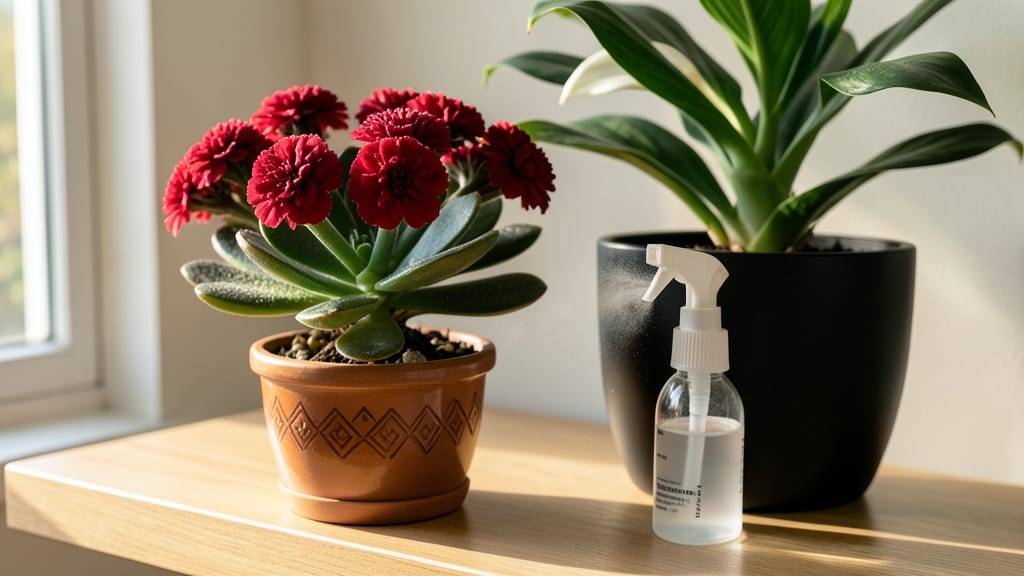
Indoor flowering plants year-round transform blank spaces into vibrant living rooms—no greenhouse required. 🌿 I’ve turned my dim corner into a jungle of blooms by mastering the low-light tricks that keep plants happy without harsh overhead lights.
The secret isn’t fancy equipment but understanding what these plants actually need: the right balance of light, water, and air flow.
Start with the right plants: African violets thrive in indirect light, peace lilies bounce back from neglect, and orchids reward patience with exotic blooms. Most people overwater or under-light their plants—both kill blooms faster than anything else.
A simple moisture meter and a south-facing window (or grow light) changes everything. You’ll see buds form within weeks, not months.
By summer’s end, your space will feel like a tropical escape—petals in every shade, fragrance filling the air, and zero guilt over wilting leaves. The key is consistency: check soil before watering, dust leaves monthly, and rotate plants for even growth. Even in apartments with limited light, these plants deliver.
Troubleshooting is simple once you know the signs: yellow leaves mean overwatering, brown edges mean dry air, and no blooms? It’s time to adjust light or fertilizer. Let’s get those flowers growing—no black thumb required.
📚 In This Guide
- What you need
- Instructions
- Tips and common mistakes
- Wrapping up and next steps
What you need
- ● Flowering plants: Choose low-light tolerant varieties like Peace Lilies (Spathiphyllum), African Violets (Saintpaulia), or Zebra Plants (Aphelandra squarrosa) (3–5 plants, depending on space).
- ● Containers: Pots with drainage holes (6–12 inches in diameter, 1–2 per plant). Terracotta or ceramic works best.
- ● Potting mix: Well-draining, peat-based mix (1 bag, ~10–15 quarts). Avoid garden soil!
- ● Watering can: With a narrow spout for gentle watering (1, 1–2 gallons).
- ○ Humidity tray: Optional but helpful for tropical plants (1, 10x12 inches).
- ● Pruning shears: Small, sharp scissors for trimming dead blooms (1 pair).
- ○ Grow lights (optional): LED or fluorescent bulbs (1–2, 6000K–6500K color temp) for extra light.
- ● Fertilizer: Balanced liquid fertilizer (1 bottle, 10–20–10 NPK ratio).
- ● Spray bottle: For misting leaves (1, 8–16 oz).
- ○ Thermometer/hygrometer (optional): To monitor temperature/humidity (1).
Step-by-Step guide to growing indoor flowering plants in low light
Here's how I keep vibrant blooms thriving where sunlight barely reaches.
🌱 Step 1: Select the Right Low-Light Flowering Varieties
Not all flowering plants handle low light equally. I always reach for peace lilies, African violets, or spathiphyllums—they bloom reliably with just 10-12 hours of indirect light daily. Avoid sun-loving plants like geraniums or orchids; they'll just sulk in dim corners.
Check the plant's natural habitat for clues: tropical understory plants thrive in filtered light. Place your new plant near a north-facing window first—it's the gentlest introduction. If leaves start yellowing, you've got too much light; dark green leaves with no variegation mean it's still too dim.
🪴 Step 2: Choose Well-Draining Containers and Soil
Use pots with drainage holes—terracotta works best because it breathes and prevents root rot. I fill them with a mix of 50% potting soil and 50% perlite or orchid bark to improve aeration. Compacted soil suffocates roots, especially in low light where plants grow slower.
Repot every 1-2 years or when roots circle the container. Gently loosen roots before transferring—this encourages new growth. If you notice roots growing out of drainage holes, it's time to upgrade to a slightly larger pot (just 1-2 inches wider is plenty).
☀️ Step 3: Optimize Light with Reflective Surfaces
Low light doesn't mean no light. Place a white or silver tray under the plant to reflect up to 30% more light onto the leaves. I also rotate plants quarter-turn weekly so they grow evenly toward any available light source.
If flowers stop blooming, it's usually a light issue. Move the plant closer to the window (but not in direct sun) or supplement with a grow light for 12-14 hours daily. Avoid cool-white bulbs—opt for full-spectrum LEDs that mimic natural light. You'll see new buds form within 4-6 weeks of adjustment.
💧 Step 4: Master the Low-Light Watering Schedule
Low-light plants grow slower, so they need less water—but don't let them dry out completely. I water when the top 1-2 inches of soil feel dry. Stick your finger in: if it's damp past your first knuckle, wait another day.
Overwatering is the #1 killer in low-light setups. Yellow leaves with crispy edges? You're watering too much. Brown, mushy leaves? Root rot from poor drainage. Always empty saucers after watering to prevent soggy roots. In winter, reduce watering by half—cooler air means slower evaporation.
✂️ Step 5: Encourage Blooms with Strategic Pruning
Deadhead spent blooms immediately to redirect energy to new flowers. Pinch back leggy stems to encourage bushier growth—this works especially well with African violets. I also fertilize lightly every 4-6 weeks with a balanced 10-10-10 formula diluted to half-strength.
If a plant stops flowering, it might need a rest. Move it to a slightly cooler spot (60-65°F) for 4-6 weeks to simulate seasonal changes. Many low-light plants bloom best when they experience a slight temperature drop. Watch for new buds forming at the base—this is your signal that the plant is responding well.
Tips & tricks for perfect indoor flowering plants
Took me years to figure out these tricks—now your low-light blooms will thrive like mine do. Here's what nobody tells you about keeping flowering plants happy in dim spaces.
Light Hack: The 10-12 hours of indirect light mentioned in Step 1 should come from the brightest spot you have, even if it's not a window. I've had great success placing plants on bookshelves near north-facing windows with a white tray underneath—this simple trick boosts light exposure by up to 30% without direct sun. For the best results, position your plant within 3 feet of the window.
The Soil Secret: When mixing your 50% potting soil and 50% perlite/orchid bark in Step 2, don't just eyeball it. Use a clean bucket to measure equal parts by volume—this prevents compaction that suffocates roots. I also add a handful of worm castings to the mix for extra nutrients, especially when repotting every 1-2 years. This small upgrade makes a noticeable difference in bloom quality.
Bloom Trigger: The 4-6 week adjustment period mentioned for grow lights in Step 3 is your best chance to revive non-blooming plants. If your African violets or peace lilies have stopped flowering, try this: move them to a slightly cooler spot (around 60-65°F) for 4-6 weeks while maintaining their 12-14 hours of light. This mimics seasonal changes and often triggers new buds within 3-4 weeks.
Watering Wisdom: The finger test in Step 4 is foolproof, but here's the extra detail: press your finger about 1 inch into the soil—not just the surface. If it's damp at that depth, wait another day. I've found that watering in the morning gives roots time to absorb moisture before cooler evening air slows evaporation. And always use room-temperature water—cold water can shock the roots.
Pro Tips for Indoor Flowering Plants Year Round
- Took me years to figure out these tricks—now your low-light blooms will thrive like mine do.
- Light Hack: The 10-12 hours of indirect light mentioned in Step 1 should come from the brightest spot you have, even if it's not a window.
- The Soil Secret: When mixing your 50% potting soil and 50% perlite/orchid bark in Step 2, don't just eyeball it.
Frequently asked questions
Can indoor flowering plants bloom all year in low-light conditions?
Most flowering plants need some natural light to bloom year-round, but low-light varieties like Peace Lilies or ZZ Plants can still produce occasional flowers with artificial grow lights (12–14 hours/day). Expect fewer blooms than in bright light—think of them as "bonus" beauty rather than guaranteed abundance!
What’s the easiest flowering plant for beginners with no green thumb?
Start with African Violets or Kalanchoes—they’re tough, forgive occasional neglect, and bloom reliably. Avoid fussy orchids or roses unless you’re ready to babysit them! Pro tip: Rotate plants weekly to ensure even light exposure.
How do I keep my flowering plants alive during winter?
Winter’s low humidity and dry air are the real villains. Group plants together to boost moisture, mist leaves (but avoid soggy soil!), and move them away from drafty windows or heat vents. A humidity tray or occasional shower bath keeps leaves dust-free and happy.
Why did my flowering plant stop blooming?
Common culprits:
- Light deprivation—move it closer to a window (even north-facing works for some).
- Over-fertilizing—too much nitrogen = leafy monsters, not flowers. Use a balanced bloom booster instead.
- Root-bound stress—repot if roots circle the container.
Are there non-toxic flowering plants for pets?
Yes! Safe picks include Spider Plants (pet-friendly and occasionally flowers), African Violets, and Bromeliads. Avoid lilies, poinsettias, or philodendrons—they’re toxic to cats/dogs. Always double-check with the ASPCA’s plant list!
Wrapping up and next steps
Transforming your space into a vibrant, year-round garden is easier than you think! With the right indoor flowering plants—like the resilient Peace Lily or the cheerful African Violet—you can bring nature’s beauty indoors, even in low-light spots.
These plants aren’t just pretty; they purify the air and boost your mood, proving that greenery is a game-changer for any home. 🌿
Ready to take the next step? Start small: Pick one plant that fits your light conditions, grab a few supplies, and watch your space bloom!
Whether you’re a beginner or a seasoned plant parent, there’s no better time than now to grow your green thumb and enjoy the rewards of a flourishing indoor oasis. 🌸