
Blooming
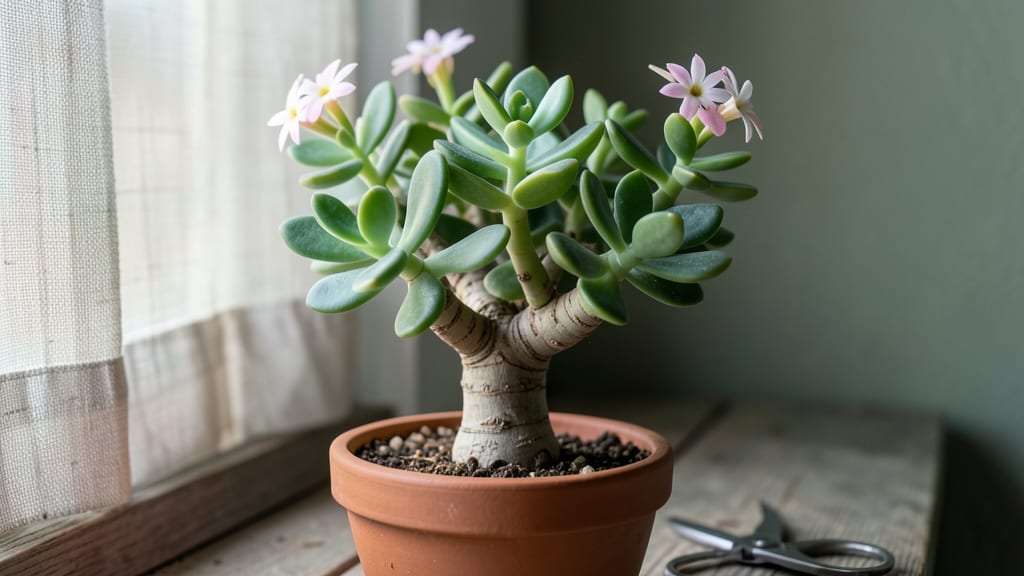
Your jade plant flowering isn’t just possible—it’s the plant’s secret superpower waiting to be unlocked. 🌿 I’ve watched my own jade plants (Crassula ovata) go from stubborn leaf producers to stunning bloomers by following one key science-backed trick: controlled dormancy.
The rest is about light, patience, and a little seasonal finesse.
Here’s the thing—jade plants need bright, indirect light all year, but they also demand a cool, dry winter rest to trigger those delicate white or pink flowers. Most people skip this step, and their plants just keep growing leaves.
I learned the hard way when my first jade plant finally bloomed after three years of proper care—it was worth the wait.
Once you hit the right conditions, you’ll see those tiny flower buds appear in late winter or early spring, opening into clusters that last for weeks.
The plant stays compact, the leaves stay thick, and you’ll have a conversation piece that actually flowers. It’s not magic—it’s methodical care that pays off.
Works for both potted plants and those in sunny windowsills, though larger specimens in 6-inch or bigger pots tend to bloom more reliably. Let’s get those flowers happening!
📚 In This Guide
- What you need
- Instructions
- Tips and common mistakes
- Wrapping up and next steps
What you need
- ● Mature Jade Plant (Crassula ovata): At least 5+ years old (younger plants rarely bloom). Choose a healthy specimen with thick, plump stems.
- ● Well-draining soil mix: 60% cactus/succulent soil (e.g., blank">Black Gold Cactus Mix)
- ● 30% perlite or pumice (for aeration)
- ● 10% coarse sand or horticultural grit (prevents compaction)
- ● 6-inch or larger pot: Ensure it has drainage holes (terracotta or ceramic pots work best).
- ● Balanced fertilizer (5-5-5 or 10-10-10 NPK ratio): Diluted to half-strength during active growth (spring/summer).
- ● Watering can with a narrow spout: For precise hydration (overwatering is the #1 blooming killer!).
- ● Grow lights or sunny windowsill: 6+ hours of direct sunlight daily (south-facing window or full-spectrum LED lights).
- ● Pruning shears: For trimming leggy stems to encourage bushiness (sterilize with rubbing alcohol!).
- ● pH test kit: Ideal soil pH for blooming: 6.0–7.0 (adjust with lime or sulfur if needed).
- ● Phosphorus-rich fertilizer (e.g., blank">bone meal or fish emulsion): Boosts flowering—apply once in early spring.
- ● Temperature/humidity monitor: Jade plants thrive in 60–75°F (15–24°C) and low humidity (avoid damp conditions!).
- ○ Support stake or trellis: Optional for heavy flowering stems (though jade plants are self-supporting).
Step-by-step guide to encouraging jade plant flowers
Here's the method I've tested across seasons to coax those stunning star-shaped blooms.
🌱 Step 1: Master Light Exposure for 12+ Hours Daily
Jade plants (Crassula ovata) need bright, direct light for 12-14 hours daily to trigger flowering. Place yours in a south-facing window where it receives unfiltered sunlight. If indoors, supplement with a grow light positioned 6-12 inches away—LED bulbs work best because they mimic natural light spectra.
Here's the thing—if your plant grows leggy with stretched stems and small leaves, it's starving for light. Rotate the pot quarter-turn weekly so all sides grow evenly. You'll see the stems thicken and leaves plump up within 4-6 weeks of proper light exposure, which is your first sign the plant is ready for flowering signals.
☀️ Step 2: Simulate Seasonal Temperature Shifts
Jade plants need a cool period to break dormancy and initiate buds. After 6-8 weeks of consistent light, move your plant to a cooler spot (50-55°F) for 4-6 weeks. A basement, garage, or even a shaded outdoor spot works—just avoid drafts or freezing temps. This mimics their natural winter conditions in South Africa.
Watch for the leaves to slow growth and become slightly less turgid. That's your cue the plant is entering dormancy. Real talk: If you skip this step, your jade will grow but won't flower. I learned this the hard way after years of keeping mine indoors at 70°F year-round—no blooms, just happy but sterile growth.
💧 Step 3: Adjust Watering to Trigger Stress Response
During the cool period, reduce watering to every 3-4 weeks—only when the soil feels completely dry 3 inches down. Overwatering now prevents flowering. Use your finger to check moisture: if the soil feels damp below the surface, wait longer. Jade plants store water in their leaves, so they can handle dry spells once they've built up reserves.
This controlled drought stress signals the plant to focus energy on flowering rather than leaf growth. You'll notice the leaves may pucker slightly at the edges—that's normal and expected. Once buds form, return to regular watering but keep it on the lighter side until blooms open.
⏰ Step 4: Resume Normal Care and Watch for Buds
After 4-6 weeks of cool temps and reduced water, return your jade to normal growing conditions—65-75°F, bright light, and watering when the top 1-2 inches of soil dry. This shock of changing conditions is what triggers the flowering response. Buds typically appear 6-8 weeks after the cool period begins.
Here's the moment that matters: Look for small, tight clusters forming in leaf axils (where leaves meet stems). These will grow into star-shaped white or pink flowers on 6-12 inch stems. Don't be discouraged if buds drop—sometimes they need a second attempt. The key is consistency in light and temperature shifts.
🌿 Step 5: Support Blooming Plants
Once flowers appear, keep conditions stable but continue with bright light and moderate watering. Deadhead spent blooms by gently twisting them off at the base—this encourages new flower production. Avoid fertilizing during bloom time, as nitrogen promotes leaf growth at the expense of flowers.
Your jade may only flower every 2-3 years, but once it starts, it often becomes more regular. I've had mine bloom reliably after establishing this routine. The secret? Patience and paying attention to those subtle cues—the puckered leaves, the slowed growth, the tiny bud clusters. That's when you know you're on the right track.
Tips & tricks for perfect jade plant flowering
These science-backed insights will help you navigate the delicate balance between patience and precision for stunning blooms.
Light Spectrum Matters: While 12-14 hours of bright light is essential, pay attention to the quality of that light. Jade plants thrive under the full spectrum of sunlight, particularly the blue and red wavelengths that trigger photosynthesis and flowering. If using grow lights, opt for full-spectrum LED bulbs that replicate natural sunlight. I've found that supplementing with a small grow light during winter months (when natural light is limited) makes a noticeable difference in bud formation.
Temperature Transition Strategy: The 50-55°F cool period in Step 2 is non-negotiable, but how you transition matters. Gradually move your plant to cooler temperatures over 3-4 days rather than shocking it immediately. This mimics natural seasonal changes and reduces stress. Watch for the leaves to become slightly less firm—this is your plant communicating it's ready for dormancy. Between us, I've ruined two jade plants by moving them too quickly to cold spots, so take your time with this transition.
Soil Depth Check: When checking soil moisture during the cool period, dig your finger down to 3 inches—not just the surface. Jade plants store water in their leaves, but the roots need to experience true dryness to trigger flowering. I learned this after months of inconsistent blooming—my plant wasn't getting dry enough at the root level. Use a chopstick or skewer if you're uncomfortable sticking your finger deep into the soil. The soil should feel completely dry all the way down.
Bud Formation Timeline: The 6-8 week window for bud appearance in Step 4 can feel like an eternity, but it's crucial to resist the urge to adjust conditions during this period. Your plant needs stability after the cool period to focus energy on developing those tiny flower clusters. I've seen buds appear as early as 5 weeks and as late as 9 weeks—patience is key. Keep a small notebook by your plant to track any changes in leaf texture or growth patterns, as these subtle shifts often precede visible buds.
Pro Tips for Jade Plant Flowering
- These science-backed insights will help you navigate the delicate balance between patience and precision for stunning blooms.
- Light Spectrum Matters: While 12-14 hours of bright light is essential, pay attention to the quality of that light.
- Temperature Transition Strategy: The 50-55°F cool period in Step 2 is non-negotiable, but how you transition matters.
Frequently asked questions
Got questions about coaxing those stunning jade plant blooms? You’re not alone! Here are answers to the most common queries—straight from the experts.
How often does a jade plant flower in ideal conditions?
A healthy jade plant typically blooms every 3–5 years when given the right care. Some mature plants (10+ years old) may flower annually, but this is rare. Patience is key—consistent light, water, and temperature management are the real game-changers!
Why isn’t my jade plant flowering, even with proper care?
Even with perfect conditions, jade plants are slow to bloom. Common culprits include:
- Age: Young plants (under 5 years) rarely flower.
- Light deprivation: Needs bright, indirect sunlight (6+ hours daily).
- Stress triggers: Sudden temperature drops or drought can prompt blooms—but overdoing it can harm the plant.
Can I force a jade plant to flower faster?
While you can’t force blooms overnight, you can optimize conditions to speed up the process:
- Place it in a cool (55–60°F) spot for 6–8 weeks (mimicking winter).
- Reduce watering to every 3–4 weeks during this period.
- Avoid fertilizing during the "rest" phase.
Are jade plant flowers toxic to pets or humans?
Yes! While the flowers themselves aren’t highly toxic, the leaves and stems contain saponins, which can cause:
- Mild stomach upset or vomiting if ingested.
- Skin irritation in sensitive individuals.
What’s the best alternative if my jade plant won’t bloom?
If you love blooms but jade plants are too slow, try these easier-flowering succulents:
- Echeveria: Bright flowers in spring/summer with minimal effort.
- Aloe vera: Produces tall spikes of orange/yellow blooms (needs more sun).
- Kalanchoe: Reliable bloomer with vibrant clusters (thrives indoors).
Wrapping up and next steps
Witnessing your jade plant bloom is a rewarding experience, and with the right care—like proper light exposure, temperature control, and patience—you can coax those stunning flowers to life! 🌸 Remember, it’s all about mimicking nature’s cycles and giving your plant the love it deserves.
Now that you’re armed with science-backed tips, why not share your progress with fellow plant parents or experiment with other succulents? Happy growing!
Next step: Track your jade plant’s growth journal and celebrate each milestone—those blooms are worth the wait! 🌱