
Flowers
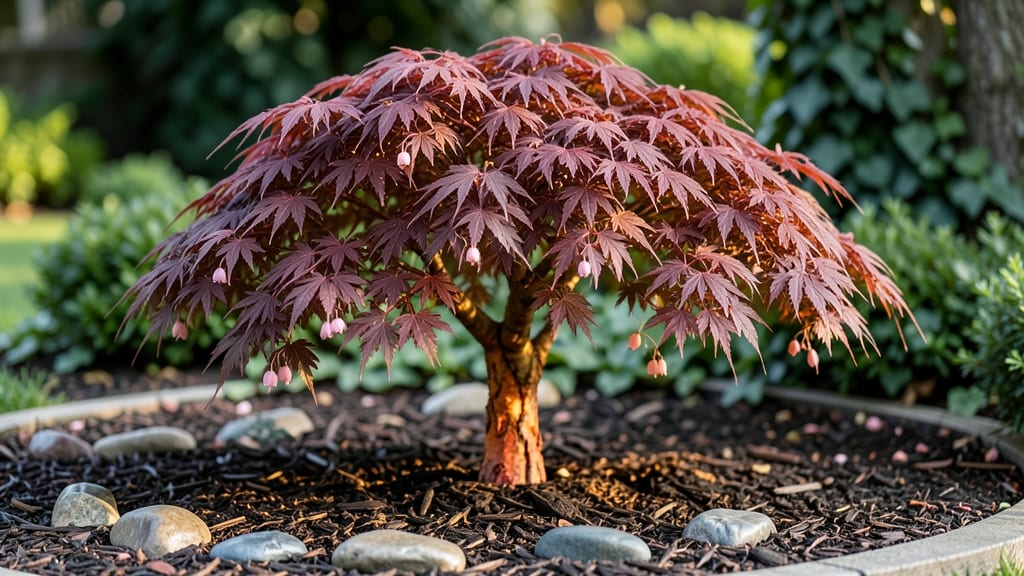
A Japanese maple flower bed transforms any garden into a living watercolor—where delicate foliage and seasonal blooms create a tapestry that shifts with the sun. 🌸 I remember the first time I designed one: the way the crimson leaves caught the morning light through my kitchen window, or how the tiny spring flowers smelled like honey after rain.
This isn't just about planting a tree; it's about crafting a focal point that evolves from winter's skeletal branches to autumn's fiery display.
The magic happens in the layers: pair your maple with low-growing perennials like hellebores or ajuga for year-round texture, then add seasonal blooms—tulips in spring, black-eyed Susans in summer, and ornamental grasses for winter interest. My favorite combo?
A dwarf Japanese maple ('Mikura' or 'Bloodgood') surrounded by ferns and hydrangeas, creating that lush, woodland vibe even in small spaces. The key is balancing height and color so no season feels bare.
Pruning becomes an art form here. A quick late-winter cleanup shapes the canopy while encouraging fresh spring growth, and summer pinching keeps those lacy branches dense. You'll end up with a tree that looks intentional, not wild—its branches arching just enough to frame the flower bed like a living frame.
The payoff? A garden that feels like a curated gallery, where every visit reveals something new.
Works for formal knot gardens, cottage-style borders, or even modern minimalist designs. The only rule? Let the maple's natural shape guide the rest. Ready to design your own seasonal masterpiece?
📚 In This Guide
- What you need
- Instructions
- Tips and common mistakes
- Wrapping up and next steps
What you need
- ● Japanese maple trees (3–5 plants, depending on bed size): Dwarf varieties (e.g., Acer palmatum ‘Dragonfire’ or ‘Bloodgood’) for smaller spaces
- ● Standard varieties (e.g., Acer palmatum ‘Shishigashira’) for larger beds
- ● Soil amendments (for optimal drainage): 1 part peat moss or coco coir
- ● 1 part perlite or pumice
- ● 2 parts well-draining garden soil
- ● Mulch (2–3 inches): Pine bark fines (acidic, retains moisture)
- ○ Shredded cedar (optional, for extra pest control)
- ● Pruning tools: 1 pair bypass pruners (for clean cuts)
- ● 1 pair loppers (for thicker branches)
- ● 1 hand saw (for stubborn stems)
- ○ Supportive accessories (optional but helpful): 1–2 tree stakes (for young saplings)
- ● 1 roll landscape fabric (to suppress weeds)
- ● Companion plants for year-round interest: Spring: Bleeding heart (Dicentra spectabilis)
- ● Summer: Hosta or ferns (shade-loving)
- ● Fall/Winter: Ornamental grasses (e.g., Miscanthus)
- ● Decorative elements: Garden stones or pebbles (for contrast)
- ● Miniature bamboo fence (for privacy)
- ● Fertilizer (spring & fall): Slow-release acid-loving plant fertilizer (e.g., Miracle-Gro Azalea/Camellia)
How to design a stunning Japanese maple flower bed
Here's my foolproof approach—tested over seasons—to create a showstopping Japanese maple centerpiece that thrives year-round.
🌱 Step 1: Choose the Right Japanese Maple Variety
Japanese maples come in different sizes and colors, so pick one that fits your space and style. Dwarf varieties like 'Mikura' or 'Seiryu' work beautifully in small gardens, while larger types like 'Bloodgood' or 'Emperor I' make bold statements. I always check the mature height—some reach 15-20 feet, while others stay under 6 feet.
Color matters too. 'Shishigashira' offers vibrant red foliage, while 'Orange Dream' brings warm tones. For year-round interest, select a variety with striking bark like 'Burgundy Lace' or 'Black Lace'. Here's the thing—if you want flowers, go for 'Emperor Series' or 'Shishigashira', which produce delicate blossoms in spring.
🪴 Step 2: Prepare the Planting Site for Long-Term Health
Japanese maples thrive in well-draining, slightly acidic soil (pH 5.0-6.5). I dig a hole twice as wide as the root ball but only as deep—planting too deep smothers the trunk and causes rot. Loosen the sides of the hole with a garden fork to help roots spread easily.
Mix the native soil with 20% compost and a handful of sulfur (to maintain acidity). Avoid garden soil from your yard—it’s often too dense and compacted. Water the hole thoroughly before planting so the roots soak up moisture immediately. Real talk: if your soil drains poorly, add a 2-inch layer of gravel at the bottom of the hole to prevent waterlogging.
☀️ Step 3: Plant and Mulch for Seasonal Beauty
Gently remove the tree from its container and tease the roots outward if they’re circling. Place it in the hole so the top of the root ball sits 1 inch above ground level—this prevents settling over time. Backfill with the amended soil, pressing lightly to remove air pockets but not compacting too hard.
Water deeply after planting to settle the soil, then add a 3-inch layer of mulch (like pine bark or shredded leaves) around the base, keeping it 6 inches away from the trunk. Mulch conserves moisture, regulates soil temperature, and suppresses weeds—critical for Japanese maples, which hate competition. I refresh the mulch every spring, adding another 1-2 inches to maintain protection.
✂️ Step 4: Prune Strategically for Year-Round Color
Spring is the best time to shape your Japanese maple. Remove any dead, crossing, or weak branches first—this keeps the tree healthy and encourages new growth. I prune just outside the branch collar (the swollen area where the branch meets the trunk) to prevent wounds that invite disease.
For flowering varieties, avoid heavy pruning in late winter or early spring—you’ll cut off next year’s blossoms. Instead, do light shaping after the flowers fade. In summer, trim only to maintain balance or remove any leggy growth. And here’s a pro tip: use sharp, clean pruners and sterilize them with rubbing alcohol between cuts to prevent spreading bacteria.
Tips & tricks for perfect Japanese maple flower bed design
Creating a stunning Japanese maple flower bed takes thoughtful planning—here are the secrets to make it thrive for years.
Variety Selection: When choosing your Japanese maple, consider its mature size and growth habit. Dwarf varieties like 'Mikura' (which stays under 6 feet) work beautifully in small spaces, while 'Bloodgood' (reaching 15-20 feet) makes a dramatic statement. For year-round interest, select varieties like 'Burgundy Lace' with striking bark, or 'Shishigashira' for vibrant red foliage and spring blossoms. I always check the mature height at the nursery to avoid outgrowing the space!
Soil Preparation: The key to long-term health is that well-draining, slightly acidic soil (pH 5.0-6.5). Before planting, test your soil—if it's too alkaline, add a handful of sulfur to the planting hole. For heavy clay soils, I mix in a 2-inch layer of gravel at the bottom of the hole to prevent waterlogging. This simple step prevents root rot and ensures your tree thrives for decades.
Planting Depth: Position the tree so the top of the root ball sits 1 inch above ground level—this prevents settling over time. After planting, water deeply to settle the soil, then add a 3-inch layer of mulch (like pine bark) around the base, keeping it 6 inches away from the trunk. This mulch layer is crucial for moisture retention and temperature regulation, especially during hot summers.
Pruning Timing: Spring is the best time to shape your Japanese maple, but timing matters for flowering varieties. Avoid heavy pruning in late winter or early spring—this cuts off next year's blossoms. Instead, do light shaping after the flowers fade. For summer maintenance, trim only to maintain balance or remove leggy growth. Always use sharp, clean pruners and sterilize them with rubbing alcohol between cuts to prevent disease.
Pro Tips for Japanese Maple Flower Bed
- Creating a stunning Japanese maple flower bed takes thoughtful planning—here are the secrets to make it thrive for years.
- Variety Selection: When choosing your Japanese maple, consider its mature size and growth habit.
- Soil Preparation: The key to long-term health is that well-draining, slightly acidic soil (pH 5.0-6.5).
Frequently asked questions
Got questions about creating or maintaining a stunning Japanese maple flower bed? Here are some of the most common concerns—and their solutions!
When is the best time to plant a Japanese maple in a flower bed?
Plant your Japanese maple in early spring or fall when temperatures are mild (50–70°F). Avoid extreme heat or frost, as these can stress young roots. Spring planting gives roots time to establish before summer, while fall allows them to settle before winter dormancy. Pro tip: Water deeply after planting to reduce transplant shock!
How often should I prune my Japanese maple for optimal flower bed display?
Prune once a year, ideally in late winter or early spring (before buds swell) to shape the tree and encourage healthy growth. Light trimming after flowering (summer) can remove dead branches, but avoid heavy pruning then—it may reduce next year’s blooms. Use clean, sharp tools to prevent disease. Pro tip: Thin out crowded branches to improve airflow and reduce pests!
Why aren’t my Japanese maple leaves changing color in fall?
Color changes depend on sunlight, temperature shifts, and tree health. If leaves stay green, check for:
- Poor drainage (root rot can stunt color)
- Nutrient deficiencies (add compost or slow-release fertilizer in early summer)
- Shade issues (maples need 4–6 hours of sun for vibrant fall foliage)
If the problem persists, test soil pH (aim for 5.5–6.5) and adjust as needed.
Can I mix Japanese maple with other plants in a flower bed?
Pair with shade-tolerant perennials like hostas, ferns, or bleeding hearts for texture. Avoid aggressive spreaders (e.g., mint) that compete for roots. For contrast, add spring bulbs (daffodils, tulips) or evergreens (boxwood, azaleas). Pro tip: Mulch with wood chips to retain moisture and suppress weeds!
How do I protect my Japanese maple from winter damage?
Most Japanese maples are hardy, but young trees or tender varieties (e.g., Acer palmatum ‘Bloodgood’) may need help. Water deeply before frost and apply 3–4 inches of mulch around the base (not touching the trunk). For extreme winters, wrap the trunk with burlap or tree guard to prevent sunscald. Avoid heavy snow buildup—gently brush off branches to prevent breakage.
Wrapping up and next steps
A Japanese maple flower bed isn’t just a garden feature—it’s a living masterpiece that brings joy in every season! With the right pruning techniques and care, you’ll enjoy vibrant blooms, stunning foliage, and graceful form year-round.
Whether you’re a gardening pro or just starting, this guide gives you the confidence to create (and maintain) a breathtaking focal point in your outdoor space.
Ready to transform your yard? Start small—pick one pruning tip to test this season! Grab your shears, and let your Japanese maple shine. 🌿✨