
Flowers
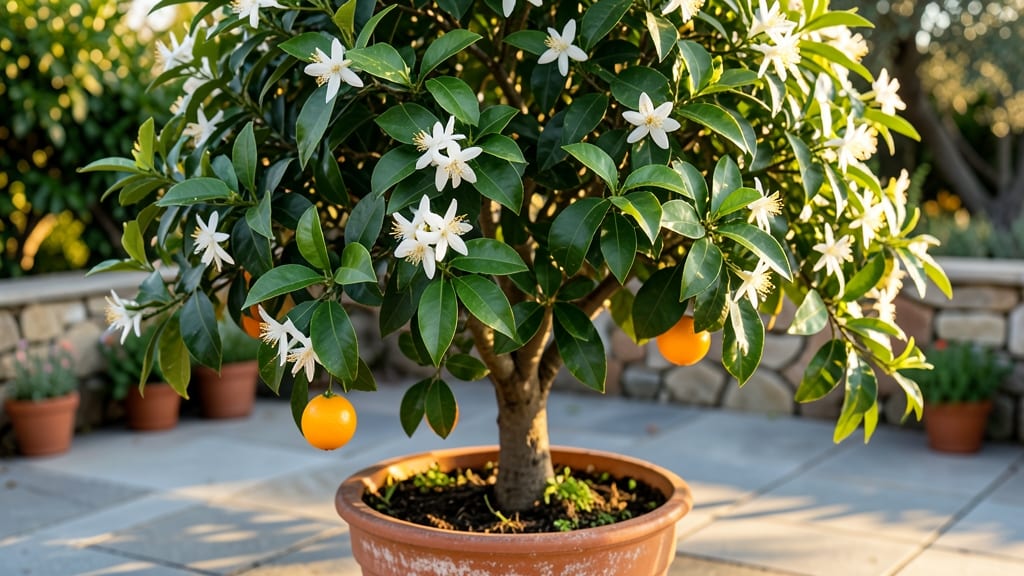
Transform your garden into a fragrant escape with the jasmine flower orange, whose intoxicating scent isn’t just a dream—it’s a year-round reality with the right care. 🌸 I’ve grown these fragrant climbers for years, and the secret lies in mimicking their natural tropical habitat while keeping... them hardy enough for home gardens.
The key varieties, like Jasminum auriculatum or Jasminum sambac 'Maiden’s Blush,' thrive in warm climates but adapt beautifully with the right sunlight and soil prep.
You’ll need a sunny spot—at least 6 hours of direct light daily—and well-draining soil rich in organic matter. Most gardeners overlook humidity, but misting leaves or placing a tray of water nearby mimics their native conditions.
Propagation is easiest from cuttings in spring, though seeds take patience (and often don’t produce true orange-blossom scent). The payoff? Clusters of creamy-white or blush-pink flowers that perfume the air from late spring through fall, with occasional blooms in winter if kept happy.
Pruning after blooms encourages bushier growth, and a light monthly feeding with citrus-friendly fertilizer keeps flowers abundant. Pests like aphids or spider mites are rare but show up when plants get stressed—neem oil is your best defense.
Once established, these vines become low-maintenance stars, climbing trellises or draping over fences with minimal effort. Imagine your patio smelling like a Mediterranean orchard every evening.
Perfect for containers in cooler zones or as a focal point in warmer climates. Start small with a single plant, and you’ll be hooked by the first whiff of those intoxicating orange-scented blooms. Ready to turn your garden into a fragrant sanctuary?
📚 In This Guide
- What you need
- Instructions
- Tips and common mistakes
- Wrapping up and next steps
What you need
- ● Jasmine Orange Tree Seedling or Grafted Plant: 1 healthy Murraya paniculata (jasmine orange) tree, preferably 1-2 years old
- ○ Optional: Pre-grafted variety for faster fragrance (e.g., 'Hong Kong Orange Blossom')
- ● Well-Draining Potting Mix: 50% high-quality cactus/succulent mix (for aeration)
- ● 30% perlite or pumice (to prevent root rot)
- ● 20% compost or worm castings (for nutrients)
- ● Container (if not planting in ground): 1 large fiberglass or ceramic pot (12–18 inches in diameter) with drainage holes
- ● OR a raised bed (if outdoor planting)
- ● Basic Gardening Tools: 1 pair pruning shears (sterilized)
- ● 1 trowel (for transplanting)
- ● 1 spray bottle (for misting seedlings)
- ● Fertilizer: 1 balanced citrus fertilizer (e.g., 6-6-6 NPK ratio) or organic fish emulsion
- ● 1 slow-release granular fertilizer (for long-term growth)
- ● Mulch: 2–3 inches of wood chips or straw (to retain moisture)
- ● Growth Boosters: 1 humidity tray (for indoor plants)
- ● 1 plant growth regulator (e.g., seaweed extract)
- ● Pest Control: 1 neem oil spray (for aphids or mites)
- ● 1 sticky traps (to monitor pests)
- ● Support Structures: 1 bamboo stake or trellis (if training as a vine)
- ● Monitoring Tools: 1 digital hygrometer (to track humidity)
- ● 1 pH test kit (ideal soil pH: 6.0–7.0)
Step-by-Step guide for cultivating a fragrant orange jasmine tree
Here’s how to blend citrus and floral beauty into one stunning, low-maintenance tree.
🌱 Step 1: Select the Right Variety and Planting Site
Choose a Murraya paniculata (orange jasmine) for its glossy foliage and fragrant white flowers. This evergreen thrives in USDA zones 9-11 but can be grown in containers for colder climates. Pick a spot with full sun to partial shade—at least 6 hours of direct light daily—but protect it from harsh afternoon sun in hot regions.
If planting outdoors, dig a hole twice as wide as the root ball but only as deep. The tree’s topsoil line should sit 1 inch above ground level to prevent waterlogging. For container growing, select a 15-gallon pot with drainage holes—orange jasmine roots need space to spread.
💧 Step 2: Establish Proper Watering and Soil Conditions
Water deeply once a week during the first year, allowing the top 2-3 inches of soil to dry between waterings. Overwatering causes root rot, so check moisture with your finger—if it feels damp below the surface, wait another day. Mature trees tolerate drought better but still need moderate moisture in dry spells.
Amend heavy clay soil with 2-3 inches of compost before planting to improve drainage. Orange jasmine prefers slightly acidic to neutral soil (pH 6.0-7.0). If growing in containers, use a well-draining potting mix and repot every 2-3 years to refresh nutrients.
☀️ Step 3: Prune for Shape and Encourage Blooms
Prune lightly in late winter or early spring before new growth appears. Remove any dead, diseased, or crossing branches first, then shape the tree by cutting back overgrown limbs to just above a leaf node. Avoid heavy pruning—this tree blooms on old wood, so aggressive cuts reduce flowers.
Here’s the thing—orange jasmine responds well to light trimming after blooming to maintain shape. Use sterilized pruners to prevent bacterial infections, and always make cuts at a 45-degree angle just above an outward-facing bud. You’ll see fresh, bushier growth within 4-6 weeks of pruning.
✂️ Step 4: Fertilize for Fragrance and Fruit (Optional)
Feed young trees with a balanced 10-10-10 fertilizer in early spring and midsummer, applying ½ cup per year of growth. Mature trees need less—¼ cup twice a year—but benefit from organic matter like composted manure worked into the soil annually. Avoid high-nitrogen fertilizers, which promote leafy growth at the expense of flowers.
For fruit production (if pollinated), harvest small oranges in fall or winter when they turn golden. While not as sweet as true citrus, they’re aromatic and add a unique twist to preserves. If you want more blooms, reduce nitrogen in favor of phosphorus-rich fertilizers—this encourages flowering over foliage.
⏰ Step 5: Overwinter for Cold Climates
If you live in zones below 9, move potted orange jasmine indoors before temperatures drop below 40°F. Place it near a south-facing window or under grow lights for 12-14 hours daily. Reduce watering to every 2-3 weeks—the tree enters a natural dormancy and needs less moisture.
Outdoor trees in colder zones need winter protection. Wrap the trunk with burlap and mulch the base with 3-4 inches of straw or wood chips. A frost cloth draped over the canopy can shield it from light freezes. Resume regular care in early spring once nighttime temps stay above 50°F.
Tips & tricks for perfect jasmine flower orange tree cultivation
Here's what nobody tells you about keeping your citrus-scented beauty thriving year-round.
Lighting Strategy: The 6 hours of daily sunlight in Step 1 is non-negotiable for flower production, but watch for afternoon sun intensity in hot climates. If leaves start yellowing or curling, provide afternoon shade with a sheer curtain—this prevents sunburn while maintaining that critical light exposure. I've seen trees in Zone 10 struggle with leaf scorch when planted in full western sun.
Soil Preparation Insight: That 2-3 inches of compost recommendation in Step 2 is your secret weapon against poor drainage. For container growers, mix in perlite or pumice (20% of the soil volume) to create air pockets—orange jasmine roots hate soggy feet. I've had containers fail when people skipped this step, leading to root rot within months.
Pruning Precision: When shaping your tree in Step 3, focus on creating an open center that allows light penetration. The 45-degree angle cut above an outward-facing bud isn't just technical—it directs new growth outward, preventing that dense, bushy look that blocks sunlight from inner branches. I learned this after pruning aggressively and getting fewer blooms the following season.
Fertilizer Timing: The early spring and midsummer feeding schedule in Step 4 works because it aligns with the tree's natural growth cycles. For phosphorus-rich alternatives to encourage blooms, try a 5-10-10 fertilizer instead of the 10-10-10—just reduce the quantity by 25% to avoid overfeeding. I've seen dramatic increases in flower production when making this switch.
Pro Tips for Jasmine Flower Orange
- Here's what nobody tells you about keeping your citrus-scented beauty thriving year-round.
- Lighting Strategy: The 6 hours of daily sunlight in Step 1 is non-negotiable for flower production, but watch for afternoon sun intensity in hot climates.
- Soil Preparation Insight: That 2-3 inches of compost recommendation in Step 2 is your secret weapon against poor drainage.
Frequently asked questions
Got questions about growing your own jasmine flower orange tree?
You’re not alone! Here are some of the most common questions—and straightforward answers—to help you cultivate this fragrant citrus beauty with confidence.
How long does it take for a jasmine flower orange tree to bloom and produce fruit?
A jasmine flower orange tree (like the Murraya paniculata) typically takes 3–5 years to mature enough for blooms, with fruit appearing slightly later. Patience is key—consistent care (sunlight, water, and pruning) speeds up the process! For faster results, start with a grafted tree (1–2 years old) from a nursery.
When is the best time to plant or transplant a jasmine flower orange tree?
Plant in early spring (after the last frost) or late summer/early fall for ideal root establishment. Avoid winter transplants—cold stress can harm the tree. If repotting, do it in spring to align with its natural growth cycle. Pro tip: Acclimate potted trees to outdoor conditions for 1–2 weeks before planting!
How often should I water my jasmine flower orange tree, and how do I know it’s getting enough?
Water deeply 1–2 times per week (more in extreme heat or sandy soil). Check soil moisture 2–3 inches down—if it’s dry, it’s time to water. Overwatering is risky! Signs of thirst: Drooping leaves or crispy edges. Mulch helps retain moisture. Yellowing leaves? Could mean overwatering or poor drainage.
Can I grow a jasmine flower orange tree in a container, and what size pot do I need?
Use a 15–20 gallon pot with drainage holes for mature trees (smaller pots for young plants). Ensure the container is at least 12 inches deep and wide. Repot every 2–3 years to refresh soil. Place in a sunny spot (6+ hours of light daily) and fertilize monthly in growing seasons. Bonus: Containers make it easy to move the tree indoors during frost!
Why aren’t my jasmine flower orange tree’s leaves turning orange, and how can I encourage vibrant foliage?
The orange in the name refers to the fruit’s color, not the leaves (they’re usually green!). For rich foliage, ensure full sun (6+ hours/day) and balanced fertilization (use citrus-specific fertilizer). Lack of color? Check for nutrient deficiencies (e.g., nitrogen for green leaves, magnesium for yellowing). Prune dead branches in spring to promote new growth. Stress tip: Avoid sudden temperature swings!
What pests or diseases should I watch for, and how do I treat them?
Common issues include:
- Aphids/spider mites: Spray with neem oil or insecticidal soap.
- Root rot: Improve drainage and avoid overwatering.
- Citrus canker: Remove infected leaves, sterilize tools, and apply copper fungicide.
Inspect leaves weekly for early signs (sticky residue, holes, or spots). Healthy trees are resilient—keep them well-fed and hydrated! Prevention: Quarantine new plants for 2 weeks.
Wrapping up and next steps
The jasmine flower orange tree is a stunning fusion of citrus and fragrance, perfect for adding beauty and scent to your garden or home. 🌸 With the right care—sunlight, well-draining soil, and patience—you’ll enjoy its year-round blooms and zesty harvests.
Whether you’re a seasoned gardener or just starting, this tree rewards dedication with lush greenery, sweet citrus, and intoxicating jasmine perfume!
Now that you’re equipped with the knowledge, why not take the first step? Start by selecting your favorite variety, gathering supplies, and planting with confidence. Your fragrant, citrus-filled oasis awaits—happy growing! 🌱