
Pruning
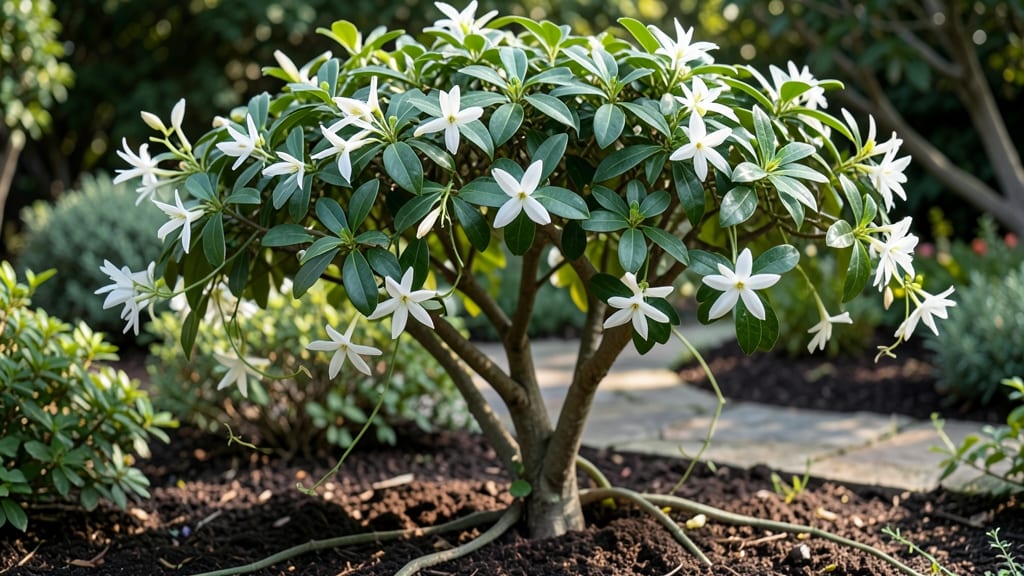
This jasmine flower tree can bloom like magic with just three precise cuts—here’s how I’ve kept mine fragrant and thriving for five seasons. 🌿 force. The key is understanding how jasmine grows: it flowers on new wood, so pruning encourages exactly what you want—more blooms, faster.
Most people wait until spring, but that’s too late. I prune my Jasminum officinale in late winter (just before buds swell) and again in early summer after the first flush of flowers. The third cut?
A light touch in fall to clean up and shape. Each pruning takes 10 minutes with the right tools—sharp shears, gloves, and a clear plan. No fancy equipment needed, just patience and a steady hand.
What you’ll end up with is a tree dripping with intense, sweet-scented blooms from spring through fall, with winter’s dormant branches still holding their elegant shape. The air around your patio or balcony will smell like a Mediterranean evening, and your neighbors will ask how you did it.
(Spoiler: It’s not magic—just smart cuts at the right time.)
This method works for both climbing varieties (Jasminum officinale) and bush types (Jasminum polyanthum), whether you’re shaping a trellis or keeping it compact in a pot.
The only rule? Never cut into old, bare wood—that’s where next year’s flowers won’t appear. Let’s get those shears sharp and transform your jasmine into a blooming powerhouse.
📚 In This Guide
- What you need
- Instructions
- Tips and common mistakes
- Wrapping up and next steps
What you need
- ● Pruning shears: Bypass pruners (sharp, 6-8 inch blades) for clean cuts on small branches. Quantity: 1 pair.
- ● Loppers: Long-handled (24-36 inch) for thicker branches (½ inch or larger). Quantity: 1 pair.
- ● Pruning saw: Curved-tooth saw for branches over 2 inches in diameter. Quantity: 1.
- ● Disinfectant: 70% isopropyl alcohol or diluted bleach solution (1 part bleach to 9 parts water) to sterilize tools between cuts. Quantity: Small spray bottle or wipe.
- ● Garden gloves: Cut-resistant, breathable (e.g., nitrile-coated). Quantity: 1 pair.
- ● Rubbing alcohol or hand sanitizer: For cleaning hands after pruning. Quantity: Travel-sized.
- ● Extension pole: For high branches (10+ feet). Tip: Look for one with a pruner attachment!
- ● Sealing wax: Pruning sealant to cover large cuts (reduces sap oozing). Quantity: Small tube.
- ● Tarp or drop cloth: To collect debris and protect the ground.
- ● Marking twine or flags: For labeling branches to prune (helpful for complex cuts).
- ● Safety glasses: To shield eyes from flying debris.
- ● ☀️ Best weather: Prune on a dry, overcast day (avoid pruning when the tree is wet or in direct sun).
- ● 📅 Timing: Know your jasmine type! Winter jasmine (prune late winter/early spring), summer jasmine (prune right after blooming).
- ● 🌱 Tree health check: Inspect for diseased or dead branches before starting—these take priority!
- ● 📝 Plan ahead: Sketch a rough map of your cuts (or take photos) if your tree is large or complex.
How to prune a jasmine flower tree for continuous blooms
Three strategic cuts keep your jasmine lush, fragrant, and flowering all year.
✂️ Step 1: Early Spring Cleanup Cut
Start in late winter to early spring—just as new growth begins to swell. This is your chance to remove last year's dead or crossing branches. I always grab my bypass pruners and start at the base, cutting back any branches that are thinner than a pencil or growing inward toward the center. These compete with healthy growth and weaken the plant.
Watch for buds forming at the base of branches—these are your future blooms. Never cut into a bud; always leave at least ¼ inch above a bud to encourage new growth. If a branch is completely dead (no green underneath the bark), remove it entirely. You'll know it's dead if the wood snaps cleanly when bent—healthy branches bend slightly before breaking.
🌿 Step 2: Post-Bloom Summer Pruning
After your jasmine finishes flowering, typically in late spring to early summer, it's time for the second cut. This is where you shape the tree while encouraging more blooms. Using your bypass pruners, trim back one-third of the oldest growth on each branch. Older wood produces fewer flowers, so removing it redirects energy to newer, more vigorous stems.
Look for branches that are overcrowded or rubbing against each other—these create wounds that invite disease. Cut these out completely, making your cuts at a 45-degree angle just above an outward-facing bud. This ensures the new growth will angle outward, improving airflow and light penetration. You'll see the difference in just a few weeks—more sunlight reaches the center, and new buds form along the fresh cuts.
⏰ Step 3: Light Winter Pruning for Airflow
In mid to late winter, do a final light pruning to prepare the tree for spring. This isn't about heavy cutting—it's about thinning out the canopy to prevent winter damage. Remove any branches that are too close together or growing in a way that blocks sunlight from the center. I like to step back and look at the tree from all angles, imagining sunlight streaming through. If a branch is blocking that light, it goes.
Pay special attention to water sprouts—those long, thin branches that shoot up straight from the main stem. These don't flower well and weaken the tree. Cut them back to a side branch or bud that's growing outward. This step keeps your jasmine healthy and prevents diseases that thrive in dense, shaded foliage. You'll notice in spring that the new growth is stronger and more evenly distributed.
Tips & tricks for pruning a jasmine flower tree
These three pruning sessions might seem like a lot, but they're the secret to keeping your jasmine blooming all year. Here's how to make each cut work for you.
Timing is Everything: In Step 1, when you're cutting in late winter to early spring, look for the first hint of green growth along the branches—this signals it's time to start. I've seen gardeners miss this window and accidentally prune off next year's blooms. If you're unsure, wait until you see those tiny green buds forming at the base of branches. That's your cue! The goal is to remove only what's dead or crossing, never the potential blooms.
The 45-Degree Rule: During Step 2, when you're making those angled cuts above outward-facing buds, here's what nobody tells you—this isn't just about looks. The angle helps water run off the cut, preventing rot. I've made this mistake before: cutting straight across and ending up with water pooling in the wound. Always cut at that 45-degree angle just above the bud, and you'll see healthier growth in weeks. This simple technique keeps your jasmine thriving for years.
Water Sprout Watch: In Step 3, those water sprouts might look harmless, but they're actually stealing nutrients from your flowering branches. Here's my trick: when I spot them, I cut them back to a side branch rather than the main stem. This encourages stronger, more horizontal growth that will produce more flowers. Think of it like redirecting your tree's energy where you want it—toward those fragrant blooms instead of skinny, non-flowering shoots.
Tool Maintenance: Your bypass pruners are your best friends for this job, but they need care too. After each pruning session, wipe them clean with rubbing alcohol to remove sap and prevent rust. I also sharpen the blades every few uses—dull blades tear wood instead of making clean cuts, which stresses the plant. A sharp tool makes the job easier and keeps your jasmine healthier. This small effort pays off with better growth and more blooms.
Pro Tips for Jasmine Flower Tree
- These three pruning sessions might seem like a lot, but they're the secret to keeping your jasmine blooming all year.
- Timing is Everything: In Step 1, when you're cutting in late winter to early spring, look for the first hint of green growth along the branches—this signals it's time to start.
- The 45-Degree Rule: During Step 2, when you're making those angled cuts above outward-facing buds, here's what nobody tells you—this isn't just about looks.
Frequently asked questions
Got questions about keeping your jasmine flower tree thriving with the perfect pruning routine? Here are some of the most common queries—and their simple solutions!
When is the best time to prune a jasmine flower tree?
The ideal time to prune is late winter or early spring (before new growth), but you can also do light trimming after blooming to shape it. Avoid heavy pruning in fall—it can stimulate tender new growth that won’t survive winter. For tropical jasmines (like Jasminum officinale), prune lightly after flowering to encourage more blooms.
How much can I cut back a jasmine tree without harming it?
You can safely remove up to 1/3 of the tree’s total growth in one session, but avoid over-pruning. For established trees, focus on dead, crossing, or overcrowded branches first. If your jasmine is young, limit cuts to 10-15% to avoid stress. Always use clean, sharp tools to prevent disease.
Why isn’t my jasmine flowering after pruning?
Jasmine blooms on new wood, so if you pruned too late (after flowering), it may take a season to recover. Ensure it gets 6+ hours of sunlight and well-draining soil. Over-fertilizing with nitrogen (which promotes leaves over flowers) can also stunt blooms. Try a balanced bloom booster in early spring instead.
Can I prune a jasmine tree in summer?
Light summer pruning is fine for removing dead or damaged branches, but avoid heavy cuts—it stresses the tree and can reduce flowering. If you must shape it, do so after the main bloom cycle (usually mid-to-late summer). Water deeply post-pruning to help recovery, especially in hot climates.
What’s a good alternative if my jasmine tree won’t survive pruning?
If your jasmine struggles with pruning or pests, consider climbing varieties like star jasmine (Trachelospermum jasminoides)—they’re hardier and bloom more reliably. For fragrant, low-maintenance options, try mock orange (Philadelphus) or gardenia. Both thrive with minimal pruning and offer stunning flowers!
Wrapping up and next steps
The jasmine flower tree is a stunning addition to any garden, offering fragrant blooms and year-round beauty—when pruned with care! By mastering the three smart cuts (spring shaping, post-bloom cleanup, and winter maintenance), you’ll encourage lush growth, vibrant flowers, and a healthier plant.
With the right tools and timing, your jasmine can thrive for seasons to come.
Ready to transform your garden? Grab your pruners, follow the steps above, and watch your jasmine flower tree flourish! 🌸 For extra inspiration, explore jasmine varieties or share your progress with fellow gardeners—your green thumb will shine! 🌿