
Pests
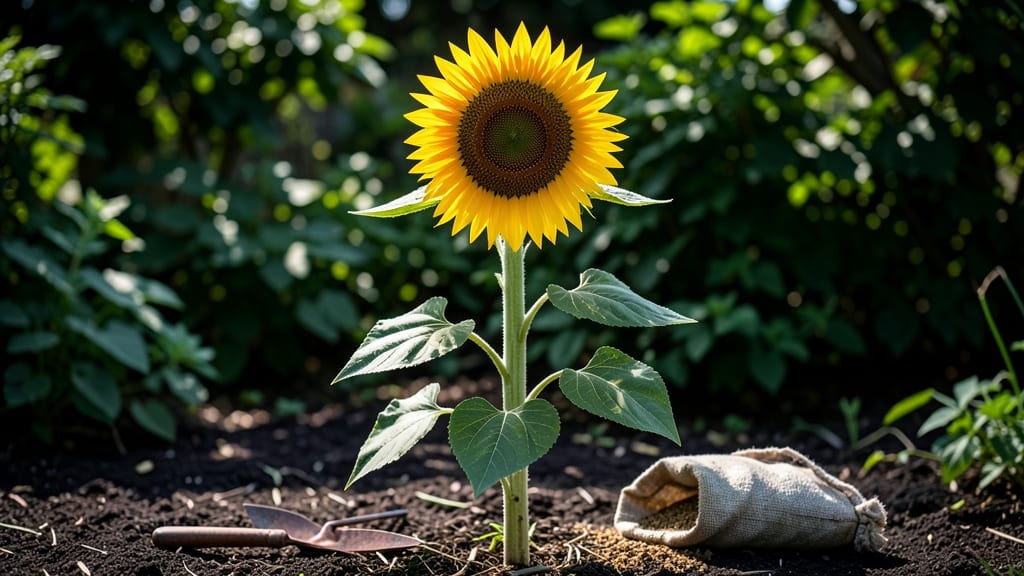
Growing King Kong sunflowers means towering blooms that dwarf everything else in your garden—12 to 16 feet tall with faces wide enough to cast shade.
I planted my first batch last spring, and by midsummer, they were the undisputed stars of the backyard, their massive petals swaying in the breeze like golden sails. The secret isn’t just patience—it’s giving them the right start in loose, nutrient-rich soil and consistent water from day one.
Most people underestimate how fast these giants drink, and that’s when their growth stalls.
You’ll need a sunny spot with at least 6 hours of direct light daily, a deep planting hole (since their roots run 3 to 4 feet deep), and space—2 to 3 feet between plants to prevent crowding. The payoff?
In just 90 days, you’ll have sunflowers so tall they’ll make your neighbors do a double-take. These aren’t just pretty faces—they’re pollinator magnets, attracting bees and birds while adding vertical drama to any garden.
And yes, they’re sturdy enough to handle summer storms, though a little staking helps if your area gets heavy winds.
Watch for powdery mildew on humid days—spraying leaves with a baking soda solution (1 tsp per quart of water) keeps them healthy. The real magic happens in the first 30 days: seedlings should sprout within a week, and by week 4, you’ll see rapid growth.
Prune side shoots early to direct energy upward, and fertilize lightly every 4 to 6 weeks with a balanced 10-10-10 mix. By late summer, you’ll have sunflowers that feel like a living monument—and the best part? The seeds are edible, too.
Works in zones 2 through 11, though in cooler climates, start seeds indoors 4 to 6 weeks before the last frost. Container growers can try them in large pots (at least 18 inches deep), though they’ll be smaller.
The key is not overcrowding—these sunflowers need room to flex their muscles. Ready to grow something that’ll make your garden the talk of the neighborhood?
📚 In This Guide
- What you need
- Instructions
- Tips and common mistakes
- Wrapping up and next steps
What you need
- ● King Kong Sunflower Seeds – 10–20 seeds (or 1–2 plants if starting with transplants). Look for Helianthus annuus ‘King Kong’ or similar giant varieties.
- ● Well-draining potting mix or garden soil – 5+ gallons per plant (or enough to fill a 12" deep container if growing in pots). Amend with compost for extra nutrients!
- ○ Fertilizer – Balanced 10-10-10 or slow-release granular fertilizer (follow package rates). Optional: Add a handful of bone meal at planting for extra height.
- ● Stakes or cages – 6–8 ft tall (bamboo or metal). These giants can top 12–14 feet—they’ll need support!
- ● Watering can or hose with a gentle nozzle – Aim for 1–2 inches of water per week, especially during flowering.
- ● Mulch (straw or shredded leaves) – 2–3 inches thick to retain moisture and suppress weeds.
- ● Garden trowel or transplanting spade – For digging holes (6" deep, 12" wide).
- ● Gloves & knee pads – Because squatting in the dirt is not a flex.
- ● Sunny spot – Full sun (6+ hours daily) is a must. Partial shade = sad, short sunflowers.
- ● Patience (90 days to bloom!) – Start seeds indoors 4–6 weeks before last frost or direct-sow after frost.
- ● Epsom salt (1 tbsp per plant monthly) – Boosts magnesium for bigger blooms.
- ● Drip irrigation system – Keeps roots happy without overwatering.
- ● Bird netting – Protects buds from hungry critters (squirrels love sunflower snacks).
- ● Pruning shears – For trimming dead leaves or shaping side shoots.
Step-by-step instructions for growing towering King Kong sunflowers
Here’s how to coax those legendary 12-foot giants from seed to sky-high glory.
🌱 Step 1: Plant Seeds When Soil Reaches 60°F
King Kong sunflowers thrive in warm soil—wait until the ground temperature hits 60°F before planting. I like to test this by pressing my hand into the soil; if it feels warm but not scorching, it’s ready. Plant seeds 1 inch deep and 6 inches apart in rows spaced 2 feet apart to give roots room to spread.
Direct sowing works best—these sunflowers hate transplanting. Drop 2-3 seeds per hole (they germinate fast) and thin to the strongest seedling after 7-10 days when the first true leaves appear. If you’re in a short season, start seeds indoors 4-6 weeks before the last frost, but harden them off carefully—they’re sensitive to cold.
☀️ Step 2: Provide Full Sun and Consistent Water
King Kongs demand 6-8 hours of direct sunlight daily—no compromises. If your garden gets less, supplement with a grow light for at least 4 hours/day to prevent leggy stems. I’ve seen them stretch toward windowsills, and that’s a sure sign they’re starving for light.
Water deeply 1-2 times per week, soaking the soil to 12 inches down. Let the top 2 inches dry out between waterings to encourage deep root growth. Overhead watering can spread fungal diseases, so aim for the base. Mulch with 2-3 inches of straw to retain moisture and keep roots cool.
🌿 Step 3: Fertilize Lightly and Stake Early
These sunflowers grow fast but don’t need heavy feeding. Mix 1 cup of 10-10-10 fertilizer into the soil at planting, then side-dress with ½ cup when stems reach 3 feet tall. Too much nitrogen makes them leafy at the expense of blooms.
Stake them before they topple. Drive a 6-foot wooden stake into the ground 6 inches from the plant and tie the stem loosely with soft fabric strips (not wire—it cuts into stems). Check ties weekly as the plant grows. I’ve seen un-staked King Kongs snap in windstorms, and they don’t bounce back.
✂️ Step 4: Watch for Bolting and Deadhead Wisely
King Kongs bolt quickly—once the flower bud forms, count backward 90 days to estimate harvest. The blooms last 1-2 weeks before seeds mature. To extend the show, deadhead spent flowers by snipping stems 1 inch below the bloom with clean shears. This redirects energy to side shoots, though they won’t reach the same height.
Leave some flowers to go to seed if you want next year’s crop. The birds will notice first, so cover seed heads with fine mesh if you’re saving seeds. Harvest seeds when the back of the flower turns brown and papery—twist them off and dry in a warm, dark place for 2 weeks before storing.
⏰ Step 5: Harvest and Preserve for Winter
Cut stems 2-3 inches above the base when petals wilt but before seeds scatter. Hang upside down in a dry, dark shed for 2 weeks to dry fully. Strip seeds by hand or rub the head over a tray. Store in airtight containers in a cool, dark place—they’ll last 3-4 years.
For fresh blooms, arrange cut stems in deep vases with 1 inch of water and flower food. Change water every 2 days to keep them vibrant for 5-7 days. The sheer size makes them a conversation piece—just be ready to duck under doorways!
Tips & tricks for perfect King Kong sunflower growth
These simple strategies will help you avoid common pitfalls and grow sunflowers that reach their full towering potential.
Soil Temperature Secret: The 60°F soil temperature threshold is non-negotiable for King Kong sunflowers. I've seen them fail to germinate when planted too early, even if the air feels warm. Use a soil thermometer for accuracy—it's worth the investment. If your soil runs cooler, consider using black plastic mulch a few days before planting to warm it up naturally. This extra step makes all the difference when you're waiting for that first true leaf.
Sunlight Strategy: Those 6-8 hours of direct sunlight are critical, but don't forget about the quality of that light. South-facing windowsills get intense midday sun, but morning light is gentler. If you're supplementing with grow lights, position them 6-12 inches above the plants and use full-spectrum bulbs that mimic natural sunlight. I've noticed my indoor starts grow leggy when they don't get enough blue light spectrum—this is what prevents that weak, stretched growth.
Watering Wisdom: The deep watering technique (soaking 12 inches down) might seem excessive, but it's essential for developing those strong taproots these giants need. I've seen many gardeners water too frequently at the surface, which actually encourages shallow root systems. Let that top 2 inches dry out between waterings—this signals the roots to grow deeper in search of moisture. A moisture meter helps track this precisely, especially in clay soils that hold water differently than sandy ones.
Staking System: When it comes to those 6-foot stakes, I recommend using bamboo stakes instead of wood—they're lighter, easier to drive into the ground, and won't rot as quickly. Position the stake on the side opposite the prevailing wind to provide the most support. The key is to tie loosely with soft fabric (like old T-shirts cut into strips) and check weekly as the stem grows. I've seen stems double in diameter in just two weeks, so those ties need regular adjustment to prevent constriction.
Pro Tips for King Kong Sunflower
- These simple strategies will help you avoid common pitfalls and grow sunflowers that reach their full towering potential.
- Soil Temperature Secret: The 60°F soil temperature threshold is non-negotiable for King Kong sunflowers.
- Sunlight Strategy: Those 6-8 hours of direct sunlight are critical, but don't forget about the quality of that light.
Frequently asked questions
How do I prevent King Kong sunflowers from toppling over in wind or rain?
King Kong sunflowers can grow 12–14 feet tall, so staking is a must! Use bamboo stakes (3–4 feet long) or spiral supports tied loosely with soft plant ties. Plant stakes 6 inches deep next to each seedling and angle them slightly for extra stability. For extra insurance, consider grouping plants in clusters of 3–5—their combined weight helps anchor them naturally. Pro tip: Avoid tight ties that can girdle stems as they thicken!
Can I grow King Kong sunflowers in containers, or do they need a garden bed?
While King Kong sunflowers thrive in deep, well-draining garden soil, they can be grown in containers—with limitations. Choose a 5-gallon pot or larger (at least 18" deep) and fill it with a lightweight potting mix blended with compost. Place pots in full sun and water deeply 2–3 times per week, as containers dry out faster. Staking is critical in pots since they lack natural support. Warning: Expect slightly smaller blooms (10–12 feet) due to root restrictions.
What pests or diseases should I watch for with King Kong sunflowers?
King Kong sunflowers are generally pest-resistant, but keep an eye out for:
- Sunflower moths: Tiny caterpillars chew leaves—handpick or spray with neem oil.
- Japanese beetles: Skewer adults or use pyrethrin-based sprays (follow label instructions).
- Powdery mildew: White fungal dust on leaves? Improve airflow and spray with baking soda solution (1 tsp per quart of water).
- Squirrels: These critters love sunflower seeds! Use wire mesh cages over seedlings until sprouted.
Why aren’t my King Kong sunflowers growing as tall as expected?
If your sunflowers are stunted or leggy, check these common culprits:
- Insufficient sunlight: King Kongs need 6+ hours of direct sun daily. Move pots or thin nearby plants for better light.
- Overcrowding: Space seeds 18–24 inches apart—too close = competition for nutrients.
- Poor soil: Amend soil with compost or aged manure before planting for nutrient-rich growth.
- Underwatering: Deep water 1–2 times per week (more in extreme heat). Wilting leaves signal thirst!
- Cold temperatures: Seeds need soil temps above 55°F to germinate. Use row covers if planting early.
Are there shorter sunflower varieties if King Kong is too tall for my space?
If height is a concern, try these giant-but-manageable alternatives:
- Russian Giant: 10–12 feet tall, classic King Kong cousin.
- Mammoth Russian: 10–14 feet, slightly bushier than King Kong.
- Autumn Beauty: 8–10 feet, bicolor blooms (red/yellow) and earlier maturity (80 days).
- Pro Cut: 5–7 feet, disease-resistant and great for cut flowers.
Wrapping up and next steps
The King Kong sunflower isn’t just a plant—it’s a statement! With its towering height and dramatic blooms, it’s perfect for adding drama to your garden in just 90 days. Whether you’re battling pests, boosting pollinators, or simply chasing that "wow" factor, this sunflower delivers—effortlessly.
Ready to grow your own giant? Start now! Grab your seeds, prep your soil, and watch your garden transform. Your future King Kong sunflower is waiting—plant it today! 🌻💪