
Planting
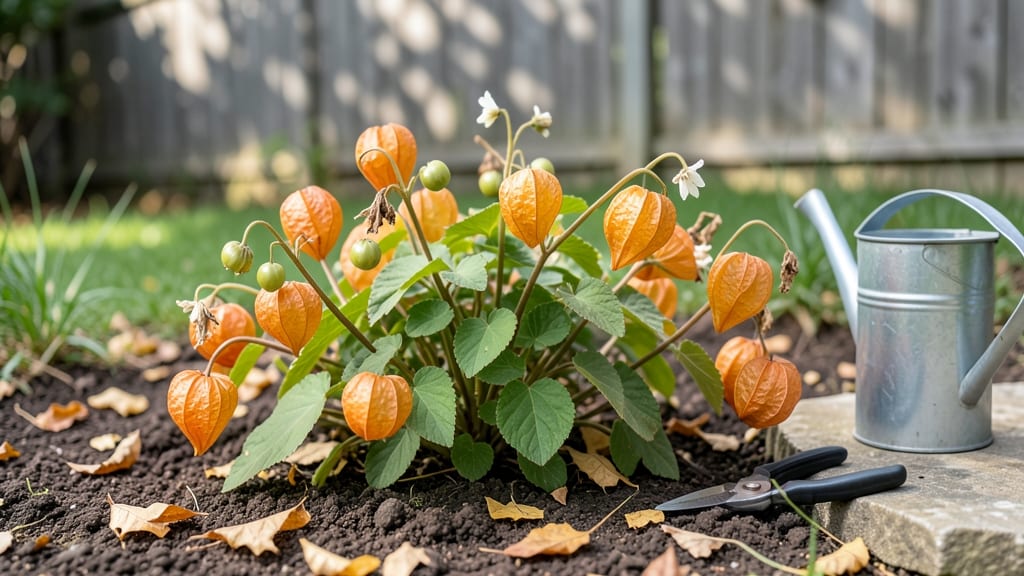
Growing lantern flowers means waking up to clusters of papery lanterns dangling like nature's chandeliers—Physalis peruviana and Physalis alkekengi are the stars of low-maintenance gardens. 🌟 I learned the hard way that these plants thrive when you mimic their native conditions: bright light, well-draining soil, and just enough water to keep roots happy without drowning them.
The secret to their year-round blooms lies in pruning precision—snip back leggy stems in early spring to encourage bushier growth, and deadhead faded lanterns to keep production flowing.
Most beginners overwater, but these plants prefer dry spells between drinks. A 5-gallon container works for small varieties, while sprawlers need room to roam in garden beds.
What starts as a single plant can become a prolific producer by summer, with harvests of sweet-tart berries or decorative lanterns that last weeks. The berries taste like a cross between pineapple and tomato, while the dried lanterns make stunning winter decor.
With the right care, you'll have blooms from late spring through frost—and maybe even a few surprises in winter.
Works in zones 3-11, making it one of the most adaptable garden plants. Whether you're growing for fruit, flowers, or both, these lantern flowers deliver beauty and bounty with minimal fuss. Let's get those seeds or starts planted!
📚 In This Guide
- What you need
- Instructions
- Tips and common mistakes
- Wrapping up and next steps
What you need
- ● Lantern flower plant (Physalis alkekengi) – 1-3 plants (bare-root, container-grown, or seeds if starting from scratch). Choose healthy specimens with vibrant foliage.
- ● Well-draining soil mix – 5-10 gallons (adjust based on pot size or garden bed). Ideal blend: 60% garden soil, 20% compost, and 20% perlite or sand.
- ● Organic fertilizer – 1 lb of balanced 10-10-10 or slow-release granular fertilizer (e.g., fish emulsion or worm castings).
- ● Mulch – 2-3 inches of shredded bark, straw, or pine needles to retain moisture and suppress weeds.
- ● Garden trowel or hand shovel – For transplanting or digging holes (6-8 inches deep).
- ● Pruning shears – Sharp, clean pair for trimming dead branches or shaping the plant.
- ● Watering can or hose with a gentle spray nozzle – For consistent hydration without damaging delicate blooms.
- ○ Gloves (optional but recommended) – Protects hands from thorns (if growing Physalis peruviana varieties) or soil.
- ● Containers (if potted) – 12-15 inch diameter pots with drainage holes (terracotta or fabric grow bags work well).
- ● Sunlight access – Full sun to partial shade (6+ hours of sunlight daily for optimal blooms).
- ● Temperature range – Ideal growing conditions: 60–75°F (15–24°C). Avoid frost-prone areas unless using containers for overwintering.
- ● Watering schedule – Keep soil consistently moist but not waterlogged (1–1.5 inches of water per week, adjusting for climate).
- ● Patience for blooms – Lantern flowers may take 6–12 weeks to produce their iconic paper lanterns after planting.
How to prune your lantern flower plant for continuous blooms
Here’s the method I’ve used to keep my cleome (lantern flower) plants flowering nonstop—no deadheading drama, just steady, vibrant blooms.
🌿 Step 1: Identify the Right Time to Prune
Prune your lantern flower plant right after the first flush of blooms—usually 4-6 weeks after transplanting or when you see 10-12 inches of new growth. This is when the plant has established roots but hasn’t yet set seed. Waiting too long lets the plant focus on seed production instead of flowers.
Look for healthy, woody stems with multiple side shoots. These are your pruning points—they’ll branch out and produce more flowers. Avoid pruning in extreme heat or cold; mornings between 6-10 AM are ideal when the plant is hydrated but not stressed.
✂️ Step 2: Make the Cut at the Correct Spot
Use clean, sharp pruning shears to cut just above a leaf node—this is where new growth will emerge. I like to make my cuts at a 45-degree angle to prevent water from pooling on the stem, which can cause rot. Never leave stubs; a clean cut heals faster and encourages stronger regrowth.
Focus on cutting back the main stems by about one-third. This might sound drastic, but it triggers bushier growth. You’ll see new side shoots emerge within 2-3 weeks—that’s your reward for the bold cut. If you’re nervous, start with just one stem to test the plant’s response.
☀️ Step 3: Support and Feed for Recovery
After pruning, your lantern flower plant will need extra care to bounce back. Move it to a spot with bright, indirect light for 1 week to reduce stress. Too much direct sun right after pruning can scorch new growth. Water deeply every 2-3 days until you see new leaves unfurl—this signals the plant is recovering.
Feed with a balanced liquid fertilizer (10-10-10) diluted to half strength 1 week after pruning. This gives the plant the nutrients it needs to produce fresh blooms. I also like to add a handful of compost around the base—it improves soil structure and retains moisture for those critical first weeks of regrowth.
🌱 Step 4: Encourage Continuous Blooming with Regular Maintenance
Once your lantern flower plant recovers, it’s time to keep the blooms coming. Pinch back any new growth that exceeds 6 inches to encourage bushier, more compact plants. This isn’t just about looks—it also prevents leggy stems that flop over in heavy blooms.
Watch for spent flower clusters and remove them by cutting the stem just below the faded bloom. This might seem counterintuitive—after all, deadheading usually stops flowers—but with lantern flowers, it’s about redirecting energy to new growth. You’ll notice fresh buds forming at the nodes within 3-5 days of removing old blooms.
Tips & tricks for perfect lantern flower pruning
Here's what nobody tells you about keeping your cleome blooming like clockwork—these are the details that separate a one-time show from months of vibrant flowers.
Timing is Everything: The 4-6 week window after transplanting is your sweet spot for pruning, but don't get fixated on the calendar. Focus instead on those 10-12 inches of new growth—that's your real deadline. I've learned this the hard way after seeing plants shift energy to seed production when I waited too long. The key is catching that moment when roots are established but before the plant commits to flowering cycles.
The 45-Degree Angle Secret: That angled cut isn't just for looks—it's a functional design. A clean, slanted cut prevents water from pooling on the stem, which would otherwise create a perfect breeding ground for rot. I've seen too many pruning jobs go wrong because people left stubs or made straight cuts. Think of it like a roof gutter: water should run off, not pool. And always use sharp shears—dull blades crush stems instead of cutting cleanly.
One-Third Rule Recovery: Cutting back by one-third might seem aggressive, but this is where the magic happens. You'll see those new side shoots emerge within 2-3 weeks—that's when you'll know you did it right. Here's my pro move: if you're nervous about the full cut, start with just one main stem. This lets you test the plant's response without overwhelming it. The first flush of new growth after pruning is always the most vigorous.
Light and Water Balance: That first week after pruning is critical for recovery. Bright, indirect light gives your plant the energy it needs without causing stress from direct sun. And don't skimp on water—deep watering every 2-3 days until you see new leaves unfurl is non-negotiable. I've seen plants recover beautifully when given this precise care, while others struggled when kept in harsh conditions. Think of it as plant intensive care.
Pro Tips for Lantern Flower Plant
- Here's what nobody tells you about keeping your cleome blooming like clockwork—these are the details that separate a ...
- Timing is Everything: The 4-6 week window after transplanting is your sweet spot for pruning, but don't get fixated o...
- The 45-Degree Angle Secret: That angled cut isn't just for looks—it's a functional design. A clean, slanted cut preve...
Frequently asked questions
How often should I prune my lantern flower plant for continuous blooms?
Prune your Cleome every 4–6 weeks during the growing season (spring to fall) to encourage bushier growth and nonstop flowers. Focus on removing dead or leggy stems and trimming back overly long branches by about ⅓. Avoid heavy pruning late in the season, as it can stunt winter hardiness in colder climates.
Can I prune lantern flowers too much? What are the signs?
Yes! Over-pruning—especially cutting back more than ⅓ of the plant at once—can stress your Cleome and reduce flowering. Signs of over-pruning include yellowing leaves, stunted growth, or no new blooms. If this happens, let the plant recover for a few weeks before light trimming. Pro tip: Always prune just above a leaf node to encourage regrowth.
Do lantern flowers need full sun? What if my yard is shady?
Cleome thrives in full sun (6+ hours daily), but it can tolerate partial shade (4–6 hours) in hotter climates. In shady spots, expect fewer blooms and leggier stems. If your yard is low-light, place the plant near a south-facing window (for containers) or pair it with taller, sun-loving plants to create a microclimate.
What pests or diseases commonly attack lantern flower plants?
The biggest threats are aphids, spider mites, and powdery mildew. Aphids (tiny green/black bugs) cluster on new growth—blast them off with water or use neem oil. Spider mites cause yellowing leaves; increase humidity or spray with soapy water. For powdery mildew (white powdery coating), improve airflow and apply fungicide. Prevention tip: Deadhead regularly to reduce pest hiding spots!
Can I grow lantern flowers in containers? What’s the best setup?
Cleome loves containers—just use a 5-gallon pot or larger with drainage holes and well-draining soil. Choose a lightweight potting mix (add perlite for aeration) and fertilize every 4–6 weeks with a balanced liquid fertilizer. Place in full sun and water when the top 1–2 inches of soil dry out. Bonus: Containers let you move the plant to follow the sun!
Wrapping up and next steps
The lantern flower plant is a stunning addition to any garden, offering vibrant blooms and low-maintenance charm—especially when pruned with care! 🌸 With the right tools, timing, and techniques, you’ll enjoy its cheerful flowers year-round. Whether you’re a seasoned gardener or just starting, this plant rewards patience and precision.
Now that you’re armed with pruning precision and answers to common questions, it’s time to roll up your sleeves! 🌱 Start by inspecting your plant this weekend—trim those spent blooms, shape with confidence, and watch your lantern flowers thrive. Happy gardening!