
Flowers
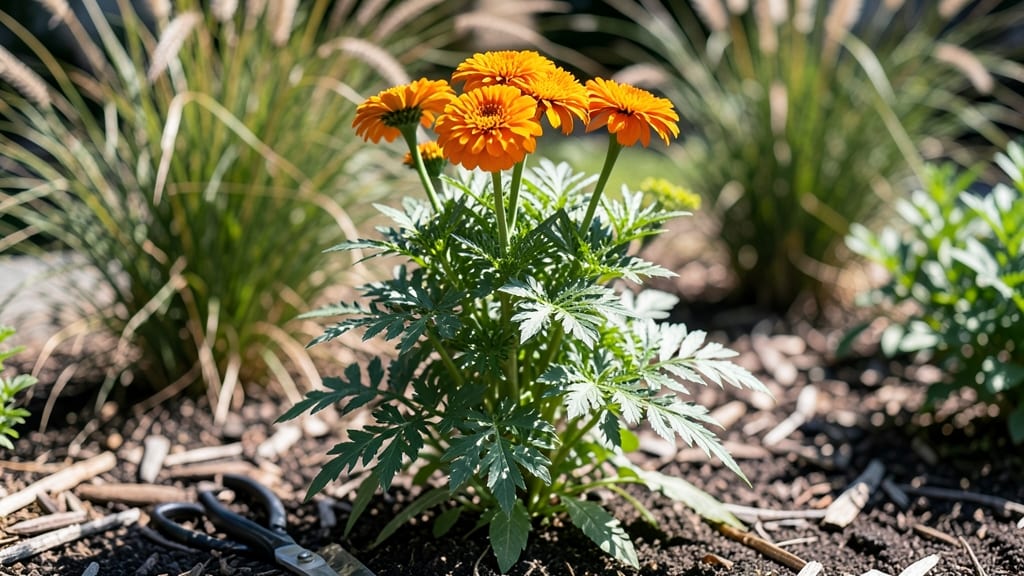
Those large marigold flowers burst with golden cheer, turning any garden into a buzzing haven for bees, butterflies, and hummingbirds while lending fiery warmth to borders, cottage gardens, or tropical-themed spaces.
I’ve designed countless layouts where these large marigold flowers become the star, anchoring color schemes with their fiery oranges, deep golds, and creamy whites. The secret lies in strategic placement: pair them with lavender for a cottage vibe or mix with salvias for a pollinator magnet.
Start with 3-5 plants per 10-foot border to create a lush, continuous display. For focal points, group 5-7 plants in a circular arrangement—this draws the eye while keeping maintenance manageable.
Marigolds thrive in full sun and well-drained soil, so pair them with drought-tolerant companions like snapdragons or zinnias for a low-maintenance, high-impact combo. Their strong scent even deters pests, making them a multi-purpose workhorse in any design.
In seasonal arrangements, plant marigolds alongside spring bulbs like tulips for early color, then let them take over as summer blooms fade. For tropical gardens, combine them with hibiscus and cannas for a bold, sun-drenched look.
The key is layering heights: taller varieties (like ‘Crackerjack’) frame pathways, while shorter types (like ‘Bonanza’) spill over edges. You’ll end up with a garden that’s as functional as it is stunning.
This approach works for containers, raised beds, or in-ground plantings—adjust spacing based on your layout. Whether you’re refreshing a cottage garden or designing a pollinator haven, marigolds deliver year-round structure with minimal effort. Ready to make them the centerpiece of your next project?
📚 In This Guide
- What you need
- Instructions
- Tips and common mistakes
- Wrapping up and next steps
What you need
- ● Marigold seeds: Choose Tagetes varieties like ‘Crackerjack,’ ‘Bonanza,’ or ‘Jumbo’ for extra-large blooms (1–2 seed packets, ~50–100 seeds).
- ● Potting soil: 1–2 bags of well-draining, organic potting mix (or garden soil amended with compost).
- ● Containers or garden bed: Containers: 6–12-inch pots (1–2 per plant) with drainage holes.
- ● Garden bed: Full sun (6+ hours/day) and loose, fertile soil.
- ● Watering can or hose: With a gentle spray nozzle for even moisture.
- ○ Fertilizer (optional but helpful): Balanced 10-10-10 or 5-10-10 granular fertilizer (1 tbsp per plant at planting).
- ● Slow-release rose or flower fertilizer (follow package rates).
- ○ Gloves: Optional but recommended for handling soil/seeds.
- ● Trowel or small shovel: For transplanting seedlings or loosening soil.
- ● Plant labels: To track varieties (e.g., popsicle sticks + markers).
- ○ Mulch (optional): Straw or shredded leaves to retain moisture and suppress weeds.
- ● Pruning shears: For deadheading spent blooms (encourages more flowers!).
- ● 📅 Timing: Start seeds indoors 6–8 weeks before last frost, or direct-sow after soil warms to 60°F (15°C).
- ● 💧 Watering routine: Keep soil consistently moist (not soggy) until established, then water at the base.
- ● ☀️ Sunlight: Full sun is a must—marigolds thrive in heat!
Step-by-step guide to cultivating bold marigold blooms
Marigolds thrive when given the right conditions—here's how to coax those vibrant, large flowers from seed to full bloom.
🌱 Step 1: Start Seeds Indoors for Early Blooms
Fill 4-inch diameter biodegradable pots with seed-starting mix and plant 2-3 marigold seeds per pot at a depth of ¼ inch. Gently press the soil to ensure good seed-to-soil contact, then mist with water until the mix feels evenly damp. Place the pots in a warm location—70-75°F is ideal—where they’ll receive bright, indirect light for 6-8 hours daily.
Keep the soil consistently moist but never soggy; marigold seeds need constant moisture to germinate, which typically occurs in 7-14 days. If germination takes longer, check the soil temperature—cooler conditions delay sprouting. Once seedlings emerge, remove the weakest one to leave the strongest plant per pot.
☀️ Step 2: Harden Off and Transplant for Outdoor Success
After 2-3 weeks, when seedlings have 2-3 true leaves, begin hardening them off by placing them outside in a sheltered spot for 1-2 hours the first day. Gradually increase their outdoor time over 7-10 days, eventually leaving them out overnight. This process toughens the plants, preventing shock when they’re moved to the garden.
Choose a sunny location with at least 6-8 hours of direct sunlight daily—marigolds adore full sun and reward it with larger, more vibrant blooms. Transplant seedlings 12-18 inches apart in well-draining soil, burying them to the same depth they were in their pots. Water deeply after planting to help roots establish.
💧 Step 3: Maintain Soil and Water for Peak Flowering
Water marigolds at the base of the plant, keeping the soil consistently moist but not waterlogged. Overwatering leads to root rot, while underwatering causes buds to drop before opening. Aim for 1 inch of water per week, adjusting for rain. Mulch around plants with 2-3 inches of organic mulch to retain moisture and suppress weeds.
Fertilize lightly every 4-6 weeks with a balanced, water-soluble fertilizer (10-10-10) to encourage lush growth and abundant blooms. Avoid high-nitrogen fertilizers—they promote leafy growth at the expense of flowers. Deadhead spent blooms regularly to redirect the plant’s energy into producing more vibrant, large flowers.
✂️ Step 4: Prune and Support for Long-Lasting Blooms
Pinch back the tips of young plants to encourage bushier growth and more flower stems. As the plant matures, prune leggy stems to maintain a compact shape and improve air circulation. This reduces the risk of fungal diseases and ensures stronger stems that support heavy blooms.
Stake taller varieties if needed, especially in windy areas, to prevent stems from snapping under the weight of large flowers. Harvest blooms in the morning for the longest vase life, and always cut just above a leaf node to encourage new growth. With proper care, marigolds will continue blooming until the first frost, providing a sunshine-driven pollinator powerhouse for your garden.
Tips & tricks for cultivating bold marigold blooms
Here's what I've learned from years of growing marigolds—small details that make all the difference between average blooms and showstopping flowers.
Seedling Temperature: Maintaining that 70-75°F range during germination is crucial, but consistency matters more than exact degrees. I place my seed trays on a heating mat set to 72°F and use a small fan to circulate air—this prevents mold while keeping humidity even. If your home runs cooler, consider a seedling heat mat or warm spot near a sunny window with indirect light. The goal is steady warmth, not precise thermostat settings.
Lighting Strategy: Those 6-8 hours of bright, indirect light in Step 1 can be tricky with winter sunlight. I supplement with a full-spectrum LED grow light placed 6 inches above the seedlings for 12 hours daily until natural light increases. Watch for seedlings leaning toward light—this means they need repositioning or stronger light. Rotate pots daily to prevent uneven growth.
Transplanting Timing: The 2-3 weeks until seedlings have 2-3 true leaves feels like forever, but rushing this step causes transplant shock. I test readiness by gently tugging on a leaf—if it resists, the plant's strong enough. For extra protection, transplant on a cloudy day or in late afternoon when UV is less intense. Water deeply before and after transplanting to reduce stress.
Sunlight Optimization: While marigolds love 6-8 hours of direct sunlight, they can handle more in cooler climates. In hot, dry regions, provide afternoon shade during peak summer heat to prevent wilting. I've found that positioning plants slightly east-west rather than north-south maximizes sunlight exposure throughout the day without overheating the soil.
Pro Tips for Large Marigold Flowers
- Here's what I've learned from years of growing marigolds—small details that make all the difference between average blooms and showstopping flowers.
- Seedling Temperature: Maintaining that 70-75°F range during germination is crucial, but consistency matters more than exact degrees.
- Lighting Strategy: Those 6-8 hours of bright, indirect light in Step 1 can be tricky with winter sunlight.
Frequently asked questions
Got questions about growing or using large marigold flowers? You’re not alone! Here are some of the most common queries—plus quick, practical answers to help you cultivate these vibrant blooms like a pro.
How do I encourage larger marigold blooms?
To coax those big, bold marigold flowers, focus on sunlight (6+ hours daily) and well-draining soil. Pinch back early blooms to redirect energy to foliage, and fertilize lightly with a balanced formula (like 10-10-10) every 4–6 weeks. Avoid overwatering—dry soil prevents root stress, which can stunt growth. Pro tip: Deadhead spent blooms regularly to boost reblooming!
When is the best time to plant marigolds for maximum size?
For large marigold flowers, plant seeds 2–3 weeks after your last frost date (spring) or in late summer for fall blooms. Start indoors 4–6 weeks before transplanting if your climate has short growing seasons. Marigolds thrive in warm soil (70°F+), so wait until nighttime temps stay above 50°F. Bonus: Direct sowing works too—just plant seeds ¼ inch deep!
Can I grow large marigolds in containers?
Choose compact varieties like ‘Bonanza’ or ‘Crackerjack’ for containers. Use pots at least 12 inches wide and deep with drainage holes, and fill with potting mix amended with compost. Place in full sun and water consistently (containers dry faster). Container hack: Mix in perlite to improve aeration and prevent root rot.
Why aren’t my marigold flowers attracting pollinators?
If bees and butterflies ignore your large marigold flowers, check these fixes:
- Bloom color: Yellow/orange marigolds (like ‘French’ types) are pollinator magnets—reds may deter some insects.
- Pesticides: Skip chemical sprays; neonicotinoids harm pollinators. Use soapy water (1 tsp mild soap + 1 quart water) for pests.
- Water source: Add a shallow dish of water nearby—pollinators need hydration!
- Companion plants: Pair with basil, dill, or cosmos to create a pollinator buffet.
What’s a good alternative if marigolds don’t thrive in my climate?
If your zone is too hot/cold for marigolds, try these pollinator-friendly substitutes with similar vibrancy:
- Zinnias (drought-tolerant, long bloom time)
- Cosmos (self-seeding, deer-resistant)
- Sunflowers (giant blooms, fast-growing)
- Calendula (edible, pest-repellent)
Wrapping up and next steps
Large marigold flowers aren’t just stunning—they’re nature’s pollinator magnets, easy to grow, and packed with benefits for your garden and soul! 🌻 Whether you’re a seasoned gardener or a beginner, these vibrant blooms bring joy, color, and life to any space. Ready to take the next step?
Start by planting your seeds or seedlings this week, and watch your garden transform into a buzzing paradise. Share your progress with fellow flower lovers—tag us in your photos and let’s celebrate the beauty of large marigolds together!