
Flowers
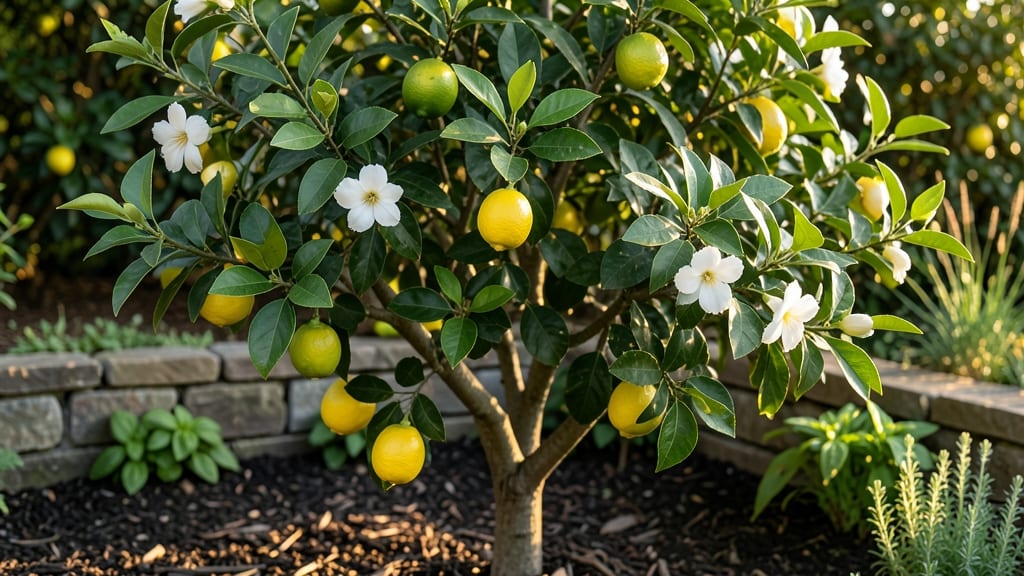
The lemon fruit flower’s intoxicating scent is what first hooked me—now I’m growing mine indoors year-round with just three simple trims a year.
That first whiff of citrusy blossoms in February made me realize how easy it is to bring this tropical charm into any home, even without a sunny backyard.
The secret isn’t complicated soil or rare varieties—it’s light, timing, and a little patience to coax those delicate white flowers into blooming reliably.
Here’s the thing—most people assume lemon plants need a greenhouse or perfect conditions, but I’ve grown mine in a bright kitchen window for five years straight.
You’ll need well-draining potting mix, a pot with drainage holes, and a spot where it gets 6+ hours of sunlight daily (south-facing windows work best).
The real magic happens when you prune at the right times: late winter, early summer, and fall, which keeps the plant compact and encourages those fragrant blooms. Even my black thumb can’t kill these.
What you’ll end up with is a plant that smells like a Mediterranean spring all year, with clusters of star-shaped white flowers that last for weeks. The best part? Those blooms turn into lemons—small but perfectly usable—if you hand-pollinate them with a soft brush.
The scent alone makes it worth growing, but the fruit is the cherry on top. You’ll know you’ve nailed it when neighbors ask where you got your “lemon tree” from.
Works for apartment balconies, sunrooms, or even a well-lit office—no fancy setup required. The only real trick is consistency with watering (let the top inch dry out between waterings) and avoiding drafts.
Once you get the rhythm, you’ll have year-round fragrance that makes your home feel like a citrus grove. Let’s get those blooms going!
📚 In This Guide
- What you need
- Instructions
- Tips and common mistakes
- Wrapping up and next steps
What you need
- ● Lemon plant: 1 mature lemon tree (dwarf varieties like Meyer lemon work best for containers) OR
- ● 1 packet of lemon seeds (for long-term projects—germination takes 2-4 weeks) OR
- ● 1 healthy cutting (6-8 inches long, with 2-3 nodes) from a lemon tree
- ● Potting mix: 1 bag (5-10 gallons) of well-draining citrus-specific soil (or a mix of 60% potting soil + 30% perlite + 10% sand)
- ● Container: 1 pot (12-18 inches in diameter) with drainage holes OR
- ● 1 garden plot (if planting outdoors, choose a sunny, sheltered spot)
- ● Fertilizer: 1 bottle of citrus-specific fertilizer (balanced NPK 6-6-6 or higher in nitrogen) OR
- ● 1 cup of organic compost (like worm castings or fish emulsion)
- ● Pruning tools: 1 pair of sterilized pruning shears (for shaping and trimming)
- ● 1 small hand saw (for thicker branches, if needed)
- ● Mulch: 1 bag of organic mulch (like pine bark or straw) to retain moisture
- ● Watering can with a fine rose nozzle (or a spray bottle for seedlings)
- ● pH test kit (to ensure soil pH is between 6.0–7.0)
- ● Rooting hormone (if propagating from cuttings)
- ● Grow lights (for indoor setups, 12-16 hours/day)
- ● Citrus food supplements (like Epsom salt for magnesium or iron chelates for yellowing leaves)
- ● Glove (to protect hands from thorns and sap)
Simple year-round care for lemon fruit flowers
Here’s how to keep your citrus tree blooming and fragrant with just three easy trims a year.
Prune for Shape and Airflow in Early Spring
Start by removing any dead, crossing, or crowded branches with clean, sharp pruning shears. I always work when the tree is just waking up—before new growth but after the last frost. This ensures you’re cutting back old wood while avoiding tender new shoots.
Focus on opening up the center of the tree so sunlight and air can reach all branches. Lemon fruit flowers thrive in well-ventilated areas, and this step prevents fungal diseases that can ruin blooms. Aim for a slightly open vase shape—this lets light penetrate evenly and encourages more flowers along the branches.
After pruning, wipe down the cuts with a damp cloth to remove any sap or debris. This keeps the wounds clean and reduces the risk of infection. You’ll notice new green shoots emerging within a few weeks—that’s your signal the tree is happy and ready for spring growth.
Light Trim for Summer Blooms After Harvest
Once you’ve harvested the lemons, give the tree a light trim to encourage another round of flowers. This is the moment that matters: prune just enough to shape the tree but don’t go overboard—you don’t want to stress it before winter. Remove any suckers (those small shoots growing from the base or along the trunk) and any branches that are growing inward.
I like to step back and look at the tree from all sides to check for balance. If one side looks too dense, trim a few branches there to even things out. The goal is to keep the tree’s energy focused on producing flowers and fruit, not just foliage. After trimming, give the tree a deep watering to help it recover and stimulate new growth.
Watch for new flower buds forming within 4-6 weeks. These will look like tiny green clusters—your reward for keeping the tree healthy and well-shaped. If you see any yellowing leaves, it’s a sign of overwatering or nutrient deficiency, so adjust your care routine accordingly.
Minimal Winter Pruning to Protect Against Cold
In late winter, just before the growing season kicks in, do a final light prune to remove any dead or damaged branches. This is more about cleanup than shaping—think of it as tidying up before the big spring push. Avoid heavy pruning now, as the tree needs all its energy to prepare for new growth.
Focus on branches that are weak, diseased, or crossing. Use sterilized pruners to make clean cuts just above a leaf node or outward-facing bud. This encourages healthy growth in the right direction. After pruning, apply a thin layer of mulch around the base of the tree to insulate the roots and retain moisture.
Real talk: If your lemon tree is in a pot, you might not need to prune much in winter—just remove any deadwood. Potted trees can be more sensitive to cold, so keep them in a sheltered spot or bring them indoors if temperatures drop below 25°F. You’ll see fresh new leaves and flower buds in early spring, signaling that your tree is ready for another year of blooms.
Tips & tricks for perfect lemon fruit flower care
Keeping your lemon tree blooming year-round takes just a few smart tricks—and avoiding these common mistakes will save you frustration.
Tool Prep: Sterilize your pruning shears before each use by wiping them with rubbing alcohol or dipping in boiling water. Clean tools prevent spreading diseases between cuts, which is especially important when shaping branches for optimal flower production. I always sterilize after each trim to keep my tree healthy.
Seasonal Timing Secret: The early spring trim in Step 1 should happen when your tree has just broken dormancy—look for swollen buds but no new leaves yet. This timing ensures you're cutting back old wood while preserving tender new growth. If you prune too early, you risk cutting into next year's flowers.
Visual Cues for Success: When checking for flower buds in Step 2, look for tiny green clusters that form at the leaf nodes. These appear about 4-6 weeks after trimming, and they're your reward for proper care. If you see yellowing leaves instead, it's a sign of overwatering or nutrient deficiency—adjust your care routine immediately.
Cold Protection: For potted lemon trees, never let temperatures drop below 25°F—this is the critical threshold where cold damage begins. If you're in a frost-prone area, consider moving potted trees to a sheltered spot or bringing them indoors during winter. A simple thermometer near the tree helps track temperatures and prevent cold stress.
Pro Tips for Lemon Fruit Flower
- Keeping your lemon tree blooming year-round takes just a few smart tricks—and avoiding these common mistakes will save you frustration.
- Tool Prep: Sterilize your pruning shears before each use by wiping them with rubbing alcohol or dipping in boiling water.
- Seasonal Timing Secret: The early spring trim in Step 1 should happen when your tree has just broken dormancy—look for swollen buds but no new leaves yet.
Frequently asked questions
How long does it take for a lemon fruit flower plant to bloom?
A healthy Citrus limon (lemon tree) typically starts producing fragrant white flowers within 2–5 years of planting, depending on growing conditions. Young plants may take longer, but with proper sunlight (6+ hours daily), well-draining soil, and occasional pruning, you’ll see blooms sooner. Patience pays off—those first flowers are worth the wait!
Why aren’t my lemon fruit flowers turning into lemons?
If your plant blooms but drops flowers without fruiting, it’s often due to lack of pollination, stress, or insufficient care. Hand-pollinate with a soft brush, ensure consistent watering (but avoid soggy roots), and fertilize lightly during bloom season. Cold drafts or sudden temperature drops can also cause flower drop—keep your tree in a stable, warm environment (60–80°F).
Can I grow lemon fruit flowers indoors year-round?
With the right setup, lemon trees thrive indoors. Place them near a south-facing window or under grow lights (14+ hours/day), use a well-draining potting mix, and rotate the pot monthly for even growth. In winter, keep humidity up (mist leaves or use a pebble tray) and avoid drafts. Just remember: indoor lemons may bloom but fruit less reliably than outdoor trees.
What’s the best way to prune lemon fruit flowers for more blooms?
Prune in late winter or early spring to encourage new growth and blooms. Trim back overly long branches by ⅓, remove dead/diseased wood, and shape the tree for airflow. Avoid heavy pruning during flowering—focus on shaping after blooms fade. Use sterilized shears and seal cuts with pruning paste to prevent infection. Pro tip: Prune just above a leaf node for bushier growth!
Are there any alternatives to lemon fruit flowers for fragrant blooms?
If lemons are tricky, try these fragrant, easy-care alternatives:
- Jasmine – Night-blooming, intensely sweet, and drought-tolerant.
- Gardenia – Creamy white blooms with a heavy citrusy scent (loves shade).
- Orange Blossom (Murraya paniculata) – Fast-growing, fragrant, and cold-hardy.
- Lemon Verbena – Herbal-lemon scent; great for teas and containers.
Wrapping up and next steps
Growing your own lemon fruit flower is a rewarding journey that brings beauty, fragrance, and even edible delights to your home! 🌿 With just a few simple trims and consistent care, you can enjoy its stunning blooms and zesty citrus charm year-round.
Whether you’re a seasoned gardener or a beginner, this plant thrives with minimal effort—so why not take the next step and propagate a cutting or plant a seed today?
Ready to dive in? Grab your pruning shears, find a sunny spot, and let your Citrus × limon companion flourish—your garden (and senses!) will thank you. Happy growing! ✨