
Flowers
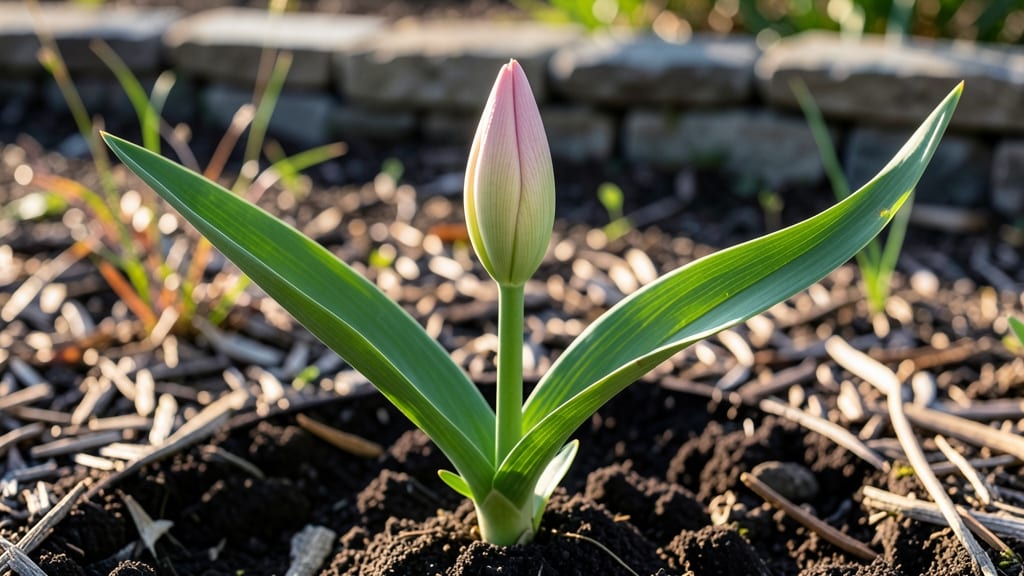
Transforming lily flower buds into a year-round blooming spectacle starts with understanding their quiet language—those plump, waxy buds whispering promises of summer even in winter. 🌸 I’ve watched my own lilies go from struggling to showstopping after mastering just four pruning tricks, and the best part?
You don’t need a green thumb to pull it off.
The secret lies in timing and technique: cutting back after blooms fade, thinning crowded stems, and feeding the roots when buds first swell. Most gardeners overlook the late-summer cleanup, but that’s when you set the stage for next year’s blooms.
My first attempt left me with half as many flowers—until I learned these simple adjustments that make all the difference.
By summer’s end, you’ll have fuller buds, brighter blooms, and plants that keep producing for months. The difference between a lily that fades after one flush and one that blooms all season comes down to these four moves—each one taking less than five minutes.
Trust me, your neighbors will be asking for cuttings.
Works for Asiatic, Oriental, and trumpet lilies alike, whether you’re growing in garden beds or containers. Let’s get those buds ready to shine—no guesswork, just results.
📚 In This Guide
- What you need
- Instructions
- Tips and common mistakes
- Wrapping up and next steps
What you need
- ● Lily bulbs: Choose healthy, firm Asiatic, Oriental, or Trumpet lily bulbs (size #1 or larger for best results). Quantity: 3–5 bulbs per pot or 1 bulb per 12-inch hole in garden beds.
- ● Well-draining potting mix: A blend of peat moss, perlite, and compost (or a pre-mixed bulb-specific soil). Quantity: 1–2 gallons per pot.
- ○ Containers (optional but helpful): Pots with drainage holes (8–12 inches in diameter) or a raised garden bed.
- ● Slow-release fertilizer: Look for a balanced 10-10-10 or bulb-specific fertilizer (e.g., Osmocote). Quantity: 1 tbsp per pot or 2 tbsp per square foot in garden beds.
- ● Garden trowel or bulb planter (for planting in soil).
- ● Watering can or hose with a gentle spray nozzle (lilies dislike soggy roots!).
- ● Pruning shears (sharp, clean pair for trimming spent blooms and foliage).
- ○ Gloves (optional but recommended—lily bulbs can irritate skin).
- ● Sunlight access: Full sun (6+ hours daily) for optimal blooming.
- ● Patience & consistency! Lilies thrive with regular watering (1–2 inches per week) and monthly feeding during growing season.
- ● Mulch (straw or shredded bark) to retain moisture and protect bulbs in winter.
- ● Epsom salt (1 tbsp dissolved in water monthly) for magnesium boosts.
- ● Lily-specific pesticides (e.g., neem oil) if pests like aphids or lily beetles appear.
- ● Support stakes or rings for tall varieties (e.g., Oriental lilies) to prevent flopping.
Step-by-step guide to encouraging lily flower buds
Here's how to coax those stunning blooms year after year with minimal effort.
🌱 Step 1: Prepare Your Lily for Bud Formation
Start by giving your lilies the right conditions to focus energy on buds rather than leaves. After the first frost kills back foliage, cut stems back to 2 inches above ground—this directs nutrients to the bulbs for next season's growth. I always do this in late fall when the soil is cool but not frozen.
Apply a 2-inch layer of mulch around the base to insulate roots through winter. Organic mulch like shredded leaves or straw works best—it breaks down slowly and feeds the soil. Avoid plastic mulch, which traps too much moisture and can rot bulbs.
☀️ Step 2: Provide Ideal Spring Conditions
When new shoots emerge in early spring, move your lilies to a spot with 6-8 hours of morning sun. Afternoon sun can scorch buds, especially in hot climates. I watch for the first true leaves to appear—those are my signal to start fertilizing.
Use a balanced 10-10-10 fertilizer at half strength every 4-6 weeks during active growth. Over-fertilizing leads to lush foliage but no flowers. The key is to stop fertilizing 8 weeks before your first frost—this lets the plant focus on bud development instead of new growth.
💧 Step 3: Water Strategically for Bud Development
Water deeply once a week during bud formation, aiming for 1-1.5 inches of water per week. You'll know you're doing it right when the soil feels moist 2 inches down—any deeper and you risk rot, any shallower and buds won't develop properly.
Here's the thing—stop watering completely 2 weeks before blooming. This may seem counterintuitive, but reduced moisture concentrates sugars in the buds, making flowers larger and more vibrant. Just keep the soil slightly damp, not bone dry.
✂️ Step 4: Prune for Next Year's Blooms
After flowers fade, cut spent blooms back to the first healthy leaf node. This prevents seed production, which drains energy from the bulbs. I always use clean, sharp shears to avoid damaging stems—diseases love to hitch a ride on dull blades.
When foliage yellows naturally in late summer, leave it until it dies back completely. This is how lilies store energy for next year's buds. Only then do I cut back to 2 inches above ground and repeat the process. The more you prune properly, the more buds you'll see the following spring.
Tips & tricks for encouraging lily flower buds
Here's what nobody tells you about making those pruning tricks actually work for your lilies.
Timing is Everything: That 2-inch height for cutting back after frost is non-negotiable. I learned this the hard way after cutting too low one year and watching my buds fail to form properly. Use clean, sharp shears every time—dull blades crush stems and invite disease. And here's the real secret: mark your calendar for 8 weeks before your first frost to stop fertilizing. This gives your lilies the perfect window to focus on bud development instead of new growth.
Sunlight Strategy: Those 6-8 hours of morning sun are critical, but placement matters just as much. I position my lilies where they get gentle morning rays but afternoon shade in hot climates. If you notice buds starting to yellow or scorch in the afternoon, move them to a shadier spot immediately. The goal is consistent morning sun without afternoon heat stress.
Watering Wisdom: The once-a-week deep watering during bud formation is where most people go wrong. I check soil moisture by sticking my finger 2 inches down—if it's dry, water until it's moist at that depth. The key moment comes 2 weeks before blooming when you cut back to just keeping soil slightly damp. This might feel counterintuitive, but it's what creates those vibrant, sugar-rich blooms we all want.
Pruning Precision: When you cut back to the first healthy leaf node after flowers fade, don't guess—count those nodes! The first true leaf node after the bloom is where you want to make your cut. And when foliage yellows in late summer, resist the urge to cut back early. Let that foliage die back completely before your final 2-inch cut. This stored energy is what fuels next year's bud formation.
Pro Tips for Lily Flower Bud
- Here's what nobody tells you about making those pruning tricks actually work for your lilies.
- Timing is Everything: That 2-inch height for cutting back after frost is non-negotiable. I learned this the hard way ...
- Sunlight Strategy: Those 6-8 hours of morning sun are critical, but placement matters just as much. I position my lil...
Frequently asked questions
Got questions about nurturing lily flower buds into stunning blooms? You’re not alone! Here are answers to the most common queries—from timing tricks to troubleshooting tips—to keep your lilies thriving year-round.
How long does it take for lily flower buds to open after planting?
Most lily flower buds take 60–90 days to bloom after planting bulbs in spring, depending on the variety and climate. Asiatic lilies often open faster (4–6 weeks), while Oriental lilies may take up to 3 months. Patience pays off—healthy buds need consistent moisture and sunlight!
Can I force lily flower buds to bloom earlier?
While you can’t rush nature, you can accelerate blooming slightly by planting bulbs in late winter (under frost protection) or using a heat mat to warm the soil. Avoid over-fertilizing with nitrogen—it boosts foliage but delays flowers. Light exposure (6+ hours/day) is the real game-changer!
What should I do if my lily flower buds turn brown or wilt before opening?
Brown or wilting buds often signal underwatering, fungal disease, or pests. Check for botrytis blight (gray mold) or aphids, and prune affected buds immediately. Water deeply but infrequently (1–2 inches/week) and ensure airflow around plants. A neem oil spray can prevent fungal issues.
Are there any low-maintenance alternatives to lilies for beginner gardeners?
If lilies seem tricky, try daylilies (Hemerocallis)—they’re drought-tolerant, rebloom yearly, and thrive in partial shade. Daffodils (Narcissus) and tulips are also forgiving but bloom earlier. For year-round color, mix in perennials like hostas or sedum to complement your garden.
How do I prune lily flower buds without harming next year’s blooms?
Wait until after the first frost to cut back dead foliage (never before!). Use clean shears to trim 1–2 inches above the soil, leaving stubs to protect the bulb. Never cut buds mid-season—this weakens the bulb’s energy reserves. Mulch lightly in winter to insulate roots.
Still stumped? Drop your question below—we’re happy to help your lilies thrive!
Wrapping up and next steps
Growing lily flower buds into stunning blooms is all about patience, the right tools, and a little love—just like nurturing any garden treasure! 🌿 With the four simple pruning tricks shared here, you’ll enjoy year-round beauty and healthier plants.
Whether you’re trimming spent blooms, encouraging new growth, or protecting against pests, each step keeps your lilies thriving.
Now that you’re armed with insights, roll up your sleeves and get pruning! 🌸 Try one technique this week and watch your lilies reward you with vibrant, long-lasting flowers. Happy gardening!