
Planting
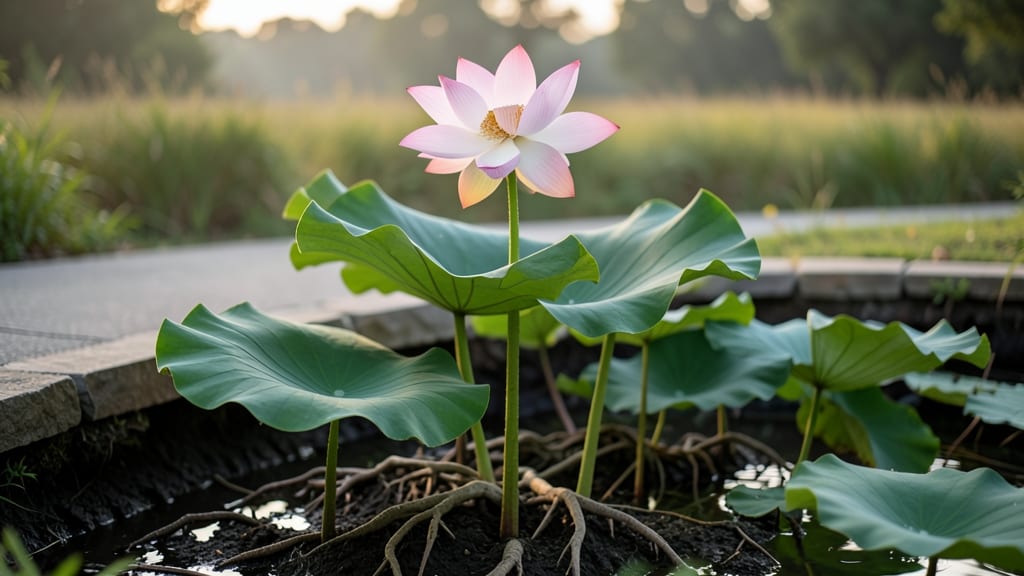
Mastering lotus flower plant care means embracing their serene, almost mystical nature—without the fuss of constant pruning. 🌿 These aquatic divas thrive when you mimic their natural habitat with just the right balance of sunlight, still water, and patience.
The secret lies in understanding their slow, deliberate growth rather than rushing their development.
Your lotus will reward you with those iconic blooms when planted in 18–24 inches of water in a pond or container, with full sun for at least 6–8 hours daily.
The soil at the bottom should be nutrient-rich but well-draining, and a touch of organic compost at planting time gives them a head start. Unlike high-maintenance plants, lotuses demand minimal pruning—just remove dead leaves and spent blooms to keep energy flowing toward new growth.
What you’ll love most is watching those velvety pink or white blooms emerge in mid-summer, floating like sacred offerings on the water’s surface. The roots stay submerged while the leaves and flowers rise, creating a living centerpiece that feels both wild and carefully curated.
With the right setup, your lotus will naturalize over time, spreading gently each year with almost no effort.
Winter care is the only real adjustment: in colder zones, bring containers indoors or bury them in 12+ inches of soil to protect the rhizomes. Even then, lotuses surprise with their resilience—many varieties return stronger each spring, proving that beauty often comes from patience and simplicity, not constant intervention.
📚 In This Guide
- What you need
- Instructions
- Tips and common mistakes
- Wrapping up and next steps
What you need
- ● Lotus tubers or rhizomes: 1–3 healthy tubers (depending on pond size). Choose organic, disease-free ones from a trusted nursery.
- ● Pond or container: Outdoor pond: 12–18 inches deep (lotuses need submerged roots). Minimum 3 ft in diameter for one plant.
- ● Container: A large pot (20+ gallons) with drainage holes, filled with 6–12 inches of soil at the bottom.
- ● Potting soil or aquatic substrate: 2–3 bags of water-friendly soil (e.g., clay or loam) mixed with compost for nutrients.
- ● Gravel or small rocks: 1–2 bags (for drainage and root aeration). Use ½–1 inch pebbles.
- ● Water source: Freshwater (chlorine-free). A garden hose or dechlorinator is helpful.
- ● Garden trowel or shovel: For planting and soil adjustments.
- ○ Water testing kit: (Optional) To monitor pH (ideal: 6.0–7.5) and hardness.
- ○ Floating plant fertilizer: (Optional) Liquid or tablets for nutrient boosts (e.g., fish emulsion or lotus-specific food).
- ○ Pond net or mesh: (Optional) To protect tubers from fish or debris.
- ○ Decorative stones or logs: (Optional) For aesthetic appeal and shade.
Step-by-step guide for lotus flower plant care
Here's how to nurture these serene aquatic plants with minimal fuss.
🪴 Step 1: Select the Perfect Water Environment
Lotus flowers thrive in 6-12 inches of still, nutrient-rich water—never stagnant. I use a dedicated pond or large container with at least 20 gallons capacity for each plant. The water should be warm (70-85°F) and receive full sun (6+ hours daily). Place your lotus in the center of the container, ensuring the rhizome sits just below the water's surface—never buried.
Here's the thing—lotuses hate moving water. Even gentle currents stress their delicate roots. If using a pond, position it in the calmest, deepest area. Test the depth by submerging the rhizome until only the top 1-2 inches peek above water. This ensures strong root growth while preventing rot.
💧 Step 2: Maintain Water Quality and Nutrition
Change 20-30% of the water weekly during warm months to prevent algae buildup. I use a pond vacuum to remove debris without disturbing the rhizome. In summer, you'll notice the water turn cloudy—this is normal, but never let it smell foul. Add a liquid aquatic plant fertilizer (like 20-20-20 diluted to ¼ strength) every 4-6 weeks to support blooming.
Real talk: Over-fertilizing causes algae explosions. I always wait until new leaves emerge before feeding—this confirms the plant is actively growing. In winter, reduce fertilizing to once every 8-10 weeks as growth slows. Use a thermometer to monitor water temp; lotuses go dormant below 55°F and may need winter protection in colder climates.
☀️ Step 3: Prune for Health and Encourage Blooms
Pruning lotuses is minimal but critical. Remove yellowed or damaged leaves at the base with clean, sharp scissors to prevent disease. I snip just above the next healthy leaf node—never leave stubs. After blooms fade, cut the spent flower stalk down to 1 inch above the water line to redirect energy into next year's buds.
Here's where it gets fun—watch for new shoots emerging from the rhizome in spring. These indicate the plant is ready for division if your pond is crowded. Gently separate rhizomes with 3-4 healthy leaves each and replant in fresh water. The key is patience: Lotuses reward careful pruning with larger, more vibrant blooms within 2-3 seasons.
⏰ Step 4: Winterize for Cold Climates
If temperatures drop below 40°F, lotuses enter dormancy. In zones 7 and below, I lift rhizomes after leaves yellow, trim to 3 inches, and store in moist peat moss at 40-50°F. Replant in spring when water reaches 60°F. In warmer zones, leave rhizomes in place but reduce fertilizing and minimize water changes until new growth appears.
Don't skip this (I learned the hard way). Frozen rhizomes won't recover. If your pond freezes, break the ice to allow gas exchange—lotuses can suffocate in sealed ice. In spring, wait until water warms to 65°F before expecting new shoots. You'll see them emerge within 2-4 weeks of thawing.
Tips & tricks for lotus flower plant care
These insider secrets will help you cultivate stunning lotus blooms with confidence and ease.
Water Depth Precision: The 6-12 inch water depth range is non-negotiable—any deeper risks root rot, while shallower water stresses the rhizome. I use a simple wooden dowel marked with measurements to verify depth before planting. Position your lotus in the calmest, deepest part of your container, where you'll see the least surface movement. This creates the perfect balance between oxygen exchange and stability for those delicate roots.
Temperature Transition Strategy: When water temperatures drop below 55°F, lotuses begin their dormancy cycle. I monitor this with a floating thermometer and prepare for winter care by then. In zones 7 and below, I lift rhizomes only after leaves fully yellow—this ensures they've completed their energy transfer to the roots. The 40-50°F storage temperature is critical; I use a cool basement corner with a small fan for gentle air circulation.
Fertilizer Timing: The 4-6 week feeding schedule during active growth is perfect, but timing matters more than you'd think. I always wait until I see 2-3 new leaves emerge before adding fertilizer—this confirms the plant is ready to absorb nutrients. In summer's heat, I reduce to every 6-8 weeks to prevent algae blooms, which can smother your lotus roots. The 20-20-20 diluted to ¼ strength gives just enough nutrients without overwhelming the system.
Winter Ice Management: When your pond freezes, remember that sealed ice prevents gas exchange—lotuses need oxygen too! I keep a small hammer nearby to break the ice surface if it becomes completely solid. The 65°F threshold in spring is your cue to expect new shoots; I've found they emerge most reliably when water reaches this temperature consistently for 3-4 days. Patience here pays off—rushing the process can stress delicate new growth.
Pro Tips for Lotus Flower Plant Care
- These insider secrets will help you cultivate stunning lotus blooms with confidence and ease.
- Water Depth Precision: The 6-12 inch water depth range is non-negotiable—any deeper risks root rot, while shallower water stresses the rhizome.
- Temperature Transition Strategy: When water temperatures drop below 55°F, lotuses begin their dormancy cycle.
Frequently asked questions
Got questions about keeping your lotus flower thriving? You’re not alone—these delicate beauties have their quirks! Here are answers to the most common queries to help you cultivate confidence (and stunning blooms) with ease.
Can I grow a lotus flower in a small pond or container?
Lotus flowers thrive in containers as long as the root system (rhizomes) has plenty of space—aim for at least 12 inches of depth and 18 inches of diameter. Use a heavy, nutrient-rich soil mix (like pond mud or aquatic substrate) and ensure the container is anchored to prevent tipping. Just keep an eye on water levels—lotuses love 12–18 inches of water to stay happy.
How long does it take for a lotus to bloom after planting?
Patience is key! Most lotus varieties take 3–5 months to bloom after planting rhizomes, depending on water temperature and sunlight. Hardy lotuses (like Nelumbo nucifera) may bloom faster in warm climates (70°F+), while tropical types could take longer. Pro tip: Fertilize lightly with aquatic plant food in spring to speed up growth—just don’t overdo it!
Are lotus flowers toxic to pets or wildlife?
Lotus flowers and leaves are non-toxic to dogs, cats, and wildlife, making them a pet-friendly choice. However, lotus seeds (the hard, round pods) can be a choking hazard if ingested in large quantities. Always supervise pets near water gardens, and remove fallen seeds to keep your pond tidy.
Why aren’t my lotus leaves or flowers opening?
Don’t panic—lotuses are finicky! Common culprits include:
- Not enough sunlight: They need 6–8 hours of direct sun daily.
- Water too shallow/deep: Ideal depth is 12–18 inches.
- Cold temperatures: Lotuses go dormant below 50°F—wait until spring to see blooms.
- Nutrient deficiency: Add a slow-release aquatic fertilizer if leaves look pale.
Can I grow lotus flowers indoors?
Indoor lotus growth is possible but challenging—they’re water plants at heart! If you’re set on it, use a deep, wide bowl (like a cache pot) with a mix of water and soil, and place it in a sunny spot (south-facing window). Expect slower growth and fewer blooms compared to outdoor ponds. For better results, consider a hydroponic setup with LED grow lights!
Wrapping up and next steps
Caring for a lotus flower isn’t just about maintaining its beauty—it’s about nurturing a symbol of purity and resilience. With the right balance of sunlight, water, and patience, you’ll witness its stunning blooms and minimal pruning demands.
Whether you’re a beginner or a seasoned gardener, this sacred plant rewards dedication with breathtaking results.
Ready to dive in? Start by gathering your supplies—your pond or container awaits! 🌸