
Flowers
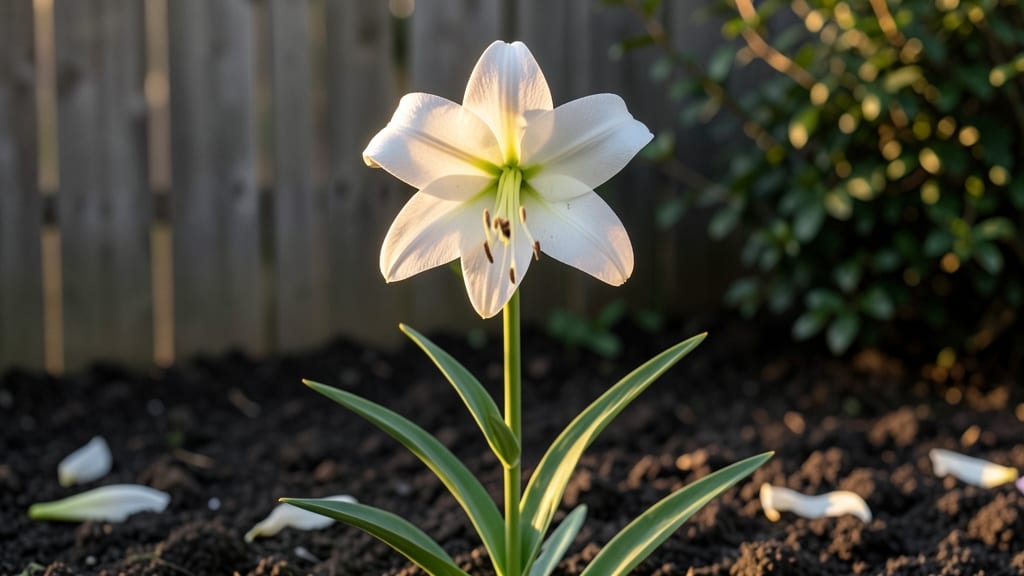
The madonna lily flowers you’ve been dreaming of—those snow-white blooms with a heavenly scent—are easier to grow than you’d think, especially in containers.
I’ve grown them for years, and once you get past the initial fuss of their finicky bulbs, they reward you with fragrant canopies that last from late spring through summer. The key? Mimicking their Mediterranean roots with well-draining soil and just enough water to keep them happy without drowning them.
These lilies love full sun but tolerate light shade in hotter climates, making them perfect for patios or balconies where you can enjoy their sweet perfume up close.
Plant the bulbs in well-draining potting mix with a handful of perlite or sand, and choose containers with drainage holes—no soggy roots here. The bulbs need space, so a 12-inch-deep pot gives them room to establish strong roots before the blooms appear.
By midsummer, you’ll be surrounded by 6- to 8-inch blooms that smell like a spring meadow, their petals unfurling in the morning light. The plants are surprisingly pest-resistant, though slugs might take a nibble—just set out a beer trap if you spot any.
With proper care, they’ll rebloom the following year, proving they’re worth the initial effort for their timeless beauty and intoxicating fragrance.
Whether you’re growing them in a terra-cotta pot on your porch or a wooden planter by the deck, Madonna lilies bring a touch of old-world charm to any space. Here’s how to keep them thriving season after season—no green thumb required, just patience and the right conditions.
📚 In This Guide
- What you need
- Instructions
- Tips and common mistakes
- Wrapping up and next steps
What you need
- ● Madonna Lily Bulbs: 10–20 bulbs (depending on desired density; larger bulbs = bigger blooms!)
- ● Specs: Firm, plump bulbs (3–5 inches in diameter) with no soft spots or mold.
- ● Containers (if using): 1–2 large pots (12–18 inches deep) or a raised bed (minimum 12" depth).
- ● Drainage: Containers must have drainage holes + a saucer.
- ● Well-Draining Potting Mix: 5–10 gallons of bulb-specific mix (or blend: 60% garden soil, 30% perlite, 10% compost).
- ○ Optional: Add a handful of worm castings for extra nutrients!
- ● Tools: Trowel or bulb planter
- ○ Gloves (optional but recommended—bulb skins can be prickly!)
- ● Watering can with a gentle spray nozzle
- ● Sunlight: Full sun (6+ hours/day). Partial shade may reduce blooms.
- ● Temperature: Plant bulbs in fall (USDA Zones 3–9) when soil temps drop to 50–60°F.
- ● Hardy to Zone 3 (survives winter chill!).
- ● Watering: Keep soil evenly moist but not soggy (especially after planting).
- ○ Support (Optional): Stakes or cages (if stems grow taller than 3–4 feet).
- ● Pro Tip: 💡 Skip stakes if planting in a wind-protected spot!
Step-by-step guide for growing madonna lily flowers in containers
Here’s how to cultivate these elegant, fragrant blooms with confidence—container-friendly and foolproof.
Select the Right Containers and Soil Mix
Madonna lilies (Lilium candidum) thrive in 12-14 inch deep containers with excellent drainage. Choose pots with multiple drainage holes—unglazed terra cotta works best because it allows excess moisture to evaporate through the walls. Avoid plastic, which can trap too much humidity around the roots.
Use a well-draining potting mix designed for bulbs or perennials. I blend 50% premium potting soil, 30% perlite, and 20% compost to ensure aeration while retaining enough moisture. Avoid garden soil—it compacts in containers and suffocates roots. Fill the pot to 1 inch below the rim, leaving room for watering.
Plant the Bulbs at the Correct Depth and Spacing
Madonna lily bulbs should be planted 4-6 inches deep, with the neck of the bulb just below the soil surface. This ensures the bulb stays cool and moist without rotting. Space 3-4 bulbs per 12-inch pot—they’ll form a lush, fragrant canopy over time. If planting multiple pots, space them 12-18 inches apart for airflow and to prevent overcrowding.
Gently press the soil around the bulbs to eliminate air pockets, but don’t compact it. Water deeply until moisture seeps from the drainage holes—this settles the soil and encourages root growth. Avoid wetting the foliage to prevent fungal diseases like botrytis, which thrives in damp conditions.
Provide Bright, Indirect Light and Consistent Moisture
Madonna lilies need full sun to partial shade—at least 6 hours of direct sunlight daily. Place containers in a spot with morning sun and afternoon shade to prevent leaf scorch, especially in hot climates. If growing indoors, position near a south-facing window or supplement with a grow light for 12-14 hours daily. Leggy growth signals insufficient light.
Water deeply once a week during active growth, ensuring the top 2 inches of soil dry out between waterings. Overwatering causes bulb rot, while underwatering stunts blooms. Mulch the soil surface with 1 inch of organic mulch (like shredded bark) to retain moisture and regulate temperature. Reduce watering in late summer as foliage yellows—this signals the bulb’s dormancy period.
Fertilize and Support for Strong Blooms
Feed Madonna lilies with a balanced, slow-release fertilizer (10-10-10) at planting, then again in early spring as shoots emerge. Avoid high-nitrogen fertilizers—they promote leafy growth at the expense of flowers. Once buds form, switch to a phosphorus-rich fertilizer (like 5-10-5) to encourage blooming. I use half-strength liquid fertilizer every 4-6 weeks during the growing season.
As stems grow, they may need support. Insert 3-4 bamboo stakes around the pot and loosely tie stems with soft plant ties to prevent snapping. The fragrant, trumpet-shaped blooms can weigh down tall stems, so early support prevents broken stems. Deadhead spent flowers to redirect energy to bulb storage for next year.
Overwinter Bulbs for Next Year’s Blooms
After foliage yellows and dies back in late summer or early fall, reduce watering but don’t let the soil dry out completely. This gradual drying helps the bulb store nutrients. Once the top growth is fully brown and crispy, stop watering entirely and store the pot in a cool, dark place (like a garage) at 40-50°F until spring.
In spring, before new shoots appear, repot bulbs if they’ve outgrown their containers. Divide congested bulbs every 3-4 years to prevent overcrowding. Madonna lilies are long-lived, and proper overwintering ensures they’ll return year after year with abundant, fragrant blooms.
Tips & tricks for perfect madonna lily flowers in containers
Here’s what I’ve learned after years of growing these delicate blooms—simple secrets that make all the difference.
The Container Choice: Unglazed terra cotta isn’t just my preference—it’s a game-changer for Madonna lilies. The porous material wicks away excess moisture, preventing the root rot that can plague these bulbs in plastic containers. If you don’t have terra cotta, look for containers with thick walls that allow some moisture evaporation, even if they lack drainage holes. Just be prepared to water less frequently.
Bulb Placement Precision: When planting your bulbs 4-6 inches deep, pay special attention to the neck of the bulb—the top should just peek above the soil line. This positioning prevents the bulb from drying out while keeping the base cool and moist. I’ve found that using a pencil to mark the soil level before planting helps maintain consistency, especially when working with multiple bulbs. The slight exposure to light at the neck encourages stronger stem growth.
Lighting Strategy: The 6 hours of direct sunlight requirement can be tricky in shaded patios or apartments. If your space only gets morning sun, supplement with a grow light for the remaining hours—just 12-14 hours of total light will keep your lilies thriving. I’ve had success with LED grow lights placed 12 inches above the plants, positioned to mimic natural sunlight patterns. Watch for leggy growth as your first sign that light levels are insufficient.
Watering Wisdom: The "deeply once a week" guideline works perfectly in ideal conditions, but real-world factors like humidity and container material can change this. I’ve learned to check the top 2 inches of soil with my finger—if it’s dry, it’s time to water. During summer heatwaves, you might need to water every 5 days instead. The key is to never let the soil become bone-dry, which stresses the bulbs and can lead to poor flowering.
Pro Tips for Madonna Lily Flowers
- Here’s what I’ve learned after years of growing these delicate blooms—simple secrets that make all the difference.
- The Container Choice: Unglazed terra cotta isn’t just my preference—it’s a game-changer for Madonna lilies.
- Bulb Placement Precision: When planting your bulbs 4-6 inches deep, pay special attention to the neck of the bulb—the top should just peek above the soil line.
Frequently asked questions
Got questions about growing madonna lily flowers? You’re not alone! Here are some of the most common inquiries—and their answers—to help you cultivate a fragrant, lush display with ease.
How do I know when my madonna lily bulbs are ready to plant?
Plant your Lilium candidum bulbs in early spring (after the last frost) or fall (6–8 weeks before the ground freezes). Choose firm, plump bulbs with no soft spots or mold. They’re ready when your soil is workable (not soggy) and temperatures hover around 50–60°F (10–15°C). Pro tip: Soak bulbs in water for 12 hours before planting to kickstart growth!
How long does it take for madonna lilies to bloom?
With patience, your bulbs will reward you! From planting, expect 8–12 weeks to see buds form, and another 2–3 weeks for full blooms. First-year plants may take slightly longer (10–14 weeks) since they focus on root establishment. Blooms thrive in full sun (6+ hours/day) and cooler temps (60–75°F/15–24°C)—so plant in a spot with afternoon shade if you live in a hot climate.
Can I grow madonna lilies in containers? What size pot do I need?
These beauties love containers—just choose a pot at least 12–18 inches deep with drainage holes. Use a well-draining mix (like 60% potting soil + 30% perlite + 10% compost). For multiple bulbs, space them 6–8 inches apart. Add a slow-release fertilizer at planting time to fuel those fragrant blooms!
Why aren’t my madonna lily buds opening? Troubleshooting tips!
If your buds stay closed, check these fixes:
- Underwatering: These lilies need consistent moisture (but not soggy soil). Water deeply when the top 2 inches of soil dry out.
- Too much shade: They crave bright light—move pots to a sunnier spot or supplement with grow lights.
- Heat stress: Temps above 80°F (27°C) can shock blooms. Provide afternoon shade in hot climates.
- Nutrient deficiency: Yellowing leaves? Feed with a balanced liquid fertilizer (10-10-10) every 4–6 weeks.
If buds form but drop, they may need more humidity—try misting or placing the pot on a tray of pebbles with water.
What are some fragrant alternatives to madonna lilies?
If you love the scent but want variety, try these low-maintenance, fragrant flowers for containers:
- Night-scented stock (Matthiola longipetala) – Sweet evening blooms; thrives in cool weather.
- Tuberose (Polianthes tuberosa) – Intense jasmine-like fragrance; needs warm climates.
- Sweet alyssum (Lobularia maritima) – Tiny white/purple blooms with a honey scent; great for edges.
- Gardenia (Gardenia jasminoides) – Creamy, tropical fragrance; prefers acidic soil.
Pro tip: Pair madonna lilies with roses or lavender for a synergistic scent boost!
Wrapping up and next steps
Growing madonna lily flowers is a rewarding journey that brings fragrant beauty to your space—whether in containers or garden beds!
With the right soil, sunlight, and care, these elegant blooms will flourish, filling your surroundings with their sweet scent. Now’s your chance to take action: grab your gardening gloves, pick a sunny spot, and start nurturing these stunning flowers today. 🌸✨
Ready to dive in? Plant your first madonna lily this weekend!