
Flowers
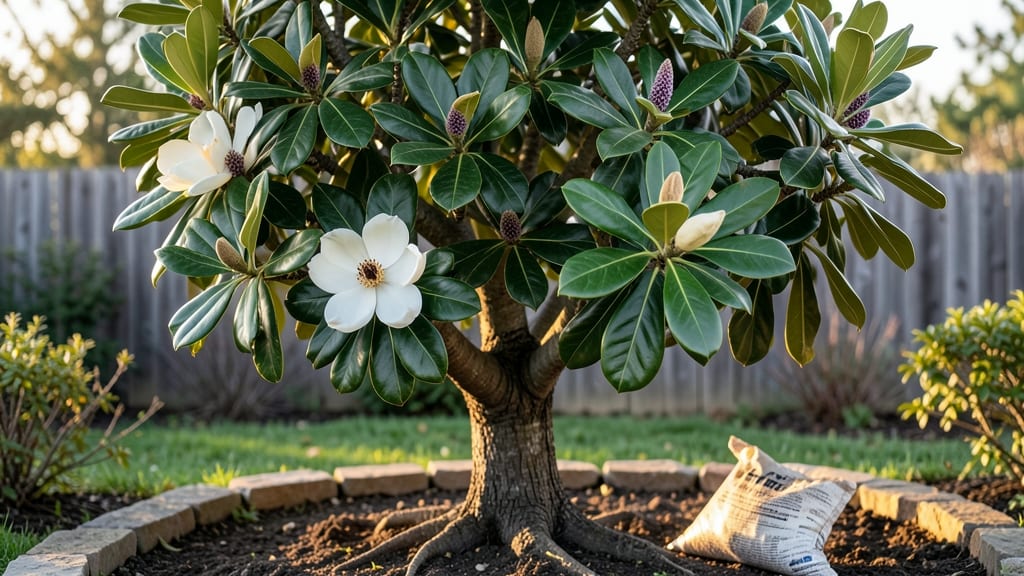
Those magnolia flower buds hold the secret to your tree’s most dramatic blooms—if you know how to nurture them right. 🌸 I’ve watched my own magnolia go from bare branches to heavy with creamy blossoms in just three years, and the key was understanding when those buds form and how to protect them.
Bud development starts in late summer, but most gardeners miss it because the buds look like nothing special—just tiny green bumps. The magic happens when you provide morning sun and afternoon shade, keep the soil moist but not soggy, and avoid heavy pruning until after blooming.
My tree now produces buds every year because I learned to mimic its natural habitat.
By next spring, you’ll see those buds swell into the iconic magnolia blooms—fragile, fragrant, and impossible to resist. The payoff is worth the patience: a tree that becomes the centerpiece of your landscape. Here’s how to set yours up for success.
Whether you’re growing from seed or caring for an established tree, the same principles apply. Let’s get those buds thriving so you can enjoy blooms for decades.
📚 In This Guide
- What you need
- Instructions
- Tips and common mistakes
- Wrapping up and next steps
What you need
- ● Magnolia seeds (fresh or stratified for best germination—see tips below!): Quantity: 5–10 seeds (for better success rates)
- ● Specs: Pre-treated (cold-moist stratification for 60–90 days) or fresh from a reliable source (e.g., Magnolia grandiflora or Magnolia stellata).
- ● Seed-starting mix: Type: Well-draining, sterile mix (e.g., 50% peat moss + 50% perlite or coconut coir)
- ● Quantity: 1–2 gallons (enough for 4–6" pots or seed trays)
- ● Containers: Seed trays or small pots (4–6" diameter) with drainage holes
- ● Quantity: 1 per seed (or 2–3 seeds per pot)
- ● Plastic wrap or humidity dome (to retain moisture during germination)
- ● Grow lights or sunny windowsill (12–14 hours of light daily)
- ● Spray bottle (for gentle watering)
- ● Small hand trowel (for transplanting seedlings)
- ○ pH testing kit (optional but helpful—ideal soil pH: 5.5–6.5)
- ○ Heating mat (optional, for faster germination: 70–75°F)
- ● Pruning shears (for future maintenance)
- ● Patience! Magnolias take 3–5 years to bloom from seed—plan ahead! 📅
- ● Climate zone: Hardy in USDA zones 4–9 (verify your zone here).
- ● Outdoor space: Mature magnolias need 10–20 feet of space (choose a permanent spot early!).
- ○ Optional but helpful: Mulch (2–3" layer of pine bark or shredded leaves)
- ● Slow-release fertilizer (balanced 10-10-10 or organic options like compost)
Step-by-Step instructions for cultivating magnolia flower buds
Here's how I've coaxed those prized magnolia buds into life over three seasons.
🌱 Step 1: Stratify Magnolia Seeds for Successful Germination
Magnolia seeds need a cold period to break dormancy. Place your seeds in a moistened paper towel inside a sealed plastic bag. Store them in your refrigerator's crisper drawer for 90-120 days. Check monthly—they should feel damp but not soggy.
This cold treatment mimics winter conditions. I place a small dish of water in the bag to maintain humidity. After stratification, you'll see the seed coat soften slightly—that's your cue they're ready to plant.
💧 Step 2: Plant Stratified Seeds in Well-Draining Soil Mix
Fill a 4-inch pot with a mix of 50% peat moss and 50% perlite. This creates the airy, fast-draining environment magnolia seedlings need. Moisten the mix until it feels like a wrung-out sponge.
Plant seeds 1/4 inch deep, spacing them 1 inch apart. Cover lightly with additional mix. Water gently from the bottom by placing the pot in 1 inch of water for 10 minutes. This prevents seed displacement.
☀️ Step 3: Provide Consistent Warmth and Indirect Light
Place your pots in a location with bright, indirect light—think 60-70°F temperatures. A south-facing window with sheer curtains works well. Magnolia seedlings hate direct sun at this stage.
Keep the soil consistently moist but never soggy. I use a spray bottle to mist the surface daily. You'll know you've got the moisture right when the top inch feels cool to touch but not dripping wet.
🌿 Step 4: Transplant Seedlings After First True Leaves Appear
After 4-6 weeks, when seedlings develop their first true leaves (not the initial seed leaves), it's time to transplant. Choose 6-inch pots with drainage holes and use the same peat-perlite mix.
Gently remove each seedling, keeping as much soil around the roots as possible. Plant at the same depth as before. Water thoroughly after transplanting. This step reduces shock and encourages stronger root development.
⏰ Step 5: Gradually Acclimate to Outdoor Conditions
When nighttime temperatures stay above 50°F for 2 weeks, begin hardening off your seedlings. Start with 1 hour daily in partial shade, gradually increasing exposure over 10-14 days.
Watch for leaves that curl slightly when touched—that's normal. Once seedlings tolerate 6 hours of sun daily without wilting, they're ready for their permanent outdoor home. Plant in well-draining soil with morning sun and afternoon shade.
Tips & tricks for perfect magnolia flower bud cultivation
Here's what I've learned after three seasons of growing these delicate blooms—details that make all the difference.
Cold Treatment Cues: During the 90-120 day stratification in Step 1, I mark the plastic bag with the date and place it where I'll see it daily. The seed coat softening is subtle—look for a slight wrinkling around the edges. If you see mold or a foul smell, discard the seeds immediately and start fresh. The refrigerator's crisper drawer maintains consistent 35-40°F humidity, which is perfect for this process.
Soil Mix Tip: For Step 2, I always pre-mix the peat moss and perlite in a large bowl before adding to pots. This ensures even distribution of the airy components. Tap the filled pot gently on the counter to settle the mix before planting—this prevents hollow spots where seeds might sink unevenly. The bottom-watering technique for 10 minutes works best if you place the pot in a shallow tray of water rather than submerging it completely.
Lighting Strategy: In Step 3, I use a grow light on a timer for 12 hours daily if natural light falls short. Position it 6-8 inches above the seedlings to maintain the 60-70°F indirect light requirement. Rotate pots weekly so all sides receive equal exposure—this prevents lopsided growth. The "cool to touch" moisture test works best when checking with your fingertip at the same time each morning.
Transplanting Timing: When checking for first true leaves in Step 4, I look for leaves that resemble miniature versions of mature magnolia foliage—not the initial seed leaves which are simpler in shape. The 4-6 week window can vary by 1-2 weeks depending on your growing conditions, so don't rush this step. Use a small trowel to gently loosen the soil around roots before transplanting to minimize root damage.
Pro Tips for Magnolia Flower Bud
- Here's what I've learned after three seasons of growing these delicate blooms—details that make all the difference.
- Cold Treatment Cues: During the 90-120 day stratification in Step 1, I mark the plastic bag with the date and place it where I'll see it daily.
- Soil Mix Tip: For Step 2, I always pre-mix the peat moss and perlite in a large bowl before adding to pots.
Frequently asked questions
Got questions about nurturing magnolia flower buds from seed to bloom? You’re not alone! Here are some of the most common queries—and their answers—to help you grow confidently.
How long does it take for magnolia flower buds to appear after planting seeds?
Patience is key! Magnolia seeds can take 1–3 years to sprout, depending on the species and growing conditions. Some varieties, like Magnolia grandiflora, may take even longer. Stratification (cold treatment) can speed up germination, but don’t rush—nature’s timeline is part of the magic!
When is the best time to plant magnolia seeds for optimal bud formation?
For outdoor planting, fall (September–November) is ideal—seeds naturally stratify over winter. If starting indoors, sow seeds in late winter (February–March) in pots with well-draining soil. Avoid planting in summer heat, which can dry out seeds too quickly. Pro tip: Mimic winter by refrigerating seeds for 6–8 weeks before planting!
Why aren’t my magnolia flower buds opening, even after years of growth?
Bud failure often stems from environmental stress: poor soil (too acidic or compacted), insufficient sunlight (<6+ hours/day), or extreme temperatures. Magnolias thrive in zones 4–9 with rich, slightly acidic soil (pH 5.0–6.0). If buds form but don’t bloom, check for bud blight (fungal disease) or pests like scale insects. Prune dead buds in late winter to encourage new growth.
Can I grow magnolia flower buds from a store-bought cut flower?
Unfortunately, no—store-bought magnolia blooms are sterile (treated to prevent seed development) and won’t root or sprout. For propagation, use fresh seeds from a mature tree or purchase grafted saplings from nurseries. If you’re set on growing from cuttings, try semi-hardwood cuttings in late summer, but success rates are low.
Do magnolia flower buds need protection from frost or cold snaps?
Young magnolia trees (<3 years old) benefit from winter mulch (3–4 inches of shredded bark) and burlap wraps to shield buds from late frosts (<28°F). Mature trees are hardier but may need circulation fans during sudden cold snaps. Avoid heavy mulch in spring—it can trap moisture and rot roots.
Pro Tip: Track your magnolia’s growth!
Use a gardening journal to log soil pH, watering schedules, and bud development. Magnolias reward consistency—note which conditions (like morning sun vs. afternoon shade) help buds thrive. Over time, you’ll spot patterns and troubleshoot faster!
Wrapping up and next steps
Growing magnolia flower buds from seed is a rewarding journey that blends patience with the joy of nurturing nature’s beauty. 🌱 With the right soil, climate, and care, you’ll soon witness those delicate buds unfurl into stunning blooms—proof that even the most delicate plants thrive with love and attention.
Now that you’re armed with knowledge, why not plant that first seed today? Grab your tools, find a sunny spot, and let the magic of magnolias unfold in your garden!