
Planting
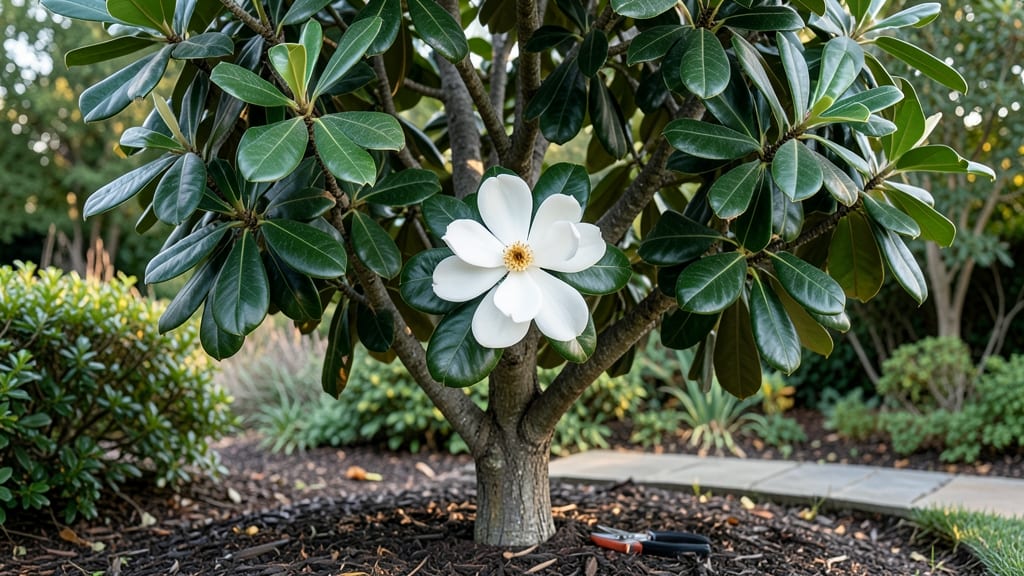
Planting a magnolia flower transforms your yard into a fragrant, showstopping centerpiece that blooms in seasons most trees ignore. 🌸 I’ve watched my own Southern magnolia unfurl creamy-white blossoms in late spring, then again in early summer—each time smelling like a secret garden.
The key isn’t just picking the right variety (like the compact ‘Little Gem’ or the fragrant ‘Ann’); it’s understanding how sunlight, soil, and pruning work together to coax those blooms year after year.
The secret to success starts with the basics: 6+ hours of sunlight daily, well-draining soil amended with compost, and a spot sheltered from harsh winds. Most gardeners skip the soil test, but magnolias hate soggy roots—amend heavy clay with 3 inches of organic matter before planting.
Once established, they’re low-maintenance, but that first year demands attention to watering (deep soaks, not frequent sprinkles) and mulching (3 inches of wood chips to lock in moisture).
By pruning at the right time—right after blooming—you’ll encourage thicker growth and more flowers next season. My first attempt left the branches looking messy, but after a few years of light shaping, the tree now bursts with blooms without losing its natural elegance.
The fragrance alone makes it worth the effort, but the way it stands out against spring’s first green leaves? That’s the real magic.
Whether you’re planting a towering evergreen magnolia or a dwarf variety in a container, the principles stay the same. The payoff comes in spring’s first flush of blooms—and the quiet pride of knowing you’ve given your yard a living masterpiece. Let’s get those roots in the ground.
📚 In This Guide
- What you need
- Instructions
- Tips and common mistakes
- Wrapping up and next steps
What you need
- ● Magnolia plant: Choose between a seedling, bare-root sapling, or potted plant (evergreen or deciduous varieties like Magnolia grandiflora or Magnolia stellata).
- ● Well-draining soil: Mix 2 parts garden soil, 1 part compost, and 1 part perlite or sand (magnolias hate soggy roots!).
- ● Organic mulch: 3–4 inches of pine bark, wood chips, or shredded leaves to retain moisture and regulate temperature.
- ● Fertilizer: A balanced, slow-release fertilizer (e.g., 10-10-10) or organic options like composted manure or worm castings.
- ● Watering can or hose: With a gentle spray nozzle to avoid disturbing soil.
- ● Garden trowel or spade: For digging holes (aim for twice as wide as the root ball).
- ● Pruning shears: Sharp, bypass-style shears (sterilized with rubbing alcohol) for shaping and post-bloom cleanup.
- ● Gloves: Heavy-duty gardening gloves to protect from thorns (especially on Magnolia grandiflora).
- ● Measuring tape or ruler: To ensure proper spacing (15–25 feet apart for large varieties, 6–10 feet for dwarf types).
- ○ Support stake (optional): For young or top-heavy plants in windy areas.
- ● Sunlight: Full sun to partial shade (6+ hours of sunlight daily for most varieties).
- ● pH level: Slightly acidic to neutral soil (pH 5.0–7.0)—test your soil if unsure!
- ● Climate zone: Magnolias thrive in USDA Zones 4–9 (check your zone here).
- ● Patience: Seed-grown magnolias may take 3–5 years to bloom, while grafted plants can flower in 1–2 years.
How to cultivate a magnolia for season-long floral displays
Here's the pruning and care routine that keeps magnolias blooming reliably year after year.
🌿 Step 1: Understand Your Magnolia's Blooming Cycle
Magnolias bloom on old wood, meaning last year's growth produces this year's flowers. The key is knowing your variety's timing: spring-blooming types (like 'Ann') set buds in summer, while summer-blooming types (like 'Jane') form buds in early spring. Never prune when buds are visible—you'll remove next season's flowers.
I always check for bud swell in late winter. These look like small, plump bumps along the branches. If you see them, wait until after blooming to prune. Summer-bloomers are more forgiving because their buds form later, but spring varieties demand patience. Mark branches with bloom potential using colored twine if needed.
✂️ Step 2: Prune for Structure and Airflow
Use clean, sharp pruners to make cuts at a 45-degree angle just above a bud or branch collar. Start by removing dead, diseased, or crossing branches—these compete with healthy growth. I target branches that rub against others or grow inward, as they'll eventually snap and damage the plant.
For shaping, limit yourself to no more than 25% of the canopy in any single pruning session. Magnolias respond poorly to heavy cuts. Focus on opening the center of the plant to improve airflow and sunlight penetration. This reduces fungal diseases like powdery mildew, which thrives in dense, shaded foliage. Step back often to visualize the plant's natural shape.
☀️ Step 3: Time Pruning for Optimal Regrowth
Prune spring-blooming magnolias immediately after flowering (late April to early May). This gives branches 6-8 months to heal and form next year's buds. Summer-bloomers can be pruned in late winter or early spring, just as new growth begins. Avoid pruning in fall—wounds take longer to heal in cooler weather and invite pests.
After pruning, apply a wound dressing (like tree sealant) only to cuts larger than ½ inch in diameter. Smaller cuts seal naturally over time. Water deeply to help the plant recover. You'll notice new growth emerging from the pruned areas within 4-6 weeks—this is your signal that the plant is responding well. If no new growth appears after 8 weeks, reconsider your pruning approach.
💧 Step 4: Maintain Year-Round Care for Continuous Blooms
Magnolias thrive in well-draining, slightly acidic soil (pH 5.0-6.0). Amend heavy clay with compost or pine bark to improve drainage. Mulch annually with 3 inches of organic mulch (like pine straw) to retain moisture and regulate soil temperature. Keep mulch 6 inches away from the trunk to prevent rot.
Water deeply once a week during dry spells, ensuring the soil is moist 6 inches down. Overwatering causes root rot, while underwatering stresses the plant and reduces bloom quality. Fertilize lightly in early spring with a balanced, slow-release fertilizer (10-10-10). Avoid high-nitrogen fertilizers—they promote leafy growth at the expense of flowers. You'll know you're on track when your magnolia produces larger, more abundant blooms each year.
Tips & tricks for perfect magnolia flower plant care
Here's what I've learned after years of watching magnolias thrive—and how to avoid the mistakes that can ruin your blooms.
Bud Identification: In Step 1, when checking for bud swell, look for small, pea-sized bumps that feel firm to the touch. These are your future flowers! I use a magnifying glass to examine branches closely—sometimes buds hide among the leaves. If you're unsure, wait until buds are clearly visible before pruning. Spring varieties like 'Ann' are particularly sensitive, so double-check before making any cuts.
Pruning Precision: For Step 2, I always mark branches I plan to remove with a piece of masking tape before cutting. This helps me visualize the final shape and ensures I don't accidentally remove more than the 25% canopy limit. Use a ruler to measure branch diameter—anything thicker than ½ inch will need wound dressing. I've learned the hard way that magnolias resent hasty pruning decisions, so take your time and step back frequently to assess the plant's natural form.
Seasonal Timing: The timing in Step 3 is crucial—spring-bloomers must be pruned immediately after flowering, not before. I set calendar reminders for late April to early May to ensure I don't miss this window. For summer-bloomers like 'Jane', I mark my calendar for late winter pruning. Pro tip: If you're unsure about your variety, check the bloom time of similar plants in your area or consult your local nursery. A misplaced pruning can mean no flowers the following season.
Soil Testing: In Step 4, I recommend testing your soil pH before amending. Most garden centers offer inexpensive test kits. Magnolias prefer slightly acidic soil (pH 5.0-6.0), and adjusting this can make a dramatic difference in bloom quality. If your soil is too alkaline, mix in peat moss or sulfur to lower the pH gradually. I've seen magnolias with stunning foliage but no flowers simply because their soil was too alkaline—this simple test can save you years of frustration.
Pro Tips for Magnolia Flower Plant
- Here's what I've learned after years of watching magnolias thrive—and how to avoid the mistakes that can ruin your blooms.
- Bud Identification: In Step 1, when checking for bud swell, look for small, pea-sized bumps that feel firm to the touch.
- Pruning Precision: For Step 2, I always mark branches I plan to remove with a piece of masking tape before cutting.
Frequently asked questions
Got questions about keeping your magnolia flower plant thriving? You’re not alone! Here are some of the most common concerns—plus quick, practical answers to keep those stunning blooms coming year after year.
When is the best time to prune a magnolia flower plant?
The ideal time to prune magnolias is right after they finish blooming in late spring or early summer. This timing ensures you don’t cut off next year’s flower buds, which form on old wood. Avoid heavy pruning in fall or winter, as this can stimulate late-season growth that’s vulnerable to frost damage. Pro tip: Use clean, sharp pruners and make cuts just above a bud or branch collar.
How do I protect my magnolia from winter cold?
Most magnolias are hardy, but young plants or tender varieties (like Magnolia grandiflora) benefit from winter protection. Wrap the trunk with tree burlap or use a lightweight frost cloth to shield buds from freezing winds. Mulch the base with 3–4 inches of organic mulch (like pine straw) to insulate roots. Water deeply before the first frost to help roots withstand cold—just avoid overwatering, which can lead to rot.
Can I grow a magnolia in a pot, or does it need to be planted in the ground?
Yes! Dwarf or semi-dwarf magnolias (like ‘Little Gem’ or ‘Black Tulip’) thrive in large containers (15+ gallons) with well-draining soil and regular watering. Ensure the pot has drainage holes and move it to a protected spot (like a patio or garage) during harsh winters. For ground planting, choose a location with partial shade and rich, acidic soil (pH 4.5–6.0) for best results.
Why aren’t my magnolia leaves turning green, and what can I fix?
Yellowing or pale leaves often signal nutrient deficiencies or poor soil conditions. Test your soil—magnolias love acidic, well-amended soil. If deficient, add iron sulfate or compost in early spring. Overwatering or compacted soil can also stunt growth; improve drainage by mixing in sand or perlite. Watch for pests: Spider mites or scale insects can stress plants—treat with neem oil if needed.
What’s a good alternative if my magnolia isn’t blooming?
If your magnolia struggles with blooms, consider these low-maintenance alternatives with similar beauty:
- Camellia: Thrives in shade, blooms winter to spring, and loves acidic soil.
- Azalea: Showy flowers, easy to grow, and pairs well with magnolias in shade gardens.
- Crabapple tree: Offers spring blooms and year-round interest with minimal pruning.
- Hydrangea: Adaptable to various light conditions and produces abundant flowers.
Wrapping up and next steps
The magnolia flower plant is a stunning addition to any garden, offering year-round beauty with its fragrant blooms and lush foliage—when pruned with care! By mastering the right techniques, you’ll keep your magnolia thriving and full of life.
Whether you’re trimming for shape, health, or blooms, precision is key to unlocking its full potential.
Ready to transform your outdoor space? Start small: pick one pruning task this season, observe your magnolia’s response, and refine your approach. With patience and practice, you’ll enjoy bountiful blooms for years to come! 🌸✨