
Flowers
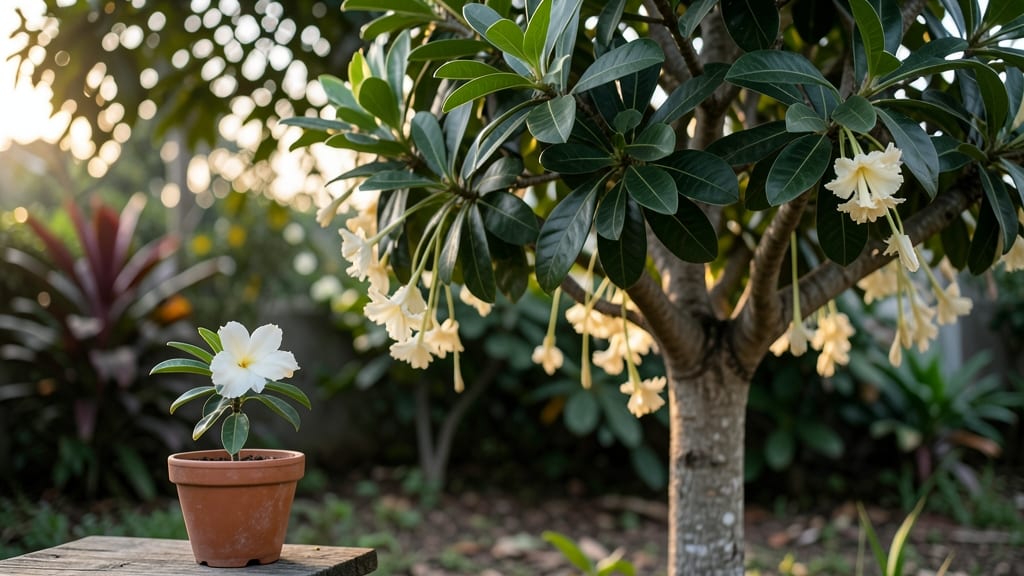
The fragrant Vietnamese mai flower (Plumeria spp.) brings tropical elegance to gardens with its waxy blooms and sweet scent. 🌺 I grew mine from a single cutting, and now it thrives in my sunny patio, producing blooms that last for days.
The key is mimicking its native Southeast Asian climate—warmth, humidity, and just enough water to keep roots happy without drowning them.
This beauty needs full sun (at least 6 hours daily) and well-draining soil—think sandy loam mixed with perlite to prevent root rot. Water deeply but infrequently, letting the top inch of soil dry out between drinks.
Prune after flowering to encourage bushier growth, and watch for pests like mealybugs, which love hiding in the crevices of its thick leaves.
What you’ll love most is how versatile these flowers are: use the petals fresh in teas, as garnishes, or dried in potpourri. In Vietnam, mai flowers symbolize prosperity and are often planted near homes for good luck.
With the right care, your plant will reward you with year-round blooms in warm climates, or at least a stunning summer show in cooler zones.
The best part? Mai flowers propagate easily from cuttings—just let the stem dry for a day, dip in rooting hormone, and plant in moist soil. Within a few months, you’ll have a new plant ready to fill your garden with that unmistakable tropical fragrance. Ready to grow yours?
📚 In This Guide
- What you need
- Instructions
- Tips and common mistakes
- Wrapping up and next steps
What you need
- ● Mai Flower Seeds or Cuttings: Seeds: 5–10 (start indoors 6–8 weeks before last frost)
- ● OR Cuttings: 3–5 healthy 4–6 inch stems (from a mature plant)
- ● Well-Draining Potting Mix: 10–15 lbs of a blend of: 60% peat moss or coconut coir
- ● 30% perlite or coarse sand
- ● 10% compost (for nutrients)
- ● Containers or Garden Bed: For pots: 12–18 inch diameter (1 plant per container)
- ● For garden beds: Full sun (6+ hours/day) with loose, fertile soil
- ● Fertilizer: Balanced liquid fertilizer (10-10-10) or organic options like fish emulsion
- ○ Slow-release granules (optional, apply at planting)
- ● Basic Gardening Tools: Pruning shears (sterilized)
- ● Trowel or small shovel
- ○ Gloves (optional, to protect hands)
- ● Climate: USDA Zones 9–11 (or grow indoors in cooler zones with grow lights)
- ● Temperature: Ideal range: 65–85°F (18–30°C); protect from frost (<32°F/0°C)
- ● Watering: Keep soil consistently moist (not soggy) during growth; reduce in winter
- ● Pruning Knowledge: Learn to trim leggy stems to encourage bushier growth and more blooms!
- ● Mulch (straw or wood chips) to retain moisture and regulate soil temp
- ● Epsom salt (1 tbsp/month) for magnesium boosts
- ● Humidity tray (for indoor growers)
- ● Support stakes or trellis (if growing tall varieties)
Step-by-Step guide to growing mai flower Vietnamese
Here's how I grow fragrant, edible mai flowers—perfect for teas and garnishes.
🌱 Step 1: Start Seeds Indoors at the Right Time
Plant mai flower seeds 8-10 weeks before your last frost date in biodegradable pots filled with sterile seed-starting mix. These seeds need warmth to germinate—place the pots in a seedling heat mat set to 75-80°F. You'll see tiny sprouts in 10-14 days if conditions are right.
Keep the soil consistently moist but never soggy. A spray bottle works best—overwatering can rot the seeds before they sprout. Once the first true leaves (not the initial seed leaves) appear, remove the heat mat and move seedlings to a bright, indirect light spot. If you notice leggy growth, your light is too weak—adjust within 2-3 inches of the seedlings.
☀️ Step 2: Transplant After Frost and Choose the Right Spot
Wait until all danger of frost has passed and soil temperatures reach at least 60°F before moving mai flowers outdoors. Plant 4-5 seedlings in a sunny location with at least 6-8 hours of direct sunlight daily. These flowers thrive in well-draining soil—amend heavy clay with compost to improve aeration.
Dig holes twice as wide as the root ball but no deeper. Space plants 12-18 inches apart—they need room to grow without competing for nutrients. Water deeply right after planting to settle the soil around roots. You'll know they're established when new growth appears within 7-10 days.
💧 Step 3: Water and Fertilize for Continuous Blooms
Mai flowers prefer consistent moisture—water 1-2 inches deep per week, adjusting for rain. Let the top inch of soil dry out between waterings to prevent root rot. Mulch around the base with 2-3 inches of organic mulch to retain moisture and suppress weeds. This also keeps roots cool during hot afternoons.
Feed plants every 3-4 weeks with a balanced, water-soluble fertilizer (10-10-10 ratio). Stop fertilizing 6 weeks before harvest to encourage sweeter, more fragrant blooms. You'll notice buds forming in 8-10 weeks—these flowers love warmth and thrive in humid conditions, so a light misting in dry climates helps.
✂️ Step 4: Harvest and Preserve for Tea and Garnishes
Pick flowers in the morning when petals are fully open but still fragrant. Use clean scissors to snip stems just above a leaf node—this encourages more blooms. Harvest every 2-3 days during peak season to keep plants producing. You'll get 4-6 harvests per season if you maintain care.
For tea, dry petals on a paper towel-lined tray in a cool, dark place for 3-5 days, stirring occasionally. Store in an airtight container away from light. For garnishes, use fresh flowers immediately—they wilt quickly after picking. Here's the thing—frozen petals also work well for later use, but drying preserves flavor best.
Tips & tricks for perfect mai flower Vietnamese blooms
These simple strategies will help you grow fragrant, edible mai flowers that thrive from seed to harvest.
Heat Mat Timing: The 75-80°F heat mat is crucial during those first 10-14 days of germination. I use a digital thermometer to monitor temperature—anything below 70°F significantly slows sprouting. Place the heat mat on a tray to catch excess moisture, which can drown seeds if not managed properly.
Light Adjustment: When you notice leggy seedlings in Step 1, move them within 2-3 inches of the light source immediately. I've found that a simple LED grow light on a timer (14-16 hours daily) works better than natural light alone, especially in cloudy conditions. Rotate pots weekly for even growth.
Transplanting Insight: The 60°F soil temperature threshold in Step 2 is non-negotiable—mai flowers won't thrive in cooler soil. I test soil temperature with a thermometer before transplanting. If your area has late frosts, consider using row covers for an extra week of protection after moving plants outdoors.
Harvesting Hack: For continuous blooms, harvest every 2-3 days during peak season—but never take more than 1/3 of the flowers at once. I mark plants with small flags when they're ready to encourage even harvesting. The morning harvest ensures maximum fragrance and freshness for teas or garnishes.
Pro Tips for Mai Flower Vietnamese
- These simple strategies will help you grow fragrant, edible mai flowers that thrive from seed to harvest.
- Heat Mat Timing: The 75-80°F heat mat is crucial during those first 10-14 days of germination.
- Light Adjustment: When you notice leggy seedlings in Step 1, move them within 2-3 inches of the light source immediately.
Frequently asked questions
Got questions about growing or using mai flower Vietnamese? You’re not alone! Here are some of the most common queries—and their answers—to help you cultivate these fragrant blooms like a pro.
What’s the best time of year to plant mai flowers in Vietnam?
The ideal planting window is late winter to early spring (January–March), when temperatures are mild (60–75°F). Mai flowers thrive in Vietnam’s cool, dry season, but they’ll tolerate light frosts. For container growing, you can start seeds indoors 6–8 weeks before the last frost for a head start!
How often should I water mai flowers, and do they need special care?
Water moderately—keep soil moist but never soggy. Mai flowers prefer well-draining soil and hate waterlogged roots. During blooming season (spring), water every 2–3 days; reduce to once a week in summer. Mulch around the base to retain moisture and deter weeds. Pro tip: Morning watering prevents fungal issues!
Can I use mai flowers for tea, and how do I harvest them?
Harvest fully open buds (not wilting petals) for the best flavor. Snip stems early in the morning for peak fragrance. Dry them in the shade or a dehydrator, then store in airtight jars. Use 1–2 tsp per cup of hot water for tea—steep for 3–5 minutes. Warning: Avoid overbrewing; bitterness creeps in fast!
What if my mai flowers aren’t blooming? Troubleshooting tips!
No blooms? Check these fixes:
- Light: Mai flowers need 6+ hours of sunlight daily. Move potted plants to a sunnier spot.
- Soil: Amend heavy clay soil with compost or sand for better drainage.
- Fertilizer: Use a balanced, low-nitrogen fertilizer (like 10-10-10) in early spring.
- Pruning: Trim dead blooms to encourage new growth.
Are there non-edible alternatives to mai flowers for garnishes?
Yes! If mai flowers are hard to find, try these fragrant, edible substitutes:
Flower
Flavor Profile
Best For
Jasmine
Sweet, floral
Tea, desserts
Pansies
Mild, slightly peppery
Salads, garnishes
Borage
Cucumber-like
Drinks, soups
Wrapping up and next steps
Growing mai flowers in Vietnam—or anywhere in the world—is a rewarding journey that brings beauty, fragrance, and even culinary delights to your space! 🌸 Whether you’re drawn to their stunning blooms for tea ceremonies, their use as edible garnishes, or simply their elegant charm, these flowers are a versatile and meaningful addition to any garden. With the right care, patience, and a little creativity, you’ll soon be harvesting fragrant petals to elevate your dishes or steep in warm infusions.
Ready to dive deeper? Start small with a single plant or experiment with propagation techniques—your garden (and taste buds!) will thank you. Happy growing! 🌱