
Planting
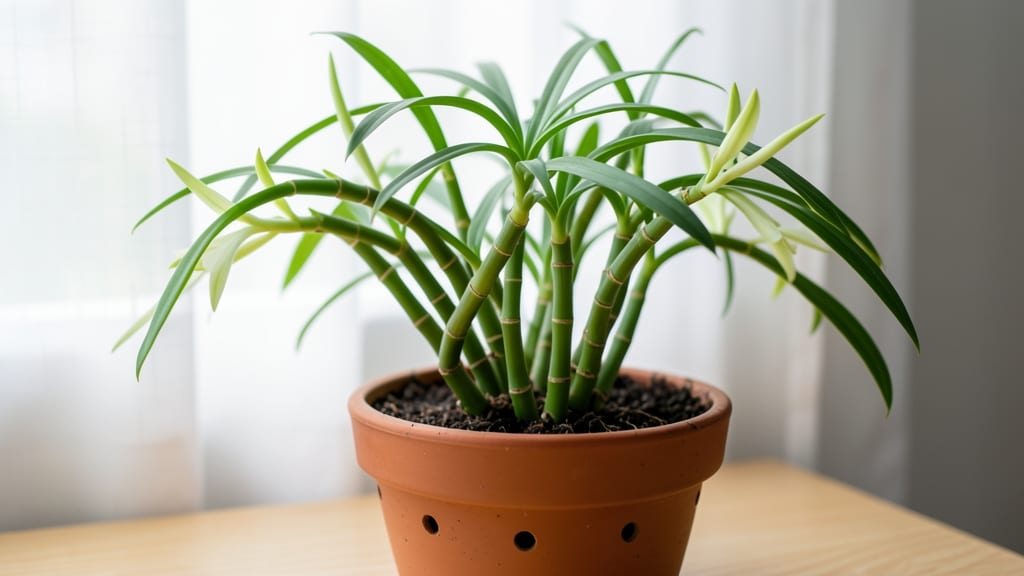
Your mass cane plant flowering dreams aren’t just wishful thinking—they’re within reach with the right light, food, and patience. 🌿 I’ve coaxed blooms from my Dracaena fragrans ‘Massangeana’ after years of yellowing leaves and stubborn silence, and the secret isn’t complicated.
It’s about mimicking its tropical roots with bright, indirect light, the occasional deep watering, and a phosphorus push when the days grow short.
The biggest myth? That mass canes ever flower indoors. They can—but only if you treat them like outdoor plants in miniature, with 6+ hours of filtered sun daily and a winter rest period.
Skip the overwatering (soggy soil = no blooms) and feed them every 4-6 weeks with a bloom booster. My plant’s first stalk appeared after I moved it to a south-facing window and cut back on the water.
You’ll spot the first signs in late winter: a tight bud at the stem’s crown, followed by a 6-foot-tall spike of tiny white flowers that smell like vanilla.
The process takes 3-6 months, but the payoff is worth it—especially when neighbors ask how you did it. (Spoiler: it’s not magic, just science.)
Outdoor growers get an edge, but even apartment plants can bloom with grow lights and a cool winter. The key? Consistency. One missed feeding or drafty corner, and you’ll be back to square one. Let’s get those blooms going—your plant’s been waiting for you to notice.
📚 In This Guide
- What you need
- Instructions
- Tips and common mistakes
- Wrapping up and next steps
What you need
- ● Mass Cane Plants (Dracaena fragrans or similar) – 3–10 plants, depending on desired coverage. Choose healthy, mature plants (12–36 inches tall) for best results.
- ● Well-draining potting mix – 10–20 gallons, blending peat moss, perlite, and compost (ratio: 40% peat, 30% perlite, 30% compost). Avoid heavy clay soil.
- ● Containers or garden beds – 1–2 containers per plant (12–16 inches in diameter) with drainage holes, OR a dedicated garden bed with amended soil.
- ● Slow-release fertilizer – 1–2 lbs of balanced 10-10-10 or 20-20-20 granules, mixed into the soil at planting.
- ● Watering can or hose with a gentle nozzle – For consistent moisture without oversaturating roots.
- ● Garden gloves – To protect hands while handling soil and plants.
- ● Trowel or hand shovel – For transplanting and soil amendments.
- ○ Pruning shears – Sharp, sterilized for trimming dead leaves or leggy growth (optional but helpful).
- ● pH testing kit – To ensure soil pH is 6.0–7.0 (ideal for flowering).
- ○ Grow lights or sunlight tracker – Optional for indoor setups; 12–16 hours of bright, indirect light daily.
- ● Temperature control – Maintain 65–80°F (18–27°C) during flowering. Avoid drafts or extreme heat.
- ○ Humidity levels – Optional but ideal: Use a humidifier or pebble tray to keep humidity at 40–60%.
- ● Flowering trigger – Critical! Simulate seasonal changes with: A 2–4 week period of cooler temps (55–60°F / 13–16°C) in late fall/winter (use a cold frame or AC).
- ● Reduced watering (let topsoil dry slightly between waterings).
Step-by-step guide to triggering mass cane plant flowering
Here's how to coax vibrant, continuous blooms from your mass cane plants—no matter the season.
🌱 Step 1: Provide the Right Temperature Fluctuations
Mass cane plants (Dracaena fragrans 'Massangeana') need a 10°F nighttime drop to trigger flowering. During summer months, move your plant outdoors to a shaded patio or balcony where evening temperatures naturally cool. If indoors year-round, place it near a window where nighttime temps drop 5-10°F cooler than daytime—just enough to mimic seasonal change.
I use a small thermometer clipped to the pot to track nighttime temps. The key is consistency: 3-4 weeks of reliable nighttime cooling primes the plant for bud formation. If your home stays too warm, a fan blowing near the plant at night can create a slight breeze that helps signal flowering time.
☀️ Step 2: Optimize Light Exposure for Bloom Signals
Bright, indirect light is critical—mass cane plants need 6-8 hours of filtered sunlight daily to develop flower buds. South or west-facing windows work best, but avoid harsh afternoon sun that can scorch the leaves. If using grow lights, position them 12-18 inches above the plant for 12-14 hours per day to simulate long summer days.
Watch for leaf color as your cue: healthy foliage stays deep green with yellow-green stripes. If leaves turn dull green or lose their stripes, the plant isn't getting enough light. Rotate the pot quarter-turn weekly so growth stays even—you'll see new leaves emerge toward the light source, which is a good sign the plant is ready for flowering signals.
💧 Step 3: Adjust Watering to Mimic Seasonal Shifts
Reduce watering slightly when triggering blooms—mass cane plants need slightly drier conditions to stress them into flowering. Let the top 1-2 inches of soil dry out between waterings, then soak thoroughly until water runs from the drainage hole. This mimics the natural drying period before rainy seasons, which triggers bud formation.
Overwatering smothers the roots and prevents flowering. I check moisture by sticking my finger 1 inch deep—if it feels damp, wait another day. Fertilize lightly with a balanced 10-10-10 formula every 6 weeks during this period to support bud development without encouraging leafy growth.
⏰ Step 4: Introduce Gradual Environmental Changes
Flowering requires 2-3 months of consistent conditions, so start early. If your plant hasn't bloomed in a year, begin with one week of cooler nights (below 70°F), then return to normal temps. Repeat this cycle every 4-6 weeks—the plant will eventually respond by producing a flower spike (a tall, thin stem with small white flowers).
Here's the thing—mass cane plants often bloom only once a year, so timing matters. If you want year-round color, rotate between cooler nights and warmer days to encourage multiple cycles. Once buds appear, keep conditions stable—no sudden temperature swings or light changes, or the buds may drop.
Tips & tricks for perfect mass cane plant flowering
Getting your mass cane plant to bloom requires patience and precision—but these pro tips will help you avoid common pitfalls and maximize your chances of success.
Temperature Monitoring: That 10°F nighttime drop is non-negotiable, but how you achieve it matters. I recommend using a digital thermometer with a probe that stays clipped to the pot—these are more accurate than app-based solutions. If your home stays consistently warm (above 75°F), try placing the plant on a ceramic tile or ceramic pot saucer at night—these materials conduct heat away slightly faster than plastic or metal. The goal is to mimic natural seasonal shifts without shocking the plant.
Light Quality Matters: When using grow lights for the 12-14 hours per day requirement, opt for full-spectrum LED bulbs designed for plants. Regular household bulbs won't provide the right spectrum for flowering signals. Position the lights slightly higher than the 12-18 inches recommendation during the 6-8 hours of filtered sunlight window—this creates a natural gradient that mimics sunrise/sunset transitions. Watch for leaves growing toward the light source; this tells you the plant is actively seeking optimal conditions.
Watering Strategy: The top 1-2 inches dry rule is crucial, but timing matters too. Water in the morning so excess moisture evaporates during the day rather than sitting on leaves overnight. I've found that using a moisture meter (not just finger-checking) prevents under- or overwatering—these devices give precise readings at the 1 inch deep level. If your plant's leaves start curling at the edges, it's a sign you've gone too dry; if they yellow, you're overwatering. Both conditions stress the plant and delay flowering.
Environmental Consistency: Once you see those first flower spikes after 2-3 months, stability becomes critical. Avoid moving the plant or changing light sources—even a slight shift can cause buds to drop. I keep a small notebook near my plants to track temperature fluctuations, watering schedules, and light exposure. When buds appear, I reduce fertilization to half-strength and stop entirely once flowers open. This redirects the plant's energy toward maintaining blooms rather than new growth.
Pro Tips for Mass Cane Plant Flowering
- Getting your mass cane plant to bloom requires patience and precision—but these pro tips will help you avoid common pitfalls and maximize your chances of success.
- Temperature Monitoring: That 10°F nighttime drop is non-negotiable, but how you achieve it matters.
- Light Quality Matters: When using grow lights for the 12-14 hours per day requirement, opt for full-spectrum LED bulbs designed for plants.
Frequently asked questions
When is the best time to trigger flowering in mass cane plants?
The ideal time to induce flowering is during the plant’s active growth phase (spring to early summer). Mimic natural conditions by reducing water slightly and lowering nighttime temperatures (55–65°F) for 2–4 weeks. Avoid forcing flowers in winter unless using grow lights—plants need energy to bloom!
How long does it take for mass cane plants to flower after triggering?
With proper conditions, you’ll see flower buds in 4–8 weeks, depending on the variety. Some tropical types (like Dracaena) may take longer, while Cordyline often blooms faster. Patience is key—rush the process, and you might stress the plant!
Can I force mass cane plants to flower indoors year-round?
Yes! Use grow lights (12–14 hours/day) to simulate daylight and maintain consistent warmth (70–80°F). Reduce water slightly and fertilize lightly with high-phosphorus food (like 10-30-20) to encourage blooming. Just avoid drafts—plants hate sudden temperature swings!
Why isn’t my mass cane plant flowering? Troubleshooting tips.
Check these common issues:
- Not enough light: Move to a bright, indirect spot (or add grow lights).
- Overwatering: Let soil dry 50% between waterings—root rot stalls growth.
- Lack of dormancy: Some varieties need a short rest period (like 2 weeks of cooler temps).
- Wrong fertilizer: Switch to a bloom-boosting formula (e.g., 5-10-10).
What do I do after the mass cane plant flowers?
Once blooms fade, prune spent stalks to encourage new growth. Keep fertilizing lightly (every 4–6 weeks) and maintain bright light. If you want repeat blooms, repeat the triggering process in 3–6 months—just don’t overdo it!
Wrapping up and next steps
Watching your mass cane plant burst into vibrant blooms is a rewarding experience—one that’s totally within your reach with the right care! 🌸 By mastering light, temperature, and feeding triggers, you can coax year-round color from these stunning plants. Remember: patience and consistency are key! Now that you’re armed with the secrets, why not experiment with a few canes and turn your space into a living rainbow? Happy planting—your garden is waiting!
Next step: Pick your favorite variety and start testing those bloom triggers today! 🌱