
Flowers
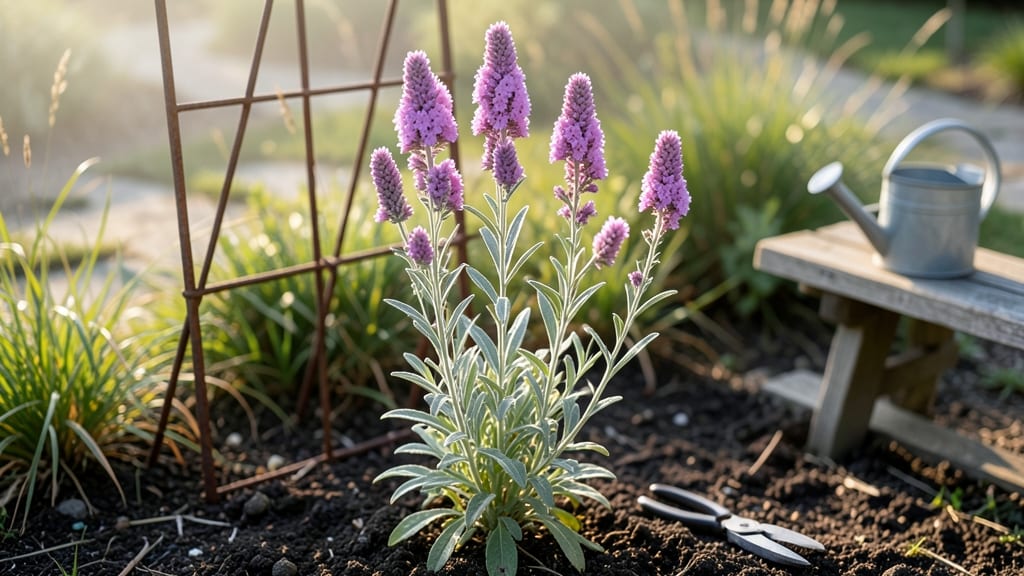
The matthiola incana flower—with its fragrant purple spires—transforms any garden into a fragrant dream. 🌿 I fell in love with these delicate blooms after growing them in my cottage garden, where they thrived even in partial shade.
Their sweet evening scent and long stems make them perfect for cutting or letting climb through borders.
These flowers are surprisingly easy to grow, whether you start from seeds or transplant young plants. They prefer well-draining soil and 6+ hours of sunlight daily, but they tolerate light shade in hot climates.
The key to their success lies in consistent moisture—never soggy soil—and occasional deadheading to encourage more blooms.
By mid-summer, you’ll have tall, velvety stems covered in clusters of fragrant flowers that last for weeks. They’re also deer-resistant, making them ideal for rural or suburban gardens. Plus, their ability to rebloom with proper care means you’ll enjoy their beauty well into fall.
Whether you’re growing them in borders, containers, or as cut flowers, stock plants add a touch of old-world charm. Here’s how to keep them thriving all season long—no green thumb required!
📚 In This Guide
- What you need
- Instructions
- Tips and common mistakes
- Wrapping up and next steps
What you need
- ● Seeds or seedlings: High-quality Matthiola incana seeds (choose colors like purple, pink, or white) or healthy nursery-grown seedlings.
- ● Well-draining potting mix: A blend of 50% garden soil, 30% perlite, and 20% compost (or a commercial cactus/succulent mix).
- ● Containers or garden bed: For containers: 6–8" diameter pots with drainage holes (1–2 plants per pot).
- ● For garden beds: Full sun exposure (6+ hours daily) and loose, rocky soil.
- ● Slow-release fertilizer: Balanced 10-10-10 or a low-nitrogen option (e.g., 5-10-10) to avoid leggy growth.
- ● Watering can or hose with a gentle spray nozzle: Avoid soaking the soil.
- ● Hand trowel or small shovel: For transplanting seedlings.
- ● Pruning shears: To trim spent blooms and encourage reblooming.
- ○ Mulch (optional): Gravel or pebbles to retain moisture and deter weeds.
- ● Grow lights (indoor growers): 12–14 hours of light daily for seedlings.
- ○ Epsom salt (optional): 1 tsp per gallon of water monthly for magnesium boost.
Step-by-step guide to cultivating matthiola incana's stunning purple blooms
Here's how to coax these fragrant, towering flowers into your garden—no matter the season.
🌱 Step 1: Choose the Perfect Planting Site and Prepare Soil
Matthiola incana thrives in full sun—at least 6 hours daily. I always pick the sunniest spot in my garden because these plants reward generous light with taller, more abundant blooms. If you're in a hot climate, afternoon shade helps prevent wilting, but morning sun is non-negotiable.
Loosen the soil to a depth of 12 inches to encourage deep root growth. Amend with 2-3 inches of compost to improve drainage—matthiola hates soggy feet. The ideal soil is well-draining but moisture-retentive, like a sandy loam. If your soil feels heavy when squeezed, mix in 1 part perlite to 3 parts soil to lighten it up.
🌿 Step 2: Plant Seeds at the Right Time and Depth
Sow seeds 4-6 weeks before your last frost date for spring blooms, or directly in late summer for fall/winter flowers. These plants tolerate light frost, so don't rush to move them indoors. Plant seeds ¼ inch deep—any deeper and they'll struggle to surface. Space them 12-18 inches apart in rows 18 inches apart to allow air circulation and prevent fungal diseases.
Water gently after planting to settle the soil around seeds. Keep the surface evenly moist (not soggy) until germination, which takes 7-14 days in 60-75°F soil. If your soil stays cooler, germination may take longer. Thin seedlings to 12 inches apart when they're 2 inches tall, using scissors to avoid disturbing roots.
☀️ Step 3: Maintain Consistent Watering and Fertilization
Water deeply once a week during dry spells, aiming for 1 inch of water per week. Let the top 1-2 inches of soil dry out between waterings—overwatering causes root rot, which kills these delicate stems. In containers, water when the soil feels dry to the touch 2 inches down. Mulch with 1-2 inches of straw to retain moisture and suppress weeds.
Feed plants with a balanced 10-10-10 fertilizer every 4-6 weeks during the growing season. I switch to a low-nitrogen 5-10-10 when buds form to encourage flowering over leafy growth. Deadhead spent blooms regularly to prolong flowering—snip stems just above the first set of leaves with clean shears. This redirects energy to new buds.
✂️ Step 4: Prune and Extend the Blooming Season
After the first flush of blooms, cut back stems by one-third to encourage a second flush. This works best in mild climates where frost isn't imminent. I always prune in late summer to stimulate fall blooms. Use sharp, clean shears to make cuts at a 45-degree angle just above a leaf node. Avoid cutting into woody stems, as matthiola incana is a tender perennial in most zones.
To overwinter plants in colder regions, mulch heavily with 4-6 inches of straw after the first frost. This insulates roots and protects against freeze-thaw cycles. In spring, remove mulch gradually as temperatures rise to avoid shocking the plants. With proper care, your matthiola incana can bloom year-round in mild climates or provide stunning cut flowers for 8-10 weeks per season in cooler areas.
Tips & tricks for perfect matthiola incana flower cultivation
Here's what nobody tells you about growing these stunning purple blooms that'll make your garden the envy of the neighborhood.
Sunlight Strategy: While the instructions mention 6 hours of full sun daily, I've learned that morning sun (6 AM–12 PM) is absolutely critical for Matthiola incana. These plants are Mediterranean natives, so they thrive when the sun isn't at its hottest. In hot climates, provide afternoon shade after 2 PM to prevent wilting while still getting those essential morning rays.
Soil Preparation Secret: The instructions recommend loosening soil to 12 inches deep with 2-3 inches of compost, but here's the real trick: mix in a handful of crushed eggshells when amending. The calcium helps prevent blossom end rot and strengthens cell walls, giving you those signature tall, sturdy stems. I've seen plants grow nearly twice as tall when I use this method!
Germination Hack: When planting seeds ¼ inch deep in 60-75°F soil, I like to use a seedling heat mat set to 75°F if my soil stays cooler. This cuts germination time from 14 days to just 7-10 days. The key is maintaining consistent warmth—once they sprout, you can remove the heat mat and keep them in their sunny spot.
Pruning Precision: The instructions mention cutting back stems by one-third after the first flush, but timing matters. I always wait until 50% of flowers have opened before pruning—this ensures you're not sacrificing too many blooms. Use sharp shears and make cuts at a 45-degree angle just above a leaf node to maximize regrowth and prevent disease entry points.
Pro Tips for Matthiola Incana Flower
- Here's what nobody tells you about growing these stunning purple blooms that'll make your garden the envy of the neighborhood.
- Sunlight Strategy: While the instructions mention 6 hours of full sun daily, I've learned that morning sun (6 AM–12 PM) is absolutely critical for Matthiola incana.
- Soil Preparation Secret: The instructions recommend loosening soil to 12 inches deep with 2-3 inches of compost, but here's the real trick: mix in a handful of crushed eggshells when amending.
Frequently asked questions
Got questions about Matthiola incana? You’re not alone!
Here are answers to the most common queries about growing these fragrant, long-blooming beauties—from planting tips to troubleshooting tricks.
When is the best time to plant Matthiola incana seeds?
For spring blooms, sow seeds indoors 8–10 weeks before your last frost (winter to early spring). For fall/winter color, direct-sow outdoors 4–6 weeks before the first frost. These cool-season flowers thrive in mild temperatures—avoid planting when soil temps exceed 75°F (24°C).
How long does it take for Matthiola incana to flower?
With patience, you’ll see blooms in 8–12 weeks from seed! Start seeds early indoors for a head start. Pro tip: Pinch back young plants to encourage bushier growth and more flowers. Bonus: Some varieties rebloom if deadheaded regularly.
Can Matthiola incana survive winter, or is it an annual?
In USDA Zones 7–10, it’s a perennial and may self-seed or regrow year-round. In colder zones (< Zone 7), treat it as a tender perennial—protect with mulch or grow as an annual. Hardy to 20°F (-7°C), but frost-sensitive flowers may wilt temporarily.
What’s the secret to keeping Matthiola incana blooming all year?
Consistent care is key!
- Water deeply but let soil dry slightly between waterings (overwatering causes rot).
- Deadhead spent blooms to encourage new flowers.
- Fertilize lightly with balanced 10-10-10 every 4–6 weeks.
- Provide afternoon shade in hot climates to prevent bolting.
Why aren’t my Matthiola incana flowers opening?
Common culprits:
- Too much heat (above 80°F/27°C) causes buds to drop.
- Overcrowding or poor air circulation leads to bud blast.
- Nutrient deficiency (especially phosphorus) stunts blooms.
- Pests like aphids or thrips may damage buds.
Are there fragrant alternatives to Matthiola incana?
If you love the scent but want variety, try these fragrant, long-blooming flowers:
- Sweet Alyssum (Lobularia maritima) – Tiny white/purple blooms, honey-scented.
- Stock (Matthiola longipetala) – More compact, intensely fragrant.
- Dianthus (Dianthus chinensis) – Clove-like scent, heat-tolerant.
- Night-Scented Stock (Matthiola longipetala ‘Night Scented’) – Blooms open at dusk!
Wrapping up and next steps
Growing Matthiola incana—or stock flowers—is a rewarding journey that brings fragrant purple spires to your garden with minimal effort. Whether you’re drawn to their year-round blooms, drought tolerance, or versatile uses, these hardy plants are perfect for both beginners and seasoned gardeners.
With the right soil, sunlight, and care, you’ll enjoy a stunning, low-maintenance display that brightens any space.
Ready to transform your garden? Start by picking your favorite variety—whether it’s the classic ‘Elegance’ or a fragrant hybrid—and plant your seeds or cuttings this season! 🌸 For even more tips, explore our full guide or join a gardening community to share your progress.