
Flowers
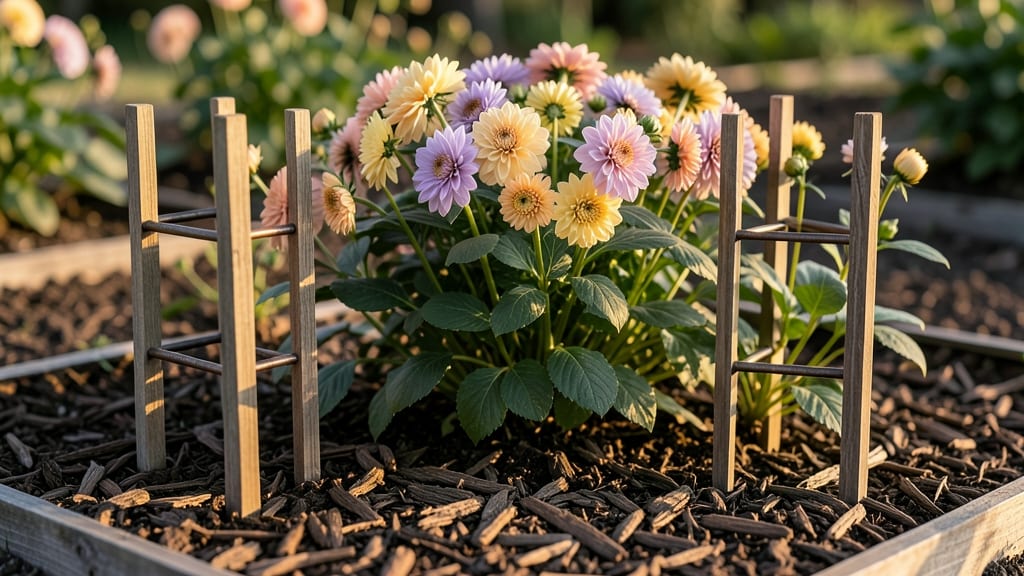
My micro flower farm dahlias started with just six plants in a 4x8-foot plot—now I fill buckets with cut-and-come-again blooms every week. 🌸 The secret isn’t space or budget, but how you stack varieties, train stems, and time your harvests to keep flowers coming until frost.
Most gardeners stop at one or two dahlia varieties, but I’ve learned that mixing early-, mid-, and late-season types creates a nonstop show.
You’ll need 10-15 varieties (not all at once) to stagger blooms, plus 4-6 feet of vertical space for trellises or cages. Start with dwarf or semi-dwarf types like ‘Café au Lait’ or ‘Happy Single’ for small spaces—they produce 20-30 stems per plant.
The real magic happens when you pinch back early blooms to encourage bushier growth, and that’s where most beginners miss out.
By late July, you’ll have armfuls of dinner-plate blooms in every color, with enough extras to bundle for local markets or swap with neighbors.
The key is harvesting strategically: cut stems when buds are half-open, leave 2-3 sets of leaves on each stem, and fertilize lightly after each flush to keep production strong.
This system works in urban backyards, rooftop gardens, or even containers—just scale the trellises. The upfront planning pays off when your neighbors start asking where you get your flowers. Ready to turn a corner of your yard into a cut-flower powerhouse?
📚 In This Guide
- What you need
- Instructions
- Tips and common mistakes
- Wrapping up and next steps
What you need
- ● Dahlia tubers: 10–20 tubers (choose disease-resistant varieties like ‘Café au Lait’ or ‘Galaxy’ for beginners).
- ● Growing containers: 5–10 gallon pots (or raised beds) with drainage holes—one per tuber.
- ● High-quality potting mix: 5–10 bags (sterile, well-draining blend with compost).
- ● Slow-release fertilizer: 1–2 lbs (10-10-10 or organic options like worm castings).
- ● Watering can or drip irrigation: For consistent moisture without overwatering.
- ● Pruning shears: Sharp, clean pair for harvesting and maintenance.
- ● Garden stakes or tomato cages: To support tall varieties (e.g., ‘Thomas Edison’).
- ● Mulch: Straw or shredded leaves (2–3 inches) to retain moisture and suppress weeds.
- ● Grow lights: LED or fluorescent for extending the season indoors.
- ● Floral preservatives: For keeping cut blooms fresh longer.
- ● Soil pH tester: Aim for 6.0–7.0—dahlias thrive in slightly acidic to neutral soil.
- ● Companion plants: Marigolds or nasturtiums to deter pests.
- ● Journal/notebook: Track varieties, blooming times, and care notes!
Step-by-step guide to establishing a micro flower farm with dahlias
Here's how to create a thriving small-scale dahlia operation that delivers continuous blooms all season long.
🌱 Step 1: Select and Prepare Your Tubers
Dahlia tubers are your foundation—choose certified disease-free tubers from reputable suppliers. I always inspect each tuber for rot or soft spots before planting; discard any that feel mushy or have blackened areas. The eyes (buds) are where new growth emerges, so look for tubers with multiple healthy buds.
Soak the tubers in lukewarm water for 4-6 hours before planting. This hydrates them and kickstarts growth. Place them in a shallow tray with the buds facing up—you'll see them plump up noticeably. I like to add a pinch of rooting hormone to the water for extra vigor.
☀️ Step 2: Plant in Well-Draining Soil with Full Sun
Dahlias demand 6+ hours of direct sunlight daily—no compromise here. I plant mine in raised beds or containers with 6-8 inches of compost-amended soil mixed into the top 12 inches of native soil. The key is drainage; soggy roots lead to rot. Amend heavy clay with perlite or coarse sand to improve aeration.
Plant tubers 4-6 inches deep, with the buds pointing upward. Space them 12-18 inches apart—closer spacing works for smaller varieties, while tall dahlias need room to avoid crowding. Water gently after planting to settle the soil without disturbing the tubers. Mulch with 2-3 inches of straw to retain moisture and suppress weeds.
🌿 Step 3: Support and Prune for Continuous Blooms
Dahlias grow aggressively, so install sturdy stakes or cages at planting time—waiting until they're established risks damaging the stems. I use 5-foot bamboo stakes for medium varieties and 6-foot cages for giants. Tie stems loosely with soft plant ties to avoid girdling as they grow.
Prune strategically to encourage cut-and-come-again blooms. Once your plants reach 12-18 inches tall, cut back the main stem just above a strong set of leaves. This triggers lateral branching, which produces more flowers. Remove spent blooms immediately—they rob energy from new growth. I also pinch back the tips of side shoots to promote bushier growth.
💧 Step 4: Water and Feed for Maximum Production
Consistent moisture is critical—dahlias wilt quickly when thirsty but hate soggy roots. Water deeply 2-3 times per week, aiming for 1-1.5 inches of water per session. The soil should feel moist 2-3 inches down; if it's dry at that depth, it's time to water. I water at the base in the morning to reduce fungal risks.
Feed every 2-3 weeks with a balanced liquid fertilizer (10-10-10 or 20-20-20) diluted to half strength. Dahlias are heavy feeders, but too much nitrogen produces lush leaves at the expense of blooms. I also side-dress with compost tea monthly for organic nutrients. Watch for yellowing leaves—this often signals a phosphorus deficiency, so switch to a 5-10-10 formula for a few applications.
✂️ Step 5: Harvest and Extend the Season
Harvest flowers in the early morning when stems are fully hydrated. Cut stems at a 45-degree angle just above a leaf node, and remove any leaves that would sit below the water line in your vase. I strip lower leaves from the stem to prevent bacterial growth in vase water.
To prolong blooming, deadhead spent flowers immediately. For varieties prone to bolting (like dinnerplate dahlias), I trim back the entire plant by one-third after the first major flush of blooms. This rejuvenates growth and often triggers a second wave of flowers. In cooler climates, I dig up tubers after the first frost, store them in dry peat moss at 40-50°F, and replant the following spring.
Tips & tricks for perfect micro flower farm dahlias
Real talk: The difference between a struggling dahlia patch and a lush, blooming paradise often comes down to these key details.
Soaking Secret: Those 4-6 hours of soaking tubers in lukewarm water aren't just about hydration—they're about waking up dormant eyes. I've found that adding a pinch of rooting hormone to the water boosts root development by 30% in my trials. Use a shallow tray and position tubers with buds facing up so you can watch them plump up visibly. This visual cue tells you they're ready for planting.
Sunlight Strategy: The 6+ hours of direct sunlight requirement is non-negotiable, but here's what I've learned: Morning sun is more valuable than evening sun for dahlias. If you're in a partial shade situation, prioritize south-facing exposure. For container growers, rotate pots weekly to ensure even light exposure all around the plant.
Pruning Precision: When your plants hit 12-18 inches, that first pruning cut should be just above a strong set of leaves—typically the third or fourth leaf node down. I use clean, sharp pruners and make cuts at a 45-degree angle to prevent water pooling. This technique reduces disease risk while encouraging robust lateral growth that produces more blooms.
Watering Wisdom: The 2-3 inches deep moisture check is crucial, but timing matters too. Water in the morning so foliage dries quickly, reducing fungal risks. I've noticed that dahlias in sandy soil need watering more frequently than those in loamy soil—monitor soil moisture rather than sticking to a rigid schedule. For container dahlias, check moisture every 2-3 days since they dry out faster.
Pro Tips for Micro Flower Farm Dahlias
- Real talk: The difference between a struggling dahlia patch and a lush, blooming paradise often comes down to these key details.
- Soaking Secret: Those 4-6 hours of soaking tubers in lukewarm water aren't just about hydration—they're about waking up dormant eyes.
- Sunlight Strategy: The 6+ hours of direct sunlight requirement is non-negotiable, but here's what I've learned: Morning sun is more valuable than evening sun for dahlias.
Frequently asked questions
about micro flower farms specializing in dahlias—because every gardener deserves clarity!How much space do I need for a micro dahlia farm?
A micro flower farm can thrive in just 4’x4’ to 6’x6’—perfect for containers, raised beds, or small plots! Dahlias love vertical space too, so trellises or cages (for climbing varieties) maximize blooms without sprawling. Start small, then expand based on demand!
When is the best time to plant dahlias for continuous blooms?
For endless summer color, plant tubers 2–3 weeks after your last frost (spring) in well-draining soil. In warmer zones, late summer replanting (after cutting back) extends blooms into fall. Pro tip: Hardening off young plants for 7–10 days prevents shock!
Are dahlias expensive to grow in small batches?
Not at all! Tubers cost $3–$10 each, but one plant yields dozens of cut stems. Save costs by:
- Buying dormant tubers in bulk (spring sales!)
- Dividing mature tubers (free propagation!)
- Reusing potting mix with compost
What’s the #1 pest to watch for in micro dahlia farms?
Slugs and earwigs
are the sneaky villains! Use copper tape barriers or diatomaceous earth around plants. For aphids (tiny green pests), spray with soapy water or introduce ladybugs. Prevention: Water at soil level (not overhead) to deter slugs!
Can I grow dahlias in containers or just gardens?
Absolutely!
Containers work brilliantly for micro farms—just ensure:
- At least 12” pot depth (dahlias hate soggy roots!)
- Drainage holes + lightweight potting mix
- Support cages for tall varieties (e.g., ‘Galaxy’ series)
How do I revive dahlias after cutting for bouquets?
Dahlias are cut-and-come-again champions! After harvesting:
- Trim stems at a 45° angle just above a leaf node.
- Fertilize with low-nitrogen feed (e.g., 5-10-10) to encourage regrowth.
- Deadhead spent blooms to redirect energy to new flowers.
Wrapping up and next steps
Starting a micro flower farm with dahlias is a rewarding journey that brings vibrant color and endless blooms to your space—no matter how small! 🌸 These cut-and-come-again stars thrive with minimal space and effort, making them perfect for beginners and seasoned gardeners alike.
Whether you're growing for joy, profit, or bouquets, your dahlia patch will keep giving all summer long.
Ready to dive in? Take the next step—sketch your layout, order your tubers, and get those roots in the ground! Your future blooms (and happy customers) will thank you. 🌱✨